Research Article: 2025 Vol: 29 Issue: 1
Performance and Management Control in Companies in the Energy Sector in the Light of the Environmental Transition and the Energy Crisis: The Saudi Aramco Case Study
Diego Mazzitelli, University of Calabria
Carmelo Arena, University of Calabria,
Joanna Nieżurawska-Zając, WSB University
Rosamaria Rusciano, University of Calabria
Citation Information: Mazzitelli. D., Arena, C., Nieżurawska-Zając, J., Rusciano, R., (2024). Performance and Management Control in Companies in the Energy Sector in the Light of the Environmental Transition and the Energy Crisis: The Saudi Aramco Case’s Study. International Journal of Entrepreneurship, 29(1),1-15
Abstract
Management control assumes significant importance within companies, especially in light of the contemporary global economic landscape. Therefore, the research intends to study Saudi Aramco to understand the company's behaviour, in terms of performance and strategic objectives, in light of two crucial issues: the environmental transition and the energy crisis. In this regard, the study will initially proceed with an overview of the existing literature to highlight the main theoretical aspects, focusing on the Balanced Scorecard model of Kaplan and Norton (1992) and any future prospects. We will then proceed with an analysis of the sector, aimed at highlighting the environmental context within which Saudi Aramco operates and, finally, an empirical study will be conducted, which starts from the balance sheet data and company reports, from which the results will be processed and empirical, managerial, and theoretical-academic conclusions
Keywords
Management Control, Power, Environmental Transition, Energy Crisis, Management Reporting, Performance Measures, Environment, Sustainability, Kpis.
Introduction
The energy sector has always been subject to repeated transformations, mainly due to the continuous evolution of technologies. At the same time, being a sector with a high environmental and social impact has always been strictly controlled and regulated by the legislator at all levels (national, supranational, and international). Specifically, in this historic moment, characterized by two global phenomena such as the green transition and the energy crisis, the energy sector is watched with particular attention both by consumers, who have seen consumption costs increase exponentially, and by the legislator who has set themselves the goal of implementing a development that is as equitable and sustainable as possible, both from an environmental and social point of view. The issue of management control fits into this global context. Companies become more attentive to management control systems because, through them, they can have advantages in terms of optimization of company resources, productivity analysis of operating units and evaluation of company performance, with specific regard to planned objectives. In this sense, the research, therefore, has as its primary objective that of interpreting the changes that are taking place in the behavior of companies in the energy sector in terms of planning and budgeting in light of the global phenomena concerning the energy crisis and the environmental transition. In this regard, the research will operate with an initial evolutionary analysis of management control theories to understand how the system has changed over time and how it has come to assume significant importance within companies. Subsequently, an analysis of the energy sector will be proposed in order to contextualize the environment in which companies operate and to identify its trend, as well as future prospects. Finally, an empirical analysis will be proposed starting from studying the strategic plans and financial statements of the top five globally listed companies, ranked by S&P 500 Commodity Insight according to their asset value, revenues, profits and ROI. Finally, the results and conclusions will be extrapolated from the research. The study will have implications: at a theoretical level as it will highlight the main theories, with limits and advantages, also trying to understand their actual application; at the level of public policies since the trend of the sector will highlight any critical issues for companies and the legislator will be able to evaluate how to intervene. Finally, it will have social implications since the behavior and performance of energy companies significantly impact consumers in terms of costs. Furthermore, the research will expand the literature by providing an organic analysis of management control systems in a specific industrial sector which may also be helpful for any comparative analyses in the future.
Management Control: an evolutionary analysis
By "management control," we mean the procedure aimed at verifying the implementation status of the programmed objectives and, through the analysis of the resources acquired and the comparison between costs and the quantity and quality of the services offered, the functionality of the organization of the institution, the efficiency and level of cost-effectiveness in the activity of achieving the objectives as mentioned above. The importance of management control within a company derives mainly from the fact that it is responsible for guiding the management choices for the achievement of the objectives established in the planning phase and is, therefore a management control, which allows you to effectively monitor internal performance, through a reporting system capable of adequately guiding and empowering personnel. Furthermore, a well-structured management control allows top management to govern the efficiency and operational effectiveness of processes and to keep the profitability of products and sales under control.
Considering this system from the perspective of evolution, it is possible to state that we already began talking about management control at the beginning of the twentieth century. In particular, Gino Zappa elaborates on the "systemic theory," through which he analyzes the corporate phenomenon from a comparative perspective regarding the environment in which it operates. Another fundamental theory is that of "Scientific Management," elaborated by Taylor, Newman, and Koontz, according to which the efficiency of a company must be measured in terms of production costs. On the other hand, the North American school, with Anthony as a prominent exponent, states that management control consists of three distinct phases: strategic planning; management control (general accounting and cost accounting, budgeting, reporting and variance analysis); operational control. The next step is to consider the strategic and operational dimensions in a relationship of mutual interdependence, which derives from constant monitoring of the achievement of strategic objectives. These are the foundations of current management systems.
Regarding management control measurement tools, in the first place, it is necessary to refer to accounting measurements, which are insufficient to monitor corporate efficiency and effectiveness, since some elements, such as the innovative capacity of products and processes to them: also necessary is non-accounting data. Therefore, reference must be made to analytical accounting, the budget and extra-accounting surveys. All of this information is called “reporting.”
In the volume "Planning and management control" published by Giappichelli and in the article “Il Controllo di gestione che si dovrebbe fare, ma non si fa”, the two commonly used models for conducting an economic-financial analysis of strategies are then emphasized. In particular, we have the accounting model and the value creation model. However, the first aims to measure the strategy based on its impact on income dynamics, and in this sense, an analysis by ratios is mainly carried out. ROE, ROI, capital turnover, and ROS are the most popular metrics. The time horizon taken into consideration by the model is the one covered by the strategic plans, but the strategy could also have wide-ranging effects. Also, the monetary worth of time should be considered. On the other hand, the value creation model includes a risk assessment, considers the financial value of time and proposes a summary measure of the expected results. The model is based on the principle that the company should maximize the value of economic capital, which is then a function of wealth flows. Analytically, it is necessary to determine the quantity to express the flows, identifying the rate at which to discount and then discount the flows. The economic value can be expressed as income (European approach) or financial (Anglo-Saxon approach). Another recently developed method is EVA (Economic Added Value), which primarily measures managerial performance in terms of new wealth produced. The EVA can also be used on prospective data, offering proper support for evaluating strategies.
In a document produced by order of Chartered Accountants and Accounting Experts of Fermo (Study Commission on Management Control and Financial Analysis), an exciting aspect of management control is highlighted: its impact on economic development. Furthermore, the paper highlights how this development occurs when the business system is competitive. The company's competitiveness originates from good levels of organization and efficiency in business processes, high levels of productivity and, above all, a high rate of innovation in a broad sense, not only of a technical nature. Economic development is not only an exogenous factor, the result of state policies, but also derives from factors within the company.
If wanting to highlight some well-structured control management systems, it is possible to identify at least three:
• Optimize the company's economic resources, defining, through the budget analysis, the achievable objectives based on the available resources;
• Evaluate company performance and plan operational objectives. After defining the budget, the management control system provides for a quarterly comparative analysis between the objectives achieved and those hypothesized in the budget;
• Highlight the precise role of each production unit, allowing the entrepreneur and management to have an overview of the performance of each production unit. This way, it will be easy to identify the performing and less productive departments.
The Balanced Scorecard
The continuous socio-economic, financial and technological transformations have led the literature to review the tools for measuring company performance. In order to illustrate the idea that underlies the research, "Strategic Management" was created. Strategic Management is based on the definition of precise and measurable objectives. Goals must be prioritized, realistic, achievable, and have a clear time frame. It would be harmful to the company and the employees to work towards unattainable goals, which would adversely affect the employees' motivation. Therefore, strategic Management is also based on conducting a so-called external analysis, in which attention is paid to the environment in which the company operates. Subsequently, an internal analysis is conducted to understand the firm's resources, capabilities and competencies. All of this has as a fourth component the implementation by the managers of a SWOT analysis that allows them to focus on the strengths and weaknesses of the company. The definition of the strategy (Charles W. L. Hill, Gareth R. Jones, Melissa A., 2014) and the actions to be undertaken need to consider the four elements of the SWOT analysis (Strenghts, Weaknesses, Opportunities, Threats).
The Balanced Scorecard (Kaplan and Norton,1992) fits into this context, where the "non-financial" indicators are at the center, even if the economic-financial ones are not overlooked.
Therefore, in actuality, the management control system emphasizes the following:
• Mapping of processes, essential for recognizing activities to create value;
• Interactions between corporate functions from a cause-effect perspective;
• Definition of causal links between objectives, resources and necessary skills;
Identification of parameters to measure the performance of individual activities and functions in constant dialogue with the objectives see figure 1.
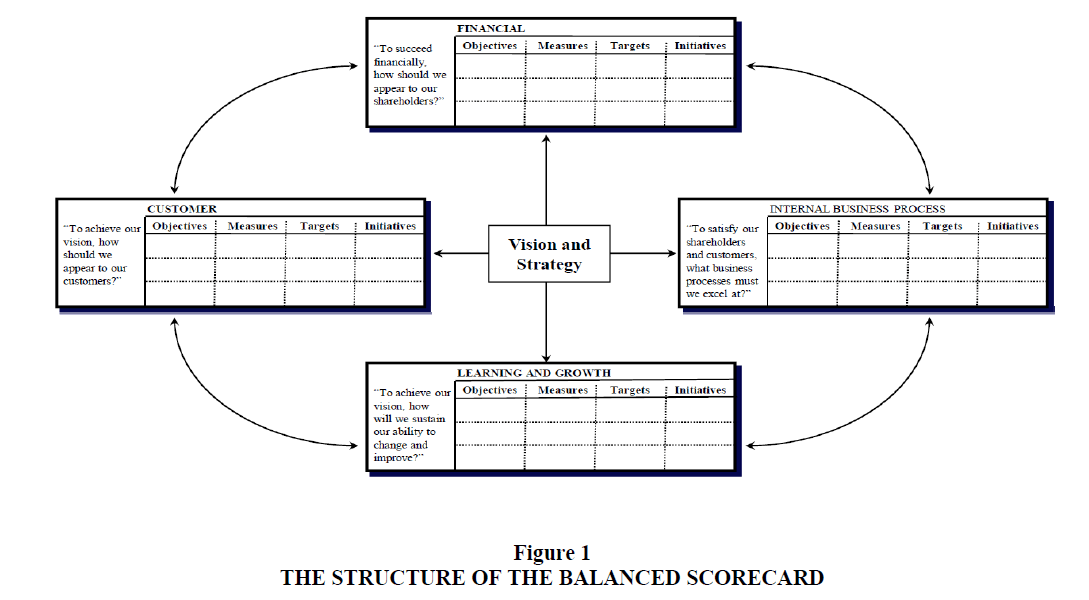
Figure 1 The Structure of the Balanced Scorecard
The BCS describes the causal links between strategic objectives. The idea of causal links between objectives and Balanced Scorecard measures led Kaplan and Norton to implement a strategic map structured as follows see figure 2.
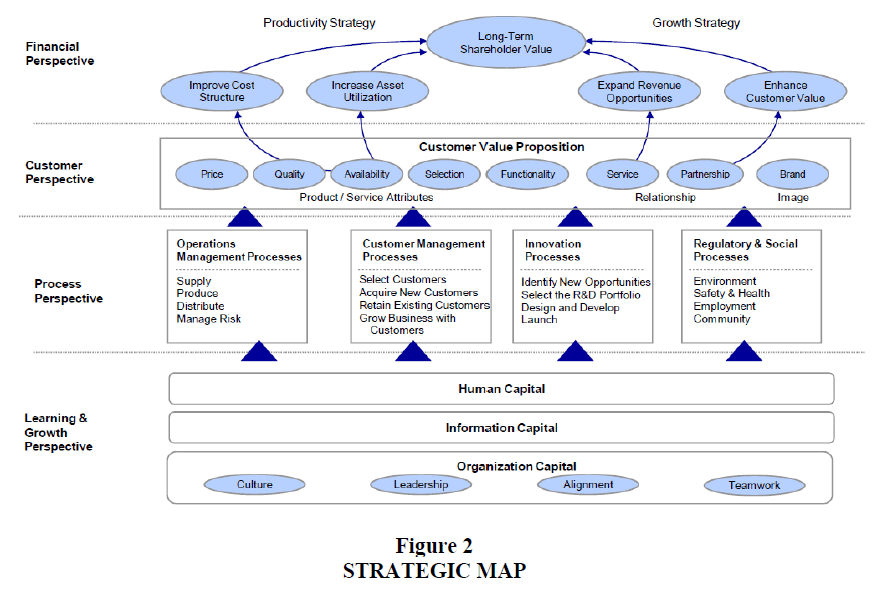
Figure 2 Strategic Map
The authors then identified a weakness in the "Learning & Growth Perspective"; however, the literature has shown how growth in human capital is associated with better financial performance (Huselid, 1995; Becker et al., 1998). Kaplan and Norton then illustrated a management system that links strategic planning to operational execution see figure 3.
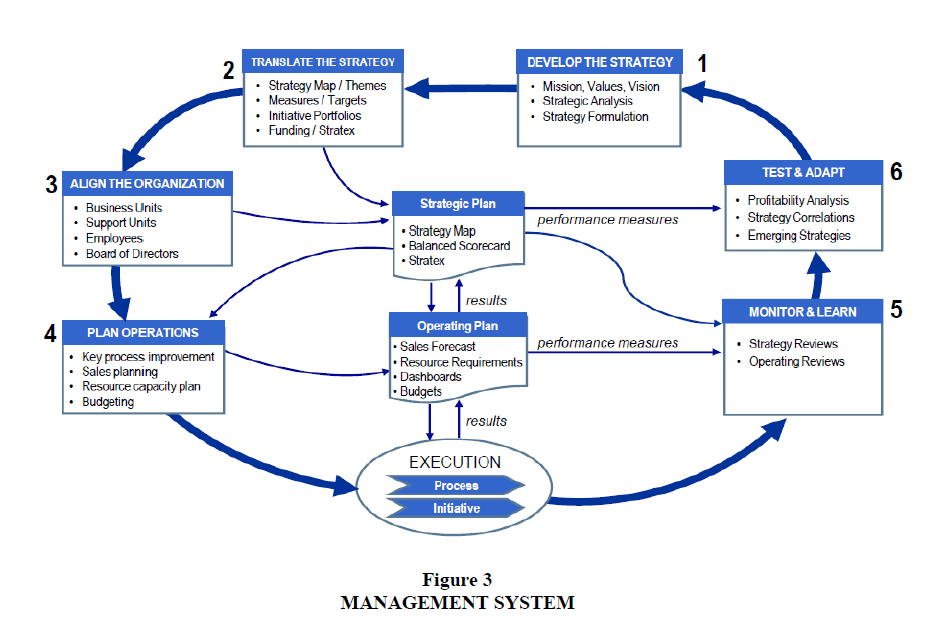
Figure 3 Management System
The conclusion reached by the authors consists of the need for companies to have an OSM (Office of Strategy Management), which is responsible for implementing the corporate strategy. Managers use the Balanced Scorecard primarily for three reasons: to make decisions; coordinate; self-monitoring (E. Wiersma, 2009).
Despite the numerous criticisms received by some scholars regarding the compelling relationship between the various perspectives and the fact that it should focus on future rather than historical performances, the Balanced Scorecard is still a widely used tool in the private sector, especially in developed countries. At the same time, it is still an embryonic tool in developing countries (J. Kumar, N. Prince, H. K. Baker, 2022). For example, an empirical study on banks has shown that, within the same organization, branches that adopt the Balanced Scorecard have superior financial performance (S. Davis, T. Albright, 2004), thus having a positive effect on the company.
Recently developed is a line of literature that places the environmental issue at the center of the Balanced Scorecard theory. In this regard, we speak of the "Sustainability Balanced Scorecard" (SBSC). A systematic analysis of the SBSC architecture was conducted by E. G. Hansen e S. Schaltegger (2016). Furthermore, this new version of the Balanced Scorecard has been applied to the petroleum industry (R. Fernández-González, F. Puime-Guillén, J. E. Vila-Biglieri, 2022). Wanting to summarize a typical structure for the SBSC: the first dimension describes the hierarchy between performance perspectives and strategic objectives and how it is related to the organizational value system. The second dimension describes how sustainability and strategic goals are integrated into SBSC's performance outlook and how this relates to strategic corporate sustainability.
Energy companies: a sector analysis
The energy sector, concerning the production, transformation, transport and distribution of energy sources, increasingly plays a central role in the global economy due to the numerous social, economic and political implications. Consider, for example, the environmental transition and the war between Russia and Ukraine: the latter has generated an unprecedented energy crisis, especially for importing countries. Furthermore, it must be considered that the energy sector has always been characterized by strong public protection, which, in recent years, has had an increase at the national, supranational and international levels, in particular with agreements such as COP26 and Agenda2030. It is helpful to study the behavior of companies operating within the energy sector to outline a sectoral analysis that considers current global events and future trends. The IEA conducted an interesting analysis with the "World Energy Outlook" report. The study shows that in 2020, despite the crisis deriving from the pandemic, renewable energy growth was more significant than in the previous two decades. The data is in line with political and regulatory trends, but the study highlights that investments are not sufficient for the "green" economy to grow constantly. Furthermore, the World Energy Outlook 2021 highlights how, alongside the increase in investments in renewables, world coal consumption is growing, causing CO2 emissions to increase. The report examines two scenarios to understand the developments of the energy sector in the coming years: The Stated Policies Scenario, which represents a path based on the energy policies that governments have already implemented. In this scenario, almost all of the energy demands up to 2050 is met by low-emission sources; the Announced Pledges Scenario, on the other hand, outlines a path in which the net-zero emissions commitments announced so far by governments are implemented on time and in full. In particular, in this scenario, the demand for fossil fuels will peak by 2025, and global CO2 emissions will decrease by 40% by 2050. The study also shows that oil demand is declining in all scenarios examined, although the timing and speed of the decline vary. On the other hand, demand for natural gas will increase in all scenarios over the next five years. Concerning coal, in the Scenario of Announced Commitments, the study estimates a drop in production also due to China's recent announcement that it is suspending its support for constructing coal-fired plants abroad. The report also points out that the extra investment to achieve zero emissions by 2050 is cheaper than expected. More than 40% of the required emission reductions would come from self-financed measures, such as improving energy efficiency, limiting gas leaks or installing wind or solar plants in places where today's latest energy technologies are present generation. The report also estimates the economic benefits deriving from these investments: achieving zero emissions would create a market for wind turbines, solar panels, lithium-ion batteries, electrolyzers and fuel cells of well over 1,000 billion dollars annually by 2050, comparable in size to the current oil market. Suppose you consider the job estimates; the study shows that in the Announced Commitments Scenario, 13 million workers would be employed in clean energy and related sectors by 2030, while that number doubles in the Net Zero Emissions Scenario by 2050. The goal of carbon dioxide (CO2) neutrality by 2050 is in line with efforts to limit the increase in global average temperature to 1.5°C over the long term – a goal that brings with it the necessary transformation of the methods of production, transport and consumption of energy accompanied, of course, by coordinated actions at a global level. It is necessary to recognize the existing differences in the levels of development of the various countries and the different conditions of the various components of society and to provide technical and financial support. In other words, we need a pan-European approach to best use the continent's natural resources.
In any case, the current crisis does not leave EU countries indifferent, which have intended to adopt measures such as:
• Direct interventions to support the population and businesses for energy costs through forms of subsidies and tax breaks;
• Actions are being taken to reactivate old fossil fuel plants, to the related extractive activities, as well as to the search for alternative sources such as hydrogen, nuclear etc.;
• Collaborations between states and trade agreements with third countries.
All this is accompanied by the promotion of competitive markets, increasingly integrated energy infrastructures and greater digitalization. If we exclude the construction sector, the European Union also boasts a reasonable degree of electrification in industry and transport. However, above all, it is the first region in the world to promote these developments holistically, using energy, climate and infrastructure policies to complete a transition to a climate-neutral economy (Lamperti F., Mazzucato M., Roventini A., Semieniuk G., 2019). Furthermore, an integrated energy system will strengthen industrial competitiveness and activities of the whole value chain across Europe. Indeed, each European region has unique advantages and strengths, thanks to which it can play its part in achieving a climate-neutral economy. For regions that use fossil fuels extensively, the European Union has established the Just Transition Mechanism and a specific Just Transition Fund to promote economic diversification and the transition to renewable energy in those territories so that no one is left behind.
On the other side of the world, the wealth of energy sources in Latin America is substantial, making it less dependent on fossil fuels than the world average. This does not exempt these territories from the typical trade-offs of the theme. Brazil, for example, has a very detailed history of the development of its own energy matrix: issues traditionally linked to the environment and sustainability have to deal with positions in defence of economic development promoted by the industrial sector focused on the exploitation of oil sources and the proliferation of hydroelectric plants in the name of progress and well-being. If European countries ask themselves, "how much time is still needed to complete the energy transition?" in Brazil, and throughout Latin America in general, the question is "what to do" to break the verticality of decisions and the concentration of power in the energy system. Instead, from an analysis conducted by McKinsey, it is estimated that electricity consumption will grow significantly through direct electrification and the diffusion of green hydrogen. In this context, renewables will increase rapidly and account for half of the electricity generation by 2035. The peaks in hydrocarbon demand will occur first in 2029 for oil and 2037 for gas. However, fossil fuels will continue to play an essential role in the energy market through 2050, driven by growth in sectors such as chemicals and aviation. At the current rate, the study shows, global greenhouse gas emissions will decrease by about 25% by 2050, bringing the increase in temperature to exceed the threshold of +3.5°C. A study conducted by the EIA also shows how world energy consumption will grow by almost 50% between 2019 and 2050. The sector from which there will be the most significant demand will be the industrial sector: energy consumption in the world grows as the consumption of goods, and by 2050, global industrial energy consumption will reach approximately 315 quadrillion Btu. Concerning the growth of electricity, an increase of 79% is expected, with an increase in use, especially in the residential sector: The most significant consumption - highlights the report - of energy comes mainly from industrialized countries: despite representing 15% of the global population, their energy consumption exceeds 50% of the total energy consumed. Among these, the USA ranks first for per capita energy consumption, while an average citizen consumes less than half of a US inhabitant in Italy. The African continent instead represents 3% of consumption despite the population exceeding one billion people. BP Statistical Review has linked the distribution of the world population with energy consumption, highlighting how this does not reflect the distribution of energy consumption at all. China, the USA and India are responsible for 2⁄3 of the global increase in energy demand. On the other hand, regarding the technological scenario, the IEA WEO also includes a representation of the various energy technologies. Considering the composition of patents in the clean energy sector, what emerges from the study is that the market maturity of some low-carbon energy supply technologies, such as solar photovoltaics, was reflected in an initial period of intense patent activity, which, however, has decreased since 2012. The most active sector regarding innovation was that of transport. On the other hand, the industry has focused heavily on innovation in the field of energy efficiency for industrial production. The report examines energy-related patent applications globally, which can provide an excellent leading indicator of future technology trends. The joint analysis of historical data by the IEA and the EPO shows a clear difference, since 2015, between a continued increase in patents for low-carbon technologies and a decline in patents for fossil fuels. However, it can also be seen that the growth of clean energy patents has slowed down from a decade ago.
In addition, public spending on energy research and development has continued to increase and innovation features in many of the stimulus packages announced by governments, with some $25 billion already committed to significant demonstration projects for low-carbon energy technologies. Still concerning technological innovation, an exciting element is the applications of blockchain technology. A distributed energy resource in the energy industry is replacing the traditional centralized energy supply system. The paper by Qiang W., Rongrong L., and Lina Z. (2021) aims to explore what blockchain technology means for the energy sector from the perspective of basic research and real-world applications. The main findings are as follows: the basic research on blockchain technology in the energy sector is rapidly growing over time, which means that blockchain energy is a growing field of study; China leads basic blockchain research in the energy sector in terms of the total number of publications, institutions and other cited documents and collaborative relationships; applications are mainly concentrated in developed countries, especially in the United States, the European Union and Australia. The big majors and the state companies of the producing countries still dominate the global energy market. Made 100 all the energy available in the world, over three quarters is of fossil origin, more than half is made of oil and gas and the rest coal. At the same time, renewable sources (water, sun, wind) represent only about 5%, to which 9% bioenergy must be added. Again, if we look at the electricity generation mix, the lion's share is coal and gas, this time with a significant share (almost a quarter) for renewables. The picture of final consumption is still different: oil, which dominates transport, alone represents two-fifths of the total, exceeding 56% if we also add gas, used both in buildings and in industry. Finally, electricity covers a fifth of consumption. Given this premise, let's start with oil, gas and coal producers. According to the IEA, in 2020 world oil demand was approximately 91 million barrels per day, the supply of over 93. Of these, according to the data available to the companies, about 10% came from a single producer, the Saudi Arabian state company, which despite the prices at their lowest for years due to the pandemic, has achieved a turnover of over 200 billion dollars. The Russian Rosneft follows at a distance, with 4.4% of production and a turnover equivalent to almost 80 billion dollars. The Brazilian Petrobras follows, along with the Chinese company CNPC, which also has public capital and only now do we encounter specific Western behemoths like BP, Chevron, Shell, and ExxonMobil. Eni, on the other hand, ranks beyond the tenth position. However, when it comes to gas, the corporations from the nations that generate it are once more at the forefront. In the first place, there is the Russian company Gazprom, which in 2020 produced more than a tenth of the gas consumed worldwide and had sales of over 87 billion dollars see figure 4.
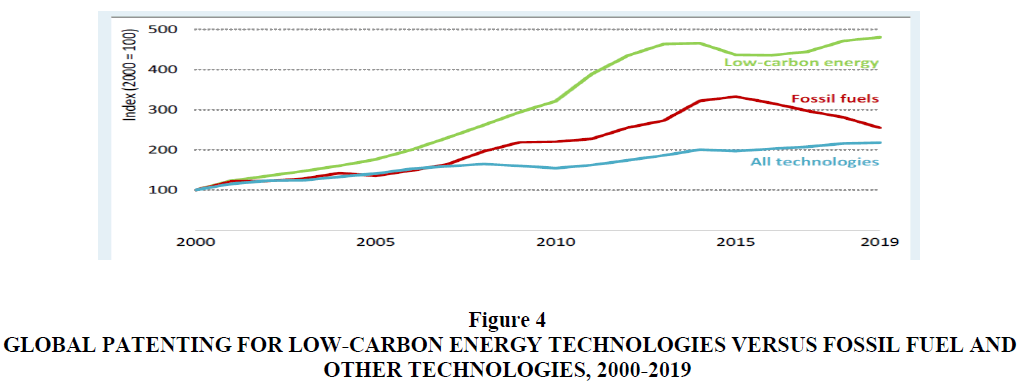
Figure 4 Global Patenting for Low-Carbon Energy Technologies Versus Fossil Fuel and Other Technologies, 2000-2019
Over 51% of the almost 4,000 billion cubic meters of gas extracted in one year came from national corporations, holding 60% of the reserves. Due to the surge in gas extraction during the past ten years, the United States once again leads the individual-producing nations, followed by Russia, Iran, China, Canada, Qatar, and Australia. On the other hand, there is a geographical imbalance regarding coal: of the 7,600 million tons produced in 2020, nearly half are in China, where 52% of the demand is absorbed. Additionally, many of the largest producers in the world are situated here, such as China Shenhua Energy (291 million t), which has an annual revenue of roughly 34 billion dollars. Other significant producers are Mahanadi Coalfields in India (157 million t), Peabody in the United States (105), Suek in Russia (101), which supplies over half of the 400 million t of imports from Europe, Pt Bumi in Indonesia (91) and Glencore in Australia (76). On the other hand, the proportion of alternative sources has had the most significant growth rates in recent years. Additionally, the energy system has been rethought to limit the main sources of CO2 emissions of human origin, namely the burning of oil, coal, and gas. This has been brought about by the climate problem, particularly in the last ten years. Regardless, there has been a significant push in this direction that has affected several levels of the industry, including the financial market, and has caused many operators to re-evaluate their operations. This drive has been felt more in Europe and the West than in emerging nations. Major power utilities have started to concentrate their expansion strategies on new principles for almost ten years now, including fewer large plants, more renewable sources, digital development of local networks, and consumer services. Nevertheless, there has been a considerable push in this direction that has had an impact on all levels of the business, including the financial sector, and has led many operators to review their business strategies. The West and Europe have felt this impulse more than developing countries. Since approximately ten years ago, major power utilities have begun to focus their growth plans on new ideas, such as fewer large plants, more renewable energy sources, the development of local digital networks, and customer services. This trend is reflected in the Top 250 Global Energy Company Rankings' Electric Utilities category, which places companies like Iberdrola and Enel in the front as among the forerunners of this strategy with 2020 revenues of 33 and 65 billion euros, respectively. In the meantime, the drive toward clean sources have fueled the expansion of the relevant industrial sectors and, in some cases, fostered the rise of new industry titans prepared to compete with the established ones for leadership. Since a few years ago, the oil majors have lost their position as the largest companies in the world by market value, with Exxon and Chevron being surpassed by both ICT behemoths and the maker of electric vehicles, Tesla. With the rise of new, crucial locations on the energy map, Asia is the first to stand out as a significant geographical component of the changes currently under progress. China in particular not only has the most spectacular growth in demand, consuming a significant portion of the annual increases in primary source production. Additionally, the People's Republic has made a name for itself as a focal point for many energy transition chains, particularly solar and storage technologies. European and American companies dominate the production of wind turbines, although Chinese companies come in third and fourth. Of the 35 global suppliers, 23—primarily in China and India—are located in the Asia-Pacific area. Additionally, China serves as a major hub for the export of gearboxes, generators, and blades on a global scale. Only two of the top ten solar operators in 2020 (Canadian Solar and First Solar) are not Chinese, and all the major players in the photovoltaic cell industry are Chinese, including Tongwei, Aiko, Runergy, Solar Space, and Shanxi Luan. The electrochemical storage industry (batteries), which is important for future electrical applications, exhibits a less homogeneous pattern while still strongly favoring Asia. On the chemical side, Catl and Byd in China are the two biggest battery manufacturers, followed by Samsung, LG, and SKI in Korea, and Panasonic in Japan. For the West, things are going better in the EPC field, which entails designing, providing, and constructing accumulation systems of various sizes for industrial, network balancing, or domestic uses. Among the leaders in this industry are Fluence, a joint venture between the Korean Samsung and the American Aes, the Finnish Wärtsilä, Nhoa, born in Italy and over time acquired by Engie and then the Taiwanese Tcc, not to mention Tesla. The importance of Asia is still obvious, though. The EU Commission said in a letter on vital raw resources at the end of 2020 that there was an imbalance brought on by the massive investments made by Far Eastern nations in these supply chains and the associated raw materials, which Europe would have to work to balance (Emenike S. N., Falcone G., 2020). The danger is that green technologies could lead to levels of reliance on other nations equal to the one we currently have for fuels. Over 75% of the EU's greenhouse gas emissions are a result of the production and consumption of energy. Decarbonizing the energy sector is therefore essential to reaching the EU's long-term objective of achieving climate neutrality by 2050. In order to "clean" up the EU's energy grid, renewable energy is required. At the same time, increasing the proportion of renewable energy in the energy mix will also help the populace by generating job opportunities across a range of industries. In addition, the EU's renewable energy sector is expected to expand significantly more quickly than previously anticipated given its recent promise to lessen its reliance on imported fuels and its long-term objective of becoming climate neutral. The EU's renewable energy sector generated over 163 billion euros in revenue in 2020, an increase of 9.2% (or about 13.7 billion euros) over 2019. Solar photovoltaics (PV), wind energy, and bioenergy are among the renewable energy sources that have developed companies and big economies both internationally and in the EU. Around 1.3 million people were employed directly or indirectly in the sector in 2020, with heat pumps accounting for 24% of all EU workers engaged in the industry (318,000 jobs), biofuels for 22% (238,000 jobs), and wind energy for 21% (280 400 jobs). From 2019 to 2020, there was a net gain of 65 000 jobs (5.2%). Germany (242.100 jobs, 18% of total renewable energy jobs in the EU), France (164.400 jobs, 13%), Spain (140.500 jobs, 11%), and Italy (99.900 jobs, 8%) were the top 4 nations in terms of employment. People will begin working in fields related to renewable energy technologies in increasing numbers in the upcoming years. The EC is starting a series of video testimonials from individuals sharing their experiences working in different renewable energy plants across the EU in order to raise awareness of renewable energy production and its economic, social, and industrial benefits. The Commission launched the 'Energy Community Archive initiative in April 2022, while the other closely related initiative 'Rural Energy Community Advisory Hub' will be launched in June 2022. These energy community projects will contribute to the dissemination of best practices and will provide technical assistance for developing concrete initiatives in the sector across the EU. According to recent figures produced by the EU, there are currently around 18 million people employed in the energy business worldwide. With strong climate action, that number may increase to 26 million by 2050. The data refute the claim that decarbonization will kill jobs, which is frequently stated by fossil fuel interests and the politicians who support them.
The Chamber also provides an overview with information on the energy situation in Europe: The EU is the largest energy importer in the world, paying more than 400 billion euros a year to import 54% of its needs; The degree of dependence varies between nations; in 2015, the United Kingdom (37.4%) and France (46%), among the five with the most significant energy consumption, were the least reliant on imports, as opposed to Germany (61.9%), Spain (73.3%), and Italy (77.1%);11 Member States (Bulgaria, Cyprus, Germany, France, Ireland, Italy, Poland, Portugal, Romania, Spain, and the United Kingdom) are still below the 10% electricity interconnection target by 2020; of these, seven (Romania, Germany, France, Italy, Bulgaria, Portugal, and Ireland) are implementing projects of common interest (PCIs) for interconnection and grid upgrading, which should allow them to meet the 10% target; Six Member States (Bulgaria, Estonia, Finland, Latvia, Lithuania, Slovakia) import all of their gas from a single external provider; In the gas industry, PCIs seek to fulfill the needs for supply security; The third list of PCIs lists 173 projects, including 53 in the gas industry and 106 related to the transmission and storage of electricity; 5.35 billion euros have been set out within the Connecting Europe facility for trans-European energy infrastructure between 2014 and 2020. Previously, the CEF distributed €647 million to 34 projects in 2014, €366 million to 35 projects in 2015, and €707 million to 27 projects in 2016. 90% of petroleum products, which are used in transportation, are imported; In 2016, 17% of final gross consumption was made up of renewable energy; Over a million people are employed by EU enterprises in the renewable energy sector, which has an annual turnover of 129 billion euros; 75% of the building stock in the EU is low energy efficiency, and 40% of the energy used there is utilized to heat or cool buildings. As a result, wholesale electricity and gas costs in the EU are 30% and 100% higher than in the US.
Empirical analysis, methodology and results
The corporation Saudi Aramco was considered for the study. Two primary factors influenced the decision. First, let's start with why Saudi Aramco came in first place in the S&P Global Commodity Insights Top 250 Global Energy Company Rankings, which determines and ranks publicly traded companies based on their asset value, revenues, profits, and return on invested capital. As a result, the company, in the authors' opinion, fairly represents the reference sector. Second, Saudi Aramco operates in an industry that supranational governments actively target and in an environment that is highly unstable and prone to geopolitical and macroeconomic events (X. Zhou et al., 2023).
It was agreed to conduct an examination of the company's performance for the empirical study, beginning with the most recent balance sheet and corporate reports, and adopt a basic Balanced Scorecard model with the four dimensions suggested by Kaplan and Norton. The balance sheet data refers to the most recent available balance sheet; however, the strategy and corporate objectives correspond to the 2021 Annual Report. In addition to being practical, the decision demonstrates the goal to combine ex-ante analysis with ex-post research to determine whether the objectives were achieved.
In order to trace the business overview and the strategy, it is required to briefly describe the company's general characteristics in the first analysis.
On May 29, 1933, the Saudi government, and Standard Oil of California (Socal) signed a concession agreement, launching Saudi Aramco and the oil era in Saudi Arabia. One of Standard Oil of California's companies, California-Arabian Standard Oil, receives the concession.
After failing to find any results in 1936, the Texas Oil Company purchased 50% of the concession. The business found the first deposit in Dhahran in 1938 after four arduous years of exploration; the well is known as "Dammam number 7". Arabian American Oil Corporation became the new name of the company in 1944. (or Aramco).
The Saudi government took complete control of the business in 1980. The first Saudi president of the corporation was selected in 1983 by Ali bin Ibrahim Al-Naimi. Saudi Arabian Oil Company replaced Arabian American Oil Company as the organization's name in 1988. (or Saudi Aramco). Saudi Aramco eclipsed Apple as the largest publicly traded corporation in the world by market value on May 11, 2022, when a rise in the oil producer's shares exceeded $2.4 trillion. The market value of Aramco was 9.1 billion riyals ($2.43 trillion) after this.
The corporate vision of Aramco, which serves as the foundation for the company's business strategy, envisions it as the first global player in the energy and chemical industries and a firm that runs sustainably and safely. The coal and gas production cycle at Aramco primarily generates value for its shareholders.
The strategic priorities of Aramco are focused on four themes:
• Upstream dominance refers to continuing to be the world's top producer of crude oil;
• Downstream integration refers to the integration of crude oil production and petrochemical refining activities; production, supply, and trading of energy;
• Low Carbon refers to the development of low emission products;
• Localization and the promotion of national champions facilitate the development of a diversified and sustainable energy ecosystem within the Saudi Kingdom.
In 2021, hydrocarbon production was 12.3 million barrels per day. The Upstream and Downstream activities are supported by corporate activities, which include HR, Finance, Legal and IT see figure 5.
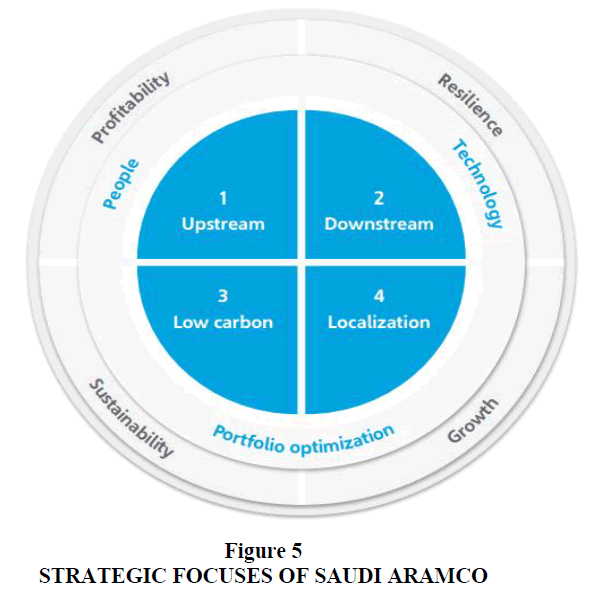
Figure 5 Strategic Focuses of Saudi Aramco
The strategy of Aramco is based on the conviction that there will be a persistent increase in the demand for reasonably priced energy and that oil and gas will still be required to supply that need. As a result, Aramco has provided a strategy for each of the four strategic focuses already mentioned:
• Upstream preeminence: aims to be the critical engine of wealth creation while continuing to be the world's top volume producer of low-cost crude oil. The Company can adapt to variations in demand thanks to its sizable reserve base, reserve capacity, and exceptional operating flexibility;
• When it comes to monetizing its upstream production, the Company has a dedicated system of wholly owned and connected domestic and international refineries. The Company adds value across the hydrocarbon cycle through ongoing strategic integration;
• Low carbon: The Company aims to continue reducing the net carbon emissions from its operations and to support the global energy transition by developing low-carbon products and solutions in the energy, chemicals, and materials sectors;
• Localization and the promotion of national champions: Facilitate the creation of a diversified, sustainable, and internationally competitive energy ecosystem within the Kingdom to maintain the Company's competitiveness and to support the Kingdom's development.
Additionally:
• People: train employees for the challenges the company will face in the future;
• Technologies: innovate, develop, and put into practice techniques to boost competitiveness and offer affordable solutions to sustainability issues;
• Portfolio Optimization:The Company's portfolio is continuously optimized to free up funds for redeployment.
• The creation of value, therefore, takes place in Aramco through four dimensions:
• Profitability: by strengthening its competitive positions through its upstream and downstream activities;
• Resilience: both operational and financial, which enables the Company to pay stable dividends to its shareholders throughout crude oil price cycles and maintain a high investment-grade credit rating;
• Growth: both in its traditional oil and gas business and new businesses;
• Sustainability: incorporated in all its activities
The performance of Saudi Aramco between 2021 and 2022 is highlighted in the basic Balanced Scorecard implementation provided below. Selected KPIs for 2021 and 2022 demonstrates how the company performed in the four areas. The following is immediately made clear: the information provided relates to the third quarters of 2021 and 2022; Values are expressed in millions of Saudi Riyals unless otherwise stated. Learning and growth, customer perspectives, internal business perspectives, and financial perspectives are the variables considered. The KPIs were chosen under the purposes and those that might best reflect performance for each company's goals stated in the 2021 Annual Report. The performance was then assessed, comparing the 2021 KPI to the 2022 KPI see figure 6.
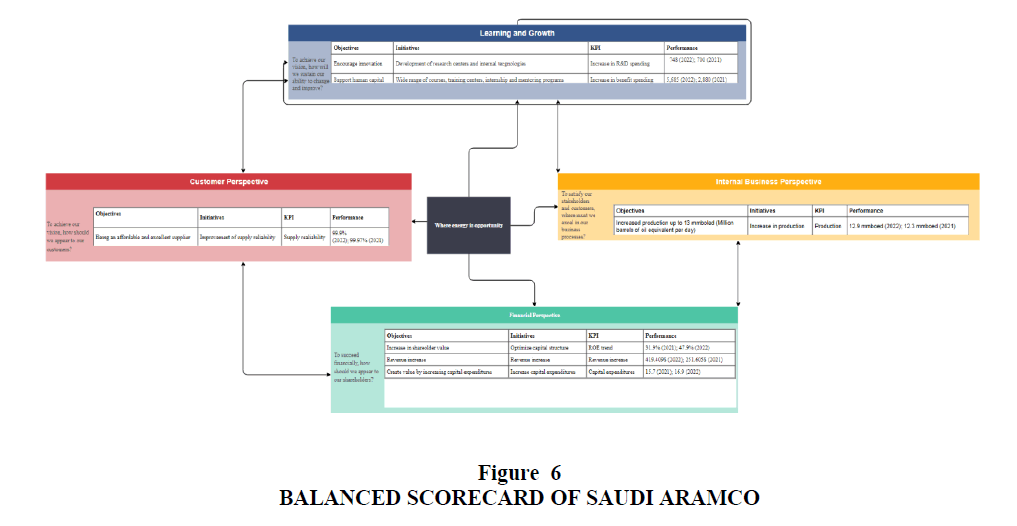
Figure 6 Balanced Scorecard of Saudi Aramco
Conclusion
Finally, it is possible to deduce several essential findings from the study. First and foremost, the study emphasizes the importance of the Balanced Scorecard as a performance measurement tool, including for businesses in the energy sector. This confirms, from an empirical perspective, the theoretical hypotheses of the literature, which view the Balanced Scorecard as avant-garde and helpful in analyzing business strategy and performance. Second, the results of the sector study show that the company has had successful operations, benefiting from the market context, which takes the shape of the two shocks mentioned above (environmental transition and energy crisis). This second evidence can be seen in the revenue trend (growing) and the output trend (increasing and in line with the objectives set). In addition, Saudi Aramco's rising R&D spending can also be highlighted, always in step with market trends. Thirdly, Saudi Aramco's performance demonstrates that the energy sector will continue to grow over the coming years, particularly in the world east.
The research has implications on a theoretical and academic level because it emphasizes the value of the Balanced Scorecard in the energy sector as a tool for analyzing the management control process and measuring company performance in the dimensions suggested by the classic model. It also highlights the relevance of Strategic Management as a system based on attainable goals and on the strengths and weaknesses that characterize the company.
In the second analysis, the study has management repercussions because it advises energy corporations to keep investing in the eastern part of the world and to increase production, given that global energy consumption is expected to rise over the next few years. It is necessary to satisfy this increase in demand also with traditional energy sources, given that investments and the production of renewables will not be sufficient. However, the research also recommends that energy businesses use the Balanced Scorecard to assess their corporate strategy regarding goals and performance. Again, this is from a managerial perspective. Thirdly, it has consequences for investors' decision-making, indicating that they would keep investing in energy companies given their apparent ability to profit from the recent market shocks.
However, the research has limits, deriving above all from the precariousness of market conditions, which could easily vary since both the environmental transition and the energy crisis are volatile and constantly evolving phenomena.
From this point of view, the research may be expanded in the future, particularly in applying the Balanced Scorecard to more case studies and industry sectors to confirm its efficacy across several domains. In terms of the Balanced Scorecard's application, it might be improved by adding, for instance, KPIs on sustainability and evaluating performance in this context, as well as generally strengthening the analysis based on the development of management control theories. The influence of adopting the Balanced Scorecard on the value of companies may also be a significant factor.
References
Becker, B. E. (1998). High performance work systems and firm performance: A synthesis of research and managerial implications. Management/JAI Press.
Campiglione E., Van Der Ploeg F. (2022). Rischi macrofinanziari della transizione verso un'economia a basse emissioni di carbonio. The University of Chicago Press Journal
Charles W. L. Hill, Gareth R. Jones, Melissa A. (2014). Schilling Strategic Management: Theory & Cases: An Integrated Approach. Cengage Learning
Dati finanziari delle imprese considerate. Banca dati ORBIS, a disposizione tramite il servizio proxy del Sistema Bibliotecario di Ateneo.
E. Wiersma (2009). For which purposes do managers use Balanced Scorecards? An empirical study. Management Accounting Research
Emenike, S. N., & Falcone, G. (2020). A review on energy supply chain resilience through optimization. Renewable and Sustainable Energy Reviews, 134, 110088.
Emissioni nette pari a zero entro il 2050 -Una tabella di marcia per il settore energetico globale.
Huselid, M. A. (1995). The impact of human resource management practices on turnover, productivity, and corporate financial performance. Academy of management journal, 38(3), 635-672.
Kumar, J., Prince, N., & Baker, H. K. (2022). Balanced scorecard: A systematic literature review and future research issues. FIIB Business Review, 11(2), 147-161.
Kaplan, R. S., & Norton, D. P. (2005). The balanced scorecard: measures that drive performance (Vol. 70, pp. 71-79). Boston, MA, USA: Harvard business review.
Lamperti, F., Mazzucato, M., Roventini, A., & Semieniuk, G. (2019). The green transition: Public policy, finance, and the role of the state. Vierteljahrshefte zur Wirtschaftsforschung, (2), 73-88.
Qiang W., Rongrong L., Lina Z. (2021). Blockchain technology in the energy sector: From basic research to real world applications. Computer Science Review, 39, 100362.
R. Fernández-González, F. Puime-Guillén & J. E. Vila-Biglieri (2022). Environmental strategy and the petroleum industry: A sustainability balanced scorecard approach. Journal of Petroleum Exploration and Production Technology, 13(2), 763-774.
S. Davis, T. Albright (2004). An investigation of the effect of balanced scorecard implementation on financial performance. Management accounting research, 15(2), 135-153.
World Bank Group. (2022). Commodity Markets Outlook: The Impact of the War in Ukraine on Commodity Markets, April 2022. World Bank, Washington, DC. License: Creative Commons Attribution CC BY 3.0 IGO.
World Energetic Outlook. IEA.
X. Zhou et al. (2023). Zhou, X. Y., Lu, G., Xu, Z., Yan, X., Khu, S. T., Yang, J., & Zhao, J. (2023). Influence of Russia-Ukraine war on the global energy and food security. Resources, Conservation and Recycling, 188, 106657.
Zakeri B., Paulavets K., Barreto-Gomez L., Echeverri L. G. et all. (2021) “Rethinking Energy Solutions”. International Science Council, International Institute for Applied Systems Analysis
Received: 01-Nov-2024, Manuscript No. IJE-24-15575; Editor assigned: 02-Nov-2024, Pre QC No. IJE-24-15575(PQ); Reviewed: 16-Nov-2024, QC No. IJE-24-15575; Revised: 21-Nov-2024, Manuscript No. IJE-24-15575(R); Published: 28-Nov-2024