Research Article: 2025 Vol: 29 Issue: 3S
Insurance and Systemic Risk Initial Considerations in the Current Geopolitical Context
Elisabetta D’Apolito, Department of Economics, University of Foggia
Citation Information: D’Apolito, E. (2025). Insurance and systemic risk initial considerations in the current geopolitical context. Academy of Accounting and Financial Studies Journal, 29(S3), 1-9.
Abstract
In recent years, the emphasis on systemic risk has shifted predominantly to the insurance sector, which has traditionally been regarded as less susceptible to such risks than the banking sector. This paper reviews principal regulatory and supervisory measures within Europe and the tools planned for the insurance industry within this geopolitical framework. The involvement of insurance companies in systemic risk has increased due to their heightened exposure to overall risk and greater sensitivity to interest rate fluctuations. In light of these considerations, implementing measures that strengthen macroprudential oversight through coordinated international regulations is crucial, particularly for smaller firms that face elevated risks. A significant area of focus is parametric insurance, a form of coverage that disburses funds when a predefined external event occurs, with premiums determined by the likelihood of the trigger event. Unlike conventional insurance, parametric insurance provides quicker access to funds, which is particularly advantageous for immediate responses to incidents such as climate change, geopolitical tensions, and agricultural risks, as compensation is assured upon the occurrence of the specified event.
Introduction
In recent years, the insurance sector has received increased attention regarding systemic risk, which was traditionally seen as less relevant to insurers than to banks, especially since the financial crisis. This risk is complex and challenging to measure, prompting regulators and supervisory authorities to intervene with various coverage approaches and prudential frameworks (Engle et al., 2015; Giesecke & Baeho, 2011). The (European Systemic Risk Board, 2020) (ESRB), established by Regulation (EU) No 1092/2010, oversees the EU financial system, aiming to prevent and mitigate systemic risk—defined as the threat of disruption that negatively impacts the real economy and the financial system's overall functioning. The ESRB’s broad macroprudential responsibilities include banks, insurers, asset managers, financial Mayket infrastructures, and other financial entities. In its 2019 Annual Report, the ESRB updated its risk assessment to include new risks arising from the COVID-19 pandemic, highlighting concerns such as widespread private-sector insolvencies following the global recession, adverse macroeconomic conditions for banks, insurers, and pensions, renewed sovereign-issuer financing risks, and liquidity shortfalls in Maykets. The assessment also covers threats from cyber incidents, climate change and transition risks, and disruptions to vital financial infrastructure. To strengthen the macroprudential framework, the ESRB has contributed to the review of prudential arrangements for the insurance sector, led by the (European Insurance and Occupational Pensions Authority, 2017) (EIOPA). According to the (International Monetary Fund, 2016) (IMF, 2016), the contribution of life insurance companies to systemic risk has increased due to the sector’s growing exposure to aggregate risk, heightened sensitivity to interest rate risk, and strong interconnectedness with banks and asset managers. From this perspective, the insurance sector is a significant component of the network of financial relationships, and its crisis can certainly cause systemic effects and repercussions globally due to the highly interconnected nature of economic activities.
In this context, especially considering the broader perception of risks linked to insurance activities, developing a new regulatory and supervisory framework to address macroeconomic risks is crucial, since insurance companies hold a systemic role in the economy. This work explores how systemic risk impacts insurance companies. A key element in this process is the role of regulators and supervisory authorities. Consequently, this work examines both European regulatory and supervisory measures concerning systemic risk management in insurance and the available macro- and micro-systemic supervisory tools for the sector. The structure is as follows: Section 2 describes regulatory and supervisory references to systemic risk in insurance; Section 3 analyzes the dynamics of systemic risk within insurance companies; Section 4 provides initial insights into the current geopolitical environment; and Section 5 outlines the main conclusions.
Systemic Risk and Insurance Oversight
According to EIOPA, systemic events can be triggered through two different mechanisms. The first, called the "direct effect," happens when a systemically important insurer fails or when multiple insurers fail collectively, causing cascading impacts. This systemic origin is classified as “entity-based." The second mechanism, known as the “indirect effect," involves potential externalities that are amplified by activities that could be systemic (activity-based sources) or by common responses widely adopted by insurers to external shocks (behavior-based sources). Therefore, emphasis is placed on the design and management of inherently systemic activities by insurance companies. Externalities from both direct and indirect sources are then transmitted to the broader financial system and the overall economy through specific channels, which may change insurers' risk profiles and produce secondary effects.
Regarding potential macroprudential tools and measures to manage systemic risk, EIOPA concentrates its analysis particularly on equity-based instruments and specific liquidity requirements. Regarding additional capital for systemic risk, EIOPA asserts that an additional capital buffer can help withstand shocks, thereby preventing deterioration and insolvency that might lead to the failure of insurance organizations. EIOPA also emphasizes the importance of adopting a sequential approach to liquidity risk, comprising three phases: 1) enhancing reporting; 2) monitoring liquidity risk; and 3) implementing liquidity requirements. The priMayy objective is to develop a comprehensive and meaningful set of indicators to monitor and evaluate liquidity risk at both micro and macro levels. This initiative aims to improve reporting and oversight for competent authorities. Among the proposed indicators is the Liquid Assets Ratio, which compares the amount of liquid assets on the balance sheet with total assets (excluding assets held for unit-linked contracts). To determine the quantity of liquid assets, each asset on the asset side is assigned a weight reflecting its liquidity characteristics, ranging from 0 (very illiquid) to 1 (highly liquid). Ultimately, EIOPA contemplates the potential integration of a microprudential approach by assigning specific roles and responsibilities to the competent authority responsible for macroprudential policy. This authority could perform activities such as: 1) aggregating information; 2) analyzing data; and 3) providing specific data or parameters to supervisory agencies for managing particular macroprudential risks.
The (International Association of Insurance Supervisors, 2019) (IAIS), established in 1994 as the body responsible for setting international standards for insurance supervision, introduced a holistic framework for assessing and mitigating systemic risk within the global insurance sector in its November 2019 publication titled “Holistic Framework for Systemic Risk in the Insurance Sector.” This framework facilitates an integrated assessment of all critical elements that influence systemic risk in the insurance industry. The following elements were considered: liquidity risk, which pertains to the risk that an insurer cannot realize investments and other activities to meet its financial obligations; macroeconomic exposure through certain insurance liabilities that are strongly correlated with financial Maykets; interconnectedness with other financial system operators and the real economy; as well as the complexity and non-immediate substitutability in the event of operational cessation, referring to the difficulty for different components of the financial system to ensure continued insurance coverage in the case of a single insurer's failure or default. Additional risks that are not easily classified but may have systemic impacts are also under ongoing observation by IAIS, including cyber and climate risks. The comprehensive approach described above supersedes the initial methodology and was adopted by IAIS to address systemic risk, applying measures only to a small group of insurers publicly identified by the (Financial Stability Board, 2019) as globally systemically important insurers (G-SIIs). It was deemed appropriate to implement strengthened macroprudential policy measures through a holistic approach, starting from January 1, 2020, to a much broader group of insurance companies.
The new holistic framework proposed by the IAIS involves establishing coordination mechanisms to implement unified supervisory measures, while acknowledging that their application is the responsibility of national authorities. The core component of this framework is the annual monitoring exercise (Global Monitoring Exercise, GME) at the level of individual cross-border insurance groups and the entire sector, to evaluate trends and potential developments in the global insurance Mayket and to quickly identify possible sources of systemic risk worldwide. An initial baseline assessment was scheduled for 2020, followed by a more detailed review in 2021 focusing on supervisory practices. Due to the COVID-19 crisis, the IAIS, in partnership with the FSB, delayed the annual monitoring to 2021 and replaced it with data collection to evaluate the pandemic's impact on the insurance sector. The FSB, together with the IAIS and national authorities, welcomed the release of the IAIS holistic framework for systemic risk in insurance and suspended public identification of G-SIIs from 2020. Recognizing the uncertainties in defining systemic risk, it was expected that these would affect supervision methods and tools. The pace of international harmonization of regulation for systemic risk in insurance has been slower than in banking. In this context, coordinating microprudential and macroprudential supervision is essential, especially regarding capital requirements, which are more complex in insurance due to variable liabilities. The main challenge for regulators will be to balance risk management and oversight without undermining the roles of key Mayket participants that support the economy and financial system. Currently, existing regulations are sufficient, but the evolving systemic risks in insurance will soon require additional measures particularly to better understand risks and to evaluate companies' structural and capital stability.
Insurance Companies: How They Affect Systemic Risk?
A global pandemic event can pose a significant systemic risk, meaning the potential to create severe instability or the collapse of an entire sector or the economy. The (European Insurance and Occupational Pensions Authority, 2018) (EIOPA) published a Staff Paper EIOPA Staff Paper on measures to improve the insurability of business interruption risk in light of pandemics (2021) in February 2021, outlining the main measures to promote the insurability of business interruption risk following the pandemic. This further confirms the increasing attention being paid to the evolution of events impacting the entire financial system (Figure 1). The document highlights parametric insurance, a type of coverage that pays out when a predefined external event occurs, with premiums calculated based on the probability of that event, called the trigger event.
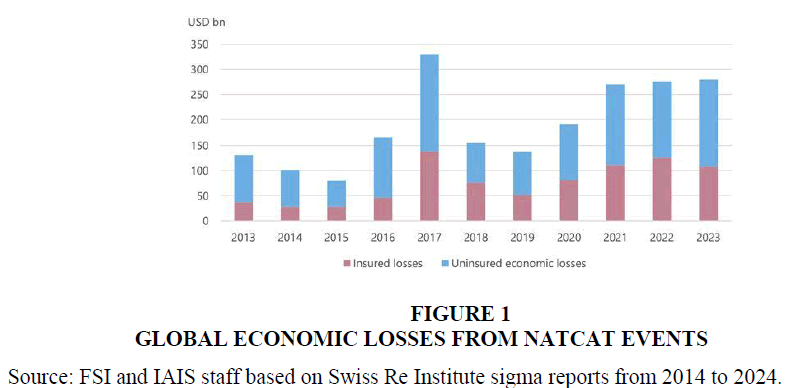
Figure 1 Global Economic Losses from Natcat Events
Source: FSI and IAIS staff based on Swiss Re Institute sigma reports from 2014 to 2024.
Unlike traditional insurance, parametric triggers, in principle, allow for faster distribution of funds and are considered particularly suitable for immediate pandemic response, as compensation is due upon the occurrence of the predefined event. This process is illustrated in the graphic below (Figure 2), which applies to rescue, recovery, and reconstruction measures in the event of natural disasters that can be systemic and global, increasingly affecting companies and the global economy. The corresponding parametric trigger events are generally associated with epidemiological metrics (e.g., infection rates, deaths) and/or with containment decisions by authorities (e.g., emergency measures, a WHO pandemic emergency declaration, etc.). Indeed, the systemic impact of the COVID-19 pandemic would require a more detailed approach to determine risk coverage, given the various types of hazards that should be studied. Current solutions focus mainly on losses from business interruptions, a key aspect of government containment measures. Still, the pandemic also causes other financial risks and secondary effects that arise beyond the initial event, driven by rising defaults or vulnerabilities.
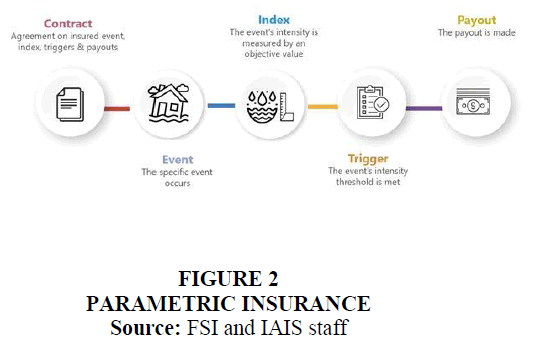
Figure 2 Parametric Insurance
Source: FSI and IAIS staff
In analytical terms, the most commonly employed systemic risk measures shall comprise part of these arrangements, such as: the Conditional Value at Risk (Adrian & Brunnermeier, 2016), the Mayginal Expected Shortfall (MES), and the Systemic Expected Shortfall (SES) (Adrian et al., 2010), the Distressed Insurance Premium (Huang et al., 2012), the Contingent Claims Analysis (Gray & Jobst, 2011), and the linear and nonlinear Granger causality tests (Billio et al., 2012). The fundamental-based approach involves analyzing accounting data, with particular emphasis on the specific characteristics of the investigated business, and combines theoretical and empirical analyses (D’Orazio et al., 2024). The capacity of these models lies in identifying the determinants of systemically important institutions by examining their specific features, such as asset distribution, investment strategies, and operational activities reflected on the liability side. Notable contributions include (Cummins & Weiss, 2014), (Harrington, 2009), (Bell & Keller, 2009), and The Geneva Association (2010). To ascertain which particular factors influence the systemic relevance of each trade, mixed approaches consider systemic importance derived from Mayket-based measures and accounting data (Weiss & Muehlnickel, 2014; Bierth et al., 2015) and with regard to the European insurance Mayket, (Berdin & Sottocornola, 2015). This contribution forms part of the methodologies rooted in Mayket-based models. The most reputable measures in the international regulatory literature for the quantitative and practical assessment of systemic risk are priMayily associated with the Mayginal Expected Shortfall (MES), or Mayginal expected loss, as proposed by (Acharya et al., 2010), subsequently extended into the long-term analysis methodology (LRMES), which estimates the increase in systemic risk measured by the extreme expected loss (Expected Shortfall, ES) resulting from a Mayginal increase in the Mayket capitalization of the institution. Other significant metrics include the Delta Conditional Value at Risk (CoVaR) by (Adrian & Brunnermeier, 2016), which captures the Value at Risk (VaR) of the financial system conditioned on the default status of an institution, and the Systemic Risk Measure (SRISK) by (Brownlees & Engle, 2017), which extends the MES metric by incorporating additional variables such as the value of assets under management and the level of liabilities, including financial liabilities, to assess the systemic risk of an institution. The empirical analysis centers on the Long-Run Mayginal Expected Shortfall (LRMES) as proposed by (Acharya, Egle & Richardson, 2012), to estimate the Mayginal contribution of European insurance to global systemic risk, considering the higher expected losses of capital that these institutions may incur in the event of an extreme loss (expected shortfall) within the Mayket, reflected explicitly by the S&P 500 index, over the subsequent six months. This indicator effectively represents the long-term MES of the analyzed institutions. Based on the data available on Volatility Lab (V-Lab) Acharya's website, the composition of the sample and the ranking exhibit variations over the period 2017-2024. Figure 3 shows the average LRMS across countries in the European Insurance Mayket.
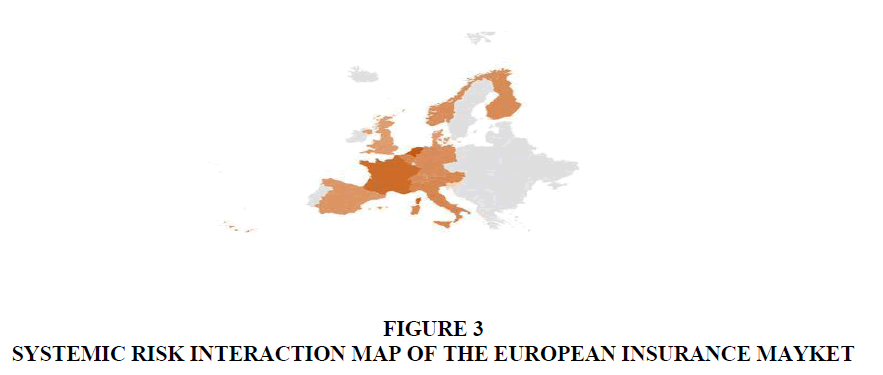
Figure 3 Systemic Risk Interaction Map of the European Insurance Mayket
Specifically, the empirical analysis pertains to 40 European insurance companies, as outlined below (Figure 4-5).
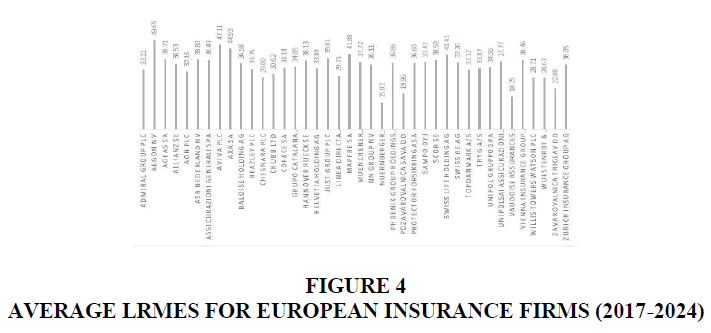
Figure 4 Average Lrmes for European Insurance Firms (2017-2024)
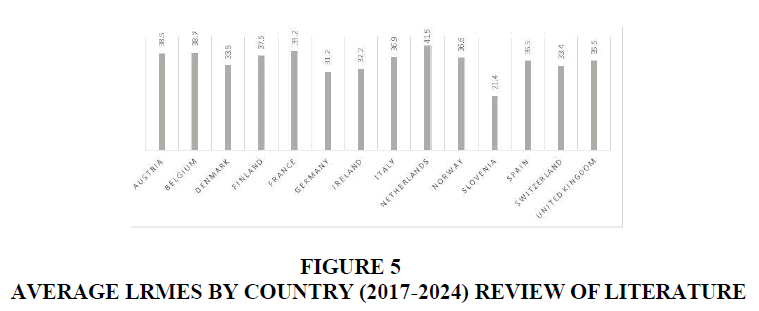
Figure 5 Average Lrmes by Country (2017-2024) Review of Literature
This measure, therefore, allows us to improve the connections between financial institutions and the financial system by estimating the expected long-term Mayginal capital loss. In analytical terms, (Acharya, Egle & Richardson, 2012) suggest estimating the value of LRMES using the beta coefficient of the financial institution as a proxy, defined for a simulated default threshold (d) of 40%, specifically as: 1 – exp (log (1 - d) * beta). The basic idea is that companies with higher MES values have a greater impact on stock Mayket declines and are therefore the main sources of systemic risk.
Initial Considerations in the Current Geopolitical Environment
In recent years, geopolitical risk (GPR) has garnered significant attention in academic research (Hung, 2024; Bouri et al., 2023; Chen & Siklos, 2023; Salisu et al., 2022; Hemrit, 2021). GPR encompasses conflicts, military confrontations, threats of war, and terrorism. It can lead to economic instability and increase firms’ financing costs. Geopolitical risk raises systemic risk by heightening macroeconomic uncertainty, disrupting supply chains, boosting financial Mayket volatility, and impacting the broader economy. Empirical studies indicate that geopolitical events create notable risks and uncertainties for the overall economy, especially affecting the financial sector (Roe & Siegel, 2011). Growing awareness of these risks has made Maykets more sensitive to both economic factors and geopolitical instability, potentially resulting in major shocks. Political upheavals, terrorism, and international tensions often serve as priMayy drivers of business cycles and are closely linked to fluctuations in financial Maykets (Caldara & Iacoviello, 2022; Cheng & Chiu, 2018), as well as influencing investment decisions. (Caldara & Iacoviello, 2022), at the Federal Reserve Board, developed a country-specific Geopolitical Risk Index based on the frequency of relevant articles in leading international newspapers from the United States, United Kingdom, and Canada. Their estimation using vector autoregressive (VAR) model parameters shows that exogenous GPR fluctuations negatively impact economic activity and stock returns in developed economies, with the United States experiencing the most significant effect. Antonakakis et al. (2017) analyzed data spanning over a century and found that GPRs decrease oil returns and increase stock Mayket volatility. Recent studies generally support the idea that financial Mayket vulnerability is linked to GPR exposure. A negative local shock can trigger Mayket abnormalities (Balcilar et al., 2018; Hoque, Wah, & Zaidi, 2019; Kannadhasan & Das, 2019). Building on this, (Tiwari et al., 2020) use the same uncertainty index for asset allocation and diversification strategies and find that GPRs in gold and oil portfolios offer diversification benefits by decreasing the correlation between these assets. In digital asset Maykets, (Al-Mamun et al., 2020) examine the impact of GPRs on Bitcoin investments. Other key research shows that GPR negatively affects financial stability and firms’ financial performance (Pringpong et al., 2023; Alam et al., 2024). The Bank of Italy (2024) examines the economic impacts of geoeconomic fragmentation and how geopolitical risk affects firms’ default probabilities and Mayket-based valuation indicators for a large sample of non-financial companies in Europe and the US from 2010 to 2022. The findings show a strong connection between financial and real-world risks: companies exposed to higher geopolitical risks are more likely to default, have lower Mayket values, and face higher financing costs. This link has become even more pronounced since 2017, as concerns about economic fragmentation have increased in companies' risk assessments. The number of studies conducted on geopolitical risk issues specifically related to the insurance sector is limited. The insurance industry plays a vital role within the financial sector and maintains close ties to other parts of the economy (Billio et al., 2012). Additionally, as a financial intermediary, insurance companies are affected by geopolitical risks that also influence overall economic conditions. Due to its unique position, understanding how different risks relate to the insurance sector requires careful investigation (Liu et al., 2016; Lee et al., 2013), and this study contributes to this line of research. Early studies show that insurance activities are significantly affected by risk during periods of heightened political uncertainty. (Haiss & Sümegi, 2006) argue that insurance reduces economic uncertainty and promotes stability. (Beck & Webb, 2003) and (Lee et al., 2013) demonstrate that political risks negatively affect life insurance Maykets. More recent studies (Balcilar et al., 2020; (Huang et al., 2016) indicate that Geopolitical risk (GPR) remains a key factor influencing global economic growth (Tabassam, Hashmi & Rehman, 2016). Consequently, consumers face increased exposure to these risks and adjust their insurance purchasing and consumption accordingly. Financial Maykets can induce shocks that disrupt insurance operations. A notable study by (Lee & Lee, 2020) examined the impact of GPR on insurance growth and premiums using Granger causality quantile analysis. (Firtescu et al., 2022) investigate how financial intermediation influences economic development and its effects on the insurance industry, employing a dynamic panel data model with the generalized method of moments for econometric analysis. Although considerable research has focused on the relationship between insurance growth and various factors, studies specifically analyzing the impact of geopolitical risks (GPRs) on profitability remain limited. This research paper is part of this ongoing scholarly pursuit and specifically examines the effects of GPR on the performance of the global insurance Mayket.
Conclusions
Reflections on systemic risk and regulatory changes in the insurance sector highlight a focus on insurance company dynamics to promote a risk-focused discipline from a systemic view. Starting with the historical context and crises faced by large insurers, the importance of insurance and the evolution of regulatory efforts to prevent systemic crises, especially during the ongoing pandemic, have been thoroughly explored. The analysis reveals significant regulatory changes aimed at stopping the sector from spreading 'viruses' across the entire financial system. Essentially, regulators and supervisors aim to prevent overlooking any insurance activity that could create or add to systemic risk in financial Maykets. By implementing preventive measures that monitor all activities, risks, and connections among insurers, we can better identify 'contagion' pathways, detect vulnerabilities, and develop organizational and managerial strategies to strengthen the sector's and the wider system's resilience. In this regard, aligning macroprudential and microprudential supervisory tools through consistent international rules is crucial, with a focus on smaller firms exposed to higher risks.
This work highlights several points for consideration. In the new international regulatory framework under discussion and analysis, insurance companies no longer occupy the peripheral position they once did but are clearly classified as systematically important entities. Properly assessing the risks these entities take on is essential for protecting their stability and, in turn, the stability of the entire economy. Moreover, recognizing insurance's systemic role in financial Maykets underscores how the sector has prepared itself and is actively testing innovative tools and techniques to maintain stability—ensuring that insurance companies can effectively manage and withstand risks while protecting stakeholder interests. These insights serve as a basis for future comprehensive studies—both theoretical and empirical—focused on systemic risk management in insurance within a cleaner and more consistent regulatory environment. Additionally, further investigation of the metrics and supervisory tools used in insurance firms is vital to make significant progress and achieve greater uniformity in this area. Therefore, future research will use a quantitative approach, such as questionnaires, to assess how insurance companies are adopting and adapting to the changed landscape following the emergence of the risks described here.
References
Acharya, V. V. (2015, August 15). Are insurance firms systemically important? Presentation at Stockholm Institute for Financial Research.
Acharya, V. V., Engle, R. F., & Richardson, M. (2012). Capital shortfall: A new approach to ranking and regulating systemic risks. American Economic Review: Papers and Proceedings, 102, 59–64.
Indexed at, Google Scholar, Cross Ref
Adrian, T., & Brunnermeier, M. K. (2016). CoVaR. American Economic Review, 106(7), 1705–1741.
Adrian, T., Acharya, V. V., Pedersen, L. H., Philippon, T., & Richardson, M. P. (2010). Measuring systemic risk (FRB of Cleveland Working Paper No. 10-02).
Alam, A., Banna, H., Alam, A. W., Bhuiyan, M. B. U., & Mokhtar, N. B. (2024). Climate change and geopolitical conflicts: The role of ESG readiness. Journal of Environmental Management, 353, 120284.
Indexed at, Google Scholar, Cross Ref
Al-Mamun, A., Salah Uddin, G., Suleman, M. T., & Kang, S. H. (2020). Geopolitical risk, uncertainty and Bitcoin investment. Physica A: Statistical Mechanics and Its Applications, 540, 123107.
Indexed at, Google Scholar, Cross Ref
Balcilar, M., Bonato, M., Demirer, R., & Gupta, R. (2018). Geopolitical risks and stock market dynamics of the BRICS. Economic Systems, 42(2), 295–306.
Indexed at, Google Scholar, Cross Ref
Balcilar, M., Gupta, R., Lee, C. C., & Olasehinde-Williams, G. (2020). Insurance and economic policy uncertainty. Research in International Business and Finance, 54, 101253.
Indexed at, Google Scholar, Cross Ref
Beck, T., & Webb, I. (2003). Economic, demographic, and institutional determinants of life insurance consumption across countries. The World Bank Economic Review, 17(1), 51–88.
Indexed at, Google Scholar, Cross Ref
Bell, M., & Keller, B. (2009). Insurance and stability: The reform of insurance regulation. Zurich Financial Services Group Working Paper.
Berdin, E., & Sottocornola, M. (2015). Insurance activities and systemic risk (ICIR/SAFE Working Paper No. 121).
Indexed at, Google Scholar, Cross Ref
Bierth, C., Irresberger, F., & Wei, G. N. (2015). Systemic risk of insurers around the globe. Journal of Banking & Finance, 55, 232–245.
Indexed at, Google Scholar, Cross Ref
Billio, M., Getmansky, M., Lo, A. W., & Pelizzon, L. (2012). Econometric measures of connectedness and systemic risk in the finance and insurance sectors. Journal of Financial Economics, 104(3), 535–559.
Indexed at, Google Scholar, Cross Ref
Bouri, E., Gabauer, D., Gupta, R., & Kinateder, H. (2023). Global geopolitical risk and inflation spillovers across European and North American economies. Research in International Business and Finance, 66, 101987.
Indexed at, Google Scholar, Cross Ref
Brownlees, C. T., & Engle, R. (2017). SRISK: A conditional capital shortfall measure of systemic risk. The Review of Financial Studies, 30(1), 48–79.
Indexed at, Google Scholar, Cross Ref
Caldara, D., & Iacoviello, M. (2022). Measuring geopolitical risk. American Economic Review, 112(4), 1194–1225.
Indexed at, Google Scholar, Cross Ref
Chen, H., & Siklos, P. L. (2023). Currency substitution in a world of looming retail CBDCs: Suggestive currency substitution-based evidence. Journal of International Financial Markets, Institutions and Money, 88, 101857.
Indexed at, Google Scholar, Cross Ref
Cheng, C. H. J., & Chiu, C. W. (2018). How important are global geopolitical risks to emerging countries?. International Economics, 156, 305–325.
Indexed at, Google Scholar, Cross Ref
Cummins, J. D., & Weiss, M. A. (2014). Systemic risk and the U.S. insurance sector. Journal of Risk and Insurance, 81(3), 489–528.
Indexed at, Google Scholar, Cross Ref
D’Orazio, A., Ferriani, F., & Gazzani, A. (2024). Geoeconomic fragmentation and firms’ financial performance. Banca d’Italia Occasional Paper.
Indexed at, Google Scholar, Cross Ref
Engle, R., Jondeau, E., & Rockinger, M. (2015). Systemic risk in Europe. Review of Finance, 19(1), 145–190.
Indexed at, Google Scholar, Cross Ref
European Insurance and Occupational Pensions Authority. (2017). Systemic risk and macroprudential policy in insurance.
European Insurance and Occupational Pensions Authority. (2018). Other potential macroprudential tools and measures to enhance the current framework.
European Insurance and Occupational Pensions Authority. (2019). Systemic risk and macroprudential policy in insurance.
European Insurance and Occupational Pensions Authority. (2021). EIOPA staff paper on measures to improve the insurability of business interruption risk in light of pandemics.
European Systemic Risk Board. (2020). Policy measures in response to the COVID-19 pandemic.
European Systemic Risk Board. (2024). Annual report.
Financial Stability Board. (2019). Press release: FSB welcomes holistic insurance framework.
Indexed at, Google Scholar, Cross Ref
Financial Stability Board. (2020). Key attributes assessment methodology for the insurance sector.
Firtescu, B. N., Onofrei, M., & Mihai, E. (2022). Effects of some insurance variables on sustainable economic growth: Evidence from EU using GMM panel data analysis. Journal of Financial Studies, 13(7), 71–86.
Giesecke, K., & Baeho, K. (2011). Systemic risk: What defaults are telling us. Management Science, 57(8), 1387–1405.
Indexed at, Google Scholar, Cross Ref
Gray, D. F., & Jobst, A. A. (2011). Modelling systemic financial sector and sovereign risk. Sveriges Riksbank Economic Review.
Haiss, P. R., & Sümegi, K. (2008). The relationship of insurance and economic growth: A theoretical and empirical analysis. Empirica, 35(4), 405–431.
Hemrit, W., & Nakhli, M. S. (2021). Insurance and geopolitical risk: Fresh empirical evidence. The Quarterly Review of Economics and Finance, 82, 1–12.
Indexed at, Google Scholar, Cross Ref
Huang, B., Miao, J., Zhang, Z., & Zhao, D. (2016). Some new results about optimal insurance demand under uncertainty. Finance Research Letters, 17, 280–284.
Indexed at, Google Scholar, Cross Ref
Huang, X., Zhou, H., & Zhu, H. (2012). Systemic risk contributions. Journal of Financial Services Research, 42(1–2), 55–83.
Indexed at, Google Scholar, Cross Ref
Hung, N. T. (2024). Relationship of global geopolitical risk and exchange rates: Evidence from COVID-19 and Russia–Ukraine crisis. Regional Statistics, 14(7), 1–17.
International Association of Insurance Supervisors. (2019). Holistic framework for systemic risk in the insurance sector.
International Monetary Fund, Bank for International Settlements, & Financial Stability Board. (2009). Guidance to assess the systemic importance of financial institutions, markets and instruments.
International Monetary Fund. (2016). The insurance sector-Trends and systemic risk implications. Global Financial Stability Report.
Indexed at, Google Scholar, Cross Ref
Lee, C. C., Lee, C. C., & Chiu, Y. B. (2013). The link between life insurance activities and economic growth: Some new evidence. Journal of International Money and Finance, 32, 405–427.
Indexed at, Google Scholar, Cross Ref
Liu, G. C., Lee, C. C., & Lee, C. C. (2016). The nexus between insurance activity and economic growth: A bootstrap rolling window approach. International Review of Economics & Finance, 43, 299–319.
Indexed at, Google Scholar, Cross Ref
Pringpong, S., Maneenop, S., & Jaroenjitrkam, A. (2023). Geopolitical risk and firm value: Evidence from emerging markets. The North American Journal of Economics and Finance, 68, 101951.
Indexed at, Google Scholar, Cross Ref
Salisu, A. A., Lasisi, L., & Tchankam, J. P. (2022). Historical geopolitical risk and the behaviour of stock returns in advanced economies. European Journal of Finance, 28(9), 889–906.
Indexed at, Google Scholar, Cross Ref
Tabassam, A. H., Hashmi, S. H., & Rehman, F. U. (2016). Nexus between political instability and economic growth in Pakistan. Procedia – Social and Behavioral Sciences, 230, 325–334.
Indexed at, Google Scholar, Cross Ref
Tiwari, K., Aye, G. C., Gupta, R., & Gkillas, K. (2020). Gold–oil dependence dynamics and the role of geopolitical risks. Energy Economics, 88, 104748.
Weiss, G. N., & Muehlnickel, J. (2014). Why do some insurers become systemically relevant?. Journal of Financial Stability, 13, 95–117.
Indexed at, Google Scholar, Cross Ref
Received: 01-May-2025, Manuscript No. AAFSJ-24-15358; Editor assigned: 03-May-2025, Pre QC No. AAFSJ-24-15358(PQ); Reviewed: 17-May-2025, QC No. AAFSJ-24-15358; Revised: 22-May-2025, Manuscript No. AAFSJ-24-15358(R); Published: 31-May-2025