Research Article: 2026 Vol: 30 Issue: 1
A Qualitative Comparative Analysis of Paid, Owned, and Earned Media: Key Attributes Shaping Consumer Brand Attitude on Social Media
Priyanka Sharma, Devi Ahilya University, Indore (MP)
Amit Kumar, IPS Academy, IBMR Indore (MP)
Shailesh Singh Thakur, IPS Academy, IBMR Indore (MP)
Parul Sharda, Medicaps University, Indore (MP)
Citation Information: Sharma, P., Kumar, A., Singh Thakur, S., & Sharda, P. (2026) A qualitative comparative analysis of paid, owned, and earned media: key attributes shaping consumer brand attitude on social media. Academy of Marketing Studies Journal, 30(1), 1-16.
Abstract
The study focuses on investigating the best media combination using POEM framework to build a positive brand attitude of consumers. These media types include paid media (such as advertisements or sponsored posts), owned media (content created and shared by the company on its platforms like websites and social media), and earned media (content generated by external sources, such as influencers or customers, who discuss the brand). The study aims to comprehend that how these three media work together and influence consumer perceptions towards the brand. The research is based on the POEM model, which helps to assess the effectiveness of different types of media combination in shaping consumer attitudes. It takes a configurational approach, meaning it does not look at each media type separately but instead analyzes how different combinations of media contribute to brand perception. The study applies “fuzzy set qualitative comparative analysis (fsQCA)” a method used to recognize trends and circumstances that result in positive brand attitudes and SEM model to understand the structural relationship of each media combination with the formation of brand attitude. Using ‘stratified sampling technique’ 189 responses have been gathered. Findings extracts three media combination with goal and key elements- PMOM (Goal- Promotion of Brand Intent) key element ‘informativeness’, OMEM (Goal- Show Brand Association) key element ‘brand sophistication’ and EMPM (Goal- Motivate Consumer Sponsored Communication) key element ‘create brand community’.
Keywords
Paid-Media, Owned-Media, Earned-Media, Brand Attitude, Brand Community.
Introduction
Brands effectively use popular platforms of social-media to enhance their brand image, which is reflected in the way consumers perceive their brand. A positive brand attitude is a critical factor for driving higher profits. For instance, when consumers reflect favorable perception about a brand, they certainly respond loyalty and opt for that brand's products instead of purchasing similar offerings from competitors (Aaker and Jacobson 2001, Xie and Lee 2015, Zhang and Mao 2016). To form a positive brand attitude firms are favorably rely on- paid, owned, and earned media, which broadly includes Instagram, Facebook etc. (Stephen and Galak 2012). In 2018, U.S. companies were projected to invest about USD24 bn in paid media according to US Social trend, and roughly around USD2 bn in influencer-marketing (earned media) persistently active on owned media through their own social media accounts (Osman, M.,2018). Despite these significant investments, there remains a lack of clarity, both in practice and theory, with respect to optimally predict consumers’ response to these (Alves, et al. 2016). It is still dicey about the role and contribution of each media and its attributes for shaping a positive brand perception. Getting a knowledge of each media contribution is crucial in order to design optimal media strategy. Such insights would enable businesses to strategically allocate their advertising budgets across paid-owned-earned media, ensuring the optimal use of each type in the right context.
To address this gap in existing research, our study explores the question:
In What Ways do Paid-Owned-Earned Media Affect Consumers' Views on a Brand?
The Advertising Value Model (AVM) (Ducoffe, 1996) provides a theoretical framework for understanding consumer responses to different types of media (Dao, et al., 2014; Zhang, 2011). Within this framework, consumers evaluate factors such as entertainment value, informativeness, irritation potential, media credibility, and product involvement (Brackett and Carr, 2001; Dao, Nhat Hanh Le, Ming-Sung Cheng, and Chao Chen, 2014; Kim, Kim, and Park, 2010). These five elements collectively shape how consumers assess media, which in turn influences their attitudes toward a brand (Goh, and Ping, 2014). Previous research suggests that the relationships between these factors are likely to be irregular, rather than regular (Liu, Mezei, Kostakos, and Li, 2017; Polites, et al. 2017). To address this complexity, we employ a configurational approach using fuzzy set QCA (fsQCA), which is designed to model asymmetric relationships among these attributes (Misangyi, Greckhamer, Furnari, Fiss, Crilly, and Aguilera, 2017). This method enables us to understand that a brand's attitude is influenced not by a single attribute in isolation, but by the interaction of multiple factors.
The current research makes a meaningful contribution to the field of SMM (social media marketing) by analyzing several unique sets of essential attributes, each fostering a positive brand attitude, although the attributes vary. Additionally, we highlight the critical attributes required for each media type—paid, owned, and earned—demonstrating that certain elements are crucial for cultivating a positive brand perception. In doing so, the study develops a comprehensive understanding for paid, owned, and earned media that offers valuable insights for businesses. This typology can help organizations optimize their use of these media types, enabling more efficient resource allocation and improving their overall brand communication strategies Tables 1& 2.
| Table 1 Poem Explained | ||
| Media Type | Definition | Example |
| Paid media | When an organization buy ad space on any media platform is called paid media. | Ads that appear before a YouTube video, promoted tweets, newspaper ads, and similar forms of advertising. |
| Owned media | When an organization use its own platform for advertising and promotion. | A corporate website or an endorsed online community. |
| Earned media | When an organization gains advantages from customer recommendations or media coverage. | Retweet/share/tag of an ad campaign, blog reviews, and product recommendations on social media platforms. |
| Table 2 Online Media and Roles | |||||
| Media type | Definition | Examples | The role | Benefits | Challenges |
| Paid media | Brand pays to utilize a channel | Display ads, paid search, sponsorships | Shifts from being foundational to acting as a catalyst that fuels owned media and generates earned media | Boost demand, Promote impulse buying, scale, control |
Confusion, declining response rates, poor credibility |
| Owned media | Channel controlled by the brand | Website, mobile app, blog, Twitter account | Built long-term relationships with existing customers. | Control, cost efficiency, longevity, versatility, niche audiences | No guarantees, company communication may not be trusted, takes time to scale |
| Earned media | When customers act as the channel | Word-of-mouth, buzz, "viral" | Listen and respond – earned media often stems from Well-coordinated owned and paid media. | Most credible, key role in sales, transparent, and enduring. | No control, potential for negativity, scale challenges, difficult to measure. |
Historically, marketers mainly depended on paid and earned media for brand communication. However, in recent years, they have progressively embraced owned and shared media, like Facebook, to engage with and interact directly with customers (Armano, 2010).
Literature Review
The POEM Structure
The incorporation of terms such as "paid media, owned media , and earned media" in the revised definition of advertising highlights the increasing importance of the POEM approach within the industry. While it has gained widespread adoption, there continues to be debate about how it aligns with traditional marketing communication categories. Referring to the existing definitions of Advertising and Public Relations (PR), paid media corresponds with the conventional understanding of Advertising, owned media refers to communication through websites and social media, and earned media is more closely associated with public relation (Stephen & Galak, 2012). The diversity of these touchpoints and their integration illustrate the complex, multi-channel, and nonlinear journey that modern consumers experience (Lemon & Verhoef, 2016).
The POEM framework is widely recognized as an effective tool for understanding the interconnectedness of various marketing activities and visually demonstrating these relationships. Green (2011) emphasizes the importance of integrating the POEM framework, noting that the primary focus of paid media is to lead customers toward the earned and owned media, with effective integration being crucial for achieving this transition. This idea is demonstrated in the below Figure 1, which shows how these three media overlaps and perform (Owyang, 2012). Like, influencers who are sponsored (paid media) to discuss a brand may spark additional conversations among their audience, generating earned media.
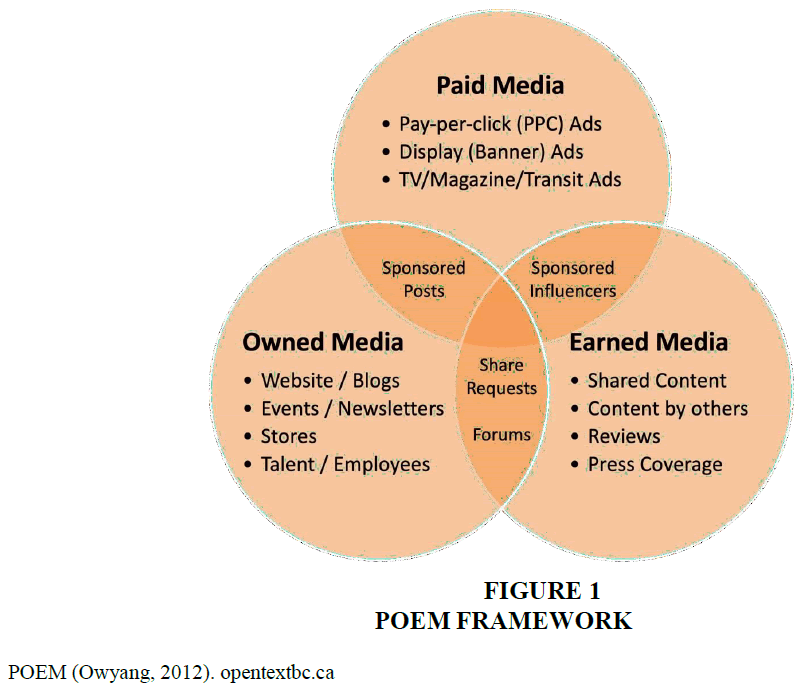
Figure 1 POEM framework
POEM (Owyang, 2012). opentextbc.ca
The public relations (PR) field has also adopted this terminology, with studies showing that organizations are increasingly expected to produce content for their owned media platforms (Savic et al., 2016). This suggests that owned media also falls under the PR umbrella. They also note that some scholars have expanded the framework by adding a fourth category i.e. shared media which is similar to earned media but focuses on brands enabling users to share content with their social networks.
There are varying viewpoints on the inclusion of shared media, some researchers equate it with social media. Whereas, other place shared media at the center of the three overlapping categories (Urban Renstrom, 2021). The PR Academy defines PESO as “a media channel framework for digital public relations” (Bailey, 2019), reflecting the ongoing debate over how to categorize different media. Further, Bailey describes PR as media-neutral, capable of incorporating any relevant communication strategy, in line with the broader principles of Integrated Marketing Communications (IMC).
The POEM Model and its Relationship with Customers
Rehman et al. (2022) explored how the public engages with one another across different social media platforms and analyzed the progression of marketing communications. Their study proposed a theoretical framework that integrates Integrated Marketing Communications (IMC), social media (SM), and Consumer-Generated Media (CGM). The researchers emphasized the importance for brands to actively engage and interact with consumers, rather than ignoring engagement opportunities. They suggested that IMC, SM, and CGM strategies should work together harmoniously. While their study did not directly apply the POEM model, it highlighted the critical need for effective integration of marketing communication tools.
Milichovský (2013) in his study conducted in the Czech Republic considering 117 respondents to assess the frequency of marketing communication tool usage and gender-related differences. The research revealed that businesses predominantly depend on traditional advertising platforms such as newspaper, television, magazine, radio, etc. Moreover, the study highlighted that gender significantly impact the perceptions of marketing communication effectiveness, demonstrating variations in how men and women interact with these tools. These findings align with existing studies that examine gender-based differences in media consumption habits.
Similarly, a survey conducted by the IBM Institute gathered insights from 15,600 individuals aged 13 to 21 across various countries, focusing on Generation Z's media preferences. The results indicated that this group favors Facebook and prefers using mobile applications over traditional websites. Furthermore, ‘Gen-Z’ showed a keen interest in involving in brand-related activities and expressed a strong inclination toward environmentally responsible brands. The IBM Institute also developed a brand sustainability index specifically designed to reflect Generation Z’s values, aligning with key factors examined in this study.
(Lovett and Staelin 2016) investigated brand communication strategies through paid, owned, and earned media by analyzing audience engagement with the action-drama Human Target. The research involved 1,127 participants from Procter & Gamble’s Vocal Point virtual communities. Their findings indicated that earned media exerted a stronger influence on consumer behavior compared to paid or owned media. Although their study applied the PEOM model to categorize media, it did not examine the connections between media preferences, consumption patterns, and consumer health—key aspects considered in the current research. This raises a crucial question: Which marketing communication tools are most commonly utilized by Saudi consumers?
(Xie et al. 2018) explored cultural differences in marketing communication strategies by gathering insights from forty-two advertising and public relations professionals from China and the USA. Their research utilized the PESO model and highlighted the growing impact of social media in both countries. In China, marketing relied heavily on mobile advertising and paid influencers, yet the PESO model was not commonly implemented. In contrast, the United States, which is considered more advanced and ahead in effective marketing communication, demonstrated extensive reliance on paid media. The study provided a comparative analysis of media strategies across different cultural landscapes, focusing on professional practices in the media industry.
(Laurie et al. 2024) applied the PEOM model in their research on social media marketing, examining its effectiveness as a teaching framework for marketing communication. Conducted by four marketing educators at a British business school, the study evaluated 40 instances of the PEOM model over a three-year period. Their findings reveal that media segmentation is highly beneficial for teaching purpose and practically explain the marketing principles. Additionally, they emphasized that the model aids in managing complex marketing campaigns and strengthens relationship between different stakeholders.
(Lieb 2012) conducted a qualitative research through 34 research interviews wherein 29 interviews with industry professionals, brand representatives, and media agency experts along with a secondary analysis of 40 case studies on brand integration of paid, owned, and earned media. The findings revealed that many businesses lacked a well-defined media usage strategy and struggled with content marketing, a crucial element in managing owned media channels and responding to media coverage. Lieb’s research underscored the necessity of integrating paid, owned, and earned media as core elements of brand marketing strategies.
While the study primarily examined media education strategies, it also identified key trends relevant to marketing graduates. It reinforced the importance of strategic media integration and highlighted owned media as a crucial factor in brand sustainability, starting with well-planned marketing content.
The POEM Model and Its Influence on Brand Attitude
Beyond evaluating the effectiveness of the POEM model, experts increasingly emphasize the vital role of content—often referred to as advertising creative—in its implementation. (Lieb et al. 2012) introduced an adapted version of the POEM model, known as the convergence model, which still incorporates all three media but places greater importance on content as a central element of brand strategy. They argue that regardless of the media channels, platforms, or timing of execution, brand content must remain consistent in messaging, visual identity, and tone. A well-planned content strategy is crucial for the success of any campaign, as content serves as the driving force behind marketing initiatives—described as the "atomic particle" of the convergence model (Lieb et al. 2012). This perspective underscores the growing challenge consumers face in distinguishing among paid, owned, and earned media, highlighting content’s key role in shaping brand perception.
The focus on content within the POEM model underscores its significance in influencing brand attitudes. The link between POEM and brand communication is based on the notion that maintaining content consistency across different media channels directly impacts how consumers perceive a brand. While prior studies have demonstrated the influence of earned media through empirical data—such as its effect on television viewership (Lovett & Staelin, 2016)—it remains uncertain whether the same impact holds when considering advertising content within the POEM framework. Consequently, this study explores how different media types (paid, owned, and earned) and their strategic integration contribute to shaping consumer attitudes toward a brand, particularly regarding credibility, trust, and overall brand perception.
The Role of POEM in Brand Communication
The POEM model serves as a key framework for contemporary brand communication strategies. Paid media refers to brand-sponsored advertisements, whereas owned media includes platforms directly managed by the brands. Earned media, on the other hand, encompasses consumer-driven content such as message sharing, word-of-mouth publicity, viral marketing, and public relations, which operate independently of direct brand influence (Hanna, et al. 2011; Lovett & Staelin, 2016).
Studies indicate that relying on a single media type is insufficient for meaningful consumer engagement. With technological advancements, consumers actively engage with brands by sharing and even co-creating content, making an integrated media approach essential (Hanna, Rohm, & Crittenden, 2011). Social media perform crucial role in the entire process, enabling users to act as content creators, critics, and observers, thereby shaping brand perception through their interactions (Li & Bernoff, 2009). As a result, marketing professionals emphasize the need to integrate POEM components to build a unified and effective brand communication strategy (Corcoran, 2009).
Empirical research highlights the varying effects of POEM elements. Studies found that while owned and earned media contribute to increasing purchase intent, their impact diminishes when external variables come into play. Paid media, on the other hand, primarily enhances brand awareness and recall by reinforcing memory rather than directly driving purchase decisions (Clark, Doraszelski, & Draganska, 2009; Xie & Lee, 2015). However, a (Gallup 2014) study suggested that consumers often disregard brand advertisements and owned media, making earned media the most impactful promotional tool. Additionally, (Lovett and Staelin 2016) pointed out that earned media not only boosts consumer satisfaction but also encourages repeat purchases.
Although earned media is considered highly credible, the ideal balance between POEM elements is still not fully understood, particularly outside the entertainment industry. Further research is necessary to explore how different media combinations influence brand perception and long-term consumer engagement (Xie & Lee, 2015; Lovett & Staelin, 2016). This study seeks to examine strategic media integration to enhance brand communication in an ever-evolving digital landscape.
Research Objectives
1. Uncover the important dimensions of each media of POEM framework.
2. Determine the optimum combination of media to build strong brand attitude.
3. Discover each media role in shaping viewers’ perception towards the brand.
Research Methodology
‘Fuzzy Set Qualitative Data Analysis’ (FsQCA) technique has been used to monitor, compare and analyze the data collected from the respondents. It primarily focuses upon two aspect of this method, one qualitative analysis of three predetermined attributes viz. Informativeness, Sophistication and Brand Community that build brand connection and second to measure the level of structural relationship with respondents’ brand attitude. By identifying the most workable media combination strategy the research would present an easiest way to approach and pursue consumers to make premium brand perception.
Data Collection
Data collection was the critical task in the study because the respondents were stratified into income strata and to reach them was extremely difficult. Thus the study used reached out to renowned B-schools in which professors were approached to fill the questionnaire. By this way quantitative data was successfully gathered from the people who belong to brand community. Overall 189 responses (demographic characteristics are shows in table 3) were collected from respondents designated as ‘professor and associate professor’ who are closely connected and associated with premium brands and closely what brand on social media and other digital platforms.
| Table 3 Demographics | |||
| Designation | Score % | Gender | Score % |
| Professor | 69% | Male | 48% |
| Associate Professor | 31% | Female | 52% |
| Brand Association | Social Media Time Spend | Score % | |
| Male | 39% | Male <1hr 1-2hr >2hr |
41% 37% 22% |
| Female | 61% | Female <1hr 1-2hr >2hr |
16% 28% 66% |
| Mean Score Male Female |
4.13 4.69 |
Standard Deviation Male Female |
1.69 2.23 |
The collected data highlights key insights into brand association and social media engagement among professors and associate professors, who are closely connected with premium brands. A majority of respondents (69%) were professors, with a nearly balanced gender representation (48% male, 52% female). The findings indicate that females (61%) have a stronger brand association than males (39%), and they also exhibit higher engagement on social media, with 66% spending more than two hours daily compared to only 22% of males. In contrast, 41% of male respondents spend less than an hour on social media, suggesting lower digital interaction.
Furthermore, the mean brand perception score is higher among females (4.69) compared to males (4.13), indicating a more positive attitude toward premium brands. However, the standard deviation is greater for females (2.23 vs. 1.69), suggesting higher variability in their brand perception. These findings imply that digital marketing strategies should focus more on interactive and influencer-driven content for females, while males may respond better to professional, information-driven campaigns. This data-driven approach can help optimize media strategies to enhance premium brand perception effectively.
Measures
The measurement items include three criteria predominantly used for making brand perception and attitude. To measure the respondents’ view towards brand perception and attitude three factors were used in which 12 variables have been considered (given in table 4).
| Table 4 Constructs | ||
| Parameters | Variables | Loadings |
| Informativeness | Brand experience extremely awesome Brand experience was pleasant Brand visuals were pleasurable Brand communication was convincing |
0.879 0.756 0.854 0.698 |
| Sophistication | Brand attach with high standard Brand deliver classy feeling Brand leads to trustworthiness Brands connect with unforgettable experiences Brand build feeling of confidence |
0.887 0.748 0.771 0.812 0.883 |
| Brand Community | Brand Share extreme consciousness Brand build sense of belongingness Brands develop social interaction and relationship |
0.783 0.835 0.880 |
The data in Table 5 presents three key constructs—Informativeness, Sophistication, and Brand Community—used to assess brand perception and attitude. Each construct comprises multiple variables with respective factor loadings, indicating their significance in the measurement model.
| Table 5 Measurement of Items’ Validity as ‘Necessary Attribute’ for Shaping Brand Attitude (Based on Fuzzy Set) | ||||
| Parameters | Variables | Threshold Score | Fuzzy Set Category | Result |
| Informativeness | Brand experience extremely awesome Brand experience was pleasant Brand visuals were pleasurable Brand communication was convincing |
0.862 0.513 0.922 0.877 |
1 0 1 1 |
Extremely Likely Less Likely Extremely Likely Extremely Likely |
| Sophistication | Brand attach with high standard Brand deliver classy feeling Brand leads to trustworthiness Brands connect with unforgettable experiences Brand build feeling of confidence |
0.941 0.780 0.706 0.882 0.637 |
1 1 0 1 0 |
Extremely Likely Extremely Likely Less Likely Extremely Likely Less Likely |
| Brand Community | Brand Share extreme consciousness Brand build sense of belongingness Brands develop social interaction and relationship |
0.783 0.835 0.880 |
1 1 1 |
Extremely Likely Extremely Likely Extremely Likely |
1. Informativeness: This dimension evaluates how the brand experience is perceived in terms of its impact on users. The highest loading (0.879) suggests that an "extremely awesome" brand experience is the most influential variable, followed by pleasurable brand visuals (0.854), a pleasant experience (0.756), and convincing brand communication (0.698).
2. Sophistication: This factor captures the brand’s association with exclusivity, class, and trust. The highest loadings are found in "Brand builds confidence" (0.883) and "Brand attaches with high standards" (0.887), suggesting that these aspects strongly shape consumer perception. Trustworthiness (0.771) and unforgettable experiences (0.812) also play a significant role.
3. Brand Community: This construct highlights the social and relational aspects of brand perception. "Brands develop social interaction and relationships" (0.880) holds the highest loading, followed by a sense of belongingness (0.835) and shared consciousness (0.783), indicating that community engagement is crucial for brand attachment.
The factor loadings confirm the validity of these constructs in shaping brand perception and attitude. The high values across variables suggest a strong model fit, reinforcing the importance of informativeness, sophistication, and community in consumer-brand relationships.
Constructs Examined (Combined Media Strategy)
The study focuses upon three media combination (extracted from POEM model) like-
1. Paid Media & Owned Media- Promotion of Brand Intent
2. Owned Media & Earned Media- Brand Association & Relationship
3. Earned Media & Paid Media- Consumer Sponsored Communication
Result Analysis
Qualitative Analysis of Media Combination
Using the FsQCA the quantitative data was calibrated into the range of 0 to 1 by coverting the scaled data (5 Point Likert’s Scale) into Fuzzy set where responses whose mean score was less than 3 fall into the category of ‘0’ (Less likely group) and mean score more than 3 fallen into the category of 1 (Extremly Likely group)‘.
For ‘positive brand attitude formation’ the selected attributes are taken as ‘necessary attributes’ which needs to be present in the media for creating brand attitude and need to score or exceeds minimum consistency threshold value of 0.75 (coefficient score)
Variables Removed
Three items (variables) are removed during the analysis because the selected items scored lower than the predetermined threshold limit of 0.75 (coefficient value). Rest all the items in the table have been considered as they fall into the ‘Extremely Likely’ category. The description of the eliminated items are as follows-
• Brand experience was pleasant (0.513)- the calibration range for this item was found ‘0’ as the coefficient score was 0.513 < 0.75 hence this item was dropped out. The respondents don’t consider this item as necessary for positive brand attitude building.
• Brand leads to trustworthiness (0.706)- this item also scored0.706 < 0.75 hence it doesn’t fall into necessary category of shaping brand attitude. The respondents believed that premium brand have already a strong trustworthyness hence it’s an integral parth of the a strong brand attitude.
• Brand build feeling of confidence (0.637)- the respondents socred this item (0.637 < 0.75)lower than the threshold limit because consumers who follow premium brands only due to faith and confidence on the brand. Hence, it’s not a necessary item for creting positive brand attitude.
The qualitative media strategy comparison has been done on the basis of two important criterias viz. ‘Media Goal and Media Outcomes’. Media goal refers to the strategic objectives which brands set to achieve through competitive media planning whereas media outcomes refers to the ultimate result a brand expects. The POEM framework is a competitive digital media strategy which facilitate brands to optimize campaign results through the use of different combinations of media. The below table representing qualitative comparison of different media combination primarily focusing upon media outcome keeping media goal in mind Tables 6 & 7.
| Table 6 Description of Media Combination Based on Goal and Outcome | ||
| Media Combination | Media Goal | Media Outcome |
| Paid Media & Owned Media (PMOM) |
Promotion of Brand Intent | Positive Perceived Value Brand Trust Strong Emotional Connection Brand Reputation |
| Owned Media & Earned Media (OMEM) |
Brand Association & Relationship | High Recall Value Competitive Differentiation Build Brand Community |
| Earned Media & Paid Media (EMPM) |
Consumer Sponsored Communication | Authenticate Brand Performance Increase Brand’s Reach Establish Emotional Connect Increase Consumer Conversion Rate |
| Table 7 Measurement Model Statistics | |||||||
| Mean | SD | AVE | CR | R | Effect Size | ||
| 1. | PM – OM | 4.393 | 0.223 | 0.358 | 0.783 | 0.892 | 89% |
| 2. | OM – EM | 4.015 | 0.145 | 0.425 | 0.674 | 0.886 | 89% |
| 3. | EM - PM | 4.385 | 0.117 | 0.227 | 0.662 | 0.914 | 91% |
The analysis (coefficient values) reveal three media strategy that can help brand to achieve its strategic goals particularly the building of postive brand attitude using digital media platform. The brand attitude can be developed through three angles viz. ‘promotion of brand intent (PMOM), brand association (OMEM)and consumer sponsored communication (EMPM)’. It primarily focuses upon the first- ‘informativeness’ which broadly includes consumers’ experience with brand (R= .862), brand’s visuals like logo, design, apperarance etc. (R= .922) and the convincing appeal through engaging communication techniques (R= .877). Second- ‘sophistication’ that includes brand’s attachment to high standard, quality of life and the symbol of excellence (R=.941), brand must offer the feeling of class, living standard and pleasuralbe using experience (R= .780), brand must connect with unforgettable user experience (R= .882). Third- ‘brand community’ which represent the niche group of like minded people who love to use a famous brand which make them feel awesome and distinct. Experts call it brand community which build a strong and favorable brand attitude of consumers Figure 2. Result reveals that it can be achieved by displaying brand consciousness, belongingness (R= .922) and developing social interaction & relationship which can boost consumer confidence over the brand performance, luxuary and uniquness (R= .877) Figure 3.
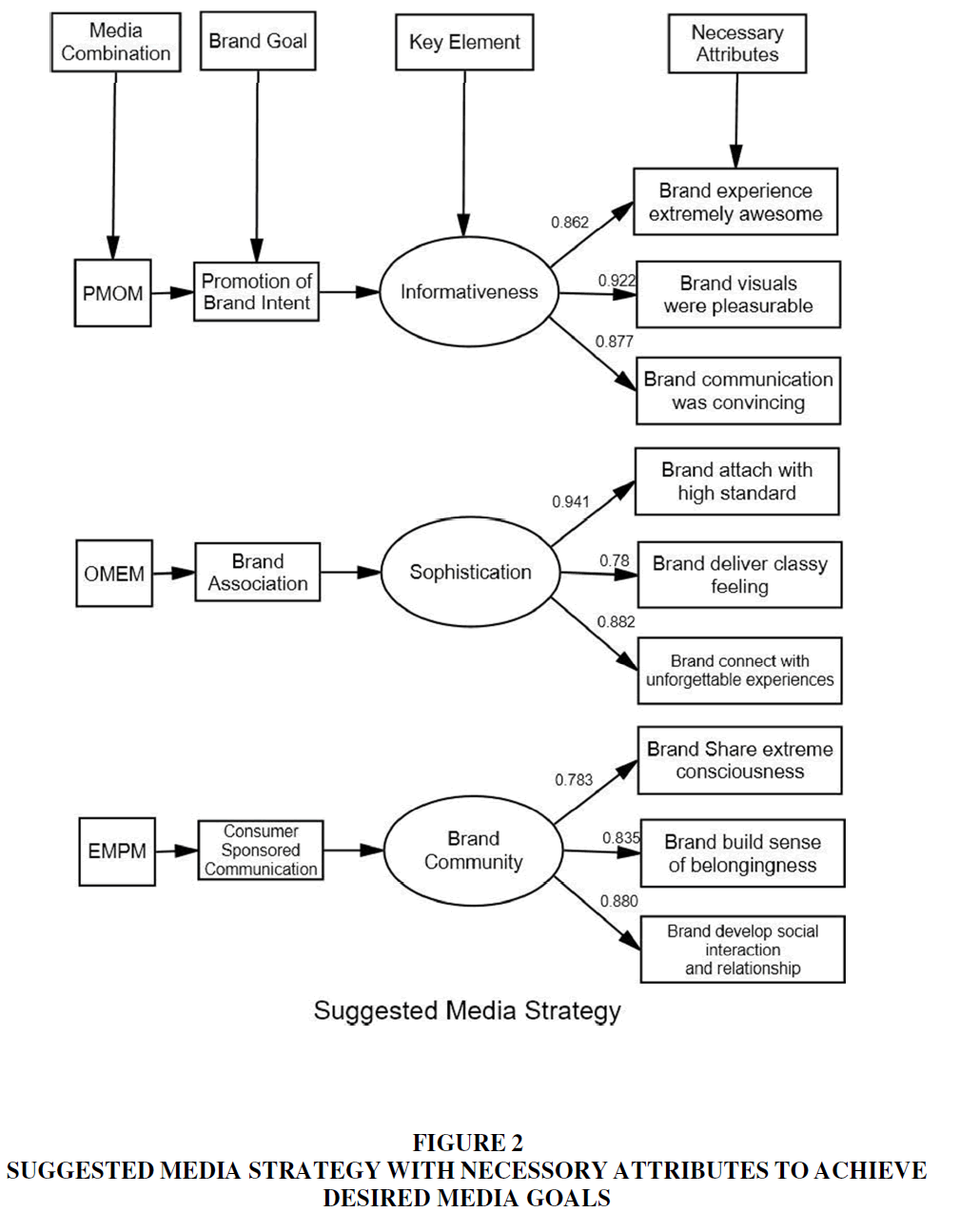
Figure 2 Suggested Media Strategy with Necessory Attributes to Achieve Desired Media Goals.
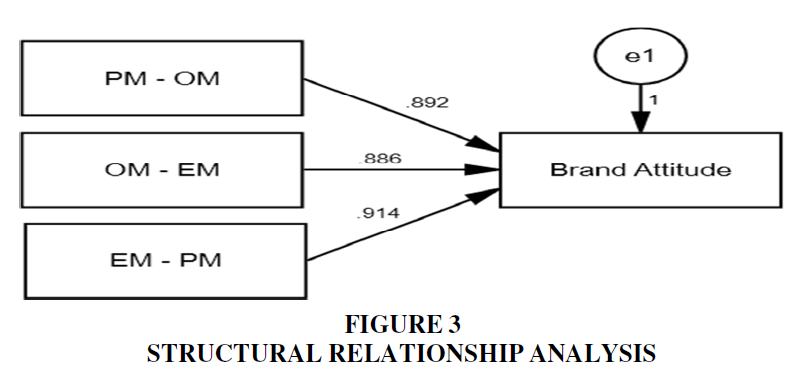
Figure 3 Structural Relationship Analysis
Further the level of effect of three different media combination has been measured using ‘Structural Equation Modeling’ and the result is a follows-
The analysis presents the role of digital media combinations in achieving specific media goals using the POEM framework. The qualitative analysis highlights how different media combinations contribute to shaping positive brand perceptions and attitudes. Paid & Owned Media (PMOM) enhances brand intent, leading to positive perceived value, trust, emotional connection, and reputation. Owned & Earned Media (OMEM) fosters brand association and relationships, resulting in high recall value, competitive differentiation, and community building. Earned & Paid Media (EMPM) leverages consumer-sponsored communication to authenticate brand performance, expand reach, strengthen emotional connections, and increase conversions.
The structural relationship analysis further validates these findings through measurement model statistics. Results show strong composite reliability (CR) across all media combinations, indicating consistency in the data. The PMOM combination has a high reliability score (CR = 0.783), while OMEM (CR = 0.674) and EMPM (CR = 0.662) also demonstrate robust relationships. The average variance explained (AVE) values suggest that the selected media combinations significantly impact media outcomes. Additionally, the effect size analysis shows that EMPM (91%) has the highest influence, followed by PMOM (89%) and OMEM (89%).
These findings confirm that strategically aligning media combinations with campaign goals enhances brand effectiveness. By integrating the right mix of paid, owned, and earned media, brands can drive engagement, build strong consumer relationships, and optimize digital marketing outcomes.
Findings
Social media platforms are one of the competent places which a brand can use meet its media related objectives specially the formation of postiive brand attitude towards the premium brands. The study investigated relationship between role of social media and consumers’ brand attitude formation with the help of POEM framework and found that three media strategy can help brands to build favorable brand attitude over the period of time. The result represent the findings of three media combination viz. PM-OM, OM-EM and EM-PM. PMOM focuses upon the promotion of brand intent through relevant and continue information spreding to the consumers which create amazing brand experience, pleasurable visuals and convicing brand communication to the target consumers. The combination of OMEM media focused upon ‘brand association’ which tells the consumers about the increadible side of brand sophistication they may get and represent the brand with high standard, class attached and unforgetible experirence they would received from the brand usage. EMPM is another very favorable combination that help brands to earn consumer sponsored communication and build an informal brand community which advocate the brand at social platforms. The community members show high consiousness, belongingness and relationship and build a progressive social interaction. The brand must use either or all the media combination to create a postive brand attitude of consumers and ensure strategic use of social media platforms.
Objective-1(Paid media) PPC Ads, Display banner, TV Magazine transit ads.(Owned media) websites, blogs, events, newsletters, stores. (Earned media) shared content, content by Others, reviews.
Objective-2 we have identified PM-OM the optimum combination of media to build strong brand attitude.
Objective-3(Paid media)-Increases Brand Visibility, Target specific audiences, drives traffic.(Earned Media) –Build trust and credibility, expand organic reach, enhance customer engagement. Offers cost effective marketing.(Owned media) Ensuring Content Control, Strengthening Customer Relationships
References
Aaker, D. A., & Jacobson, R. (2001). The value relevance of brand attitude in high-technology markets. Journal of Marketing Research, 38(4), 485–493.
Indexed at, Google Scholar, Cross Ref
Alves, H., Fernandes, C., & Raposo, M. (2016). Social media marketing: A literature review and implications. Psychology & Marketing, 33(12), 1029–1038.
Armano, D. (2010, January 18). Why PR's future may not look like PR. Blog post.awareness and perceived quality: An empirical investigation using panel data. QME, 7(2), 207-236.
Bailey, R. (2019). Briefing: The PESO model. PR Academy. https://pracademy.co.uk/insights/briefing-peso ,Behavior, 26(5), 2010, pp. 1208–1222.
Brackett, L. K., & Carr, B. N. (2001). Cyberspace advertising vs. other media: Consumer vs. mature student attitudes. Journal of Advertising Research, 41(5), 23–32.
Indexed at, Google Scholar, Cross Ref
Clark, C. R., Doraszelski, U., & Draganska, M. (2009). The effect of advertising on brand awareness and perceived quality: An empirical investigation using panel data. Qme, 7(2), 207-236.
Corcoran, S. (2009). Defining earned, owned, and paid media. Forrester Research, 16.
Dao, V.-T. W., Le, A. N. H., Cheng, J. M.-S., & Chen, D. C. (2014). Social media advertising value: The case of transitional economies in Southeast Asia. International Journal of Advertising, 33(2), 271–294.
Indexed at, Google Scholar, Cross Ref
Dao, V.-T. W., Le, A. N. H., Cheng, J. M.-S., & Chen, D. C. (2014). Social media advertising value: The case of transitional economies in Southeast Asia. International Journal of Advertising, 33(2), 271–294. (This appears to be a duplicate of the previous reference.)
Ducoffe, R. H. (1996). Advertising value and advertising on the web. Journal of Advertising Research, 36(5), 21–35.
Forrester Research Inc. (2018). Defining earned, owned, and paid media. https://go.forrester.com/blogs/09-12-16-defining_earned_owned_and_paid_media. Accessed on April 28, 2018.
Goh, K.-Y., & Ping, W. J. (2014). Engaging consumers with advergames: An experimental evaluation of interactivity, fit, and expectancy. Journal of the Association for Information Systems, 15(7), 388–421.
Green, A. (2011, June). Paid, owned, and earned media: Integration’s holy grail. Admap. https://www.warc.com/content/paywall/article/paid-owned-and-earned-media-integrations-holy-grail/en-gb/en-GB/94566?
Hanna, R., Rohm, A., & Crittenden, V. L. (2011). We’re all connected: The power of the social media ecosystem. Business Horizons, 54(3), 265–273.
Humphreys, A. (2016). Social media: Enduring principles. Oxford University Press.
Kim, J. U., Kim, W. J., & Park, S. C. (2010). Consumer perceptions of web advertisements and motivation factors to purchase in online shopping. Computers in Human Behavior, 26(5), 1208–1222.
Laurie, S., Mortimer, K., Holtz, M., & Little, B. (2024). Enhancing students’ understanding of social media marketing and the use of advertising and public relations terminology within IMC: A participatory action research project. Journal of Marketing Education, 46, 45–56.
Lemon, K. N., & Verhoef, P. C. (2016). Understanding customer experience throughout the customer journey. Journal of Marketing, 80, 69–96.
Indexed at, Google Scholar, Cross Ref
Li, C., & Bernoff, J. (2009). Marketing in the groundswell. Harvard Business Press.
Lieb, R., Owyang, J., Groopman, J., & Silva, C. (2012). The converged media imperative: How brands must combine paid, owned, and earned media. Altimeter Group, 1-26.
Liu, Y., Mezei, J., Kostakos, V., & Li, H. (2017). Applying configurational analysis to IS behavioural research: A methodological alternative for modelling combinatorial complexities. Information Systems Journal, 27(1), 59–89.
Lovett, M. J., & Staelin, R. (2016). The role of paid, earned, and owned media in building entertainment brands: Reminding, informing, and enhancing enjoyment. Marketing Science, 35, 142–157.
Milichovský, F. (2013). New tools for effective marketing communications. Acta Universitatis Bohemiae Meridionales, 16, 35–43.
Indexed at, Google Scholar, Cross Ref
Misangyi, V. F., Greckhamer, T., Furnari, S., Fiss, P. C., Crilly, D., & Aguilera, R. (2017). Embracing causal complexity: The emergence of a neo-configurational perspective. Journal of Management, 43(1), 255–282.
Osman, M. (2018). 28 powerful Facebook stats your brand can’t ignore in 2018.
Owyang, J. (2012, July). Altimeter report: Paid + owned + earned = converged media. Jeremiah Owyang. http://web-strategist.com/blog/2012/07/19/altimeter-report-paidowned-earned-converged-media/
Polites, G. L., Karahanna, E., & Seligman, L. (2017). Intention–behaviour misalignment at B2C websites: When the horse brings itself to water, will it drink? European Journal of Information Systems, 27(1), 22–45.
Rehman, S. U., Gulzar, R., & Aslam, W. (2022). Developing the integrated marketing communication (IMC) through social media (SM): The modern marketing communication approach. SAGE Open, 12, 215824402210999.
Indexed at, Google Scholar, Cross Ref
Renstrom, U. (2021). Marketing defined: Paid, owned, earned media strategy in the social world. https://urbanrenstrom.com/paid-owned-earned-media-in-a-social-world/
Savic, M., McCosker, A., & Geldens, P. (2016). Cooperative mentorship: Negotiating social media use within the family. Media Culture Journal, 19(12).
Stephen, A. T., & Galak, J. (2012). The effects of traditional and social earned media on sales: A study of a microlending marketplace. Journal of Marketing Research, 49(5), 624–639.
Xie, K., & Lee, Y. J. (2015). Social media and brand purchase: Quantifying the effects of exposures to earned and owned social media activities in a two-stage decision making model. Journal of Management Information Systems, 32(2), 204–238.
Xie, K., Neill, M. S., & Schauster, E. (2018). Paid, earned, shared, and owned media from the perspective of advertising and public relations agencies: Comparing China and the United States. International Journal of Strategic Communication, 12, 160–179.
Zhang, J., & Mao, E. (2016). From online motivations to ad clicks and to behavioral intentions: An empirical study of consumer response to social media advertising. Psychology & Marketing, 33(3), 155–164.
Zhang, P. (2011). What consumers think, feel, and do toward digital ads: A multi-phase study. ECIS 2011 Proceedings, Helsinki, Finland.
Received: 10-Sep-2025, Manuscript No. AMSJ-25-16183; Editor assigned: 11-Sep-2025, PreQC No. AMSJ-25-16183(PQ); Reviewed: 10-Oct-2025, QC No. AMSJ-25-16183; Revised: 28-Oct-2025, Manuscript No. AMSJ-25-16183(R); Published: 05-Nov-2025