Research Article: 2026 Vol: 30 Issue: 2
AI-Driven Financial Management: A New Era in Economic Efficiency and Risk Control
Mandeep Kour, College of Business Studies, COER University
Viswanath Bandi, KL University Global business school
Chacko Jose P, St Aloysius College
Dewey W. Todd, Troy University
Rinnie Mahajan, University of Jammu
Citation Information: Kour., M, Bandi., Viswanath, Jose P., C, W., D & Mahajan., R. (2026) Ai-driven financial management: a new era in economic efficiency and risk control. Academy of Marketing Studies Journal, 30(2), 1-10.
Abstract
The increasing complexity of global financial systems, combined with rapid digitalization and economic uncertainty, has challenged the effectiveness of traditional financial management approaches. Conventional models, largely dependent on historical data and human-driven analysis, are often reactive, slow, and limited in their ability to anticipate emerging risks. Artificial intelligence (AI) has emerged as a transformative force capable of redefining financial management by introducing predictive, adaptive, and real-time decision-making capabilities. This paper examines AI-driven financial management as a structural shift toward enhanced economic efficiency and advanced risk control. Through an integrative review of academic literature and conceptual analysis, the study explores how AI technologies reshape core financial functions, optimize resource allocation, and strengthen risk governance. The paper also addresses ethical, regulatory, and governance challenges associated with AI adoption. The findings suggest that AI-driven financial management represents not merely a technological enhancement but a fundamental reconfiguration of economic decision-making processes, with significant implications for organizational resilience and financial sustainability.
Keywords
Artificial Intelligence, Financial Management, Economic Efficiency, Risk Control, Predictive Analytics, Financial Governance.
Introduction
The discipline of financial management has long been regarded as the backbone of organizational governance and economic stability. At its core, financial management seeks to ensure the efficient allocation of resources, the sustainability of operations, and the mitigation of financial risks through structured planning, control, and evaluation mechanisms. Traditional financial management frameworks have relied heavily on historical financial data, standardized accounting procedures, and managerial judgment to support decision-making (Gomber et al., 2017). While these approaches have proven effective in relatively stable economic environments, they are increasingly challenged by the complexity, speed, and uncertainty that characterize contemporary financial systems.
Over the past two decades, the global financial ecosystem has undergone profound transformation. Digitalization has accelerated transaction volumes, financial instruments have become more sophisticated, and economic interdependencies across markets and institutions have intensified (Bughin et al., 2018). At the same time, organizations face heightened exposure to systemic risks arising from geopolitical instability, technological disruption, regulatory changes, and global crises. These developments have exposed critical limitations in conventional financial management practices, particularly their reactive nature and reliance on static models that struggle to accommodate rapidly changing conditions.
One of the most persistent shortcomings of traditional financial management lies in its retrospective orientation. Budgeting, forecasting, and risk assessment processes are often based on historical averages and periodic reporting cycles (Makridakis et al., 2018). As a result, financial decisions are frequently made with incomplete or outdated information, reducing the organization’s ability to anticipate emerging risks or capitalize on new opportunities. Furthermore, manual financial processes are vulnerable to human error, cognitive bias, and operational inefficiencies, especially in large and data-intensive organizations (McAfee & Brynjolfsson, 2017).
Artificial intelligence (AI) has emerged as a transformative technological paradigm capable of addressing these challenges. Unlike conventional computational tools, AI systems possess the ability to learn from data, identify complex and non-linear patterns, and adapt their behavior in response to new information (Bishop, 2006; Jordan & Mitchell, 2015); Kou, Peng & Wang, (2014). In the context of financial management, AI enables the transition from static, rule-based systems to dynamic, data-driven decision environments. This transition marks a fundamental shift in how financial intelligence is generated, interpreted, and applied.
AI-driven financial management extends beyond automation. While the automation of routine financial tasks—such as transaction processing, reconciliation, and compliance monitoring—constitutes an important efficiency gain, the more profound impact of AI lies in its predictive and prescriptive capabilities (Davenport & Ronanki, 2018). Machine learning models can analyze vast quantities of structured and unstructured data, including financial records, market indicators, and macroeconomic variables, to forecast future trends and generate actionable insights (Makridakis et al., 2018). This enables organizations to move from reactive financial control toward proactive and anticipatory governance.
From an economic perspective, AI-driven financial management holds significant implications for efficiency and risk control. Economic efficiency depends on the optimal allocation of scarce resources under conditions of uncertainty. AI enhances this process by improving information quality, reducing decision latency, and enabling continuous optimization of financial strategies (OECD, 2021). Similarly, effective risk control requires early detection of vulnerabilities, accurate assessment of potential impacts, and timely intervention. AI-driven systems are uniquely suited to these tasks due to their capacity for real-time monitoring and adaptive learning (Bai et al., 2021) Figure 1.
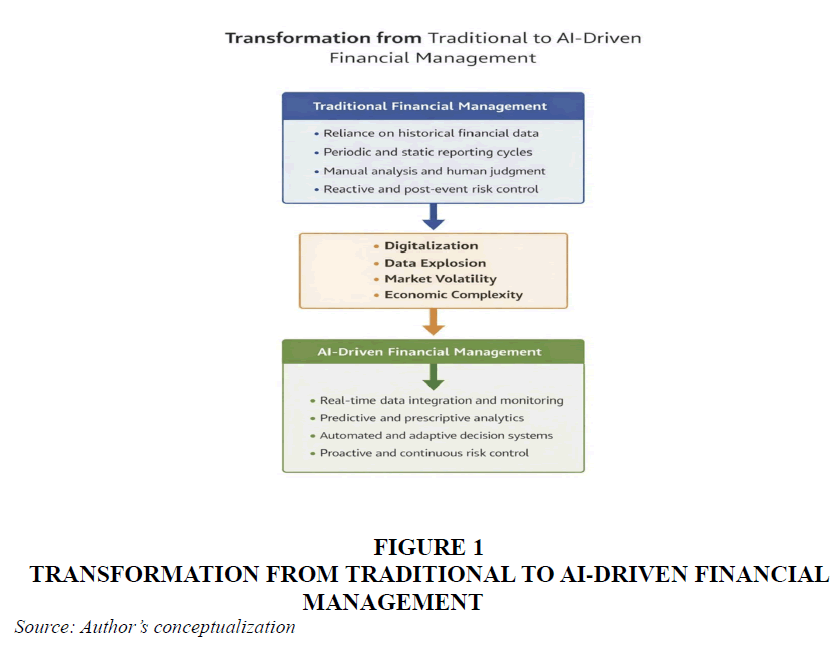
Figure 1 Transformation from Traditional to AI-Driven Financial Management
Source: Author’s conceptualization
Importantly, the integration of AI into financial management also reshapes the role of human decision-makers. Rather than replacing financial professionals, AI augments human capabilities by providing deeper analytical insight and scenario-based evaluation (Shrestha et al., 2019). However, this shift raises critical questions regarding governance, accountability, transparency, and ethical responsibility. As financial decisions increasingly rely on algorithmic recommendations, ensuring explainability and human oversight becomes essential (European Commission, 2020).
This paper positions AI-driven financial management as a structural evolution rather than a technological enhancement. It argues that AI introduces a new logic of financial governance—one that is continuous, predictive, and adaptive. By examining the conceptual foundations, efficiency implications, and risk control mechanisms associated with AI-driven financial management, the study contributes to a deeper understanding of how artificial intelligence is reshaping economic decision-making in complex and uncertain environments.
Theoretical Foundations of AI-Driven Financial Management
Artificial intelligence (AI) refers to a broad class of computational systems designed to perform tasks that traditionally require human cognitive abilities, including learning, reasoning, pattern recognition, and decision-making under uncertainty (Jordan & Mitchell, 2015). In the context of financial management, AI is operationalized primarily through machine learning algorithms, deep learning architectures, natural language processing, and advanced predictive analytics (Kraus et al., 2020).
Traditional financial management systems are largely based on deterministic and rule-based models. Such systems depend on predefined assumptions, linear relationships, and static parameters derived from historical data. While these models provide transparency and interpretability, they are limited in their capacity to handle uncertainty, non-linearity, and rapid environmental change (Arthur, 2015). Financial environments are inherently dynamic and characterized by feedback loops, asymmetric information, and stochastic behavior.
AI-driven financial management represents a fundamental departure from this paradigm. Unlike rule-based systems, AI models are data-driven and adaptive. Through continuous exposure to new data, machine learning algorithms refine their internal representations and improve predictive accuracy over time (Bishop, 2006). This learning capability is particularly valuable in financial contexts, where relationships between variables are rarely stable and are frequently influenced by external shocks, behavioral factors, and evolving market structures.
From a theoretical standpoint, AI-driven financial management aligns closely with systems theory and complexity economics. Complexity economics views financial markets as complex adaptive systems populated by heterogeneous agents whose interactions generate emergent outcomes (Arthur, 2015). AI-driven financial management is theoretically well-suited to this perspective because machine learning models excel at identifying non-linear relationships and adapting to evolving patterns (Jordan & Mitchell, 2015).
Closely related is the perspective of complexity economics, which challenges the assumptions of equilibrium and rationality that underpin traditional economic models. Complexity economics views financial markets as complex adaptive systems populated by heterogeneous agents whose interactions generate emergent outcomes. These systems exhibit non-linear dynamics, path dependence, and sensitivity to initial conditions. AI-driven financial management is theoretically well-suited to this perspective because machine learning models excel at identifying non-linear relationships and adapting to evolving patterns. Rather than assuming stable equilibria, AI systems continuously update their understanding of financial environments as new data becomes available.
Another important theoretical foundation lies in decision theory under uncertainty. Classical financial decision-making frameworks often assume that decision-makers have access to complete information and stable probability distributions. In practice, financial decisions are made under conditions of uncertainty, incomplete information, and time constraints. AI-driven systems address these limitations by incorporating probabilistic modeling, scenario analysis, and predictive analytics. This enables financial managers to evaluate multiple potential outcomes and assess risks more comprehensively than traditional deterministic approaches (Shrestha et al., 2019).
AI also reshapes the relationship between analysis and execution in financial management. Traditionally, financial analysis and decision implementation have been treated as distinct stages, often separated by organizational hierarchies and time delays. AI-driven financial management collapses this distinction by integrating data analysis, decision generation, and execution within a unified system. Automated decision engines can generate recommendations—or execute predefined actions—in real time, significantly reducing decision latency. This integration enhances organizational responsiveness and allows financial systems to react dynamically to changing conditions (Davenport & Ronanki, 2018).
Furthermore, AI-driven financial management supports a shift from ex post control to ex ante governance. Traditional financial controls focus on monitoring outcomes after decisions have been implemented, relying on audits and retrospective evaluations. In contrast, AI enables continuous monitoring and predictive control, allowing potential risks and inefficiencies to be identified before they materialize. This proactive orientation aligns financial management with modern risk governance frameworks that emphasize prevention, resilience, and adaptability(OECD, 2021) Figure 2.
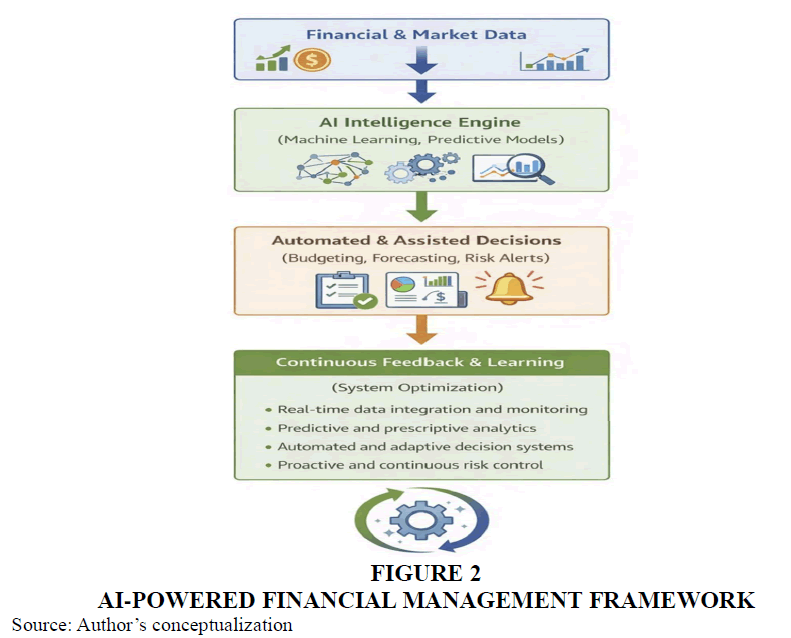
Figure 2 AI-Powered Financial Management Framework
Source: Author’s conceptualization
Importantly, the theoretical foundations of AI-driven financial management do not imply the elimination of human judgment. Instead, they support a model of augmented intelligence, in which AI systems complement human expertise by providing deeper analytical insight and scenario-based evaluation. Human decision-makers retain responsibility for setting objectives, interpreting outputs, and ensuring ethical and strategic alignment. From a governance perspective, this hybrid approach balances the computational strengths of AI with the contextual understanding and accountability of human actors.
In summary, the theoretical foundations of AI-driven financial management rest on a convergence of systems theory, complexity economics, and decision theory under uncertainty. By enabling adaptive learning, real-time analysis, and integrated decision execution, AI transforms financial management from a static, retrospective function into a dynamic and anticipatory system. This theoretical shift underpins the broader argument that AI-driven financial management constitutes a new era in economic efficiency and risk control.
Economic Efficiency in AI-Driven Financial Management
Automation and Process Optimization
One of the most immediate impacts of AI on financial management is the automation of routine and repetitive tasks. Activities such as transaction reconciliation, invoice processing, expense categorization, and compliance monitoring are traditionally labor-intensive and prone to error. AI-driven automation significantly reduces processing time and operational costs while improving accuracy(McAfee & Brynjolfsson, 2017).
Research indicates that automation not only lowers administrative expenses but also enhances internal control by reducing human intervention in error-prone processes (McAfee & Brynjolfsson, 2017); Mishra & Jain, (2025); Müller & Bostrom, (2016). As a result, financial departments can redirect human resources toward higher-value analytical and strategic functions.
Predictive and Adaptive Financial Planning
Traditional financial planning relies heavily on historical data and static assumptions. Such approaches struggle to account for sudden market shifts, demand fluctuations, or external shocks. AI-driven financial management introduces predictive planning models that continuously update forecasts using real-time data.
Machine learning algorithms can incorporate a wide range of variables, including market trends, customer behavior, and macroeconomic indicators, to generate more accurate and timely forecasts. This adaptive planning capability enhances liquidity management, working capital optimization, and investment decision-making (Makridakis et al., 2018).
Resource Allocation and Capital Efficiency
Economic efficiency depends on the optimal allocation of scarce resources. AI-driven systems analyze performance data across organizational units to identify inefficiencies and underperforming assets. By simulating alternative allocation scenarios, AI supports evidence-based decisions that maximize returns and minimize waste.
This capability is particularly valuable in large and diversified organizations, where manual analysis of complex financial interdependencies is impractical. AI thus contributes to improved capital efficiency and long-term financial sustainability Table 1.
| Table 1 Comparison of Traditional and AI-Driven Financial Management | ||
| Dimension | Traditional Financial Management | AI-Driven Financial Management |
| Data processing | Periodic, manual | Continuous, automated |
| Forecasting | Historical, static | Predictive, adaptive |
| Decision speed | Slow | Real-time |
| Error exposure | Moderate to high | Low |
| Resource allocation | Static | Dynamic and optimized |
AI-Driven Risk Control
Limitations of Traditional Risk Management
Traditional risk management frameworks rely on predefined indicators, historical loss data, and periodic assessments. While these methods provide baseline control, they often fail to detect emerging risks in real time. Moreover, they are limited in their ability to model complex interactions among risk factors.
The global financial crisis highlighted these shortcomings, demonstrating how delayed risk recognition and overreliance on historical models can amplify systemic vulnerabilities (Karimi & Damirchi, 2025).
Real-Time Risk Detection and Monitoring
AI-driven financial management enhances risk control by enabling continuous monitoring of financial activities (Bai et al., 2021). Machine learning models detect anomalies, unusual transaction patterns, and early warning signals that may indicate fraud, liquidity stress, or operational disruptions.
Empirical studies suggest that AI-based systems outperform traditional rule-based approaches in fraud detection and credit risk assessment by identifying subtle and non-obvious patterns in data (Fuster et al., 2022).
Scenario Analysis and Stress Testing
AI enables advanced scenario modeling by simulating thousands of possible economic and market conditions. These simulations support stress testing and contingency planning, allowing organizations to evaluate resilience under extreme but plausible scenarios.
Such capabilities are particularly important in environments characterized by geopolitical uncertainty, climate risks, and rapid technological change.
Adaptive Risk Mitigation
AI-driven risk management systems continuously learn from new data, allowing them to adapt to evolving risk landscapes. This adaptability contrasts sharply with static risk models that require periodic manual updates. As a result, AI enhances the robustness and relevance of risk control mechanisms Table 2.
| Table 2 Risk Management Capabilities | ||
| Risk Type | Traditional Control | AI-Driven Control |
| Fraud | Post-event audits | Real-time detection |
| Market Risk | Periodic analysis | Continuous monitoring |
| Credit Risk | Static scoring | Dynamic behavioral models |
| Operational Risk | Manual controls | Automated alerts |
Strategic and Ethical Dimensions of AI-Driven Financial Management
AI-driven financial management extends beyond improvements in operational efficiency and risk control to exert a profound influence on strategic decision-making and financial governance. By integrating financial data with operational metrics, customer information, and external market indicators, AI systems provide decision-makers with a comprehensive and real-time view of organizational performance. This holistic perspective enables senior management to move beyond fragmented analyses and toward integrated, evidence-based strategic planning (European Commission, 2020; OECD, 2021).
One of the most significant strategic contributions of AI lies in its capacity for scenario-based analysis. AI-driven models can simulate multiple strategic alternatives under varying economic, regulatory, and market conditions, allowing organizations to assess potential outcomes and associated risks before committing resources. This capability enhances decision-making in complex and high-stakes areas such as mergers and acquisitions, capital investment planning, pricing strategies, and long-term financial restructuring. By evaluating a wide range of scenarios, organizations can better align strategic choices with risk tolerance and organizational objectives (Penaganti, 2025).
Despite these advantages, the integration of AI into financial governance raises critical questions regarding accountability, oversight, and control. While AI systems can generate recommendations or automate certain decisions, they lack normative judgment and ethical reasoning. Ultimate responsibility for financial decisions must therefore remain with human leaders. Effective financial governance frameworks are essential to ensure that AI systems operate within clearly defined boundaries, support organizational goals, and remain aligned with ethical standards and regulatory requirements. In this sense, AI should be viewed as a strategic decision-support tool rather than an autonomous decision-maker (Penaganti, 2025).
Ethical and regulatory challenges represent a central concern in the adoption of AI-driven financial management. One of the most prominent issues is transparency and explainability. Advanced AI models, particularly deep learning systems, often function as “black boxes,” making it difficult to trace how specific outputs or recommendations are produced. This opacity poses challenges for regulatory compliance, internal audit processes, and stakeholder trust. In response, explainable artificial intelligence frameworks have emerged to improve model interpretability while preserving analytical performance, thereby supporting responsible and accountable financial decision-making (European Commission, 2020).
Data privacy and security constitute another critical challenge. Financial management systems process highly sensitive organizational and personal data, including transactional records, financial forecasts, and customer information. The integration of AI increases both the analytical value and the vulnerability of such data. Robust cybersecurity infrastructures, strict access controls, and compliance with data protection regulations are therefore essential components of responsible AI adoption. Failure to address data security risks can undermine trust and expose organizations to significant financial and reputational damage Soma, A.K. (2025).
Algorithmic bias and fairness further complicate the ethical landscape of AI-driven financial management. AI models are trained on historical data, which may reflect existing structural biases, inequalities, or discriminatory practices. If these biases are embedded within AI systems, they can lead to unfair or suboptimal financial outcomes, particularly in areas such as credit allocation, risk assessment, and performance evaluation. Continuous model auditing, bias detection mechanisms, and ethical oversight are necessary to ensure fairness and equity in AI-supported financial decisions (Shrestha et al., 2019).
Taken together, these strategic, ethical, and governance considerations underscore that AI-driven financial management represents a paradigmatic shift rather than a purely technological enhancement. By embedding intelligence into financial processes, AI enables proactive decision-making, improves economic efficiency, and strengthens risk control. However, the realization of these benefits is contingent upon high-quality data, transparent model design, robust governance structures, and sustained human oversight. Organizations that conceptualize AI as a strategic capability—integrated with governance and ethical frameworks—are more likely to achieve long-term value and resilience Figure 3 (Saripudi, 2025).
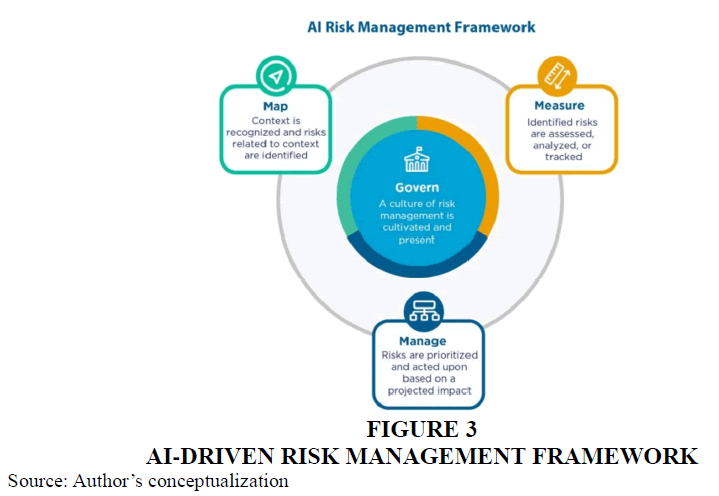
Figure 3 AI-Driven Risk Management Framework
Source: Author’s conceptualization
This study is subject to certain limitations. As a conceptual and analytical review, it does not include empirical testing or quantitative validation of AI-driven financial performance outcomes. Consequently, future research should empirically examine the impact of AI adoption on financial efficiency, risk mitigation, and organizational performance across different sectors. Further research is also needed to explore industry-specific applications, cross-country regulatory approaches, and evolving governance models for AI in financial management.
Conclusion
AI-driven financial management marks a decisive shift from reactive financial oversight to intelligent foresight. By integrating real-time data, predictive analytics, and adaptive decision-making, artificial intelligence fundamentally reshapes how financial resources are allocated and risks are managed. This transformation enhances economic efficiency by reducing operational inefficiencies, improving forecasting accuracy, and enabling faster, more informed financial decisions in increasingly complex economic environments.
Equally important is AI’s contribution to proactive risk control. Unlike traditional risk management approaches that rely on retrospective assessments, AI-driven systems support continuous monitoring, early detection of anomalies, and adaptive risk mitigation. These capabilities strengthen organizational resilience and improve preparedness for financial uncertainty and systemic disruptions.
However, the benefits of AI-driven financial management are contingent upon responsible implementation. Ethical concerns related to transparency, data privacy, and algorithmic bias highlight the need for robust governance frameworks and sustained human oversight. AI should be understood as an enabler of augmented financial intelligence rather than a substitute for managerial judgment.
In conclusion, the strategic integration of AI into financial management offers a strong foundation for efficient, resilient, and adaptive financial systems. Organizations that align AI capabilities with ethical principles and governance structures will be better positioned to navigate uncertainty and achieve sustainable financial performance in the digital economy.
References
Bishop, C. M., & Nasrabadi, N. M. (2006). Pattern recognition and machine learning (Vol. 4, No. 4, p. 738). New York: springer.
Bughin, J., Seong, J., Manyika, J., Chui, M., & Joshi, R. (2018). Notes from the AI frontier: Modeling the impact of AI on the world economy. McKinsey Global Institute, 4(1), 2-61.
Davenport, T. H., & Ronanki, R. (2018). Artificial intelligence for the real world. Harvard business review, 96(1), 108-116.
Fuster, A., Goldsmith‐Pinkham, P., Ramadorai, T., & Walther, A. (2022). Predictably unequal? The effects of machine learning on credit markets. The Journal of Finance, 77(1), 5-47.
Indexed at, Google Scholar, Cross Ref
Gomber, P., Koch, J. A., & Siering, M. (2017). Digital Finance and FinTech: current research and future research directions. Journal of business economics, 87(5), 537-580.
Indexed at, Google Scholar, Cross Ref
Jordan, M. I., & Mitchell, T. M. (2015). Machine learning: Trends, perspectives, and prospects. Science, 349(6245), 255-260.
Indexed at, Google Scholar, Cross Ref
Karimi, M., & Damirchi, F. (2025). Re-Evaluating the Functionalist Approach of Urban Management towards Sustainable Architecture and Urban Layout with Emphasis on the Role of Digital Technologies. Journal of Modern Technology, 2(2), 327-345.
Indexed at, Google Scholar, Cross Ref
Kou, G., Peng, Y., & Wang, G. (2014). Evaluation of clustering algorithms for financial risk analysis using MCDM methods. Information sciences, 275, 1-12.
Indexed at, Google Scholar, Cross Ref
Kraus, M., Feuerriegel, S., & Oztekin, A. (2020). Deep learning in business analytics and operations research: Models, applications and managerial implications. European Journal of Operational Research, 281(3), 628-641.
Indexed at, Google Scholar, Cross Ref
Makridakis, S., Spiliotis, E., & Assimakopoulos, V. (2018). Statistical and Machine Learning forecasting methods: Concerns and ways forward. PloS one, 13(3), e0194889.
Indexed at, Google Scholar, Cross Ref
McAfee, A., & Brynjolfsson, E. (2017). Machine, platform, crowd: Harnessing our digital future. WW Norton & Company.
Mishra, R., & Jain, V. (2025). Exploring the potential of traditional herbal medicine in the management of central nervous system disorders. Phytomedicine Plus, 100896.
Indexed at, Google Scholar, Cross Ref
Müller, V. C., & Bostrom, N. (2016). Future progress in artificial intelligence: A survey of expert opinion. In Fundamental issues of artificial intelligence (pp. 555-572). Cham: Springer International Publishing.
Indexed at, Google Scholar, Cross Ref
Penaganti, R. (2025). Technical Implementation Guide: Modern Payment Solutions for Captive Finance. Journal of Computer Science and Technology Studies, 7(11), 346-362.
Indexed at, Google Scholar, Cross Ref
Penaganti, R. (2025). Building a Universal Payment Platform: Breaking Free from Payment Gateway Lock-in. Journal of International Crisis & Risk Communication Research (JICRCR), 8.
Indexed at, Google Scholar, Cross Ref
Saripudi, K. (2025). A Study on Artificial Intelligence and Cloud Computing Assistance for Enhancement of Startup Businesses. Journal of Computing and Data Technology, 1(1), 68-76.
Indexed at, Google Scholar, Cross Ref
Shrestha, Y. R., Ben-Menahem, S. M., & Von Krogh, G. (2019). Organizational decision-making structures in the age of artificial intelligence. California management review, 61(4), 66-83.
Indexed at, Google Scholar, Cross Ref
Soma, A. K. (2025, February). Enhancing Supply Chain Transparency and Integrity: A Permissioned Blockchain Framework. In 2025 International Conference on Emerging Systems and Intelligent Computing (ESIC) (pp. 819-826). IEEE.
Indexed at, Google Scholar, Cross Ref
Received: 20-Jan-2026, Manuscript No. AMSJ-26-16810; Editor assigned: 21-Jan-2026, PreQC No. AMSJ-26-16810(PQ); Reviewed: 28- Jan-2026, QC No. AMSJ-26-16810; Revised: 04-Feb-2026, Manuscript No. AMSJ-26-16810(R); Published: 11-Feb-2026