Review Article: 2026 Vol: 30 Issue: 2
Branding Beyond the Surface: How Employer Image Drives Citizenship Behavior in Private Banks
Pallavi Pahuja, Chandigarh Business School of Administration, Landran, Mohali
Ruby Sharma, Chandigarh Business School of Administration, Landran, Mohali
Aaruni Batta, Chandigarh Business School of Administration, Landran, Mohali
Radhika Giri, Chandigarh Business School of Administration, Landran, Mohali
Anu Jhamb, Punjab University, Chandigarh
Citation Information:Pahuja, P., Sharma, R., Batta, A., Giri, R., & Jhamb, A. (2026) Branding beyond the surface: how
employer image drives citizenship behavior in private banks. Academy of Marketing Studies Journal,
30(2), 1-9.
Abstract
The investigation documents the strategic role of employer branding in enhancing OCB in selected private sector banks in India, that is, ICICI Bank, HDFC Bank, Axis Bank, Yes Bank, and Kotak Mahindra Bank. Getting and keeping talented talent is a challenge in today's challenging banking industry. The present study examines how attitudes in response to employer branding impact employees' intentions to display citizenship with an organization.
The data used was primary data, drawn by use of structured questionnaires given to organizational members at different hierarchies from the banks selected. The significance of this prediction model is in the contribution in outcome of the individual factors of the structural dimensions of employer branding namely organizational culture, leadership image, opportunity for career development and work life balance using multiple stepwise regression which significantly predict employee's retention.
Findings show that organizations with a strong employer brand have a positive statistically significant effect on employee retention. The results indicate that banks focusing on internal branding approaches and building a powerful employer identity are successful in decreasing turnover and increasing workforce stability.
This research expands the nascent literature on HR by empirically examining the relationship between employer branding and talent retention in the Indian private sector. It offers actionable insights for HR managers and policymakers aiming to build a sustainable employer brand and retain top talent.
Keywords
Employer Branding, Employee Retention, Private Sector Banks, Stepwise Regression, Talent Management, Organizational Culture, India.
Introduction
Both general and sector-specific research have increasingly focused on Organizational Citizenship Behavior (OCB) due to its significant implications for organizational success, performance outcomes, managerial evaluations, and reward systems. A wealth of empirical studies has established a positive link between OCB and critical performance indicators such as employee productivity, customer satisfaction, and organizational effectiveness (Blume, Whiting & Podsakoff, 2009).
In the context of the banking industry, where customer satisfaction and service quality are central to business success, OCB plays a crucial role. The presence of antisocial or toxic work environments negatively influences employee morale and customer interactions. In contrast, a healthy organizational climate fosters job satisfaction and enhances employee engagement both of which are strongly associated with higher levels of OCB (Bernstein, 2011).
This study seeks to bridge existing research gaps by examining the patterns of OCB exhibited by employees in the Indian private banking sector. Specifically, it aims to explore how variables such as gender and work experience influence the display of OCB. To achieve this, a structured questionnaire was developed to capture employees’ perceptions regarding organizational support and extra-role behaviour. Primary data will be analysed using empirical techniques to evaluate the degree of correlation between these variables and OCB.
Williams & Anderson (1991) proposed a widely accepted framework for categorizing OCB into two dimensions:
Organizational Citizenship Behavior–Individual (OCBI): Refers to behaviors directed toward colleagues, such as helping them with work or personal issues. Key traits under this category include altruism and courtesy.
Organizational Citizenship Behavior–Organization (OCBO): Refers to behaviors that support the overall functioning of the organization, such as adhering to organizational norms and demonstrating involvement in organizational affairs. This includes conscientiousness, civic virtue, and sportsmanship.
By analyzing these dimensions within the private banking context, the study aims to offer meaningful insights into the behavioral patterns that enhance organizational cohesion and performance.
Theoretical Base of the study Theory of Psychological Contract
A psychological contract may be described as "an individual's convictions with respect to the agreements of a complementary trade game plan between the center individual and another party" (Rousseau, 1990). According to Morrison & Robinson, it is "a representative's point of view with respect to the corresponding commitments between the worker and [their] association, when these commitments depend on apparent responsibilities and not generally recognized by specialists of the association" (1997)". The concept is described as "a sequence of shared expectations that may not itself be fully understood but yet regulate the participants to the link" by Levinson et al., 1962.
"The assortment of assumptions held by the singular representative that demonstrate what the individual and the association hope to give to and get from one another throughout their functioning relationship." (Sims, 1994) summarizes the psychological contract. Based on the aforementioned definitions, it is clear that psychological contracts are concerned with how an organization and an individual view the reciprocal promises and obligations relating to work, pay, loyalty, commitment, security, flexibility, and career advancement that are implied in their employment relationship. Relational or transactional psychological contracts are also possible. Long-term work security, career advancement, opportunities for training and growth, and phrases like stability and loyalty are all included in the relational psychological contract.
Transactional psychological contracts feature clauses like confined obligations and short-term length limitations and refer to precise, monetisable exchange over a constrained time.
Organizations that offer a distinct and alluring psychological contract will stand out as employers. On the other hand, the employer brand is crucial in the creation of the psychological contract, and the veracity of the information represented in the employer brand will influence how the psychological contract is perceived to have been fulfilled. Therefore, having a constant EVP is crucial. To minimize consequences associated to psychological contract violations, such as decreased loyalty, decreased productivity, etc., employees must have faith in the organization to keep its commitments.
Literature Review
Aslam (1995) investigated whether there was a correlation between employer branding and candidates' intentions to participate in recruitment drives. Information was gathered from students who were enrolled in multiple universities. It was observed that employer branding and the intention to apply in recruitment had a favourable association.
Barrow & Ambler (1996) coined the term "Employer branding" in the Journal of Brand Management, which also asserted that marketing principles may undoubtedly be applied to employment situations. Implementing this concept would also be advantageous to both parties and result in symmetrical performance evaluation of both employers and employees. They mentioned that applying marketing to employment issues is undoubtedly possible. Putting this concept into practise would benefit both the company and the employees, and it would result in performance metrics that were comparable.
Allen & Rush (2001) conducted a research to comprehend gender-specific OCB behaviour. They did it so that men's and women's workplace behaviours and attitudes could be better understood. Participants were instructed to watch recorded lectures in that experiment. The OCB levels and dimensions were discussed in those lectures. Following that, the participants were given a scale to use to rate their citizenship behaviour. It was noticed that the male representatives were preferable entertainers over the female workers in OCB execution conditions.
Backaus & Tikkoo (2004) stated employer branding as an art where the employer relates their employee value proposition to organization’s brand, discussing progress with them - inside and outside the firm. The research further stated correlation between employer branding and organization culture and its significant impact on company’s image.
Martin et al., (2005) described brand building and employer branding as a continuous process that has some specific adjustments and follow-ups. It was emphasized that the process needs continuous re fueling, latest knowledge, and vigilance. Hence, there should be a dynamic and a systematic program that can facilitate management of a cross-functional team thus boosting the reputation of the organization.
Berthon et al., (2005) stated that there are five processes to building a great employer brand: comprehending the company, formulating a compelling brand promise, establishing metrics for measuring brand promise fulfilment, coordinating HR practises to support the promise, and executing and measuring.
Minchington et al., (2007) defined the role of employer branding based on the current business circumstances. The research stated that it benefits the organization internally as well as externally. While promoting employee loyalty within the organization, it also attracts the talented employees from outside the organization. In the studies, a prominent advantage of employee branding highlighted was that it provides a competitive advantage to the organization which helps not only in acquiring new talent, but also nurturing and, retaining it.
Bukhari et al., (2008) assessed OCB in Pakistan's banking industry allowed researchers to identify the variables that are most strongly correlated with OCB. Altruism, conscientiousness, and civic virtue are the three most crucial factors, and they all exhibit a favourable connection with OCB. It was also discovered that the perception of OCB is unaffected by the level of hierarchy in Pakistan's banking industry.
Becton et al., (2009) conducted a comparative study to find some significant discrepancies in how people see Organizational Citizenship Behavior (OCB). They examined a few Chinese and American staff for this reason. There were 393 workers in the sample area. They came to the conclusion that Chinese and American employees in their respective firms exhibit comparable degrees of benevolence and conscientiousness following the thorough examination. Chinese workers were discovered to be more dedicated and disciplined than American workers. They showed more effective organizational support. As a result, the Chinese personnel are more effective at practising OCB than the American employees. Due to the short sample size, there was only one research gap.
Balliet et al., (2011) in their research revealed that women are more likely than men to display altruistic tendencies. It was observed through a study based on meta-analysis that Men put more effort into tasks requiring physical strength, and they tend to cooperate better in same-sex groups than women do. These are just a few conclusions regarding men's conduct. On the other side, it has been observed that women behave more cooperatively than men when it comes to mixed-sex interactions.
Wen et al., (2020) explored that organizational citizenship and work behavior were found to have a significant impact on employee turnover intention and job engagement (2020). Both employee turnover intention and work behavior, as well as employee turnover intention and organizational citizenship behavior, are mediated by job engagement, according to research. This makes it clear how staff turnover affects organizational citizenship and work behavior. organizational citizenship behavior and work behavior are substantially connected with employee turnover intention and job engagement. According to research, employee turnover intention and organizational citizenship behavior, as well as employee turnover intention and work behavior, are all mediated by job engagement. This clarifies how organizational citizenship and work behavior are impacted by staff turnover.
Sindhuja et al., (2020) encompassed that employee retention is positively and directly impacted by the work-life balance of the employees. Additionally, it will aid in increasing employee retention and work satisfaction in the banking sector. 245 banking industry respondents took part in the study.
Gupta et al., (2021) elaborated the concept of employer branding experience has a direct, favourable relationship with corporate citizenship behavior, according to Additionally, it was discovered that the relationship between corporate citizenship behavior and employer branding experience is mediated by employee engagement.
Objective
H0: Employer image does not significantly influence the display of organizational citizenship behavior among employees in private sector banks.
H1: Employer image significantly influences the display of organizational citizenship behavior among employees in private sector banks.
Research Methodology
A structured questionnaire was used as a tool of research which was tested in a pilot survey, comprising of variables under study. Data was also collected from blogs, journals, relevant articles, bank websites. Some pre conducted surveys are also referred in the process to get detailed insights. Judgment sampling method a type of non-probability sampling technique is adopted to collect primary data. In this method the researcher has complete confidence about representation of sampling units. A questionnaire was routed to 403 Bank employees.
Analysis and Interpretation
This study examined the relationship between ten dimensions of employer branding namely teams, tasks, internationality, development, job security, work-life balance, benefits, reputation, diversity, and culture and five dimensions of Organizational Citizenship Behavior (OCB): Conscientiousness, sportsmanship, civic virtue, courtesy, and altruism, using multiple regression analysis on data from employees of selected private sector banks.
To examine the fit of regression model and to identify the best practices of OCB, multiple stepwise regression analysis was used with the 5 dimensions of OCB (Conscientiousness, sportsmanship, civic virtue, courtesy and altruism), are taken as DVs. Here EB (Employer Branding) is taken as predicting (Independent variable). There is no violation of assumption regarding sample size, multicolinearity and outliers (Table 1).
| Table 1 Regression Model Summary for EB on ER | ||||
| Model | R | R Square | Adjusted R Square | Std. error of the estimate |
| 1 | .738a | 0.544 | 0.543 | 0.55448 |
| 2 | .778b | 0.605 | 0.603 | 0.51682 |
| 3 | .787c | 0.62 | 0.617 | 0.5077 |
| 4 | .794d | 0.63 | 0.626 | 0.50143 |
| Note: a. Predicting (Independent variable), EBD b. Predicting (Independent variable), EBD, EBR c. Predicting (Independent variable), EBD, EBR, EBWLB d. Predicting (Independent variable), EBD, EBR, EBWLB, EBTM e. DV: OCB |
||||
To assess the fit of the regression model and select the most suitable independent variables (Variables of EB) as predictors of OCB, multiple regression stepwise analysis was done to study the impact. It was observed that EBD, EBR, EBWLB and EBTM are the highest predictors of OCB.
The value of adjusted R2 is 54%, 60.03%, 61.7% and 62.6% of variance in EB is explained by EBD, (EBD and EBR), (EBD, EBR and EBWLB), and (EBD, EBR, EBWLB and EBTM) respectively.
The model outline in table announced the strength of connection between the model and DV and presents R, R2 and adjusted R2 and standard error of the estimate.
R is the multiple correlation coefficient which is characterized as the linear correlation amongst observed and predicted values of DV. R2, coefficient of determination is 63% for private sector employees from chose banks (Table 2).
| Table 2 Anova Table for Regression and Residual Values of EB on OCB | ||||||
| ANOVAa | ||||||
| Model | Sum of squares | Df | Mean square | F | Sig. | |
| 1 | Regression | 147.133 | 1 | 147.133 | 478.562 | .000b |
| Residual | 123.286 | 401 | 0.307 | |||
| Total | 270.419 | 402 | ||||
| 2 | Regression | 163.578 | 2 | 81.789 | 306.21 | .000c |
| Residual | 106.841 | 400 | 0.267 | |||
| Total | 270.419 | 402 | ||||
| 3 | Regression | 167.573 | 3 | 55.858 | 216.704 | .000d |
| Residual | 102.846 | 399 | 0.258 | |||
| Total | 270.419 | 402 | ||||
| 4 | Regression | 170.348 | 4 | 42.587 | 169.375 | .000e |
| Residual | 100.072 | 398 | 0.251 | |||
| Total | 270.419 | 402 | ||||
| Note: b. DV: OCB c. Predicting (Independent variable), EBD d. Predicting (Independent variable), EBD, EBR e. Predicting (Independent variable), EBD, EBR, EBWLB |
||||||
The above Table 2 represents regression line of OCB on 4 dimensions of EB, which are EBD, EBR, EBWLB and EBTM.
The estimated regression equation in the 1st model is:
Y=b0+b1x1+e
OCB=1.572+0.521EBD+e
Here, Y is OCB and X1 is EBD and e is error term.
The most important dimension of EB in explaining variance with respect to OCB was Employee Development (EBD) with the highest beta value, 0.521, significant at 0.00 significance level which indicates that as Employee Development (EBD) increases, OCB will increase by 0.521 units.
It could be concluded that EBD is a significant predictor of OCB among select Pvt. Sector Bank employees,
In the 2nd model, the regression equation is:
Y=b0+b1x1+b2x2+e OCB=1.185+0.320EBD+0.281EBR+e
Here Y is OCB, X1 is EBD, X2 is EBR and e is the error term. The most important variable in explaining variance with respect to OCB is Employee Development (EBD) with highest beta value 0.320, significant at 0.01 level which indicates that as EBD increases by 1 unit, OCB will increase by 0.320 units and when EBR increases by one unit, OCB increase by 0.281 units.
The 2 dimensions of EB (EBD and EBR) could be predictors of OCB in selected private sector bank employees.
In model 3, the estimated regression equation is:
Y=b0+b1x1+b2x2+b3x3+e OCB=1.093+0.295EBD+0.246EBR+0.100EBWLB+e
Here Y is OCB, x1 is EBD, x2 is EBR and x3 is EBWLB and e is error term.
The most important variable in explaining variance w.r.t OCB was Employee Development (EBD) with highest beta value 0.295, then Employer Brand Reputation (EBR) depicting beta value (0.246), Employee’s Work Life Balance (EBWLB) with beta value (0.100) which indicated that EBD, EBR and EBWLB (in descending order) are predictive variables of OCB in select Pvt. Sector Bank employees.
In model 4, the estimated regression equation is:
Y=b0+b1x1+b2x2++b3x3+b4x4+e
OCB=0.997+0.214EBD+0.218EBR +0.092EBWLB+0.145EBTM +e
Here, Y is OCB and x1 is EBD, x2 is EBR, x3 is EBWLB and x4 is EBTM, whereas e is error term.
The most important variable in explaining the variance w.r.t, OCB is EBR with highest beta value 0.214, then EBTM with Beta value 0.145 and then EBWLB with beta value 0.092 which indicates that 4 dimensions of EB i.e., EBR, EBD, EBTM and EBWLB (in descending order) are significant predictors of OCB in Pvt. Sector bank employees, T-test statistics helps to determine importance of each variable in the model.
To detect the problem of multicolinearity if any, tolerance value and VIF value was calculated. Since tolerance value for each is close to 1, and VIF value for none of the variable is >10, so no multicolinearity detected in the data (Figure 1).
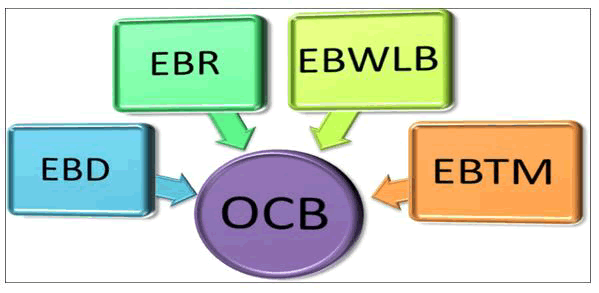
Figure 1 Dimensions of Eb Having a Significant Impact on OCB
Type and level of risk that it is appropriate for them to assume. Most business decisions are about sacrificing current resources for future uncertain returns. In this sense, risk management and risk-taking aren’t opposites, but two sides of the same coin.
Discussion
• Overall impact: Four dimensions of employer branding development, reputation, work-life balance, and teams were found to significantly influence OCB across various behavioural traits.
• Conscientiousness was positively impacted by development, job security, teams, reputation, and benefits. These factors enhance employees' diligence, timeliness, and self-discipline.
• Sportsmanship showed significant associations with benefits, tasks, development, internationality, and job security. These attributes promote employees' resilience and positivity in adverse situations.
• Civic virtue, reflecting ownership and organizational involvement, was influenced by teams, tasks, development, internationality, job security, and diversity.
• Courtesy was positively associated with teams, reputation, work-life balance, benefits, and diversity, promoting considerate and respectful workplace behavior.
• Altruism, representing selfless help towards colleagues, was driven by reputation, work-life balance, and job security.
Conclusion
Most employer branding dimensions significantly influence OCB traits, particularly conscientiousness, civic virtue, courtesy, and altruism. However, sportsmanship showed relatively less influence. These insights highlight that strong internal branding strategies centered around development, security, recognition, and inclusive culture can foster positive discretionary behaviors in employees of private sector banks.
References
- Ahmad, N. A., & Daud, S. (2016). Engaging people with employer branding. Procedia Economics and Finance, 35, 690–698.
- Aleem, H., Correa-Herran, I., & Grzywacz, N. M. (2020). A theoretical framework for how we learn aesthetic values. Frontiers in Human Neuroscience.
[Crossref] [Google Scholar] [PubMed]
- Allen, T. D. (2006). Rewarding good citizens: The relationship between citizenship behavior, gender, and organizational rewards. Journal of Applied Social Psychology, 36(1), 120–143.
- Ambler, T., & Barrow, S. (1996). The employer brand. Journal of Brand Management, 4(3), 185–206.
- Ashrafi, D. M. (2022). Assessing the impact of internal branding on organizational citizenship behavior among hotel employees in Bangladesh. 14(8), 46–61.
- Cropanzano, R. S., Rupp, D. E., Thornton, M. A., & Shao, R. (2016). Gender and organizational citizenship behavior. In The Oxford Handbook of Organizational Citizenship Behavior.
- Edwards, M. R. (2009). An integrative review of employer branding and OB theory. Personnel Review, 39(1), 5–23.
- Goud, V. M. (2020). Internal branding and organizational citizenship behaviors: Evidence from public sector banks. 1–6.
- Gözükara, I. (2016). The effect of employer branding on employees’ organizational citizenship behaviors. International Journal of Business Management and Economic Research (IJBMER), 7(1), 477–485.
- Jeong, Y. R., Brien, K. O., & Chaykovska, K. (2017). Beyond behavioral checklists: Perceived breadth of organizational citizenship behavior. November, 0–26.
- K.K, S., P, P., & K, G. (2014). Study on organizational citizenship behavior in banking industry. International Journal for Innovation Education and Research, 2(7), 73–82.
- Mishra, Y., & Subudhi, R. N. (2017). Role of employer branding and organization attractiveness influencing citizenship behavior: A review.
- Özçelik, G., & Findikli, M. A. (2014). The relationship between internal branding and organizational citizenship behavior: The mediating role of person-organization fit. Procedia - Social and Behavioral Sciences, 150, 1120–1128.
- Paillé, P., Grima, F., & Bernardeau, D. (2013). When subordinates feel supported by managers: Investigating the relationships between support, trust, commitment, and outcomes. International Review of Administrative Sciences, 79(4), 681–700.
- Pahuja, P., Sharma, R., & Batta, A. (2025). Humanizing AI: The role of employer branding in attracting and retaining top talent. In AI Marketing and Ethical Considerations in Consumer Engagement. IGI Global Scientific Publishing.
- Pahuja, P., Sharma, R., & Batta, A. (2024). Employer branding: Pioneering HR innovations. In Innovative Technologies For Increasing Service Productivity (pp. 212–219). IGI Global Scientific Publishing.
- Sharma, R., Pahuja, P., Singh, G., & Sharma, A. (2024). Heading toward the solution of employability issues through interdisciplinary management education. In Interdisciplinary Approaches in Management Education.
- Sharma, R., Batta, A., & Pahuja, P. (2025). From brand to bond: Unlocking the connect between employer branding and employee retention in private banks. World Journal of Management and Economics, 18(1).
- Sidhu, L. S., & Saini, R. (2022). The impact of social media on the pre-purchase of plurals.
[Crossref]
- Piercy, N. F., Cravens, D. W., Lane, N., & Vorhies, D. W. (2006). Driving organizational citizenship behaviors and salesperson in-role behavior performance: The role of management control and perceived organizational support. Journal of the Academy of Marketing Science, 34(2), 244–262.
- Podsakoff, N. P., Whiting, S. W., Podsakoff, P. M., & Blume, B. D. (2009). Individual- and organizational-level consequences of organizational citizenship behaviors: A meta-analysis. Journal of Applied Psychology, 94(1), 122–141.
[Crossref] [Google Scholar] [PubMed]
- Podsakoff, P. M., MacKenzie, S. B., Moorman, R. H., & Fetter, R. (1990). Transformational leader behaviors and their effects on followers’ trust in leader, satisfaction, and organizational citizenship behaviors. The Leadership Quarterly, 1(2), 107–142.
- Skandarpour, B., Manteghi, M., Nazari, Y., & Ahadi, R. (2016). The mediating role of job engagement in the relationship between the employer brand and citizenship behavior. International Business Management, 10(10), 1833–1841.
- Smith, C. A., Organ, D. W., & Near, J. P. (1983). Organizational citizenship behavior: Its nature and antecedents. Journal of Applied Psychology, 68(4), 653–663.
- Subedi, R., & (Nepal), A. S. (2019). Association between human resource management practices and organizational citizenship behavior in Nepalese commercial banks. Indian Journal of Commerce & Management Studies, 11(1), 32.
- Tambe, S., & Meera, S. (2014). A study of organizational citizenship behavior (OCB) and its dimensions: A literature review. International Research Journal of Business and Management. 67–73.
- Tatar, B., & Ergun, H. S. (2018). Employer branding and employee attitudes: Mediating role of person-organization fit. Pressacademia, 5(2), 110–120.
- T Wahba, M. & Elmanadily, D. (2015). Employer branding impact on employee behavior and attitudes: Applied study on pharmaceutical in Egypt. International Journal of Management and Sustainability, 4(6), 145.
- Wei, Y.C. (2012). Person-organization fit and organizational citizenship behavior: Time perspective. Journal of Management & Organization, 18(6), 833–844.