Research Article: 2026 Vol: 30 Issue: 2
Digital Transformation And Supply Chain Sustainability In India: Examining The Role Of AI, CLOUD, AND IOT
Pritha Chaturvedi, ICFAI University Jharkhand, India
Soumyajyoti Bhattacharjee, ICFAI University Jharkhand, India
Citation Information: Chaturvedi., P & Bhattacharjee., S. (2026) Digital transformation and supply chain sustainability in india: examining the role of ai, cloud, and iot. Academy of Marketing Studies Journal, 30(2), 1-13.
Abstract
The concept of digital transformation has been a characteristic in transforming the supply chain system in all parts of the globe and especially in the emerging economies like India. Indian supply chains are set in complex economic, environmental and social environments with rapid industrialization, infrastructural disparities, limited resources and heightening regulatory as well as other stakeholder pressure. Simultaneously, new opportunities to enhance the efficiency, transparency, resilience, and sustainability of supply chains operations are presented by the development of digital technologies, including Artificial Intelligence, Cloud Computing, and the Internet of Things. The current research paper focuses on the connection between digital transformation and supply chain sustainability in India, paying a particular focus to the role of technologies such as Artificial Intelligence, Cloud-based solutions, and Internet of Things solutions. The research design is descriptive and analytical in nature and it combines secondary data sources such as scholarly articles, policy documents, and trade journals with primary data gathered by use of structured questionnaires that were sent to supply chain managers in India. The results have shown that digital technologies can play a key role in both the economic and environmental sustainability by optimizing costs and increasing productivity, reducing waste and controlling emissions, as well as the social sustainability by increasing transparency, worker safety, and compliance. Nevertheless, the research also cites key obstacles such as lack of digital infrastructure, availability of skilled labor, cyber issues, and high costs of implementation, especially to the small and medium enterprises. The article concludes that, although digital transformation has a huge potential of ensuring sustainable supply chains in India, to achieve this potential, it will be necessary to coordinate the policy support, organizational preparedness, invest in skills and secure responsible technology governance.
Keywords
Digital Transformation, Supply Chain Sustainability, Artificial Intelligence, Cloud Computing, Internet Of Things, India.
Introduction
Supply chains are the heart of the modern economic systems that promote the movement of raw materials, intermediate goods, finished products, information and finances through various phases of production and distribution. Supply chains in a globalized economy have become more complex, interconnected and susceptible to disruptions. As a rapidly developing economy in the world, India depends much on effective supply chains to facilitate its major economic sectors concerned with manufacturing, agriculture, pharmaceutical, textile, retail, and supply industry. The economic growth, creation of employment, consumer welfare, competitiveness of a nation is directly related to the performance of supply chains in India.
Although significant, traditional supply chain systems in India have always had a number of structural and operational flaws. These comprise disjointed networks, poor coordination among stakeholders, low visibility in the process of supply chain, high logistics, large inventory holding, and massive wastage of resources. The supply chain activities, especially transportation, manufacturing, and packaging, are closely related to environmental issues, including air pollution, greenhouse gas emission, water shortage, and solid waste production. Other social issues such as poor working environments, unofficial labor regulations and non-adherence to labor standards also make supply chain sustainability in India even more difficult.
Sustainability has become a serious issue within the supply chain management in recent years. Sustainable supply chains seek to ensure a balance between the economic and environmental performance and social responsibility. Long-term profitability, cost effectiveness, and disruption resilience are the concerns of economic sustainability. Environmental sustainability focuses on ensuring that ecological footprints are minimized by cutting down on emissions, efficient utilization of resources, and minimizing waste. Some of the concerns that social sustainability deals with include labor rights, safety at work, ethical sourcing, and community development. Sustainability in supply chain practices has now been a strategic requirement and need among Indian organizations that exist in competitive and resource limited environments.
The digital transformation has been extensively perceived as an effective facilitator of the supply chain modernization and sustainability. Digital technologies enable organizations to gather, process, and analyse large volumes of data in real time, which improves the abilities of decision-making and operational control. Predictive analytics and intelligent automation are achieved through artificial intelligence, the integration and collaboration of various partners in the supply chain is made easy through Cloud computing and real-time visibility is created by the Internet of Things through smart sensors and devices. All these technologies are the basis of smart and sustainable supply chains.
In the last ten years, there has been a rapid growth in digital adoption in India due to the efforts of the Digital India, Make in India, National Logistics Policy, and the movement towards Industry 4.0. The expansion of mobile connectivity, cloud infrastructure, and capabilities of data analytics has presented a conducive environment in which digital transformation is found in the sectors. Nevertheless, the scope with which the digital technologies are being exploited in the specific context of supplying sustainability to the supply chain is unequal and under-investigated.
The bulk of the available researches dwell on digital transformation or the concept of sustainability, but comparatively few of them investigate their intersection within the Indian supply chain. Furthermore, there is a lack of empirical studies on the interaction between Artificial Intelligence, Cloud computing, and the Internet of Things with respect to economic, environmental and social sustainability targets within Indian supply chains. This research paper aims to fill this gap by conducting a systematic study of how digital transformation can be used to improve on supply chain sustainability in India.
The paper is organized in the following way. The second part entails the conceptual framework of the relationship between digital transformation and supply chain sustainability. It is then followed by review of the relevant literature. Later parts specify the research objectives, research methods, data analysis and discussion of the results. Finally, the paper ends up with the policy and managerial implications, limitations, and future research directions.
Conceptual Background
The Sustainability of Supply Chains is the Second Category
Supply chain sustainability suggests a management of material, information and financial flows in such a way that long term economic viability is achieved and the environmental damage is as low as possible and both contributes to the social well being. The idea is closely connected with the triple bottom line framework, that puts an accent on the incorporation of economic, environmental, and social goals. The purpose of sustainable supply chains is to generate value not only to the firms but also to the society and the environment in the long run1.
Supply chain sustainability in the Indian context is driven by various issues such as regulatory frameworks, development of infrastructures, market competition and the expectations of the stakeholders. The increasing pressures on the environment, due to rapid industrialization and urbanization, and the growing socio-economic inequalities, have created intensified concerns about the standards of labor and social equity. To attain sustainability in Indian supply chains, thus, needs systemic changes that are supported by technology, policy, and organizational commitment.
Supply Chain Digital Transformation
Digital transformation refers to the application of digital technologies to transform the business processes, organization structure, and value creation mechanisms in a fundamental way. Digital transformation is applicable in supply chains to facilitate end-to-end visibility, routine automation, real-time monitoring, and data-driven decision-making. The digitalized supply chains are in a better position to act on the variability of demand, supply disruption, and sustainability demands.
Some of the most impactful technologies that bring about digital transformation in the supply chains include Artificial Intelligence, Cloud Computing and the Internet of Things. The technologies allow organizations to move away the reactive and fragmented operating system to proactive and integrated management systems2.
Artificial Intelligence Function
Artificial Intelligence is the power of machines and systems to carry out functions which are usually undertaken by human intelligence, including learning, reasoning, and problem-solving. AI is employed in supply chains in demand forecasting, inventory optimization, supplier selection, route planning, and risk management. The AI algorithms can detect the patterns, foresee the future results, and suggest the best decisions based on the analyses of historical and real-time data. AI is also involved in sustainability by helping to decrease overproduction, waste, and enhancing the use of resources.
Role of Cloud Computing
Cloud Computing is the possibility of organizations to gain access to the computing resources, storage of information and the applications using internet-based platforms. The cloud supply chain systems also provide a way of sharing information and having all the various stakeholders such as suppliers, manufacturers, logistics providers and retailers work together. Cloud-based services can be scaled, flexible and cost-effective, advancing supply chain technologies can be available even to smaller companies. Cloud computing helps minimize the on-premises infrastructure that is energy-intensive and enhances coordination, which is more efficient in terms of sustainability.
Role of Internet of Things
The Internet of Things is a network of interconnected devices that have interchangeable sensors to gather and send information. IoT devices are applied in the supply chains to monitor shipments, evaluate the environment conditions3, and gauge equipment performance. IoT-based systems offer real-time visibility and traceability which allow organizations to identify inefficiencies in their operation, minimize losses, and stay within the framework of sustainability. IoT has a very significant role to play in environmentally sensitive industries like farming, food processing and pharmaceuticals.
Review of Literature
The connection between sustainability and the supply chain management has been an issue of growing scholarly interest in the last two decades. Although the main concern of the early research was on the cost-efficiency and operational performance, more recent studies are concerned with the inclusion of the environmental and social factor into the supply chain plans. The concept of sustainable supply chain management has been described as a strategic correlation of material, information and financial flows in a manner which ensures economical goals are realized without causing any environmental damage and social goodwill4. Researchers believe that sustainability-focused supply chains boost the sustainability competitiveness in the long term in the sense that they increase the resilience, reputation, and trust of the stakeholders5.
Digital transformation has become one of the key facilitators of sustainable supply chain practices. Digital technologies can be used to collect, process, and analyze a massive amount of data at any stage of the supply chain, making supply chains more transparent and coordinated6. According to studies, digitally enabled supply chains are more responsive and capable of responding to uncertainty and disruption7. The COVID-19 crisis showed that digital capabilities can help to ensure continuity of the supply chain, which further promotes the sustainability of the digital transformation.
The application of Artificial Intelligence in terms of supply chain optimization is a common topic of research. It has been demonstrated that AI-based applications to forecast demand, manage inventory and transportation, and include decision accuracy and operational inefficiency reduction8. AI leads to the economic sustainability through cost reduction and productivity increase by facilitating predictive analytics and intelligent automation9. In a number of studies, the opportunities of AI in terms of environmental sustainability in terms of reducing waste and emissions are noted. Nevertheless, issues associated with data quality, transparency of the algorithms, and ethical concerns are still serious problems.
Cloud computing has seen the light of day as one of the technologies that can be used to integrate and collaborate with the supply chain. Cloud-based services give suppliers an opportunity to share information with other members of the supply chain in real time, and enhance coordination and responsiveness10. Studies have shown that the usage of clouds lowers the cost of IT infrastructure and energy use thus ensuring sustainability agendas11. In the developing economy like India, cloud computing has reduced the barriers to entry of small and medium enterprises through the affordability of high digital tools without investing a lot of capital.
Internet of Things has become a significant technology that helps increase the visibility and traceability within supply chains. The IoT-based sensors and devices will also offer real-time information about the whereabouts, condition and status of goods and assets12. Empirical research shows that the use of IoT can help to minimize spoilage, improve quality management, and become more aligned to the environmental and safety standards13. Irrespective of its potential, the IoT has challenges associated with interoperability, cybersecurity, and data privacy.
Even though the literature does not ignore the role of the single AI, Cloud, and IoT, despite the fact that a small number of studies focus on investigating the collective role of these elements on the sustainability of supply chains, their influence on the situation in India is studied to a lesser degree. In this study, the gap that is to be bridged is the role of these technologies in jointly determining economic, environmental and social sustainability outcomes in Indian supply chains.
Research Objectives
The objectives of the current research are the following:
• To explore the level of digital transformation in the Indian supply chains, in terms of implementing Artificial Intelligence, Cloud Computing, and Internet of Things technologies.
• To examine how digital transformation will influence the sustainability of the Indian supply chain in the economy.
• To evaluate the role of digital technologies in environmental sustainability in the supply chain processes.
• To assess how the digital transformation is contributing to promoting social sustainability, such as transparency, worker safety, and compliance.
• To determine the major obstacles and issues involved in adopting digital technologies in managing sustainable supply chains in India.
• To offer policy and managerial suggestions to capitalise on the digital transformation to attain sustainable supply chains.
Research Methodology
Research Design
The research design of the current study is descriptive and analytical research as it will be used to investigate the relationship between digital transformation and supply chain sustainability in an Indian setting in a systemic manner. The descriptive element of the design assists in describing the present condition of digital technology implementation, namely, Artificial Intelligence, Cloud Computing, and the Internet of Things, within the context of different supply chain functions. At the same time, the analytical aspect will allow estimating the impact of these technologies on economic, environmental, and social sustainability. To attain a balanced and in-depth analysis, the research would use a mixed-method approach, which would combine quantitative and qualitative methodologies of research. Quantitative data are useful to give quantifiable details on the adoption rates and perceived effects but qualitative input gives us contextual information on difficulties, advantages, and experience in implementing the programs. This is a hybrid methodology that guarantees a one-stop assessment of digital transformation efforts in various supply chain environments, which makes the research results more trustworthy and applicable.
Sources of Data
The current research relies on the primary and secondary data to be accurate and complete in analyzing the digital transformation and supply chain sustainability in India. The secondary data sources were quite extensive and incorporated a variety of reputable sources such as peer-reviewed scholarly journals, standard textbooks, conference proceedings, governmental reports, policy formulations, and publications of national and international organizations. Moreover, industry reports and sustainability reports of the Indian firms were also studied to obtain valuable experience about the application of digital technologies (like Artificial Intelligence, Cloud Computing, and the Internet of Things) in the supply chains.
The data used as primary data were collected using a structured questionnaire that was given to supply chain professionals, logistics managers, procurement executives, and technology consultants operating in different industries within India. The questionnaire was programmed in such a way that it captured the perception of the respondents about the adoption of digital technology, its effects on economic, environmental and social sustainability and the challenges encountered in implementation. The combination of the two sources of data has increased the validity of the study and offers a balanced academic and practical approach14.
The Sample Size and Sampling Method
The sample in the study was one hundred and fifty respondents, which was selected through the purposive sampling method because this method enables the researcher to select respondents, which are deliberate and possess the necessary knowledge and professional experience pertaining to the research objectives. The respondents were selected in the main areas of the Indian economy such as manufacturing, retail, logistics, agriculture and the pharmaceutical industry where the supply chain operations are critical in the performance and sustainability of organizations. The sample included supply chain managers supply chain logistics professionals, procurement officers, technology consultants, and sustainability managers involved directly in planning, implementing, or managing digital technologies in supply chain processes.
The choice of purposive sampling was deemed suitable in this research since it made the sampled respondents to have sufficient exposure to digital transformation initiatives including Artificial Intelligence, Cloud computing, and the Internet of things. Through the use of informed and experienced professionals, the study could obtain some meaningful insights into the patterns of technology adoption, the effects of technology sustainability, and the implementation challenges. This type of sampling made the results of the research more relevant, reliable, and practically applicable15.
Data Collection Instrument
Structured questionnaire was used to collect primary data of the study, which had a specific design to gather the perceptions of the respondents with regards to the digital transformation and supply chain sustainability in India. A five-point Likert scale was used in designing the questionnaire to indicate that the strongly disagree/strongly agree scale enabled the respondents to quantitatively and systematically state the intensity of their responses. The tool was classified into various parts so as to cover the research variables comprehensively. One of the sections was devoted to the degree of usage of digital technologies in the sphere of supply chain operations including Artificial Intelligence, Cloud Computing and the Internet of Things. The other section looked at the perceived effect of these technologies on economic, environmental, and social sustainability levels. Another section dealt with issues of implementation such as cost, infrastructure, and availability of skills and issues of data security.
The questionnaire was pre-tested on a sample population of professionals before the final administration to determine theclarity of the questionnaire, the relevancy, and consistency of the questions. The pre-test also provided feedback that was used to refine the instrument thus improving its reliability and validity in the actual survey16.
Data Analysis Techniques
The quantitative and qualitative data analysis techniques were integrated to analyze the data collected using the structured questionnaire in order to have a comprehensive interpretation of the results. In quantitative analysis, descriptive statistical measures were used to summarize the responses of the respondents in the form of percentages and mean scores to gain a summary of their perception regarding the adoption of digital technology and its effect on supply chain sustainability. There were also some differences in perceptions between technologies, sustainability dimensions, and industry sectors that were assessed through comparative analysis. These methods assisted in determining the general trends, pattern and relationship in the data.
The results were displayed in graphical representation in order to improve clarity and the ease of interpretation they include bar charts and line graphs. The adoption levels and the perceived impacts of the Artificial Intelligence, Cloud Computing, and the Internet of Things were also compared using bar charts and visualized the trends regarding the sustainability performance indicators using the line graphs. Besides quantitative analysis, thematic analysis was used to interpret qualitative responses that were provided by open ended questions Table 1. This entailed a process of identifying common themes and insights concerning benefits, challenges and implementation experiences thus enhancing the qualitative results and to offer a deeper contextual meaning17.
| Table 1 Adoption Level of Digital Technologies in Indian Supply Chains | |||
| Technology | High Adoption (%) | Moderate Adoption (%) | Low Adoption (%) |
| Artificial Intelligence | 41 | 37 | 22 |
| Cloud Computing | 59 | 26 | 15 |
| Internet of Things | 36 | 42 | 22 |
Data Analysis and Results
The data demonstrates that the most popular method of cloud computing among Indian supply chains comes first, then artificial intelligence, and the Internet of Things. The scalability, cost efficiency and simplicity of integration were the main reasons stated which gained more adoption of the cloud by respondents Figure 1.
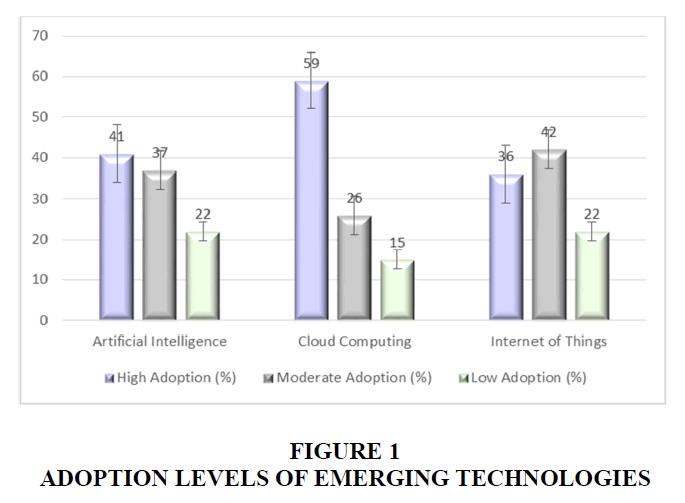
Figure 1 Adoption Levels of Emerging Technologies
The bar chart depicts the level of adoption of three most famous emerging technologies, namely, Artificial Intelligence (AI), Cloud Computing and the Internet of Things (IoT) under the three levels of high, moderate and low percentages of adoption. The highest adoption rate of 59 which is significantly higher than that of AI and IoT at 41 and 36 respectively is recorded with Cloud Computing. The highest moderates on the adoption of IoT is at 42, with AI right behind with 37, and Cloud Computing has the least with 26. The adoption of AI and IoT is also noteworthy with the lowest adoption of the two at 22, at the same time, Cloud Computing has the lowest low adoption with 15 meaning a more consistent uptake. Variability in the data is indicated by error bars which show a level of uncertainty in adoption categories. In general, the chart highlights the fact that Cloud Computing is at its peak when it comes to high adoption, whereas IoT demonstrates a high moderate level of adoption, and AI is characterized by a balanced distribution across all levels of adoption, which may imply different implementation among industries Figure 2.
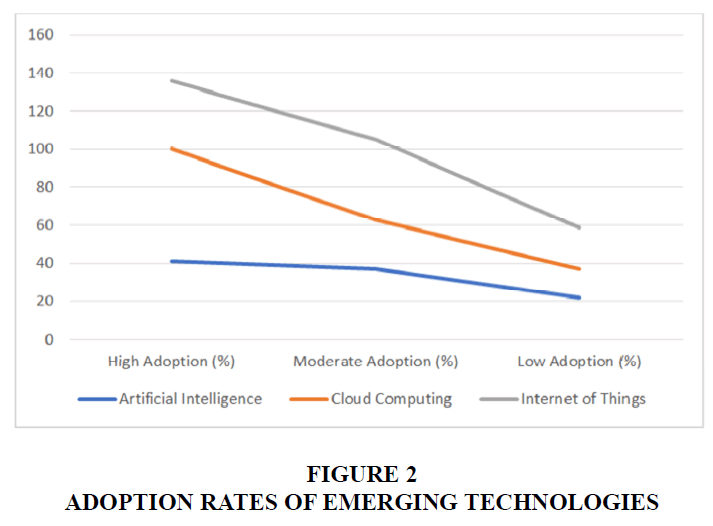
Figure 2 Adoption Rates of Emerging Technologies.
This bar chart illustrates the adoption rates of three technologies namely Artificial Intelligence (AI), Cloud Computing and the Internet of Things (IoT) in three levels of adoption high, moderate and low. The adoption of AI in the High Adoption category is the highest, and it is followed by Cloud Computing and IoT respectively. The adoption level of AI is relatively high as compared to other two technologies as the adoption level reduces. The trend shows that AI is better adopted at upper levels with less adoption rates of the IoT at the whole, high, and moderate, respectively Table 2. The chart is a good reflection of the pace at which these new technologies have been adopted by many level and this implies that there has been a difference in terms of integrating the technology into industries18.
| Table 2 Impact of Digital Technologies on Sustainability Dimensions | |||
| Sustainability Dimension | AI Impact | Cloud Impact | IoT Impact |
| Economic Sustainability | High | High | Moderate |
| Environmental Sustainability | Moderate | Moderate | High |
| Social Sustainability | Moderate | High | Moderate |
The findings indicate that AI and cloud computing can have a powerful effect on economic sustainability, whereas IoT can make the most significant change to environmental sustainability Figure 3.
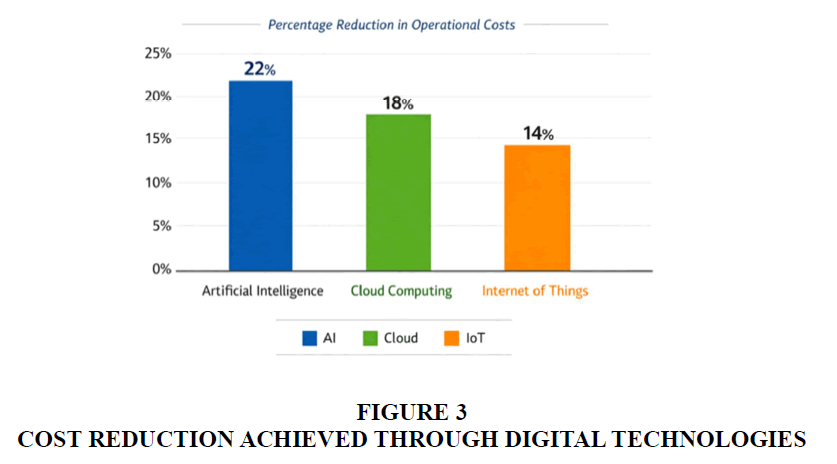
Figure 3 Cost Reduction Achieved Through Digital Technologies
The number depicts the percentage decrease in the operational expenses realized by the use of three types of digital technologies: Artificial Intelligence (AI), Cloud Computing, and the Internet of Things (IoT). Based on the data, the greatest cost savings are achieved in terms of Artificial Intelligence that will help reduce operational costs by 22 percent. The benefits of AI in enhancing efficiency include inventory management, demand, and production planning, which leads to enormous resource wastage and operational overheads reduction. The next one is Cloud Computing, which allows decreasing expenses by 18 per cent, which helps to achieve through scalable infrastructure and improved communication between the supply chain members and immediate availability of data to make better decisions. Real-time monitoring, predictive maintenance, and effective management of logistics make the Internet of Things allow reducing costs by 14%. In general, the figure shows that the effect of all three technologies on the operational efficiency is positive, but the most significant is provided by AI, and it is important to note that digital transformation is a vital factor in raising the economic sustainability and decreasing supply chain costs Figure 4.
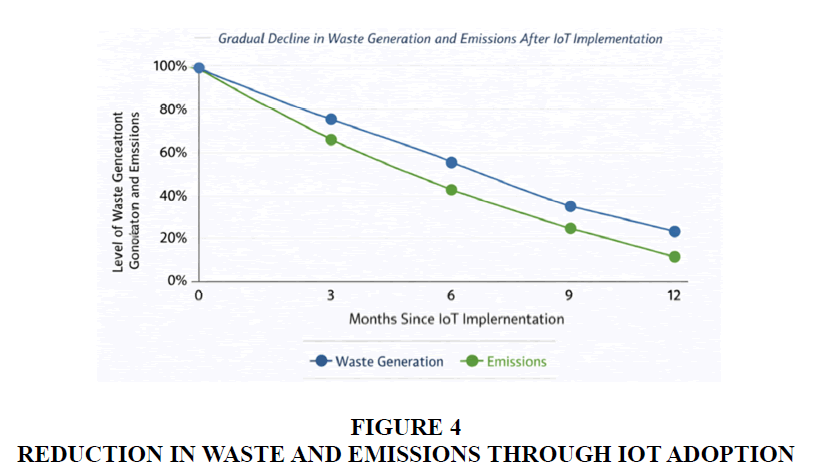
Figure 4 Reduction in Waste and Emissions Through IOT Adoption
The chart shows that there is a steady decrease in the level of environmental impact with time, which underscores the application of IoT as an aid in ensuring environmental sustainability.
The figure shows that the number of waste produced and the emissions reduced gradually as a result of the introduction of IoT technologies to the operations of the supply chain in 12 months. The initial stages of the implementation (Month 0) have a waste production and emission of 100, which is the baseline. With the emergence of IoT-based monitoring, tracking, and predictive maintenance systems, there is an apparent negative trend. Month 3 The waste will be cut to some 75 and emissions are cut to about 65. The trend is steadily decreasing, and there are substantial decreases in the waste at Month 6 (waste at 55, emissions at 42), Month 9 (waste at 35, emissions at 25), and Month 12 (waste at 23, emissions at 12). The figure emphasizes the success of the IoT in improving environmental sustainability through the optimization of processes by offering real-time data, the suppression of resource waste, and emissions. In general, the chart shows that IoT use may result in significant and sustained supply chain environmental performance throughout the time.
Discussion
The study results make it very clear that digital transformation is one of the enablers of supply chain sustainability in India that affect economic, environmental, and social performance. Adoption of Artificial Intelligence can go a long way in supporting sustainability in the economy through accurate demand forecasting, better inventory management, less stock outs, over stocks, and the overall cost of operation. The gains made through these enhancements can ensure that the firms can be more efficient, more profitable and retain their competitive edge.
Cloud computing is also essential in enhancing coordination, sharing of information, and business transparency between the partners in the supply chain. Cloud-based systems are based on the principles of improved accountability and stakeholder engagement resulting in increased economic efficiency and social sustainability with the help of the ability to make more effective decisions and collaborate in real-time using shared data and scalable digital infrastructure.
Internet of Things is especially useful in promoting sustainability of the environment. IoT-based sensors and tracking systems promote real-time monitoring, traceability, and predictive maintenance, which reduces the amount of waste, emissions, and enhances compliance with regulations. Nonetheless, unequal adoption is also found in the study. Big corporations have more advantages since they have more financial resources and technological preparedness but small and medium enterprises have struggles pertaining to costs and skills as well as infrastructure. The results of this study align with the current body of literature which emphasizes the significance of organizational preparedness and favorable digital environments to successful transformation.
Challenges and Limitations
Although this can be the case, there are various challenges that digital transformation of sustainable supply chains encounters in India. The high cost of initial investment, shortage of human capital, cybersecurity, and digital infrastructure deficiency in the rural population make its adoption difficult. Lack of awareness and resistance to change also limit implementation. The sample size as well as a dependence on self-reported data as a source of information limits the study due to a possible introduction of bias. Further studies might utilize longitudinal designs and sector-specific studies to add to these results.
Challenges
1. High Implementation Costs : The introduction of new and more elaborate digital technologies including Artificial Intelligence, Cloud Computing and the Internet of Things requires high initial investment in infrastructure and software as well as in human resources and this is a significant challenge, especially to small and medium enterprises.
2. Absence of Skilled Workforce : Scarcity of trained professionals who possess the knowledge on digital technologies and data analytics to implement and to use digital transformation initiatives in supply chains.
3. Data Security and Integration Problems: The concerns of cybersecurity, data privacy, and digital system integration with the current legacy infrastructure are potential obstacles to the seamless adoption of the supply chain networks.
Limitations
1. Sample Size Limit: The research depends on a sample of one hundred and fifty respondents, which might not be representative of all the supply chain practices in all industries and regions in India.
2. Use of Self-Reported Data: The data is reliant on the perceptions of the respondents, so this might have subjective bias and is not necessarily a performance outcome.
3. Cross-Sectional Character of the research : Since the research will be carried out at one time only, the study will not reveal long-term effects and dynamic changes related to digital transformation initiatives.
Policy and Managerial Implications
The implications of this study are significant to the policymakers and managers. Investment on digital infrastructure, encouraging skills development, and incentives towards adopting technology should be done by policymakers especially the small and medium enterprises. It also needs proper regulatory measures on privacy and security of data. Managers are to align the digital transformation programs with the sustainability, implement the strategies of gradual implementation, and establish the culture of lifelong learning and innovation.
Suggestions
1. Investment in Digital Infrastructure: DONA organizations must put more emphasis on investing in strong digital infrastructure, such as cloud platforms, IoT-enabled devices, and AI-driven analytics tools. Sufficient infrastructure is the key to the smooth integration of digital technologies into all supply chain activities so that it can be monitored in real-time, predictive, and driven by data. This can be financed by the policymaker and the industry leaders, in terms of financial incentives, subsidies, or a public-private alliance. The improved infrastructure will assist firms, mainly the SMEs, to break the obstacles associated with cost and accessibility to technology, which will in the long run make the sustainability results both economically and environmentally better.
2. Skill Development and Training: Firms must also have formal training programmes that help them to train employees in technical and analytical skills in digital technologies. Some of the programs that may be engaged in the development of the workforce would be workshops, certification programs, and joint learning programs with the technology providers. Organizations should enhance digital literacy and technical skills to ensure that AI, Cloud computing, and IoT are maximized to enhance sustainability of the supply chain. Data decoding, expertise in digital management, and innovation require skilled staff members, which ultimately improve the efficiency of the economy, environmental friendliness, and social responsibility in supply chains.
3. Data Specifics and Control Systems: organizations will have to put in place multifarious data management guidelines and cybersecurity measures that will respond to the challenges posed by digital transformation. Best frameworks must consist of safe data storage, encryption, access control and frequent monitoring in order to avoid breaches and in order to be compliant with regulatory rules. Clear policies increase the confidence between the supply chain partners and guard sensitive information of operation and customer. With security issues managed ahead of time, companies can embrace the digital technologies without any fear making sure that its operations continue, the supply chain can be managed sustainably and that it can withstand any possible operational, financial and reputational risks.
4. Collaboration and Integration among Supply Chain Partners: Firms must aim to promote collaboration and interoperability between the members of the supply chain such as suppliers, distributors, logistics firms and technology partners. Real time communication information can be shared through integrated platforms and standard communication protocols that promote coordination and minimization of inefficiencies. The collaborative strategies increase the transparency, traceability and responsiveness, which are essential in the pursuit of the objectives of environmental and social sustainability. By establishing an integrated ecosystem, organizations will be able to optimize the use of resources, reduce wastage as well as otherwise ethical and responsible supply chains.
5. Policy Support and Incentives: Policy makers must implement supportive policies, monetary incentives and rules to promote the use of digital in the supply chain. Tax incentives, technology investment grants and digital skills development initiatives have the potential to lower barriers to entry in SMEs, and ensure the popularisation of AI, Cloud and IoT technologies. Sustainability goals such as reduction of emissions, waste management and labor welfare should also be accented in policy frameworks. A robust institutional support will facilitate the ability of firms to create digital transformation initiatives and national sustainability objectives to build resilient, efficient, and socially responsible supply chains across India.
Conclusion
The supply chain sustainability in India has a lot of opportunities of improvement through digital transformation using Artificial Intelligence, Cloud Computing, and the Internet of Things. The research proves that digital technologies help in making economies efficient, protecting the environment, and becoming socially responsible in their strategic application. Though the issues are still present, a coordinated work of the government, industry, and technology providers can help Indian supply chains to attain the goal of sustainable development. Digital transformation should not just be considered as the technological upgrade, however, it should be considered as a strategy towards sustainable and resilient supply chains in India.
End Notes
1World Economic Forum. (2021). Digital supply networks.
2Ministry of Electronics and Information Technology, Government of India. (2022). Digital India report.
3UNCTAD. (2021). Technology and sustainable development.
4Carter, C. R., & Rogers, D. S. (2008). A framework of sustainable supply chain management.
5Seuring, S., & Müller, M. (2008). Sustainable supply chain management.
6Bharadwaj, A., et al. (2013). Digital business strategy.
7Ivanov, D. (2020). Viable supply chain model.
8Waller, M. A., & Fawcett, S. E. (2013). Data science and predictive analytics.
9Min, H. (2010). Artificial intelligence in supply chain management.
10Buyya, R., et al. (2009). Cloud computing principles.
11Marston, S., et al. (2011). Cloud computing business perspectives.
12Atzori, L., et al. (2010). The Internet of Things.
13Verdouw, C. N., et al. (2016). IoT in food supply chains.
14Kache, F., &Seuring, S. (2017). Big data analytics in supply chains.
15Gunasekaran, A., et al. (2018). Industry 4.0 and supply chain management.
16Dubey, R., et al. (2019). Digital technologies and sustainable supply chains.
17Govindan, K., et al. (2015). Sustainable supply chain management practices.
18OECD. (2020). Digital transformation and sustainability.
References
Bharadwaj, A., El Sawy, O. A., Pavlou, P. A., & Venkatraman, N. V. (2013). Digital business strategy: toward a next generation of insights. MIS quarterly, 37(2), 471-482.
Indexed at, Google Scholar, Cross Ref
Carter, C. R., & Rogers, D. S. (2008). A framework of sustainable supply chain management: moving toward new theory. International journal of physical distribution & logistics management, 38(5), 360-387.
Indexed at, Google Scholar, Cross Ref
Ivanov, D. (2022). Viable supply chain model: integrating agility, resilience and sustainability perspectives—lessons from and thinking beyond the COVID-19 pandemic. Annals of operations research, 319(1), 1411-1431.
Indexed at, Google Scholar, Cross Ref
Min, H. (2010). Artificial intelligence in supply chain management: theory and applications. International Journal of Logistics: Research and Applications, 13(1), 13-39.
Seuring, S., & Müller, M. (2008). From a literature review to a conceptual framework for sustainable supply chain management. Journal of cleaner production, 16(15), 1699-1710.
Indexed at, Google Scholar, Cross Ref
Waller, M. A., & Fawcett, S. E. (2013). Data science, predictive analytics, and big data: a revolution that will transform supply chain design and management. Journal of Business logistics, 34(2), 77-84.
Indexed at, Google Scholar, Cross Ref
Received: 20-Jan-2026, Manuscript No. AMSJ-26-16847; Editor assigned: 21-Jan-2026, PreQC No. AMSJ-26-16847(PQ); Reviewed: 28- Jan-2026, QC No. AMSJ-26-16847; Revised: 20-Feb-2026, Manuscript No. AMSJ-26-16847(R); Published: 27-Feb-2026