Research Article: 2026 Vol: 30 Issue: 2
From Sustainability Initiatives to Loyalty: How Psychological Well being mediates work place practices and effective commitment
Mansi Arora Madan, Jagan Institute of Management Studies
Tanshi Ghai, Jagan Institute of Management Studies
Mansi Bisht, Jagan institute of management studies
Citation Information: Madan., M.A, Ghai., T & Bisht., M. (2026) From sustainability initiatives to loyalty: how psychological well being mediates work place practices and effective commitment. Academy of Marketing Studies Journal, 30(2), 1-15.
Abstract
Sustainability, a global concern, strives to strike a balance between future development and preservation of the environment without hampering the needs of the present. The companies today are consuming the resources faster than the rate at which they can replenish. (What Is Sustainability? n.d.). Due to poor working ways of organization, psychological well-being and health of the employees affects the profitability and organizational commitment (Robertson & Cooper, 2010; ‘Sustainable Wellness at Work’, 2024). Employees, are now more aware of how their actions impact the environment, thus are choosing to work with value driven organization. To sustain and attract the best talent, the companies today are setting sustainability goals. This paper discusses the three commonly found variables in the literature on sustainability at workplace and their relationship with each other. To test the relationship model, smart PLS 4 is used, while the reliability and validity tests are conducted on SPSS 27. The study found psychological well-being as a mediating variable to Sustainable Practices and Affective Commitment.
Keywords
Sustainability, Psychological Well-Being, Affective Commitment, Sustainable Practices, Organizational Environment.
Introduction
Sustainability is crucial to identify the factors that encourage us to adopt sustainable practices (Fairfield et al., 2011). Hernández (LinkedIn, n.d.), highlights the use of sustainable development goals (SDGs) established by United Nations in alignment with business strategies for efficiency in social and environmental responsibilities. About 193 countries signed the global agreement, the UN sustainable development goals, with an agenda to improve the environment’s condition and people’s lives by 2030 (A Business’ Role in Achieving UN Sustainable Development Goals - T-Hub, n.d.). Companies like google and Salesforce have set meditation rooms and stress relief programs in their workplace (Admin, 2023). Organizations reckon the need to have work life balance (‘(PDF) Impact of Flexible Working Hours on Work- Life Balance’, 2024) and time off to avoid burnout for employees, promoting overall employee health (Gabriel & Aguinis, 2022). Companies which focus on sustainability brings greater opportunities and benefits both economic and reputational ((16) the Importance of Sustainability Today: Building a Prosperous Future Linkedin, n.d.)3426 Companies globally are working towards decarbonization (Progress Reporting in 2022 - Science Based Targets, n.d.). Study done on 850 companies across the globe saw 80% of them planning to increase their investment in sustainability (60+ Business Sustainability Statistics (Relevant in 2024) TravelPerk, n.d.; Deloitte Audit, Consulting, Financial, Risk Management, Tax Services, n.d.), also in another study it was found that 67% of organization are now using sustainable or recyclable materials. More than half of the companies are reducing their air travel and coming up with new more eco - friendly products and ways for Carbon offsetting (Airlines Want to Make Flight More Sustainable. How Will They Do It? n.d.). Many companies have begun implementing energy efficient machines, technologies and equipment (Denkena et al., 2020). Also, business have noticed that setting Environmental, Social and Governance standards, strategies and practices lower the cost of capital enhance operational standards and boost company’s stock value (Chen et al., 2023). Hence increasing the no. of conscious organization.
In a workplace where employee spends most of their time, requires a sustainable business model (Cinar & Bilodeau, 2022). Organizations now consider to provide employees with positive working environment to enhance their performance (Herwanto & Ummi, 2017), focusing on sustainable practices at workplace, (Sustainability in the Workplace: What It Is and How to Improve Your Strategy Michael Page, n.d.). Creating a positive workplace for employees to work ensures more productivity, further leading to less error and absenteeism (7 Strategies for Creating a Positive Work Environment, n.d.).
An organization with no work-life balance severely affects not only employees health but also organizational itself (The Impact of Work-Life Balance on Employee Well-Being and Productivity Corporate Wellness Employee Well-Being, n.d.) . Employees can suffer from chronic stress, frequent burnouts, inefficiency, decreased productivity and mental health issues which further leads to increased absenteeism and turnover rates, resulting in damage of organization’s reputation, financial losses. The case of 26 years old Anna Sebastian, deceased employee of Ernst & Young (EY) India, exemplifies terrible effects of zero work-life balance and excessive workload pressure at organization. She died of a heart due to excessive pressure, overwhelming workload and long working hours. This sparks discussion about workplace culture and risk associated with it (26-Year-Old EY Employee Dies from Work Pressure: What You Need to Know about Chronic Burnout - Hindustan Times, n.d.) In multiple literature, we found support for workplace sustainability being highly essential for improving the productivity for workers, psychological well - being employees and quality of life, reducing economic losses (Carmichael et al., 2016); Schilirò, (2019).
Objective of the Study
The objective of this study is to determine how psychological well – being of employees acts as a mediator to sustainable workplace practices affecting the commitment of employees towards the organization.
Based on the literature, the study draws numerous benefits of implementing sustainable workplace practices and seeks to identify how these policies directly improve employees' affective engagement towards the company.
Review of Literature
At individual, institutional and organizational level, in all the three levels, rapid increase in number of conscious consumers to conscious organizations has been noticed, to become a pro environmentalist.(Peretz, 2024)
For environmental goals at organizational level, it is important to converge these environmental goals with employee goals (Companies Could Benefit When They Focus on Employee Wellbeing and the Environment: A Systematic Review of Sustainable Human Resource Management, n.d.), enhancing the performance and motivating them to achieve organization goals (‘Sustainable Wellness at Work’, 2024); Akbar & Zona, (2025).
Sustainable Practices and Psychological Well-Being
Psychological well-being is a subjective notion based on individual contentment, wish fulfillment, happiness and accomplishment.(Kundi et al., 2021)
The happy productive worker thesis (‘(PDF) The Happy/Productive Worker Thesis Revisited’, 2024), establishes the role of documenting and full-filling everyday employee goals towards their efficient productivity and well-being at both physical and psychological level (Siddiqui & Ijaz, 2022).Thus, Employee well-being is now seen as, “Pillar of sustainability” (Liu et al.,2023); Madero-Gómez et al., (2023).
Any place where we spend most of our time requires a sustainable model and which is environmentally conscious and prioritizes employee (Peretz, 2024). Literature also highlights the importance of employee centered strategies like Green Human Resource Management and ethical leadership, ultimately enhancing overall sustainability (Liu et al., 2023)
According to the Mental Health Foundation (2021), type of environment and working condition at workplace have direct impact on mental health (Belloni et al., 2022); Bhatia & Mohsin, (2020); Boerner, (2021) of the employees. Studies have noticed, disruptive workplace changes like mergers, downsizing etc., have been related in increasing stress and mental health problems among employees and this leads to higher rate of turnover and reduce workplace morale further hampering organizational performance and heavy losses (Impact of Organizational Change on Mental Health: A Systematic Review Occupational & Environmental Medicine, n.d.). Poor working condition can deteriorate the psychological well-being and health of the employees, can lead to losses to the organization (Robertson & Cooper, 2010; ‘Sustainable Wellness at Work’, 2024) in consequence, nullifying the business in the long run. Concerns around implementing and adopting practices that encourage sustainability has risen (Siddiqui & Ijaz, 2022).
Hence it becomes the organization’s moral and professional obligation to provide the employees with better working conditions and location for a positive impact not only in their efficiency to work but also to organization (Herwanto & Ummi, 2017). As demonstrated by studies, positively and empirically, proves the impact of sustainable practices on the employee well-being and in long term sustainability of the organization (Murat et al., 2011)
An extensive literature is present out there on how organizations should engage in sustainable strategies that improvises the economic efficiency (‘(PDF) Sustainability, Innovation, and Efficiency’, 2024) while reducing environmental impact (Majid et al., 2023); Mendes et al., (2022). The aim is to doctrine the culture of sustainability amidst employees by giving them working conditions to maintain their work life balance. Organizations are educating their employees about workplace sustainability, aligning them with organizations environmental goals (Peretz, 2024). G-HRM practices such as eco-friendly onboarding, sustainable education, and employee engagement programs have greatly influenced employees’ adoption of eco- friendly practices (AlKetbi & Rice, 2024; Bamberger et al., 2012).
Sustainable practices and affective commitment
Any organization that seeks to reduce its environmental consequences through recycling the waste, adopting waste management and energy consumption practices, along with other things practices is likely to be said, adopting sustainable practices at workplace (Pervaiz, 2012)
Literature strongly supports the notion that sustainability at workplace is significant to improve the performance of employee, quality of life ultimately reducing economic losses by sickness, absenteeism and disability (Carmichael et al., 2016; ‘(PDF) Employee Well- Being and Sustainable Development’, 2024).
Numerous evidence in the literature demonstrates the advantages an organization has received by implementing sustainable practices in work culture, benefits like organizational reputation, increase of employee retention, cost effectiveness, organizational citizenship. Increase in employee productivity and performance has also motivated organizations to adopt sustainable practices at workplace (Fairfield et al., 2011; ‘(PDF) Sustainable Practices Impacting Employee Engagement and Well-Being’, 2024).
Organizations that do not adopt sustainable practices at workplace or align them with their strategies, often experience frequent decline in employees and stakeholder commitment and the involvement of this lack happens because, SDGs encourages in creating value across environmental, social and economic dimensions (Mestdagh et al., 2024). Without alignment of SDGs, organization might perceive as less socially responsible towards environment, reducing the trust of employee, consumers and stakeholders (Lee & Fu, 2024).
Psychological well-being and affective commitment
Affective organizational commitment is defined as an employee’s willingness to accept the organization’s goals and work towards achieving those goals while maintaining organizational belonging. (Mowday et al., 2013; (PDF) Comprehensive Literature Review on Workplace Happiness Linked to Employee Outcomes, n.d.)
Employees psychological well-being has positive impact on the employee’s affective commitment (aligning with the organizational goals) (Mowday et al., 2013; (PDF) Comprehensive Literature Review on Workplace Happiness Linked to Employee Outcomes, n.d.) which then leads to improved job performance. (Kundi et al., 2021)
Allen and Meyer, have established, affective commitment as a mediator between psychological well-being and job performance. (Allen & Meyer, 1996)
Bases the evidences cited above; and advantages that organizations derive due to sustainable practices at workplace, the research has attempted to empirically test the direct relationship between sustainable practices at workplace to the organizational affective commitment amongst employees and test for psychological well-being act as a mediating effect between sustainable practices and affective commitment towards organization Figure 1.
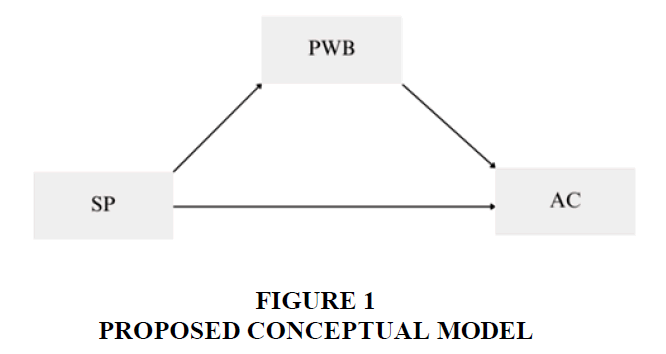
Figure 1 Proposed Conceptual Model
Thus, we propose the following model
• Independent Variable – Sustainable Practices (SP)
• Dependent Variable – Affective Commitment (AC)
• Mediating Variable – Psychological Well-being (PWB)
Where,
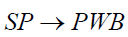
H1: Sustainable practices (SP) directly affects the psychological well-being (PWB) of their employees.
H01: Sustainable practices (SP) does not directly affects the psychological well-being (PWB) of their employees.
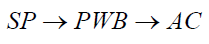
H2: Sustainable practices (SP) affects the affective commitment (AC) of their employees via psychological well-being (PWB) towards the organization
H02: Sustainable practices (SP) does not directly affects the affective commitment (AC) of their employees via psychological well-being (PWB) towards the organization
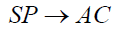
H3: Sustainable practices (SP) directly affects the affective commitment (AC) of their employees towards the organization.
H03: Sustainable practices (SP) does not positively impact the affective commitment (AC) of the employees towards their organization.
Methodology
Based on the above literature, the research considers the three variables sustainable practices at workplace, psychological well-being and affective commitment towards organization. The formulation of the hypothesis is based on the literature review. Since the study is adaptable enough to create working hypothesis from operational perspective, the study is exploratory and descriptive in nature. To test the relationship model in the study, smart PLS 4 is used, while the reliability and validity tests are conducted on SPSS 27.
The Pilot survey was conducted through online questionnaire, addressed to Indian employees at different level, technical and non-technical department from Indian private enterprise and International private enterprise. The language preferred for the survey was English and participant were assured that their responses will remain confidential.
Survey measures
Five-point Likert-type scales were used for all survey questions; a score of 1 indicates "strongly disagree" or "never," while a score of 5 indicates "strongly agree" or "always," depending on the subject.
A review of the same corpus of literature served as the basis for the survey's development. The items for the construct were derived from previously established scales and tested in the literature. However, reliability testing, conceptual and initial construct validity are evaluated for the scales using Cronbach alpha, R square, factor analysis, and inter-item correlation using SPSS 27. Convenience snowball sampling was used for the sampling.
Participants
Participants Of the total respondents, 57.1% were males and 42.8% were females with an average age of 30 years. 54.2% of the respondents worked at large cap private firms and 12.3% at government organizations, 23.8% at small and medium organization and 9.5% at NPO’s. We received reasonable percentage of responses in all experience brackets ranging from less than one year (20.9%) to more than 5 years (31.4%) with maximum respondents having 2-5 years of experience within that organization (47.6%).
Analysis
Reliability of Scales
Using SPSS 27 software package, preliminary data analysis was carried out to conduct factor analysis and to and check the scale validity.
Sustainable Practices
A 15-item questionnaire empirically proven by research in literature is used to evaluate sustainable practices (Fairfield et al., 2011). In this study, the sustainable practices scale has been validated by factor analysis through SPSS 27 software Table 1.
| Table 1 Sustainable Practices Scale Items Along with their Means, Standard Deviations, and Factor Loadings | |||||
| Item name | Item | Mean | Std. Deviation | N | Factor loadings |
| SP1 | Uses sustainability-related criteria in recruitment and selection. | 4.06 | 1.117 | 105 | .496 |
| SP2 | Uses sustainability-related criteria in promotion and career advancement. | 3.81 | 1.177 | 105 | .630 |
| SP3 | Links sustainability-related criteria to compensation. | 3.90 | 1.315 | 105 | .764 |
| SP4 | Establishes indicators to determine if the organization is meeting sustainability goals. | 4.02 | 1.118 | 105 | .780 |
| SP5 | Is committed to sustainability in their brand. | 4.13 | 1.048 | 105 | .860 |
| SP6 | Works with suppliers to strengthen sustainability practices | 3.81 | .952 | 105 | .617 |
| SP7 | Get groups across your organization that are working on sustainability-related initiatives to work more closely together. | 4.10 | 1.028 | 105 | .670 |
| SP8 | Provides employee training related to sustainability practices. | 3.82 | 1.350 | 105 | .849 |
| SP9 | Tries to reduce waste materials. | 4.11 | 1.138 | 105 | .798 |
| SP10 | Tries to reduce greenhouse gas emissions. | 3.93 | 1.211 | 105 | .775 |
| SP11 | Tries to improve energy efficiency. | 4.12 | 1.124 | 105 | .800 |
| SP12 | Tries to involve employees in decisions that affect them. | 3.93 | 1.031 | 105 | .823 |
| SP13 | Supports employees in balancing work and life activities. | 4.02 | 1.109 | 105 | .796 |
| SP14 | Ensures the health and safety of employees. | 4.34 | .897 | 105 | .791 |
| SP15 | Ensures accountability for ethics at all levels of the organization. | 4.39 | .814 | 105 | .779 |
The convergent validity of the items was determined by estimating the factor loadings, and composite reliabilities as standardized factor loadings ranging from 0.49 to 0.84, over the recommended standard level of 0.35, indicating that all of them are at a significant level (The PLS-SEM Book, n.d.) Table 2.
| Table 2 Cronbach's Alpha of Sustainable Practices Scale Items | |
| Reliability Statistics N = 15 | |
| Cronbach's Alpha | .931 |
| Cronbach's Alpha Based on Standardized Items | .933 |
As per Lee Cronbach, the Cronbach’s alpha value of 0.7 or higher is considered acceptable, 0.8 or higher is better while 0.9 is the best (Tavakol & Dennick, 2011); Thakur & Pathak, (2023); Wright & Cropanzano, (2007). Since the Cronbach’s value in table 2 is 0.93, falls under the acceptable range, we can say our scale is robust enough to justify the variable Table 3.
| Table 3 KMO and Bartlett's Test of Sustainable Practices Scale Items | |
| Kaiser-Meyer-Olkin Measure of Sampling Adequacy. | .895 |
| Bartlett's Test of Sphericity Approx. Chi-Square | 1139.110 |
| df | 105 |
| Sig. | .000 |
A KMO test number that is closer to 1.0 is preferable, whereas one that is less than 0.5 is unsatisfactory, as developed and stated by Henry Kaiser in 1974. (3.1 Kaiser-Meyer-Olkin (KMO) Exploratory Factor Analysis in R, n.d.)
Given the information in the table above, our KMO result is 0.895, which shows that there is a significant degree of overlap between the variables and that factor analysis is therefore feasible. Our null hypothesis is rejected since the significance value in Bartlett's Test of Sphericity is less than 0.05. The Bartlett's Test of Sphericity was created by Maurice Stevenson Bartlett in 1951 (3.1 Kaiser-Meyer-Olkin (KMO) Exploratory Factor Analysis in R, n.d.). Considering the factor loadings and the theoretical backing of the construct, this scale was used as is.
Stevenson Bartlett in 1951 (3.1 Kaiser-Meyer-Olkin (KMO) Exploratory Factor Analysis in R, n.d.). Considering the factor loadings and the theoretical backing of the construct, this scale was used as is.
Psychological wellbeing at work
Psychological wellbeing at work were assessed via by a 25-item questionnaire developed and empirically proven by a study (Dagenais-Desmarais & Savoie, 2012) Table 4 & 5.
| Table 4 Psychological Wellbeing at Work Scale Items Along with their Means, Standard Deviations, and Factor Loadings | |||||
| Item name | Item | Mean | Std. Deviation | N | Factor loadings |
| PWB1 | I value the people I work with. | 4.63 | .609 | 105 | .625 |
| PWB2 | I find my job exciting. | 4.19 | .867 | 105 | .699 |
| PWB3 | I know I am capable of doing my job. | 4.78 | .438 | 105 | .522 |
| PWB4 | I feel that my work is recognized. | 4.22 | .866 | 105 | .845 |
| PWB5 | I want to take initiative in my work. | 4.55 | .650 | 105 | .729 |
| PWB6 | I enjoy working with the people at my job. | 4.36 | .798 | 105 | .699 |
| PWB7 | I like my job. | 4.40 | .816 | 105 | .668 |
| PWB8 | I feel confident at work. | 4.58 | .690 | 105 | .739 |
| PWB9 | I feel that my work efforts are appreciated | 4.14 | .965 | 105 | .800 |
| PWB10 | I care about the good functioning of my organization | 4.62 | .656 | 105 | .613 |
| PWB11 | I get along well with the people at my job | 4.56 | .603 | 105 | .587 |
| PWB12 | I am proud of the job I have. | 4.53 | .666 | 105 | .546 |
| PWB13 | I feel effective and competent in my work. | 4.61 | .612 | 105 | .756 |
| PWB14 | I know that people believe in the projects I work on. | 4.45 | .588 | 105 | .441 |
| PWB15 | I like to take on challenges in my work. | 4.60 | .582 | 105 | .699 |
| PWB16 | I have a relationship of trust with the people at my job. | 4.50 | .695 | 105 | .615 |
| PWB17 | I find meaning in my work. | 4.45 | .734 | 105 | .730 |
| PWB18 | I feel that I know what to doing my job. | 4.54 | .605 | 105 | .703 |
| PWB19 | I feel that the people I work with recognize my abilities. | 4.38 | .699 | 105 | .707 |
| PWB20 | I want to contribute to achieving the goals of my organization. | 4.56 | .603 | 105 | .573 |
| PWB21 | I feel that I am accepted as am by the people I work with. | 4.45 | .747 | 105 | .782 |
| PWB22 | I have a great sense of fulfilment at work | 4.28 | .872 | 105 | .856 |
| PWB23 | I know my value as a worker. | 4.51 | .622 | 105 | .636 |
| PWB24 | I feel that I am a family member of my organization. | 4.06 | 1.055 | 105 | .807 |
| PWB25 | I want to be involved in my organization beyond my work duties. | 3.95 | 1.212 | 105 | .773 |
| Table 5 Cronbach's Alpha and R2 of Psychological Well- Being Scale Items | |
| Reliability Statistics (N=25) | |
| Cronbach's Alpha | .947 |
| Cronbach's Alpha Based on Standardized Items | .949 |
| R-square (R2) | 0.507 |
| R-square adjusted | 0.502 |
To investigate the validity and reliability of the construct Cronbach’s alpha and squared multiple correlation (R2) of the item was estimated. The value of the R2 for the psychological well-being is 0.507 which is between 0.25 to 0.67, indicating virtuous reliability (Structural Equation Modeling, 2006) and all the construct are of good fit. As per Lee Cronbach acceptable range of Cronbach's alpha, our scale is reliable to support its use, as the value is 0.94 Which is considered as the highest range, demonstrating a strong internal consistency and dependability indicator.
A KMO test value of less than 0.5 is unsatisfactory, whereas a value around 1.0 is acceptable and considered ideal.
Factor analysis is conceivable because, according to the data in the Table 6 above, our KMO result is 0.895, which shows that there is a significant degree of overlap between the variables, as Henry Kaiser formulated and articulated in 1974. The significance value in Bartlett's Test of Sphericity is less than 0.05, thus rejecting our null hypothesis. Maurice Stevenson Bartlett developed the Bartlett's Test of Sphericity in 1951. (3.1 Kaiser-Meyer- Olkin (KMO) | Exploratory Factor Analysis in R, n.d.)
| Table 6 KMO and Bartlett's Test of Psychological Well- Being Scale Items | |
| Kaiser-Meyer-Olkin Measure of Sampling Adequacy. | .879 |
| Bartlett's Test of Sphericity Approx. Chi Square | 1861.485 |
| df | 300 |
| Sig. | .000 |
Affective Commitment
Affective commitment was assessed via by an 8-item questionnaire developed and empirically proven by a study. (Allen & Meyer, 1996)
In the context of this research, the Affective commitment scale has been validated by factor analysis done using SPSS. Table 7 below shows the individual items along with their means, standard deviations, and factor loadings Table 8.
| Table 7 Affective Commitment Scale Items Along with their Means, Standard Deviations, and Factor Loadings | |||||
| Item name | Item | Mean | Std. Deviation | N | Factor loadings |
| AC1 | I would be very happy to spend the rest of my career with this organization. |
3.48 | 1.264 | 105 | .650 |
| AC2 | I enjoy discussing my organization with people outside it. |
3.93 | 1.085 | 105 | .569 |
| AC3 | I really feel as if this organization's problems are my own. |
3.55 | 1.232 | 105 | .758 |
| AC4 | I am very attached to this organization and would not like to leave it soon. | 3.59 | 1.158 | 105 | .814 |
| AC5 | I feel like part of the family at my organization. |
3.75 | 1.158 | 105 | .747 |
| AC6 | I feel emotionally attached to this organization |
3.52 | 1.287 | 105 | .780 |
| AC7 | This organization has a great deal of personal meaning for me. |
3.67 | 1.190 | 105 | .752 |
| AC8 | I feel a strong sense of belonging to my organization. |
3.86 | 1.180 | 105 | .809 |
| Table 8 Cronbach's Alpha of Affective Commitment Scale Items | |
| Reliability Statistics N = 8 | |
| Cronbach's Alpha | .948 |
| Cronbach's Alpha Based on Standardized Items | .948 |
| R-square (R2) | 0.518 |
| R-square adjusted | 0.508 |
To examine the construct's validity and reliability, Cronbach's alpha and the item's squared multiple correlation (R2) were calculated. The psychological well-being R2 score is 0.507, falling between 0.25 and 0.67, demonstrating virtuous reliability (Structural Equation Modeling, 2006) and a good match between all the constructs. Since the value of our scale is 0.94, which is regarded as the greatest range, it is deemed to be dependable to support its use in accordance with Lee Cronbach's acceptable range of Cronbach's alpha, exhibiting great internal consistency and dependability indicators.
Value of KMO test closer to 1.0 is considered to be ideal whereas value less that 0.5 is unacceptable.
As per the data presented above in the Table 9, our result of KMO is 0.929 indicating the degree of our information among the variables overlap greatly, hence it is plausible to conduct factor analysis. In 1974 Henry Kaiser developed and articulated KMO test. (3.1 Kaiser- Meyer-Olkin (KMO) | Exploratory Factor Analysis in R, n.d.) The significance value in Bartlett's Test of Sphericity is less than 0.05, thus rejecting our null hypothesis. Maurice Stevenson Bartlett developed the Bartlett's Test of Sphericity in 1951.(3.1 Kaiser-Meyer-Olkin (KMO) | Exploratory Factor Analysis in R, n.d.) Figure 2.
| Table 9 KMO and Bartlett's Test of Affective Commitment Scale Items | |
| Kaiser-Meyer-Olkin Measure of Sampling Adequacy. | .929 |
| Bartlett's Test of Sphericity Approx. Chi Square | 744.201 |
| df | 28 |
| Sig. | .000 |
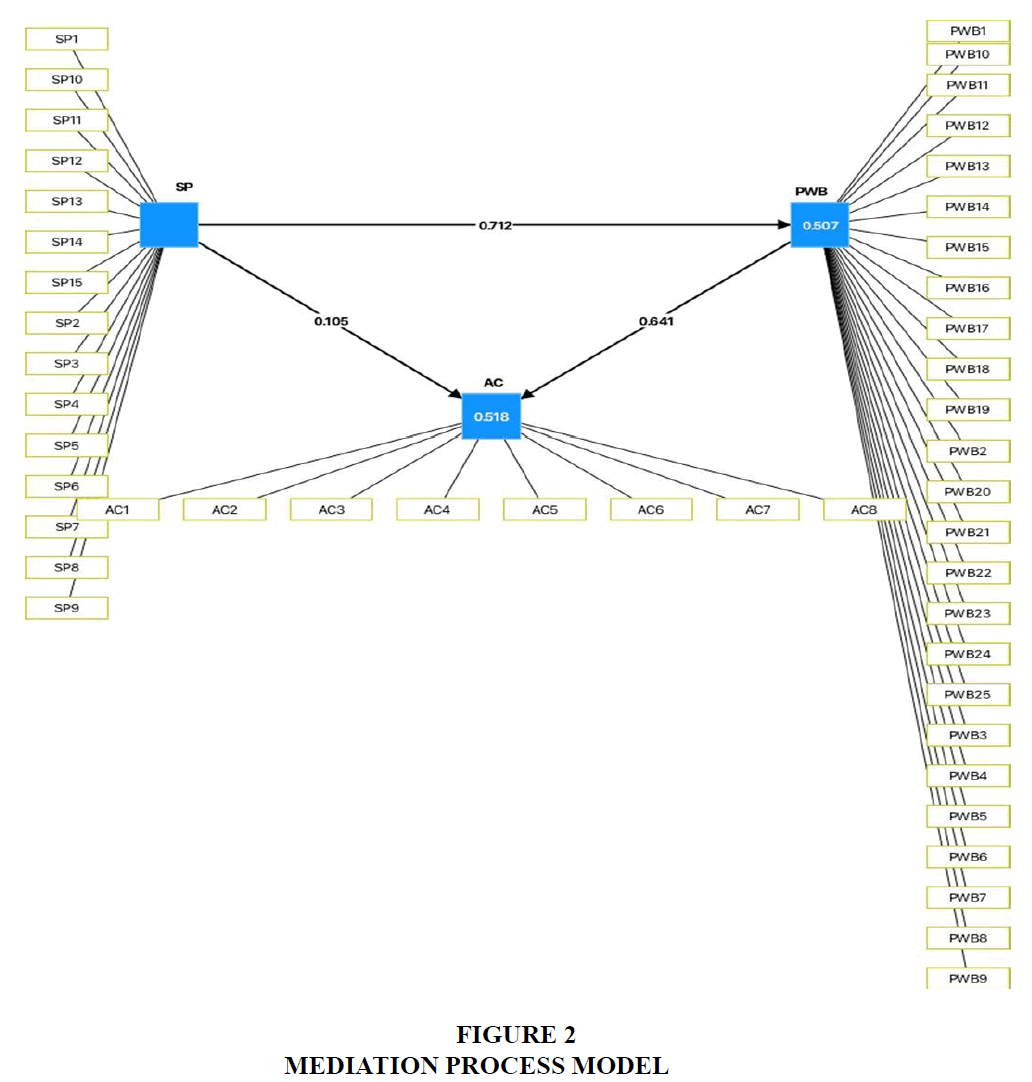
Figure 2 Mediation Process Model
P1 * P2 = 0.712 * 0.641 = 0.456 = Significant P3 = 0.105 = Insignificant
A full mediation is indicated when the direct effect of P3 is insignificant but the indirect effect of P1 x P2 is significant, implying that solely the indirect effect through the mediator exists. (Mediation, n.d.)
The above model (Figure 2) with Path coefficients higher than 0.5 showcase a significant linear relationship between the observed variables. The results in Table 10 with Path coefficient 0.712 show that H01 is rejected. It proves a strong positive impact of sustainable practices at the workplace on the psychological well-being of the employees.
| Table 10 Path Co – Efficient | |
| (P1) SP -> PWB | 0.712 |
| (P2) PWB -> AC | 0.641 |
| (P3) SP -> AC | 0.105 |
| (P1*P2) Specific Indirect Effects | SP -> PWB -> AC 0.456 |
With respect to H02, the path coefficients are P1 * P2 = 0.712 * 0.641 = 0.456 i.e. Specific Indirect Effects Table 10, the null hypothesis H02 is rejected. In other words, full mediations imply that the effect of independent variable, i.e., sustainable practices on dependent variable, i.e., affective commitment is transmitted with help of the mediating variable which is psychological wellbeing.
However, the null hypothesis H03 is rejected with path coefficient as low as 0.105, it clearly indicates positive but insignificant direct relationship between sustainable practices and affective commitment of the employees in an organization.
The above findings are further strengthened by the results drawn from F Square and inter – correlation of every variable used in this study.
f² represents the effect of an exogenous construct on an endogenous construct. The values of f² are classified as little (0.02), medium (0.15), or large (0.35). The above Table 11 represents f2 values for three variables: AC, PWB and SP are added as predictors indicating their size and effect.
| Table 11 F-Square | |||
| AC | PWB | SP | |
| AC | |||
| PWB | 0.421 | ||
| SP | 0.011 | 1.026 | |
PWB on AC: f2 = 0.421,
This indicates that PWB plays a significant role in explaining the variation in AC as there is large effect size.
SP on AC = f2 = 0.011,
This reflects that there is small size effect suggesting SP has minimal level of influence on AC.
SP on PWB = f2 = 1.026,
This shows a high level of influence of SP on PWB, in other words SP is dominant predictor of PWB, accounting for a sizable amount of its variance.
The above Table 12 displays the descriptive statistics and inter – correlation of every variable used in this study. From the table we can conclude that there is a strong positive correlation between AC & PWB (r = 0.716) indicating PWB significantly influences AC. Similarly, PWB & SP ( r = 0.712) are strongly related, indicating that potential influence on SP directly influences PWB. Whereas correlation between SP & AC has slightly positive change, suggesting SP has influence on AC but not as strong as the effect of PWB, indicating that PWB plays crucial role in tying the variable together Table 13.
| Table 12 Latent Variable – Correlation | |||
| AC | PWB | SP | |
| AC | 1.000 | 0.716 | 0.561 |
| PWB | 0.716 | 1.000 | 0.712 |
| SP | 0.561 | 0.712 | 1.000 |
| Table 13 Bootstrapping Results | |||||
| Sample Mean M | T statistic | P value | 5% | 95% | |
| SP -> PWB | 0.708 | 12.492 | 0.00 | 0.605 | 0.791 |
| PWB -> AC | 0.639 | 7.171 | 0.00 | 0.489 | 0.780 |
| SP -> AC | 0.103 | 0.981 | 0.163 | -0.071 | 0.278 |
SP to PWB: Since p-value is 0.00 which is less than 0.05 and the t-statistic is 12.492 which exceeds 1.96 and the confidence interval does not include zero, indicates that the path from the SP to PWB is statistically significant or the relationship between the two constructs is statistically significant.
PWB to AC: Since p-value is 0.00 which is less than 0.05 and the t-statistic is 7.171 which exceeds 1.96 and the confidence interval does not include zero, indicates that the path from the PWB to AC is statistically significant or the relationship between the two constructs is statistically significant.
SP to AC: Since p-value is 0.16. which is more than 0.05 and the t-statistic is 0.981 which is less than 1.96, indicates that the path from the SP to AC is statistically non-significant means that the relationship is not supported by the data and can be disregarded.
Index of Fit Of Model
While SmartPLS is a component-based SEM method and does not rely heavily on traditional fit indices like CB-SEM. We have used R Square, F square and cross validation (Bootstrapping) to validate the robustness of the model (Model fit)
Findings
When the path model was run in PlS-SEM, it was found that Sustainable Practices affect Psychological Wellbeing with path coefficient of 71.2 % and psychological wellbeing affects the affective commitment with path coefficient being 64.1%. However sustainable practices have a very low impact on the affective commitment with path coefficient being at 10.5%. However, when the model was run on the process mode to check the mediation of psychological well-being, it was found that sustainable practices effect the affective commitment with the mediation of psychological well-being.
As calculated by the rule of mediation (P1*P2) i.e. 0.4983. With significance level at 0.00, we reject our null hypothesis H1 and H2 and with H3 although rejectable but has an insignificant impact directly on the affective commitment until psychological well-being comes as a mediating variable.
Mangerial Implication
The study found psychological well-being as a mediating variable to Sustainable Practices and Affective Commitment. Also, Sustainable Practices doesn’t affect Affective Commitment directly significantly. This implies that for the organizations to retain more loyal employees, it’s important to understand sustainable practices as an important antecedent to the psychological well-being of the employees which shall further increase their organizational commitment. This is a breakthrough as a theoretical implication to understand the role of psychological well-being as vital.
Limitation and Future Scope of Study
The study can be further explored by using a larger sample size to confirm the mediation effect. The research by proposing a new hierarchical model of sustainability practices to psychological well-being to affective commitment can be taken as a basis for theory development. It opens avenues to explore role and effects of some additional measures on either or all given variables. Research can also extend these findings in suggesting some meaningful and pragmatic practices that can be adopted by businesses to promote employee’s well-being or affective commitment towards organizations. Although participants of this study belonged to diverse set of organizations, but the nationality of these participants was only Indian. The researchers may carry out longitudinal study over an extended period on larger samples covering larger geographical participation for more comprehensive results and to ascertain validity of the model globally. The study was indispensable in the times of depleting state of natural resources and implications are important in the field of sustainability
References
Akbar, F. M., & Zona, M. A. (2025). THE INFLUENCE OF WORK-LIFE BALANCE ON EMPLOYEE WELL-BEING MEDIATED BY JOB STRESS: Pengaruh Work-Life Balance terhadap Employee Well-Being melalui Stres Kerja pada PT. Bank Nagari. Santhet (Jurnal Sejarah Pendidikan Dan Humaniora), 9(1), 84-93.
Indexed at, Google Scholar, Cross Ref
AlKetbi, A., & Rice, J. (2024). The impact of green human resource management practices on employees, clients, and organizational performance: A literature review. Administrative Sciences, 14(4), 78.
Indexed at, Google Scholar, Cross Ref
Bamberger, S. G., Vinding, A. L., Larsen, A., Nielsen, P., Fonager, K., Nielsen, R. N., ... & Omland, Ø. (2012). Impact of organisational change on mental health: a systematic review. Occupational and environmental medicine, 69(8), 592-598.
Indexed at, Google Scholar, Cross Ref
Belloni, M., Carrino, L., & Meschi, E. (2022). The impact of working conditions on mental health: Novel evidence from the UK. Labour Economics, 76, 102176.
Indexed at, Google Scholar, Cross Ref
Bhatia, A., & Mohsin, F. (2020). Comprehensive literature review on workplace happiness linked to employee outcomes. Test Engineering and Management, 83, 29266-29279.
Boerner, L. K. (2021). Airlines want to make flight more sustainable. How will they do it. Chem Eng News, 99(32), 2005.
Carmichael, F., Fenton, S. J. H., Pinilla-Roncancio, M. V., Sing, M., & Sadhra, S. (2016). Workplace health and wellbeing in construction and retail: Sector specific issues and barriers to resolving them. International Journal of Workplace Health Management, 9(2), 251-268.
Indexed at, Google Scholar, Cross Ref
Chen, S., Song, Y., & Gao, P. (2023). Environmental, social, and governance (ESG) performance and financial outcomes: Analyzing the impact of ESG on financial performance. Journal of environmental management, 345, 118829.
Indexed at, Google Scholar, Cross Ref
Cinar, A. B., & Bilodeau, S. (2022). Sustainable workplace mental well being for sustainable SMEs: how?. Sustainability, 14(9), 5290.
Indexed at, Google Scholar, Cross Ref
Dagenais-Desmarais, V., & Savoie, A. (2012). What is psychological well-being, really? A grassroots approach from the organizational sciences. Journal of happiness studies, 13(4), 659-684.
Indexed at, Google Scholar, Cross Ref
Denkena, B., Abele, E., Brecher, C., Dittrich, M. A., Kara, S., & Mori, M. (2020). Energy efficient machine tools. CIRP Annals, 69(2), 646-667.
Indexed at, Google Scholar, Cross Ref
Fairfield, K. D., Harmon, J., & Behson, S. J. (2011). Influences on the organizational implementation of sustainability: an integrative model. Organization Management Journal, 8(1), 4-20.
Gabriel, K. P., & Aguinis, H. (2022). How to prevent and combat employee burnout and create healthier workplaces during crises and beyond. Business horizons, 65(2), 183-192.
HERWANTO, H., & UMMI, F. T. (2017). Pengaruh Workplace Well-Being Terhadap Kinerja Guru Sd. Jurnal Penelitian Dan Pengukuran Psikologi: JPPP, 6(1), 55-60.
Kundi, Y. M., Aboramadan, M., Elhamalawi, E. M., & Shahid, S. (2021). Employee psychological well-being and job performance: exploring mediating and moderating mechanisms. International Journal of Organizational Analysis, 29(3), 736-754.
Lee, C. W., & Fu, M. W. (2024). Conceptualizing sustainable business models aligning with corporate responsibility. Sustainability, 16(12), 5015.
Liu, R., Yue, Z., Ijaz, A., Lutfi, A., & Mao, J. (2023). Sustainable business performance: Examining the role of green HRM practices, green innovation and responsible leadership through the lens of pro-environmental behavior. Sustainability, 15(9), 7317.
Madero-Gómez, S. M., Rubio Leal, Y. L., Olivas-Luján, M., & Yusliza, M. Y. (2023). Companies could benefit when they focus on employee wellbeing and the environment: a systematic review of Sustainable Human Resource Management. Sustainability, 15(6), 5435.
Indexed at, Google Scholar, Cross Ref
Majid, S., Zhang, X., Khaskheli, M. B., Hong, F., King, P. J. H., & Shamsi, I. H. (2023). Eco-efficiency, environmental and sustainable innovation in recycling energy and their effect on business performance: evidence from European SMEs. Sustainability, 15(12), 9465.
Mendes, T., Pereira, L., Gonçalves, R., Dias, Á., & Costa, R. L. D. (2022). Sustainable practices impacting employee engagement and well-being. Progress in Industrial Ecology, an International Journal, 15(2-4), 239-267.
Mestdagh, B., Van Liedekerke, L., & Sempiga, O. (2024). A drivers framework of organizational SDG engagement. Sustainability, 16(1), 460.
Indexed at, Google Scholar, Cross Ref
Mowday, R. T., Porter, L. W., & Steers, R. M. (2013). Employee—organization linkages: The psychology of commitment, absenteeism, and turnover. Academic press.
Indexed at, Google Scholar, Cross Ref
Murat, D., Aytac, S., & Bondy, J. (2011). Workplace wellbeing among justice department staff. The Australasian Journal of Organisational Psychology, 4, 20-25.
Peretz, H. (2024). Sustainable human resource management and employees’ performance: The impact of national culture. Sustainability, 16(17), 7281.
Indexed at, Google Scholar, Cross Ref
Pervaiz, W. (2012). The sustainable workplaces: NOKIA & Lindström as a case study.
Robertson, I. T., & Cooper, C. L. (2010). Full engagement: the integration of employee engagement and psychological well‐being. Leadership & organization development journal, 31(4), 324-336.
Indexed at, Google Scholar, Cross Ref
Schilirò, D. (2019). Sustainability, innovation, and efficiency: A key relationship. In Financing sustainable development: key challenges and prospects (pp. 83-102). Cham: Springer International Publishing.
Indexed at, Google Scholar, Cross Ref
Siddiqui, S. H., & Ijaz, A. (2022). Conceptualizing the Sustainable Workplace Well-being: A Measurement Framework. Pakistan Journal of Social Sciences (PJSS), 42(2).
Tavakol, M., & Dennick, R. (2011). Making sense of Cronbach's alpha. International journal of medical education, 2, 53.
Indexed at, Google Scholar, Cross Ref
Thakur, V., & Pathak, G. S. (2023). Employee Well-being and Sustainable Development: Can Occupational Stress Play Spoilsport. Problemy Ekorozwoju, 18(1), 188-198.
Indexed at, Google Scholar, Cross Ref
Wright, T. A., & Cropanzano, R. (2007). The happy/productive worker thesis revisited. In Research in personnel and human resources management (pp. 269-307). Emerald Group Publishing Limited.
Indexed at, Google Scholar, Cross Ref
Received: 20-Jan-2026, Manuscript No. AMSJ-26-16844; Editor assigned: 21-Jan-2026, PreQC No. AMSJ-26-16844(PQ); Reviewed: 28- Jan-2026, QC No. AMSJ-26-16844; Revised: 04-Feb-2026, Manuscript No. AMSJ-26-16844(R); Published: 11-Feb-2026