Research Article: 2026 Vol: 30 Issue: 2
Gaming Has Edge Over Streaming- Investigating Immersion Quotient Across Popular Channels of Media Entertainment
Utkarsh Dwivedi, Indian Institute of Information Technology, Allahabad
Utkarsh Dwivedi, MICA, The School of Ideas, Ahmedabad
Madhvendra Misra, Indian Institute of Information Technology Allahabad
Citation Information: Dwivedi, U., & Misra, M.(2026) Gaming has edge over streaming- investigating immersion ǫuotient across popular channels of media entertainment. Academy of Marketing Studies Journal, 30(2), 1-15.
Abstract
The media and entertainment industry in undergoing a significant paradigm shift driven by technological innovations that enable increasingly intuitive and immersive user experiences. Identifying immersion as a key pillar of futuristic entertainment business, this study conducts a comparative analysis of immersion quotients across three dominant media entertainment channels. Utilizing a mixed methods approach, the research analyzes a large corpus of web based textual data through digital textual analysis tools (Voyant & lancsbox) to identify prevailing thematic patterns. These findings are triangulated with a longitudinal mapping of entertainment preferences and a robust psychometric scale for measuring immersion. The findings unravel distinct immersive experiences across platforms, with interactive and socially integrated media formats demonstrating superior capacity of fostering deeper engagement. The study concludes that in order to optimize immersion quotient, organizations must strategically recalibrate media offerings by prioritizing features that enhance interactivity, social connectivity and user agency. Further the discussion underscores that the greater autonomy within the business of content entertainment is a crucial design aspect and it directly correlates with increased repeated user engagement, offering a pathway for sustained competitive advantage in the evolving media landscape.
Keywords
Immersion, Gaming, Streaming, Media Entertainment.
Introduction
The business of media entertainment (M&E) is at the periphery of paradigm shift that will completely change the way people consume media for entertainment. Immersive experiences in M&E industry are the forefront of technological advancement through virtual reality systems, headgears, smart glasses and interactive storytelling games. This shift and surge of immersive experience in media entertainment space has not been sudden. The introduction of synchronized sound enhanced the sensory experience associated with motion pictures consequently enriching immersion in the media offering. Television allowed for regular, episodic content consumption, fostering a sense of continuity and familiarity. This shift marked a significant change in audience preferences and how they engaged with content, making media entertainment a more private experience. Following these experiences the emergence of video games introduced a groundbreaking form of entertainment media by facilitating autonomy and interactivity. Games like "Pong" and "Space Invaders" engaged players by allowing them to control on-screen characters and make decisions that influenced the outcome of the game. Perhaps this was for the first time that the user had control over the outcome of the media narrative (Postigo, 2003; Wolf, 2007). The advancement of technologies like virtual reality (VR) and surround sound has greatly enhanced the level of immersion in media offerings, enabling users to live the experience of newer digital environments (Ahn & Noh, 2024; Berkman & Akan, 2024; Wilkinson et al., 2021). Today the convergence of technology, content creativity, and audience participation is at a phase where the boundaries between reality and fiction, observer and performer, are getting obscured. To comprehend the core concept of immersion in media entertainment, it is necessary to acknowledge the wide array of popular channels that constitute the realm of media entertainment. These channels have served as pillars of storytelling and artistic expression, each offering a unique flavor of immersion. For businesses, immersive experience is an encounter that has been acknowledged by media houses, marketers, gamers and communication researchers as a significant aspect of content (J.-E. Kim et al., 2016; Phillips & McQuarrie, 2010; Scholz & Smith, 2016; Shin, 2019; Wang et al., 2024). Still comprehending the notion of immersion in media offering and its applicability to other media experiences proves to be a challenging task due to the lack of clarity regarding its precise definition and the potential divergence in various research studies on this subject. Therefore one key aspect to acknowledge here is that immersion is not engagement (Deutsch, 2018; J. Y. Douglas & Hargadon, 2001; Y. Douglas & Hargadon, 2000), indeed it is a sense of being highly engrossed in a mediated experience across multiple stimulations.
The impression of absorbing and engaging experiences is not a new concept, several other avenues across a diversified field of academic study have a close relation to immersion (Berle et al., 2015; Lieberman et al., 2022; Mochocki, 2021; Schnack et al., 2020). While immersion typically describes a subjective psychological response, it should be noted that some researchers, such as (Slater, 2003) use the term immersion to describe an objective measure of a system in terms of how much the technology can replicate real-world experiences thus, immersion is associated with the attribute of depth and submergence. This notion of immersion has been widely examined and investigated across other research domains (Doumanoglou et al., 2018; Guitton, 2012; Kraus et al., 2020; Mochocki, 2021; Petersen et al., 2022). In context of current investigation, definition of immersion is considered as the sensation of being transported from immediate physical surrounding to an alternate reality (Calleja, 2007; McGloin et al., 2013). The degree of immersion plays a crucial role in determining the enjoyment extracted by playing a game or watching a movie or even reading a book. Although immersion is a concept that the gaming community appears to comprehend in totality, there remains ambiguity around its precise definition and the specific factors that contribute to it. It is so because there are numerous factors in play that contribute to the overall sense of immersion in a game. One of the most credible most accepted definitions of game immersion was provided by Cairns et al., (2014) wherein the authors discuss characteristics of immersion like emotional involvement and real world dissociation, overlapping the concepts of challenge and cognitive involvement. Moreover, development around engaging game-play mechanics, compelling storytelling, and interactive environments also play a significant role in creating a truly immersive experience for players. Theoretically immersion has its roots in flow which as explained by Csikszentmihalyi is "the state in which individuals are so involved that nothing else seems to matter." (Csikszentmihalyi & Csikzentmihaly, 1990). In various academic domains, flow and immersion are often used interchangeably. Definition of immersion in games is not synonymous with a positive flow state, rather it should be said that immersion is the experience of being in the game (Jennett et al., 2008). Unlike in flow, an immersed player can also be frustrated or anxious. This is one critical aspect because of which gaming and its impact on individuals, human behavior and society has actively drawn the attention of media and psychology researchers (Braun et al., 2016; Granic et al., 2014; Mylona et al., 2020).
Immersion is not only associated with video games. Content entertainment through motion pictures, television and recently streaming platforms also get their due recognition in studies affecting human behavior and entertainment preferences (Falkowski-Gilski & Uhl, 2020; Hu et al., 2017; Mulla, 2022). Increasing affordability of smartphones has not only made mobile gaming the most popular entertainment choice among masses but academic literature around mobile gaming has also soared in the recent decade (Bell et al., 2006; Koutromanos & Avraamidou, 2014; Liang & Yeh, 2011). These new media offerings are studied for immersion quotient across different tenets of communication research (Harrison & Lodge, 2000; Rigby et al., 2016; Weibel et al., 2010). Immersion is defined in various dimensions but the core essence of all definitions related to immersion in media offering is to provide an enticing diversion from the existing realities (Therrien, 2023). To be more specific it can be stated that immersion in new media is directed to enhance the entertainment experience so the person exposed to the stimuli may be diverted momentarily from the atrocities of daily life. The academic field of communication research has further diversified immersion in multiple ways which are well discussed in existing literature but for businesses immersion, interactivity and entertainment branch out from the same tree of customer engagement.
The current research is an aggregation of multiple investigations. First it examines a large corpus of textual data that was scraped from websites, blogs and YouTube videos. Most important keywords, topics and themes of futuristic media entertainment industry are identified from this corpus of data. It is followed by three distinct experiments where each experiment measures immersion component on a particular vehicle of media entertainment. To measure immersion authors replicate the Film Immersive Experience Questionnaire (Film IEQ) that was developed by (Rigby et al., 2019). The Film IEQ approach enables us to investigate the interplay between the medium, the audience, and the content offering, shedding light on the complex interplay that makes up the immersive experience. Though similar experiments have been conducted in various centers of Human Computer Interaction across UK & US, but across Indian subcontinent this is perhaps the first study which compares immersion across different vehicles of media entertainment
Data, Tools & Methods
Entertainment news, webpages, blogs, tweets, social media posts and grey literature relevant to entertainment industry were analyzed to recognize rising trends in the industry. For this purpose, online data was extracted by using browser-based GUI from Dataminer and Thordata. These APIs offer simple integration with Chrome and enable structured data output in json and csv files. Transcripts of 120 YouTube videos were extracted using Turboscribe. These videos were essentially interviews and testimonials from industry experts, content heads of studio houses, CEOs of entertainment companies and gaming giants. After deep filtering, all the scraped and transcribed data was converted into a single csv file. This textual data was then analyzed with the help of Voyant tools which is a web-based analysis environment for digital texts. With help of Lancsbox, placement of words was examined to understand the context in which the word immersion was being used. Figure 1 & Figure 2 illustrate the importance of word Immersion. Figure 2 is result of the interactive Termsberry feature; the feature highlights the association of word immersion with other relevant documents in the dataset. The analysis reveals a highly integrated research field that is centered near immersive technologies with a strong interconnection between technological development, user experience and diverse application domains. The keyword network in Figure 3 shows AR(augmented reality) as the central hub, with experience and design serving as bridges between technology and applications. The centrality around AR again pins the importance of immersive media.
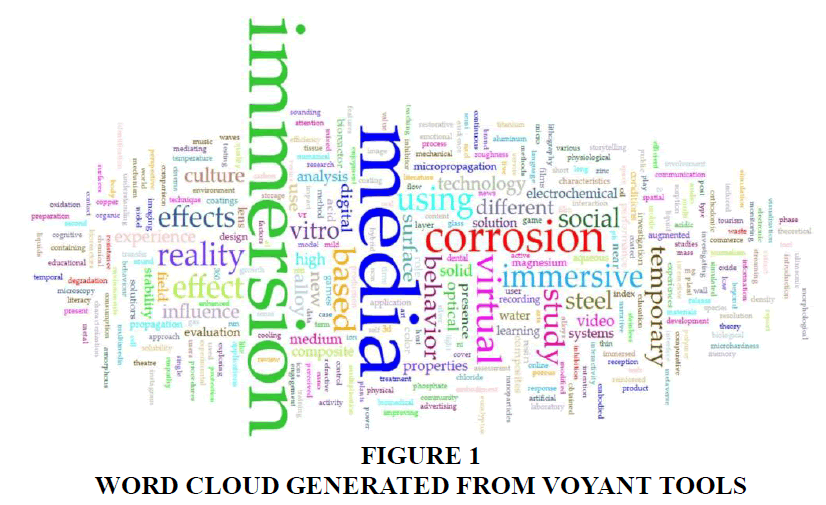
Figure 1 Word Cloud Generated from Voyant Tools
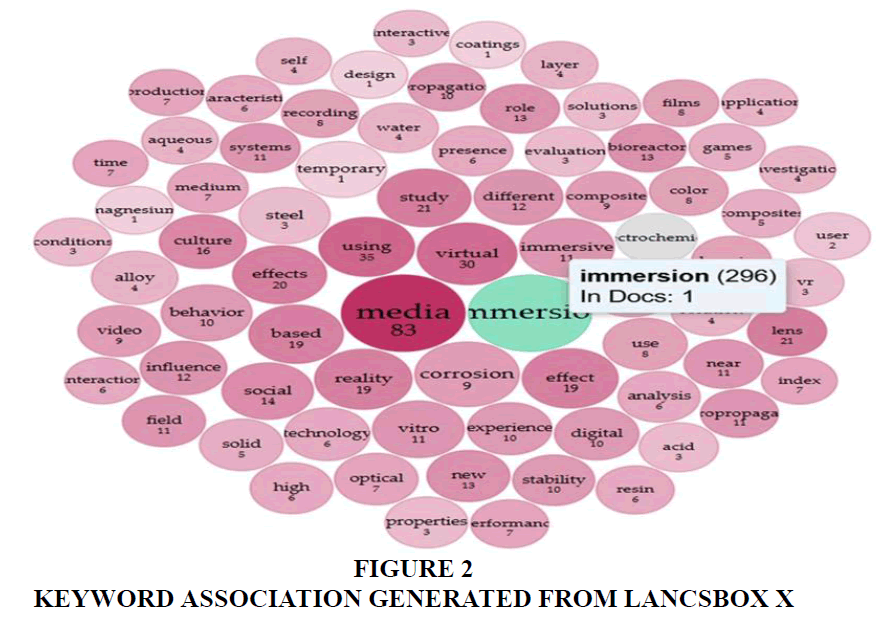
Figure 2 Keyword Association Generated from Lancsbox X
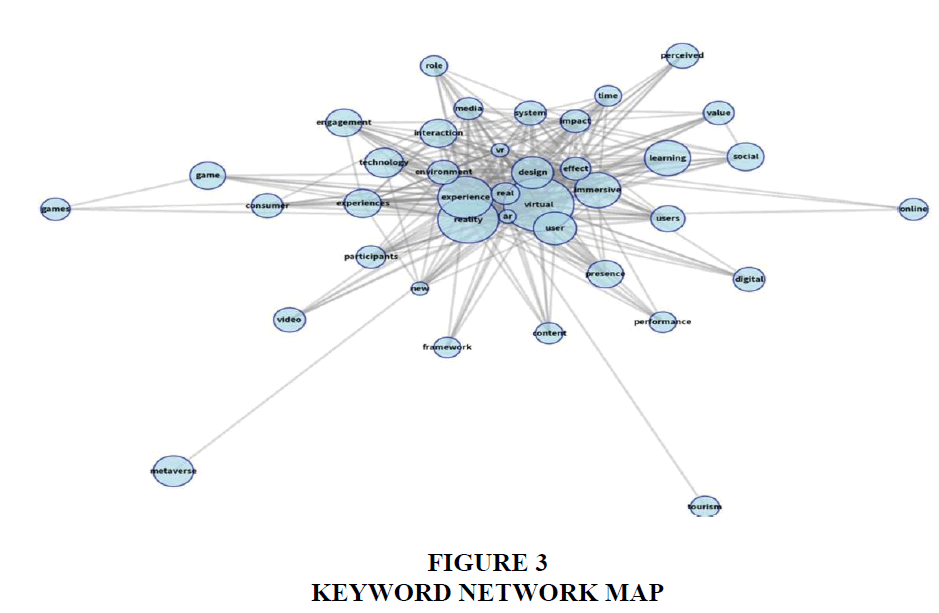
Figure 3 Keyword Network Map
The keyword analysis of the data scraped leads us to network which solicits the importance of immersion in media entertainment and signifies the relevance of immersive technologies like virtual reality and experiential media. The coherence around immersive technologies reaffirms the finding from Figure 1.
More than 800 entertainment websites were analyzed using the standard techniques of Latent Dirichlet Allocation and Non-Matrix Factorization to find key themes and topics under M&E industry. Figure 4 details on the themes and clusters obtained after topic modeling. Top keywords again emphasize on immersion quotient by illustrating the focus around development of immersive technologies.
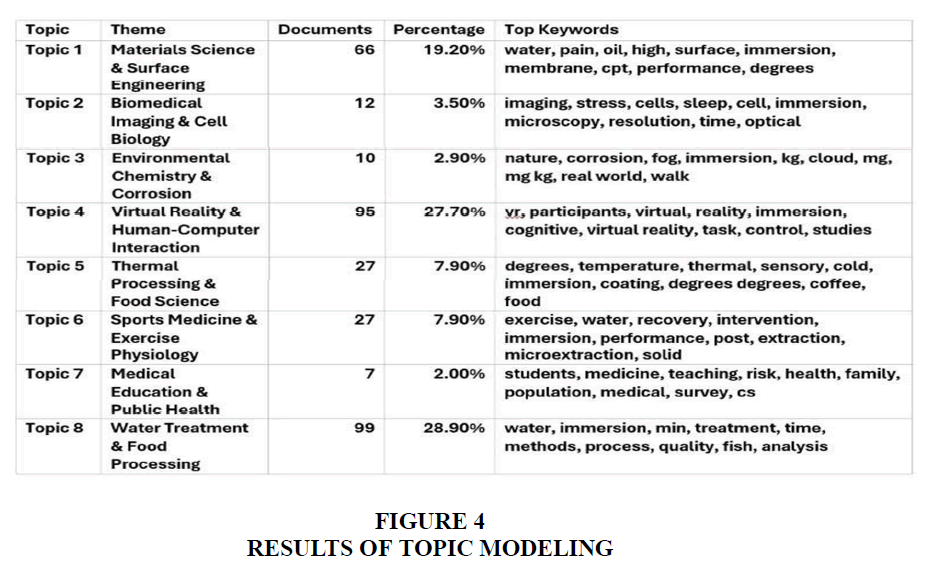
Figure 4 Results of Topic Modeling
Rather than a structured questionnaire we used an opinion poll to understand top entertainment preferences. The poll’s simplicity and brevity made it possible to administer it to a larger population. Its primary objective was to understand entertainment preference with respect to play, recreation and learning & development. Though for this research only entertainment preferences were taken from the poll. Using snowballing technique for seventeen-month period commencing from December 2022, we received 1953 responses. After systematic data cleaning procedures and addressing missing values, the final respondent size comprised 1795 valid responses. The population was geographically limited to individuals within India with the sample slightly being female dominated. The distribution of entertainment preferences identified from the poll is systematically presented in Figure 5. The demographic profile of respondents is detailed in Figure 6 & 7. Single-player mobile games emerged as the most frequently selected entertainment option, with 852 respondents identifying it as their preferred choice, representing the largest segment within the population.
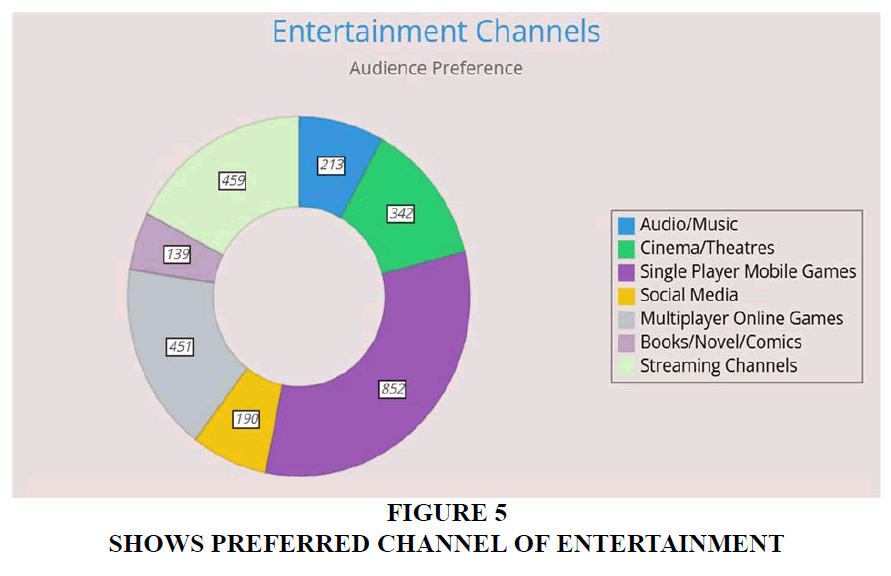
Figure 5 Shows Preferred Channel of Entertainment
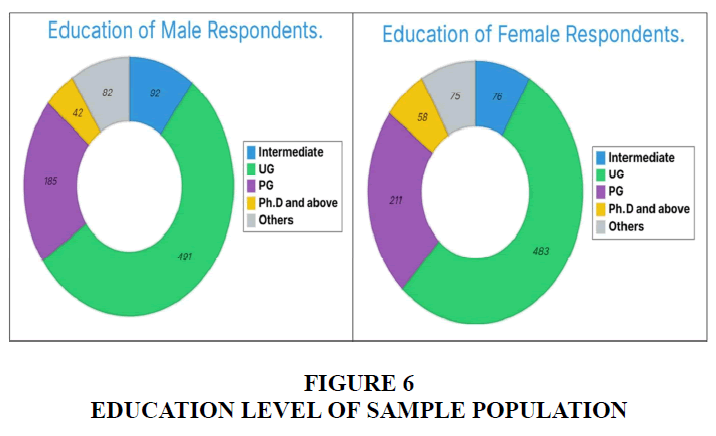
Figure 6 Education Level of Sample Population
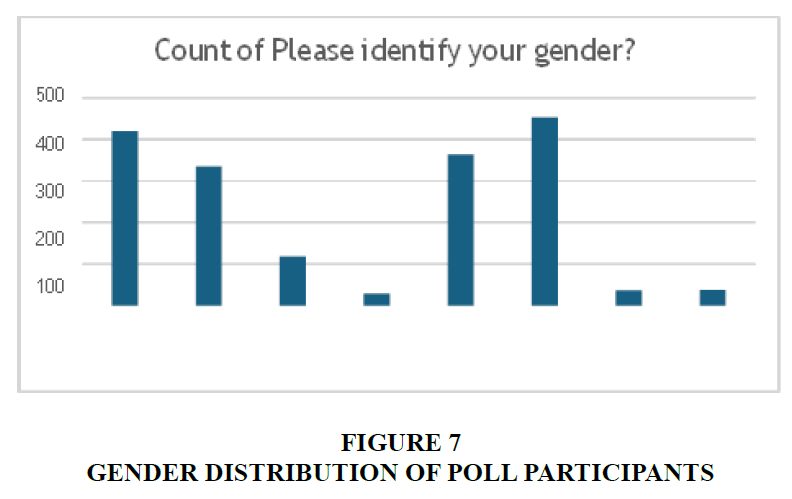
Figure 7 Gender Distribution of Poll Participants
Immersion Experiment & Analysis
To use the immersion scale, 183 participants were recruited from two leading engineering institutes in India. Film Immersive Experience Questionnaire (Film IEQ) is used to measure immersion because it is a niche and most relevant instrument to assess immersion in media entertainment. Moreover, the scale itself was developed and tested for content entertainment and video games. Other popular scales to measure immersion are more focused on one particular aspect of delivery channel such as e-commerce or website that eventually terminate on the phenomena of customer engagement (Barlett et al., 2008; Y. Kim, 2023; Lin, 2022; Morishima, 2008). Our first phase of research of measuring immersion, starts with content that is exclusive to streaming platforms. We discarded all content that had any type of theatrical release and exposed the participants only on web shows/originals aired on streaming platforms. Within this boundary condition, the participants were instructed to watch a show of their preference (previously not watched) and thereafter complete the Film IEQ assessment. They watched for 60 minutes before filling in the survey. Second experiment measures immersion in single player mobile games (SPG); 65 participants in this study were instructed to engage in a single player mobile game of their choice and play for up to three attempts, after which they were required to complete the survey. In the third experiment, authors examined immersion in multiplayer online games from a group of gamers just after their session of gaming wherein 36 players filled the Film IEQ survey.
A total of 24 items were used to get immersion scores. All responses were collected using a Likert scale. Four factors as suggested in the Film IEQ scale were used to calculate immersion; these are Captivation, Real World Dissociation, Comprehension and Transportation. Twelve items were considered for captivation factor, three for real world dissociation, four for comprehension and five for transportation. We adhered to the same process and degree of freedom as the original experiment conducted by Rigby and fellow researchers to measure immersion. The streaming platforms were limited to Disney Plus, Netflix and Amazon Prime Video. The catalogue of single player games (SPGs) was Candy Crush, Subway Surfers, Temple Run and Coin Master. All participants of the third study played the game Call of Duty.
Results & Findings
The preference of streaming platforms among the participants is depicted in following Table 1:
| Table 1 SVOD Preference | ||
| Platform | Count | Percentage |
| Netflix | 64 | 34.97% (Most Popular) |
| APV (Amazon Prime Video) | 60 | 32.79% |
| Disney | 59 | 32.24% |
The preferences of games played by participants were pretty much in sync with the Google Playstore data of most downloaded games. In the following Table 2 we identify the preference patterns of SPGs:
| Table 2 Game Preferences | ||
| Preference Rank | Count | Percentage |
| 1-Subway Surfer | 18 | 27.69% (Most Preferred) |
| 2-Candy Crush | 17 | 26.15% |
| 3-Coin Master | 17 | 26.15% |
| 4-Temple Run | 13 | 20.00% (Least Preferred) |
Table 3 illustrates the reliability analysis of all four factors in three cases, for multiplayer online games the higher value of reliability (Cronbach alpha) can be owed to a smaller sample size. For other two cases reliability is pretty much in the acceptable range.
| Table 3 Measure of Reliability | |||
| Factors | SVOD | SPG | MPOG |
| Captivation | 0.810 | 0.744 | 0.937 |
| Real World Dissociation | 0.738 | 0.705 | 0.930 |
| Comprehension | 0.709 | 0.701 | 0.911 |
| Transportation | 0.816 | 0.761 | 0.920 |
The final Immersion scores for content on streaming platform, single player mobile game and multiplayer online games is shown in the following Table 4.
| Table 4 Immersion Scores | |
| Entertainment Preference | Immersion Scores |
| Streaming Video on Demand | 66.85 |
| Single Player Mobile Games | 73.35 |
| Multiplayer Online Games | 75.31 |
Mean immersion scores were lowest in streaming videos (M=66.85, sd=14.3369) and highest in multiplayer online game (M=75.31, sd=1.285). We see that immersion in single player mobile games and multiplayer online games are pretty close to each other and appreciably higher than that of streaming platforms. Though the sample size for multiplayer games is small but still it is important to state that standard deviation of mean immersion scores is significantly low in these games. As the biggest share of participants were in SVoD, thus to see the variation of these constructs across streaming platforms and to understand whether the immersion related to content was dependent on the choice of platform we performed Chi-square test, Kruskal-Wallis test and compared it with respective Anova values. The findings solicit our belief that immersion scores of streaming platforms are not related to choice of platform. To granualise the result we conducted these tests by comparing all four variables of immersion scale. Table 5 & 6 illustrates these findings. The analysis reveals that all four constructs are statistically independent from the choice of streaming platforms. Just as we tested dependence of immersion on choice of streaming platform, we checked the same for choice of mobile games played. Across single player mobile games Captivation shows marginal dependence with preference of game played through the Chi-Square test at p=0.0346, but more robust Kruskal-Wallis and ANOVA tests show independence. Real-world dissociation, Comprehension and Transportation are all statistically independent from preference of the game played. This again solicits our hypothesis that choice of games played (SPGs) and choice of streaming platform do not affect the psychological immersion in the media component.
| Table 5 SVOD Construct Dependency | |||
| Variable | Chi-Square p- value | Kruskal-Wallis p-value | ANOVA p-value |
| Captivation | 0.5007 | 0.7390 | 0.7570 |
| Real-World Dissociation | 0.9365 | 0.5884 | 0.6717 |
| Comprehension | 0.9701 | 0.8227 | 0.8049 |
| Transportation | 0.1578 | 0.8235 | 0.9054 |
| Table 6 SPG Construct Dependency | |||
| Variable | Chi-Square p- value | Kruskal-Wallis p-value | ANOVA p-value |
| Captivation | 0.0346* | 0.1149 | 0.1086 |
| Real-World Dissociation | 0.4167 | 0.3320 | 0.4928 |
| Comprehension | 0.8118 | 0.6898 | 0.8159 |
| Transportation | 0.9822 | 0.8183 | 0.7926 |
Also from Figure 8 & 9 it is evident that Candy Crush among the mobile games and Amazon Prime Video among the three streaming platforms have higher immersion scores against their counter parts.
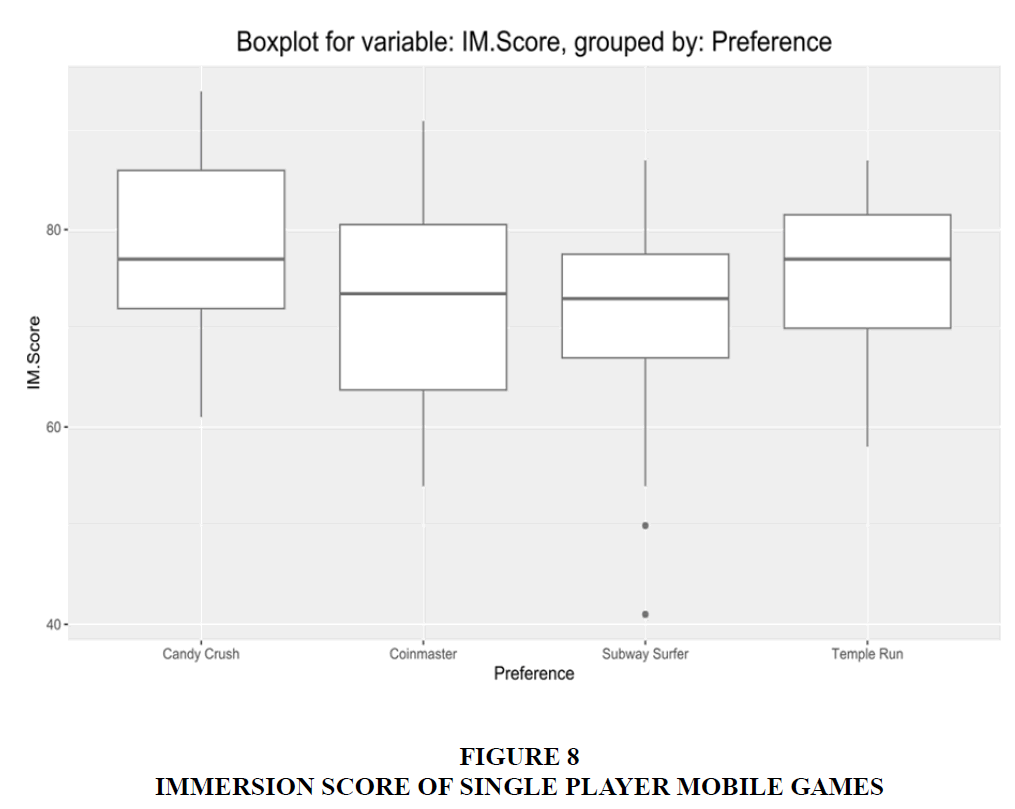
Figure 8 Immersion Score of Single Player Mobile Games
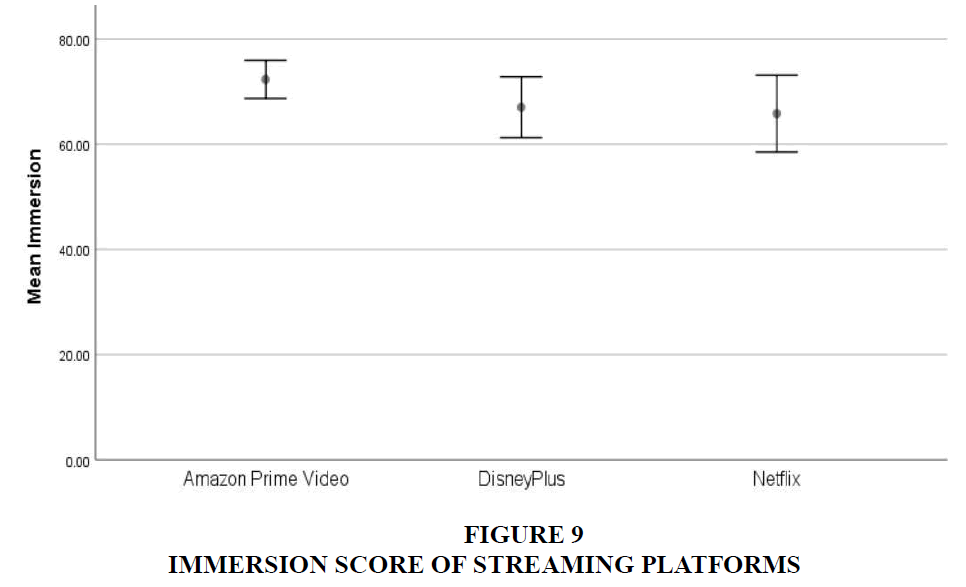
Figure 9 Immersion Score of Streaming Platforms
Discussion
Authors tried to give every participant freedom of choice and provided equivalent exposure to every participant. This may also unravel as a potential exacerbate variable in this study as some choices or segments of the offerings can be perceived to be more immersive than others. Immersion is key feature for any media offering to build a strong presence in viewers' mind (Duan et al., 2024; Kaplan-Rakowski & Meseberg, 2019). Contrary to expectations based on market penetration and widespread adoption, our findings demonstrate that the popularity of streaming platforms does not translate into correspondingly higher immersion levels (Hou et al., 2012; Lombard et al., 2000). Across the three-subscription video-on-demand (SVoD) platforms examined, immersion remained remarkably homogeneous, with only marginal differences that failed to reach credible significance. If this equivalence persists despite substantial variations in content libraries, user interface design, and algorithmic recommendation systems across these platforms, then the structural characteristics of passive media consumption may impose inherent limitations on its immersive potential.
Analysis of immersion through Film IEQ framework reveals distinct patterns in the prominence of its four constituent constructs across SVoDs. For streaming platforms, real world dissociation emerges as the primary factor of immersion whereas transportation construct consistently contributes the least as shown in Figure 10. On the contrary in both the gaming environments this pattern is reversed, transportation becomes the most prominent factor, and real-world dissociation becomes the least contributing construct. This divergence suggests that streaming platforms engender immersion predominantly through dissociative mechanisms that attenuate awareness of the physical world. It is an effect that can occur even in the absence of complex narrative structures. In contrast, both single-player and multiplayer games achieve heightened immersion primarily through an increased sense of transportation that is defined as the psychological absorption into the mediated environment. This can be assumed to be facilitated by interactive elements, active agency and detailed virtual settings. While immersion levels between both types of games are comparable, the structural autonomy offered by multiplayer online games may have further contributed to immersion among the players. Additionally in multiplayer games immersion is dynamically modulated by the interdependent performances of co-players which directly influence the players (respondents) experiential engagement. Thus the pathways to higher immersion appear fundamentally mediated by platform affordances: streaming relies on passive dissociation while gaming relies on active transportation (Lou et al., 2020; Zeng et al., 2019). Amid all the clutter it is evident that user’s ability to anticipate the content in mobile games and video games is big contributor towards a higher immersion (Grodal, 2000; Halbhuber et al., 2023; Granic et al., 2014; Halbrook et al., 2019); Zillmann & Vorderer, (2000).
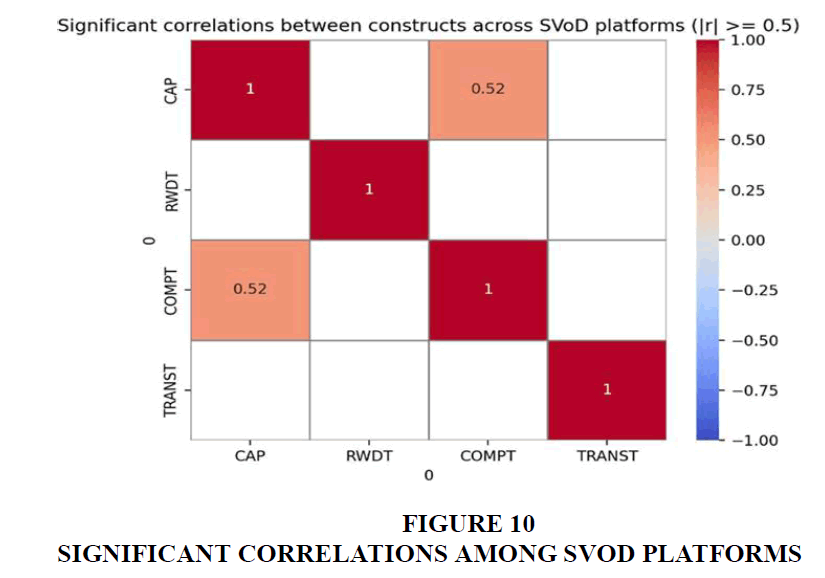
Figure 10 Significant Correlations Among SVOD Platforms
The examination started with the hypothesis that multiplayer online games have a higher immersion among the three chosen media entertainment channels. At the onset the hypothesis is satisfied, but the relationship between single player mobile games and multi-player online games is bit more complex. This complexity is also because of the difference in the play of individual agency and social dynamics that are inherent within the gaming architecture. The variability offered by in game coordination and communication of teammates in multiplayer online games is key factor that contributes to higher immersion levels. Though this is beyond the control of individual participant but this experience of team dynamics and creating a social entertainment channel seems to amplify the immersion quotient in this media of entertainment. Moreover, within the catalogue of games considered in the study, the role of user interface becomes very critical in facilitating the immersive experience.
Single player mobile games with simpler interface scored higher on immersion (Candy Crush). We also carried qualitative feedback for the single player mobile games. The games of Temple Run and Coinmaster encountered problems with user experience because of the complex design. It can be inferred that game features which are designed with an idea of challenge-based engagement can turn out to be the major frictional force and also transform into frustration-based disengagement. Prime Video’s comparatively higher immersion is an interesting anomaly particularly because various media pundits and experts suggest that Amazon’s streaming platform is flooded with cheap quality content, but our finding states that immersion on streaming platforms goes beyond the concept of content excellence.
Theoretical Underpinnings
The present findings, while potentially constrained by limitations in sampling design, sample size and the specific media catalogues examined, underscore a fundamental distinction in user experience between platforms: the role of agency. This also supports the proposition that superior immersion observed in gaming environments relative to passive streaming services can be attributed to what may be termed as anticipatory engagement. This construct is facilitated by the interactive architecture of games, which grants users a higher autonomy and control thereby deepening psychological investment. These observations are grounded in several established theoretical frameworks. The Self-Determination Theory (Ryan & Deci, 2000) details how the intrinsic motivation fostered by gaming through mastery of mechanics, meaningful choice and social connection directly fuels immersive states. The locus of transportation in gaming aligns with narrative transportation theory wherein immersion is a function of being lost in a story (Green & Brock, 2000). However, we can see through our investigation that games operationalize transportation not only through narrative transportation but also through enactment. It allows the user to become an active agent within the narrative which in turn intensifies absorption. Furthermore the social dimension of multiplayer gaming introduces complexity theorized through the lens of social presence and co-presence (Biocca et al., 2003). This very shared goal structure and dynamic interactions with other players creates a network of mutual influence that can elevate psychological investment in multiplayer online gaming. This duality is possible explanation of our observation where social interaction can simultaneously enhance and or destabilize immersion.
Conclusion
Assumptions, justifications, and logical deductions from the observations don't change the fact that gaming enjoys a far greater level of immersion than watching movies or binge watching a series. This creates a massive opportunity for advertisers, as companies can develop immersive experiences around a game associated with their brand. Barbie’s integration in Candy crush was one excellent example of how different media vehicles collaborate. Organizations can leverage the data gathered from players to gain a deeper insight of customers’ preferred choices, habits, and behaviors. Future investigations should examine the temporal stability of these immersion differences across extended usage periods and explore individual difference factors that moderate platform-specific immersion responses. Longitudinal studies tracking immersion trajectories over time would strengthen theoretical understanding and gather more insight over retention strategies. Additionally, research should investigate hybrid media formats that combine elements from high-immersion gaming with traditional content consumption, while neuroimaging studies could elucidate the neural mechanisms distinguishing transportation-based from dissociation-based immersive states.
New media technologies should focus on developing better immersive user experiences by enhancing the interactivity within the content. The measurement of mediators including agency, co-presence, perceived predictability, and interface usability; alongside immersion outcomes would clarify the causal pathways underlying these media differences. Cross-cultural validation of these findings would determine whether the observed patterns generalize across diverse demographic and geographic contexts, particularly given the global adoption of the media technologies examined in this study.
Declaration
The authors report no conflict of interest
References
Ahn, C., & Noh, G. Y. (2024). Eliciting guilt in virtual reality games: interplay of self-attribution, presence, and morality. Frontiers in Psychology, 15, 1416258.
Indexed at, Google Scholar, Cross Ref
Barlett, C., Rodeheffer, C. D., Baldassaro, R., Hinkin, M. P., & Harris, R. J. (2008). The effect of advances in video game technology and content on aggressive cognitions, hostility, and heart rate. Media psychology, 11(4), 540-565.
Bell, M., Chalmers, M., Barkhuus, L., Hall, M., Sherwood, S., Tennent, P., ... & Hampshire, A. (2006, April). Interweaving mobile games with everyday life. In Proceedings of the SIGCHI conference on Human Factors in computing systems (pp. 417-426).
Berle, D., Starcevic, V., Porter, G., & Fenech, P. (2015). Are some video games associated with more life interference and psychopathology than others? Comparing massively multiplayer online role-playing games with other forms of video game. Australian Journal of Psychology, 67(2), 105-114.
Indexed at, Google Scholar, Cross Ref
Biocca, F., Harms, C., & Burgoon, J. K. (2003). Toward a more robust theory and measure of social presence: Review and suggested criteria. Presence: Teleoperators & virtual environments, 12(5), 456-480.
Indexed at, Google Scholar, Cross Ref
Braun, B., Stopfer, J. M., Müller, K. W., Beutel, M. E., & Egloff, B. (2016). Personality and video gaming: Comparing regular gamers, non-gamers, and gaming addicts and differentiating between game genres. Computers in Human Behavior, 55, 406-412.
Indexed at, Google Scholar, Cross Ref
Cairns, P., Cox, A., & Nordin, A. I. (2014). Immersion in digital games: review of gaming experience research. Handbook of digital games, 337-361.
Indexed at, Google Scholar, Cross Ref
Calleja, G. (2007). Digital games as designed experience: Reframing the concept of immersion. Unpublished Doctoral Thesis, Victoria University of Wellington, Wellington.
Csikszentmihalyi, M., & Csikzentmihaly, M. (1990). Flow: The psychology of optimal experience (Vol. 1990, p. 1). New York: Harper & Row.
Deutsch, S. (2018). Engagement versus Immersion. The New Soundtrack, 8(1), 73-77.
Indexed at, Google Scholar, Cross Ref
Douglas, J. Y., & Hargadon, A. (2001). The pleasures of immersion and engagement: Schemas, scripts and the fifth business. Digital Creativity, 12(3), 153-166.
Douglas, Y., & Hargadon, A. (2000, May). The pleasure principle: immersion, engagement, flow. In Proceedings of the eleventh ACM on Hypertext and hypermedia (pp. 153-160).
Indexed at, Google Scholar, Cross Ref
Doumanoglou, A., Griffin, D., Serrano, J., Zioulis, N., Phan, T. K., Jiménez, D., ... & Daras, P. (2018). Quality of experience for 3-D immersive media streaming. IEEE Transactions on Broadcasting, 64(2), 379-391.
Indexed at, Google Scholar, Cross Ref
Duan, H., Zhu, X., Zhu, Y., Min, X., & Zhai, G. (2024). A quick review of human perception in immersive media. IEEE Open Journal on Immersive Displays, 1, 41-50.
Indexed at, Google Scholar, Cross Ref
Falkowski-Gilski, P., & Uhl, T. (2020). Current trends in consumption of multimedia content using online streaming platforms: A user-centric survey. Computer Science Review, 37, 100268.
Indexed at, Google Scholar, Cross Ref
Granic, I., Lobel, A., & Engels, R. C. (2014). The benefits of playing video games. American psychologist, 69(1), 66.
Green, M. C., & Brock, T. C. (2000). The role of transportation in the persuasiveness of public narratives. Journal of personality and social psychology, 79(5), 701.
Guitton, M. J. (2012). Living in the hutt space: Immersive process in the star wars role-play community of second life. Computers in Human Behavior, 28(5), 1681-1691.
Indexed at, Google Scholar, Cross Ref
Halbhuber, D., Thomaschke, R., Henze, N., Wolff, C., Probst, K., & Bogon, J. (2023, December). Play with my Expectations: Players Implicitly Anticipate Game Events Based on In-Game Time-Event Correlations. In Proceedings of the 22nd International Conference on Mobile and Ubiquitous Multimedia (pp. 386-397).
Indexed at, Google Scholar, Cross Ref
Halbrook, Y. J., O’Donnell, A. T., & Msetfi, R. M. (2019). When and how video games can be good: A review of the positive effects of video games on well-being. Perspectives on Psychological Science, 14(6), 1096-1104.
Indexed at, Google Scholar, Cross Ref
Harrison, D., & Lodge, N. (2000, June). Broadcasting presence: Immersive television. In Human Vision and Electronic Imaging V (Vol. 3959, pp. 540-547). SPIE.
Indexed at, Google Scholar, Cross Ref
Hou, J., Nam, Y., Peng, W., & Lee, K. M. (2012). Effects of screen size, viewing angle, and players’ immersion tendencies on game experience. Computers in Human Behavior, 28(2), 617-623.
Indexed at, Google Scholar, Cross Ref
Hu, M., Zhang, M., & Wang, Y. (2017). Why do audiences choose to keep watching on live video streaming platforms? An explanation of dual identification framework. Computers in human behavior, 75, 594-606.
Indexed at, Google Scholar, Cross Ref
Jennett, C., Cox, A. L., Cairns, P., Dhoparee, S., Epps, A., Tijs, T., & Walton, A. (2008). Measuring and defining the experience of immersion in games. International journal of human-computer studies, 66(9), 641-661.
Indexed at, Google Scholar, Cross Ref
Kaplan-Rakowski, R., & Meseberg, K. (2019). Immersive media and their future. In Educational Media and Technology Yearbook: Volume 42 (pp. 143-153). Cham: Springer International Publishing.
Indexed at, Google Scholar, Cross Ref
Kim, J. E., Lloyd, S., & Cervellon, M. C. (2016). Narrative-transportation storylines in luxury brand advertising: Motivating consumer engagement. Journal of Business Research, 69(1), 304-313.
Indexed at, Google Scholar, Cross Ref
Kim, Y. (2023). “Beyond Their Actual Limits”: Immersion, Interactivity, and the Virtual Sublime in Burke and Video Games. Games and Culture, 18(1), 124-141.
Indexed at, Google Scholar, Cross Ref
Koutromanos, G., & Avraamidou, L. (2014). The use of mobile games in formal and informal learning environments: A review of the literature. Educational Media International, 51(1), 49-65.
Kraus, M., Weiler, N., Oelke, D., Kehrer, J., Keim, D. A., & Fuchs, J. (2019). The impact of immersion on cluster identification tasks. IEEE Transactions on Visualization and Computer Graphics, 26(1), 525-535.
Indexed at, Google Scholar, Cross Ref
Liang, T. P., & Yeh, Y. H. (2011). Effect of use contexts on the continuous use of mobile services: the case of mobile games. Personal and Ubiquitous Computing, 15(2), 187-196.
Indexed at, Google Scholar, Cross Ref
Lieberman, A., Morales, A. C., & Amir, O. (2022). Tangential immersion: Increasing persistence in boring consumer behaviors. Journal of Consumer Research, 49(3), 450-472.
Indexed at, Google Scholar, Cross Ref
Lin, H. F. (2022). Influence of virtual experience immersion, product control, and stimulation on advertising effects. Journal of Global Information Management (JGIM), 30(9), 1-19.
Indexed at, Google Scholar, Cross Ref
Lombard, M., Reich, R. D., Grabe, M. E., Bracken, C. C., & Ditton, T. B. (2000). Presence and television. The role of screen size. Human communication research, 26(1), 75-98.
Indexed at, Google Scholar, Cross Ref
Lou, T., Zu, Y., & Zhu, L. (2020). A study of motivation and team member selection in online games. Asia Pacific Journal of Marketing and Logistics, 32(6), 1286-1304.
Indexed at, Google Scholar, Cross Ref
McGloin, R., Farrar, K., & Krcmar, M. (2013). Video games, immersion, and cognitive aggression: does the controller matter?. Media psychology, 16(1), 65-87.
Mochocki, M. (2021). Heritage sites and video games: Questions of authenticity and immersion. Games and Culture, 16(8), 951-977.
Indexed at, Google Scholar, Cross Ref
Morishima, S. (2008). Dive into the Movie. IEICE TRANSACTIONS on Information and Systems, 91(6), 1594-1603.
Indexed at, Google Scholar, Cross Ref
Mulla, T. (2022). Assessing the factors influencing the adoption of over-the-top streaming platforms: A literature review from 2007 to 2021. Telematics and Informatics, 69, 101797.
Indexed at, Google Scholar, Cross Ref
Mylona, I., Deres, E. S., Dere, G. D. S., Tsinopoulos, I., & Glynatsis, M. (2020). The impact of internet and videogaming addiction on adolescent vision: a review of the literature. Frontiers in public health, 8, 63.
Indexed at, Google Scholar, Cross Ref
Petersen, G. B., Petkakis, G., & Makransky, G. (2022). A study of how immersion and interactivity drive VR learning. Computers & Education, 179, 104429.
Indexed at, Google Scholar, Cross Ref
Phillips, B. J., & McQuarrie, E. F. (2010). Narrative and persuasion in fashion advertising. Journal of consumer research, 37(3), 368-392.
Indexed at, Google Scholar, Cross Ref
Postigo, H. (2003). From Pong to Planet Quake: Post-industrial transitions from leisure to work. Information Communication & Society, 6(4), 593-607.
Rigby, J. M., Brumby, D. P., Cox, A. L., & Gould, S. J. (2016, September). Watching movies on netflix: investigating the effect of screen size on viewer immersion. In Proceedings of the 18th international conference on human-computer interaction with mobile devices and services adjunct (pp. 714-721).
Indexed at, Google Scholar, Cross Ref
Rigby, J. M., Brumby, D. P., Gould, S. J., & Cox, A. L. (2019, June). Development of a questionnaire to measure immersion in video media: The Film IEQ. In Proceedings of the 2019 ACM International Conference on Interactive Experiences for TV and Online Video (pp. 35-46).
Indexed at, Google Scholar, Cross Ref
Ryan, R. M., & Deci, E. L. (2000). Self-determination theory and the facilitation of intrinsic motivation, social development, and well-being. American psychologist, 55(1), 68.
Schnack, A., Wright, M. J., & Holdershaw, J. L. (2020). An exploratory investigation of shopper behaviour in an immersive virtual reality store. Journal of Consumer Behaviour, 19(2), 182-195.
Indexed at, Google Scholar, Cross Ref
Scholz, J., & Smith, A. N. (2016). Augmented reality: Designing immersive experiences that maximize consumer engagement. Business horizons, 59(2), 149-161.
Indexed at, Google Scholar, Cross Ref
Shin, D. (2019). How do users experience the interaction with an immersive screen?. Computers in Human Behavior, 98, 302-310.
Indexed at, Google Scholar, Cross Ref
Slater, M. (2003). A note on presence terminology. Presence connect, 3(3), 1-5.
Wang, L., Gohary, A., & Chan, E. Y. (2024). Are concave ads more persuasive? The role of immersion. Journal of Advertising, 53(2), 230-241.
Weibel, D., Wissmath, B., & Mast, F. W. (2010). Immersion in mediated environments: The role of personality traits. Cyberpsychology, Behavior, and Social Networking, 13(3), 251-256.
Indexed at, Google Scholar, Cross Ref
Wilkinson, M., Brantley, S., & Feng, J. (2021, September). A mini review of presence and immersion in virtual reality. In Proceedings of the human factors and ergonomics society annual meeting (Vol. 65, No. 1, pp. 1099-1103). Sage CA: Los Angeles, CA: SAGE Publications.
Indexed at, Google Scholar, Cross Ref
Wolf, M. J. (Ed.). (2007). The video game explosion: a history from PONG to Playstation and beyond. Bloomsbury Publishing USA.
Zeng, Y., Sapienza, A., & Ferrara, E. (2019). The influence of social ties on performance in team-based online games. IEEE Transactions on Games, 13(4), 358-367.
Zillmann, D., & Vorderer, P. (2000). Media entertainment: The psychology of its appeal. Routledge.
Indexed at, Google Scholar, Cross Ref
Received: 02-Jan-2026, Manuscript No. AMSJ-26-16389; Editor assigned: 04-Jan-2026, PreQC No. AMSJ-26-16389(PQ); Reviewed: 10- Jan-2026, QC No. AMSJ-26-16389; Revised: 11-Feb-2026, Manuscript No. AMSJ-26-16389(R); Published: 23-Feb-2026