Research Article: 2026 Vol: 30 Issue: 5
Impact of Workload on Employee Wellbeing and Job Satisfaction
Shruthi G, Research Scholar, Department of MBA & Research Centre, East West Institute of Technology, Bangalore
Dr. Prathap B N, Professor, Department of MBA & Research Centre, East West Institute of Technology, Bangalore
Srinivas S, Assistant Professor, Department of MBA & Research Centre, SJC Institute of Technology, Chikkaballapur
Dr. S Venkat Raghav, Assistant Professor, Department of MBA & Research Centre, SJC Institute of Technology, Chikkaballapur
Dr. Srinivasa G, Associate Professor, Department of MBA & Research Centre, SJC Institute of Technology Chikkaballapur
Manjunath Naik, Assistant Professor, Research Scholar, Department of MBA & Research Centre, SJC Institute of Technology, Chikkaballapur
Citation Information: Shruthi,G., Prathap, B N., Srinivas, S., Raghav,S.N., Srinivasa, G., & Naik, M., (2026). Impact of workload on employee wellbeing and job satisfaction. Academy of Marketing Studies Journal, 30(5), 1-14.
Abstract
Employee wellbeing and job satisfaction have become critical determinants of organizational effectiveness in today's dynamic work environment. Excessive workload often affects employees' physical and psychological health, ultimately influencing their satisfaction and overall performance. The present study examines the influence of workload on employee wellbeing and job satisfaction among employees. The study specifically considers four workload dimensions: Quantitative Workload, Time Pressure, Role Overload, and Work Intensity. A descriptive research design was adopted, and primary data were collected from 148 employees using a structured questionnaire with a five-point Likert scale. The collected data were analyzed using descriptive statistics, reliability analysis, and multiple regression analysis. The reliability analysis yielded a Cronbach's Alpha value of 0.888, indicating good internal consistency of the research instrument. The regression results revealed that the workload dimensions explained 53.8% of the variation in employee wellbeing and 49.6% of the variation in job satisfaction. The regression models were statistically significant confirming that workload significantly influences both employee wellbeing and job satisfaction. Among the workload dimensions, Work Intensity emerged as the strongest predictor of both employee wellbeing and job satisfaction, while Role Overload also demonstrated a significant positive influence. However, Time Pressure did not significantly influence employee wellbeing, and Quantitative Workload did not significantly influence job satisfaction. The findings highlight the importance of effective workload management in enhancing employee wellbeing and job satisfaction. The study recommends that organizations adopt balanced workload practices, supportive management, and employee wellbeing initiatives to create healthier and more productive workplaces.
Keywords
Workload, Quantitative Workload, Time Pressure, Role Overload, Work Intensity, Employee Wellbeing, Job Satisfaction.
Introduction
In today's dynamic and competitive business environment, organizations increasingly recognize that employee wellbeing and job satisfaction are critical determinants of organizational success. Employees are valuable assets whose physical, mental, and emotional health directly influence workplace performance, engagement, and organizational sustainability. As workplaces continue to evolve due to technological advancements, changing work patterns, and increasing job demands, managing employee workload has become a significant challenge for organizations across various sectors. Workload refers to the amount, complexity, and intensity of work assigned to employees within a specified period. It encompasses various dimensions, including quantitative workload, time pressure, role overload, and work intensity. While an appropriate level of workload can enhance employee motivation and performance, excessive workload often leads to fatigue, stress, burnout, and reduced job satisfaction. Consequently, employees may experience diminished wellbeing, which adversely affects both individual performance and organizational effectiveness. Employee wellbeing is a multidimensional concept encompassing physical, mental, and emotional health within the workplace. Organizations that prioritize employee wellbeing foster healthier work environments, improve employee engagement, and reduce absenteeism and turnover. Similarly, job satisfaction reflects employees' overall positive evaluation of their jobs, including aspects such as work content, recognition, career development, and organizational support. Satisfied employees are more likely to demonstrate commitment, motivation, and positive workplace behaviors. Although previous studies have independently examined the relationships between workload, employee wellbeing, and job satisfaction, limited research has simultaneously investigated the influence of workload on both employee wellbeing and job satisfaction within the context of public and private organizations. Understanding these relationships is essential for organizations seeking to develop effective workload management strategies that support employee health, satisfaction, and long-term organizational performance.
Therefore, the present study aims to examine the influence of workload on employee wellbeing and job satisfaction among employees. The findings are expected to provide valuable insights for managers and human resource professionals in designing policies and interventions that promote balanced workloads, enhance employee wellbeing, improve job satisfaction, and create sustainable and productive work environments.
Review of Literature and Research Gap
Review of Literature
• Afroz et al. (2026) reviewed the relationship between healthy workplace practices, work engagement, self-efficacy, workload, and employee wellbeing. The study found that healthy workplace practices and manageable workloads positively influence work engagement and employee wellbeing. It concluded that organizations should integrate supportive workplace practices to enhance employee wellbeing and organizational effectiveness.
• Chen (2026) investigated the impact of leadership and workload on healthcare employees' affective wellbeing using the Job Demands–Resources (JD-R) model. The findings demonstrated that excessive workload negatively influences employee wellbeing, while supportive leadership and a strong sense of career calling mitigate these adverse effects. The study emphasized balancing workload with adequate organizational support to promote employee wellbeing.
• Dwinanti (2026) examined the influence of workload and job stress on employee wellbeing in the manufacturing sector. The study found that high workload and job stress contribute to employee fatigue, dissatisfaction, and higher turnover intentions. However, employees with better wellbeing, supported by safe working conditions, organizational support, and job satisfaction, were better equipped to manage work-related stress and remained more committed to the organization. The study concluded that effective workload management and employee wellbeing initiatives are essential for reducing turnover and improving organizational performance.
• Gunasaigran (2025) explored the relationship between workload, organizational support, and employee wellbeing in the Malaysian manufacturing sector. The findings indicated that heavy workloads and demanding performance targets negatively affect employee wellbeing by increasing stress and reducing job satisfaction. However, strong organizational support, including employee recognition, workplace flexibility, and managerial support, helps employees manage work pressure more effectively. The study concluded that balancing workload with adequate organizational support is essential for improving employee wellbeing, enhancing organizational performance, and achieving sustainable organizational growth.
• Wulandari and Khaerudin (2025) conducted a literature review on the relationship between workload, job stress, and job satisfaction. The study concluded that excessive workload significantly reduces job satisfaction by increasing employee stress and work pressure. It emphasized that organizations should adopt effective workload management practices to improve employee satisfaction and organizational performance.
• Pandey et al. (2025) carried out a systematic literature review on employee wellbeing by synthesizing evidence from 102 peer-reviewed studies. The review identified workload as one of the major antecedents of employee wellbeing and highlighted that excessive job demands negatively affect employees' physical and psychological health. The study also emphasized the importance of organizational support and job resources in promoting employee wellbeing.
• Karhula et al. (2025) examined the role of workload in supporting the wellbeing of healthcare professionals during external crises through an umbrella review. The findings revealed that effective workload management reduces employee fatigue, burnout, and psychological distress while improving overall wellbeing. The study recommended implementing organizational strategies that balance workload demands to protect employee health and wellbeing.
• Hasin (2023) investigated the impact of workload on employee wellbeing in industrial sectors. The findings revealed that excessive workload increases employee stress and fatigue, thereby negatively affecting overall wellbeing. The study also found that job satisfaction enables employees to cope more effectively with work pressure, reducing the adverse effects of heavy workloads. It emphasized that supportive management practices and effective work systems improve employee morale, wellbeing, and productivity, ultimately contributing to better organizational performance.
• Mansor (2022) examined the relationship between employee satisfaction, wellbeing, workload, and work–life balance in the manufacturing sector. The study concluded that employee satisfaction, wellbeing, workload, and work–life balance are closely interconnected and significantly influence employee performance and organizational productivity. It found that higher levels of job satisfaction and employee wellbeing contribute to better work–life balance, whereas excessive workload increases stress and work–life imbalance. The study recommended that manufacturing organizations maintain reasonable workloads, provide supportive management, and foster a positive work environment to enhance employee wellbeing and overall organizational efficiency.
Research Gap
Previous studies have primarily examined the relationship between workload and employee wellbeing or workload and job satisfaction independently. Although evidence suggests that excessive workload adversely affects both employee wellbeing and job satisfaction, limited studies have simultaneously investigated the influence of workload on these two outcomes within a single research framework, particularly among employees in public and private organizations. Therefore, the present study seeks to bridge this gap by examining the influence of workload on both employee wellbeing and job satisfaction.
Problem Statement
Increasing workload and demanding work environments have made it challenging for organizations to maintain employee wellbeing and job satisfaction. Excessive workload often leads to stress, fatigue, burnout, and reduced job satisfaction, adversely affecting both employee performance and organizational effectiveness. Although previous studies have examined the relationship between workload and employee wellbeing or job satisfaction separately, limited research has investigated the influence of workload on both employee wellbeing and job satisfaction within a single framework. Therefore, this study aims to examine the influence of workload on employee wellbeing and job satisfaction, providing insights that can help organizations develop effective workload management strategies and create healthier, more satisfying work environments.
Need of the Study
The growing workload and increasing job demands in modern organizations have made employee wellbeing and job satisfaction critical concerns for employers. Understanding how workload influences these outcomes is essential for developing effective workload management practices that promote a healthy and productive work environment. This study will provide insights to organizations in designing strategies that improve employee wellbeing, enhance job satisfaction, reduce work-related stress, and ultimately strengthen organizational performance.
Objectives of the Study
• To identify the key dimensions of workload experienced by employees.
• To examine employees' perceptions of workload, employee wellbeing, and job satisfaction.
• To assess the influence of workload on employee wellbeing and job satisfaction.
Conceptual Framework
The conceptual framework illustrates the proposed relationship between the identified workload factors with employee well-being and job satisfaction. It is developed based on an extensive review of existing literature and serves as the foundation for testing the hypotheses of the study Figure 1.
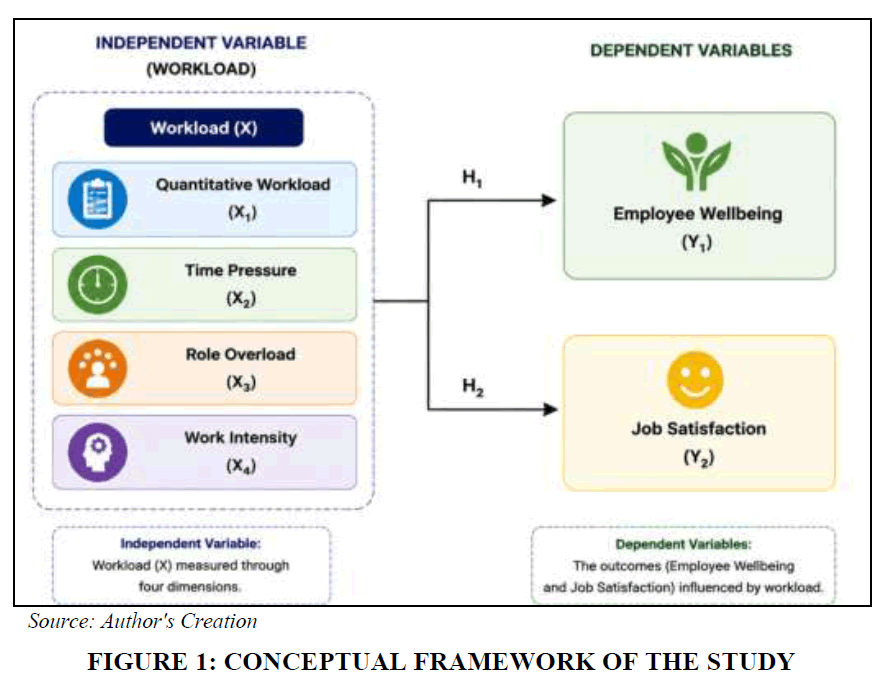
Figure 1 Conceptual Framework of the Study
Hypotheses
• H0: Workload factors have no significant influence on employee wellbeing.
• H1: Workload factors have no significant influence on job satisfaction.
Research Methodology and Operationalization
Research Design
The study adopted a descriptive and analytical research design. The descriptive design was used to understand employees' perceptions of workload factors, while the analytical design was employed to examine the influence of workload factors on employee wellbeing and job satisfaction using multiple regression analysis.
Population and Sample
The target population comprised employees working in public and private sector organizations in Bengaluru Urban. A total of 148 respondents participated in the study.
Sampling Technique
The study employed a non-probability convenience sampling technique to collect data from employees who were readily accessible and willing to participate in the survey.
Data Collection Methods
Primary data were collected using a structured questionnaire administered to employees of public and private sector organizations. Secondary data were collected from research journals, books, conference proceedings, government reports, and relevant websites to support the theoretical framework and literature review Table 1.
| Table 1 Variables of the Study | |
| Variable Type | Variables |
| Independent Variable | Workload Factors |
| Dimensions of Workload Factors | Quantitative Workload (X1) |
| Time Pressure (X2) | |
| Role Overload (X3) | |
| Work Intensity (X4) | |
| Dependent Variable | Employee Wellbeing (Y1) |
| Job Satisfaction (Y2) | |
Variables of the Study
Measurement Scale
The study measured all variables using a five-point Likert scale, where: 1-Strongly Disagree, 2-Disagree, 3-Neutral, 4-Agree, 5-Strongly Agree
Statistical Tools Used
The collected data were analyzed using IBM SPSS Statistics. The following statistical tools were employed Table 2:
| Table 2 Statistical Tools Used | |
| Statistical Tool | Purpose |
| Frequency and Percentage Analysis | To analyse the demographic profile of respondents. |
| Descriptive Statistics (Mean and Standard Deviation) | To examine employees' perceptions of workload factors, employee wellbeing and job satisfaction. |
| Multiple Regression Analysis | To assess the influence of workload factors on employee wellbeing and job satisfaction. |
Data Analysis and Interpretation
Demographic Profile of Respondents
The demographic profile of respondents provides an overview of the characteristics of the employees who participated in the study. It includes variables such as age group, work experience, educational qualification, and monthly income. Analyzing these characteristics helps in understanding the composition of the sample and provides a context for interpreting the findings related to workplace factors and employee productivity Table 3.
| Table 3 Demographic Profile of Respondents (N = 148) | ||
| Variable | Categories | Frequency (%) |
| Age Group | Below 25 years | 6 (4.1%) |
| 26–30 years | 21 (14.2%) | |
| 31–40 years | 108 (73.0%) | |
| 41–50 years | 6 (4.1%) | |
| Above 50 years | 7 (4.7%) | |
| Total | 148 (100%) | |
| Experience | Less than 1 year | 11 (7.4%) |
| 1–5 years | 40 (27.0%) | |
| 6–10 years | 84 (56.8%) | |
| Above 10 years | 13 (8.8%) | |
| Total | 148 (100%) | |
| Educational Qualification | Higher Secondary | 52 (35.1%) |
| Graduate | 56 (37.8%) | |
| Postgraduate | 40 (27.0%) | |
| Total | 148 (100%) | |
| Monthly Income | Less than Rs.25,000 | 5 (3.4%) |
| Rs.25,000 – Rs.50,000 | 33 (22.3%) | |
| Rs.50,000 – Rs.75,000 | 86 (58.1%) | |
| Rs.75,000 – Rs.1,00,000 | 24 (16.2%) | |
| Total | 148 (100%) | |
Source: Self-calculated using IBM SPSS Statistics.
Interpretation
The demographic profile indicates that the majority of respondents (73.0%) belonged to the 31–40 years age group, followed by 20–30 years (14.2%), while only 4.1% each were below 20 years and between 41–50 years, and 4.7% were above 50 years. Regarding work experience, most respondents (56.8%) had 6–10 years of experience, followed by 27.0% with 1–5 years, 8.8% with above 10 years, and 7.4% with less than one year of experience. In terms of educational qualification, 37.8% were graduates, 35.1% had completed higher secondary education, and 27.0% were postgraduates. With respect to monthly income, the majority (58.1%) earned between Rs.50,000 and Rs.75,000, followed by 22.3% earning Rs.25,000– Rs.50,000, 16.2% earning Rs.75,000– Rs.1,00,000, and 3.4% earning less than ₹25,000. Overall, the respondents predominantly comprised experienced employees in the 31–40 years age group with graduate-level education and moderate monthly income, making them suitable participants for examining the influence of workload on employee wellbeing and job satisfaction.
Descriptive Statistics
Descriptive statistics were employed to examine the respondents' perceptions of the study variables. The analysis includes the mean and standard deviation of each constructs measured using a five-point Likert scale, where higher mean values indicate greater agreement with the statements. The mean represents the average response, while the standard deviation indicates the extent of variation in respondents' opinions Table 4.
| Table 4 Descriptive Statistics of the Study Variables | |||
| Variable | Indicators / Dimensions | Mean | Std. Deviation |
| Quantitative Workload (X1) | • Assigned Workload | 3.3 | 1.21 |
| • Multiple Task Demands | |||
| • Consistent Workload | |||
| • Work Overload | |||
| Time Pressure (X2) | • Tight Deadlines | 3.38 | 1.11 |
| • Sufficient Time to Complete Tasks | |||
| • Feeling Rushed at Work | |||
| • Time Constraints | |||
| Role Overload (X3) |
• Excessive Responsibilities | 3.41 | 1.11 |
| • Demanding Job Responsibilities | |||
| • Difficulty Balancing Responsibilities | |||
| • Excessive Expectations | |||
| Work Intensity (X4) |
• High Work Effort | 3.37 | 1.16 |
| • Continuous Work without Breaks | |||
| • Sustained Concentration | |||
| • Mental Exhaustion | |||
| Employee Wellbeing (Y1) | • Physical Wellbeing | 3.2 | 1.16 |
| • Stress Management | |||
| • Emotional Wellbeing | |||
| • Overall Workplace Wellbeing | |||
| Job Satisfaction (Y2) |
• Overall Job Satisfaction | 3.4 | 1.19 |
| • Enjoyment of Work | |||
| • Overall Work Experience | |||
| • Organizational Recommendation | |||
(The means and standard deviations above are the averages of the respective items.)
Interpretation
The results of the multiple regression analysis reveal that the four workload dimensions collectively have a significant influence on Job Satisfaction (R2 = 0.496, F = 35.216, p < 0.001). The model explains 49.6% of the variation in job satisfaction, indicating moderate explanatory power. Among the independent variables, Work Intensity (β = 0.389, p < 0.001) emerged as the strongest predictor of job satisfaction, followed by Time Pressure (β = 0.318, p < 0.001) and Role Overload (β = 0.175, p = 0.010). However, Quantitative Workload (β = –0.001, p = 0.990) did not have a statistically significant influence on job satisfaction.
Therefore, the null hypothesis is accepted for Quantitative Workload and rejected for Time Pressure, Role Overload, and Work Intensity, indicating that these three workload dimensions significantly influence employees' job satisfaction.
Reliability Analysis (Cronbach's Alpha)
Reliability analysis was conducted to assess the internal consistency of the questionnaire used in the study. Cronbach's Alpha coefficient was employed to determine the reliability of the measurement scale. A Cronbach's Alpha value of 0.70 or above is generally considered acceptable, indicating that the items consistently measure the intended constructs Table 5.
| Table 5 Reliability Statistics | |
| Measure | Value |
| Cronbach's Alpha | 0.888 |
| Number of Items | 28 |
Interpretation
The Cronbach's Alpha value of 0.888 indicates that the questionnaire has good internal consistency, confirming that the instrument is reliable for measuring the study variables and suitable for further statistical analysis.
Multiple Regression Analysis
Multiple regression analysis was performed to examine the influence of Quantitative Workload (QTW), Time Pressure (TP), Role Overload (RO), and Work Intensity (WI) on Employee Wellbeing (EW) Table 6.
| Table 6 Model Summary | |||
| R | R2 | Adjusted R2 | Std. Error of Estimate |
| 0.734 | 0.538 | 0.525 | 2.1774 |
Interpretation: The model explains 53.8% of the variation in Employee Wellbeing (R2 = 0.538), indicating good explanatory power Table 7.
| Table 7 Anova Results | |||||
| Source | SS | df | MS | F | p-value |
| Regression | 789.943 | 4 | 197.486 | 41.654 | 0.000 |
| Residual | 677.975 | 143 | 4.741 | ||
| Total | 1467.919 | 147 | |||
Interpretation: The regression model is statistically significant (F = 41.654, p < 0.001), indicating that the workload dimensions jointly influence Employee Wellbeing Table 8.
| Table 8 Regression Coefficients | |||||
| Independent Variables | B | β | t | p-value | Decision |
| Quantitative Workload (X1) | 0.183 | 0.193 | 2.443 | 0.016 | Significant |
| Time Pressure (X2) | 0.049 | 0.052 | 0.762 | 0.448 | Not Significant |
| Role Overload (X3) | 0.314 | 0.278 | 4.326 | 0.000 | Significant |
| Work Intensity (X4) | 0.372 | 0.389 | 4.940 | 0.000 | Significant |
Dependent Variable: Employee Wellbeing (Y1)
Interpretation
The results of the multiple regression analysis reveal that the four workload dimensions collectively have a significant influence on Employee Wellbeing (R2 = 0.538, F = 41.654, p < 0.001). The model explains 53.8% of the variation in employee wellbeing, indicating good explanatory power. Among the independent variables, Work Intensity (β = 0.389, p < 0.001) emerged as the strongest predictor of employee wellbeing, followed by Role Overload (β = 0.278, p < 0.001) and Quantitative Workload (β = 0.193, p = 0.016). However, Time Pressure (β = 0.052, p = 0.448) did not have a statistically significant influence on employee wellbeing.
Therefore, the null hypothesis is accepted for Time Pressure and rejected for Quantitative Workload, Role Overload, and Work Intensity, indicating that these three workload dimensions significantly influence employees' wellbeing.
Regression Model:
Employee Wellbeing (Y1) = 0.417 + 0.183X1 + 0.049X2 + 0.314X3 + 0.372X4
Where:
• X1 = Quantitative Workload
• X2 = Time Pressure
• X3 = Role Overload
• X4 = Work Intensity
Multiple Regression Analysis
Multiple regression analysis was performed to examine the influence of Quantitative Workload (QTW), Time Pressure (TP), Role Overload (RO), and Work Intensity (WI) on Job Satisfaction (JS) Table 9.
| Table 9 Model Summary | |||
| R | R2 | Adjusted R2 | Std. Error of Estimate |
| 0.704 | 0.496 | 0.482 | 2.2379 |
Interpretation: The model explains 49.6% of the variation in employee productivity (R2 = 0.496), indicating good explanatory power Table 10.
| Table 10 Anova Results | |||||
| Source | SS | df | MS | F | p-value |
| Regression | 705.489 | 4 | 176.372 | 35.216 | 0.000 |
| Residual | 716.187 | 143 | 5.008 | ||
| Total | 1421.676 | 147 | |||
Interpretation: Interpretation: The regression model is statistically significant (F = 35.216, p < 0.001), indicating that the workload dimensions jointly influence Job Satisfaction Table 11.
| Table 11 Regression Coefficients | |||||
| Independent Variables | B | β | t | p-value | Decision |
| Quantitative Workload (X1) | -0.001 | -0.001 | -0.013 | 0.990 | Not Significant |
| Time Pressure (X2) | 0.291 | 0.318 | 4.433 | 0.000 | Significant |
| Role Overload (X3) | 0.195 | 0.175 | 2.612 | 0.010 | Significant |
| Work Intensity (X4) | 0.366 | 0.389 | 4.726 | 0.000 | Significant |
Dependent Variable: Job Satisfaction (Y)
Interpretation
The results of the multiple regression analysis reveal that the four workload dimensions collectively have a significant influence on Job Satisfaction (R2 = 0.496, F = 35.216, p < 0.001). The model explains 49.6% of the variation in job satisfaction, indicating moderate explanatory power. Among the independent variables, Work Intensity (β = 0.389, p < 0.001) emerged as the strongest predictor of job satisfaction, followed by Time Pressure (β = 0.318, p < 0.001) and Role Overload (β = 0.175, p = 0.010). However, Quantitative Workload (β = –0.001, p = 0.990) did not have a statistically significant influence on job satisfaction.
Therefore, the null hypothesis is accepted for Quantitative Workload and rejected for Time Pressure, Role Overload, and Work Intensity, indicating that these three workload dimensions significantly influence employees' job satisfaction.
Regression Model
Job Satisfaction (Y2) = 2.070 − 0.001X1 + 0.291X2 + 0.195X3 + 0.366X4
Where:
• X1 = Quantitative Workload
• X2 = Time Pressure
• X3 = Role Overload
• X4 = Work Intensity
Findings of the study
• The descriptive statistics revealed that respondents experienced moderate to moderately high levels of workload, employee wellbeing, and job satisfaction, with mean scores ranging from 20 to 3.41.
• Among the workload dimensions, Role Overload recorded the highest mean score (Mean = 3.41), indicating that employees perceived excessive responsibilities and work expectations.
• The reliability analysis produced a Cronbach's Alpha of 0.888, confirming that the questionnaire possessed good internal consistency and was suitable for further statistical analysis.
• The regression analysis for Job Satisfaction revealed that the workload dimensions explained 6% of the variation in job satisfaction (R2 = 0.496). The regression model was statistically significant (F = 35.216, p < 0.001).
• Among the workload dimensions, Work Intensity was the strongest predictor of job satisfaction, followed by Time Pressure and Role Overload, whereas Quantitative Workload did not significantly influence job satisfaction.
• The regression analysis for Employee Wellbeing showed that the workload dimensions explained 8% of the variation in employee wellbeing (R2 = 0.538). The regression model was statistically significant (F = 41.654, p < 0.001).
• Work Intensity emerged as the strongest predictor of employee wellbeing, followed by Role Overload and Quantitative Workload. However, Time Pressure did not have a statistically significant influence on employee wellbeing.
• Overall, the findings indicate that workload dimensions significantly influence both employee wellbeing and job satisfaction, although the impact varies across different workload dimensions.
Suggestions
• Organizations should regularly assess employee workload to ensure that work responsibilities are distributed fairly and appropriately.
• Managers should reduce excessive work intensity and role overload by allocating resources effectively and promoting realistic performance expectations.
• Employee wellbeing initiatives, such as stress management programmes, counselling services, and wellness activities, should be strengthened to improve employees' physical and psychological health.
• Organizations should encourage supportive leadership and open communication to help employees manage workload-related challenges effectively.
• Periodic employee satisfaction surveys should be conducted to identify workload issues and implement timely corrective measures.
Conclusion
The present study examined the influence of workload dimensions on employee wellbeing and job satisfaction among employees. The findings revealed that workload significantly influences both employee wellbeing and job satisfaction. Specifically, Work Intensity emerged as the most influential predictor for both dependent variables, while Role Overload also demonstrated a significant positive influence. Although Quantitative Workload significantly influenced employee wellbeing, it did not significantly affect job satisfaction. Similarly, Time Pressure significantly influenced job satisfaction but not employee wellbeing. Overall, the study highlights the importance of effective workload management in fostering employee wellbeing and job satisfaction. Organizations should therefore adopt balanced workload practices and supportive work environments to enhance employee outcomes and achieve sustainable organizational performance.
Limitations of the Study
• The study was confined to a sample of 148 respondents, which may limit the generalizability of the findings.
• The study relied on self-reported responses, which may be subject to personal bias.
• Only four workload dimensions-Quantitative Workload, Time Pressure, Role Overload, and Work Intensity-were considered in the study.
• The study employed a cross-sectional research design; therefore, changes over time could not be examined.
• The study was conducted among employees from selected organizations and may not represent all industries or geographical regions.
Scope for Future Research
• Future studies may include larger and more diverse samples from different industries and regions.
• Additional variables such as organizational support, employee engagement, work-life balance, burnout, leadership style, and organizational commitment can be incorporated to enhance the explanatory power of the model.
• Comparative studies between public and private sector organizations can provide deeper insights into workload management practices.
• Longitudinal studies may be undertaken to examine changes in employee wellbeing and job satisfaction over time.
• Future researchers may explore mediating or moderating variables to better understand the relationship between workload and employee outcomes.
References
Afroz, F., Ali, A. J., & Mia, M. A. (2026). Healthy workplace practices, self-efficacy, work engagement, and workload: A conceptual review of employee well-being. International Journal of Academic Research in Business and Social Sciences, 16(1), 257–271.
Chen, J., Deeg, M., & Sigdyal, P. (2026). The impact of leadership and workload on healthcare employee affective well-being: Does career calling matter? Journal of Health Organization and Management, 40(3), 612–628.
Dwinanti, E. K. (2026). "The Impact Of Workload And Work Stress On Turnover Intentions": The Role Of Moderating Employee Well-Being. 9, 2643.
Farah Ahlami Mansor, Y. H. (2022). Correlation of Employees’ Satisfaction, Employees’. 12, 1635-1636.
Hanafiah Hasin, W. S. (2023). The Impact of Workload, Management Factors, and Job. 13, 1007-100
Hasin, H., Hussain, W. S., Nordin, E., Jamil, A., & Johari, Y. C. (2023). The impact of workload, management factors, and job insecurity on employee well-being: A review of recent research. International Journal of Academic Research in Business and Social Sciences, 13(4), 1002-1011.
Karhula, K., Heliövaara, M., Virtanen, M., et al. (2025). Workload management and the wellbeing of healthcare professionals during external crises: An umbrella review. Journal of Occupational Health.
Kethan, M. (2022). Impact of task performance on job satisfaction of information technology employees in Bengaluru city. The Review of Contemporary Scientific and Academic Studies An International Multidisciplinary Online Journal, 2(6), 2583-1380.
Mansor, F. A., Mat Jusoh, Y. H., Mohd Said, N. S., Omar Ali, S. R., & Mat, K. A. (2022). Correlation of employees’ satisfaction, employees’ wellbeing and workload between work life balance. International Journal of Academic Research in Business and Social Sciences, 12(9), 1628-1636.
Indexed at, Google Scholar, Cross Ref
Pandey, A., et al. (2025). Employee wellbeing: A systematic literature review of organizational antecedents and outcomes. Acta Psychologica.
Prabakar, S., Kumar, V. S., Sangu, V. S., Muthulakshmi, P., Prabakar, S., & Basha, S. M. (2025). Catalysts of change: The transformative journey from HR 1.0 to HR 5.0–Innovations, challenges, and strategies in human resource management with technology and data-driven integration. Indian Journal of Information Sources and Services, 15(1), 47-54.
Raji, N., George, V., Iyer, R. S., Sharma, S., & Mahabub, B. S. (2024). Revolutionizing recruitment: The role of artificial intelligence in talent acquisition. ShodhKosh Journal of Visual and Performing Arts, 5(1).
Indexed at, Google Scholar, Cross Ref
Varoodhini, S., Anilkumar, J., Das, R., Bharathi, T., Ramesh Babu, S., Anjum, A., & Mahabub Basha, S. (2025). DETERMINANTS OF EMPLOYEE ENGAGEMENT IN ORGANIZED RETAIL: AN ANALYTICAL STUDY. Archives for Technical Sciences/Arhiv za Tehnicke Nauke, (34), 72.
Indexed at, Google Scholar, Cross Ref
Wulandari, D. S., & Khaerudin, K. (2025). Analysis of The Influence Between Job Stress, Workload and Job Satisfaction (Literature Review). Dinasti International Journal of Management Science, 6(3).
Indexed at, Google Scholar, Cross Ref
Received: 01-Sep-2026, Manuscript No. AMSJ-26-17375; Editor assigned: 01-Sep-2026, PreQC No. AMSJ-26-17375(PQ); Reviewed: 15-Sep-2026, QC No. AMSJ-26-17375; Revised: 22-Sep-2026, Manuscript No. AMSJ-26-17375(R); Published: 30-Sep-2026