Research Article: 2025 Vol: 29 Issue: 6
Key Factors In Online Purchase Of Electronic Goods Through Direct-To-Customer Model: A Bibliometric Analysis From B2b And B2c Customer Perspective
Nidhi Jha, University Of Petroleum and Energy Studies
Sunil Barthwal, University Of Petroleum and Energy Studies
Citation Information: Jha, N., & Barthwal, S. (2025) Key factors in online purchase of electronic goods through direct-tocustomer model: a bibliometric analysis from b2b and b2c customer perspectiv. Academy of Marketing Studies Journal, 29(6), 1-21.
Abstract
Purpose: The paper reviews literature pertaining to significant factors for implementation of Direct-to-customer (D2C) model in e-retailing of electronic goods from the perspective of B2C (Business-to- consumer) and B2B (Business-to-Business) customers. Design/methodology/approach: Bibliometric approach was adopted to review and analyze the literature on e-retailing, spanning from 2010 to 2022. The Scopus database was used to retrieve articles focusing on the D2C business model in e-retailing of electronic goods. Publication trends, keyword co-occurrence analysis and thematic cluster helped analyze the themes emerging in D2C Model retailing. Findings: The analysis reveals a steady rise in research on D2C business models in e-retailing of electronic goods over the last two decades, indicating model’s growing significance in the digital commerce landscape. It provides insightful analysis of the variables related to the D2C business model for different customer segments. Variables such as trust, effective website and reviews are important from B2C customer perspective wherein supply chain, exclusiveness, customization and importance of information-are critical from a B2B customer perspective that has an impact on their purchase intention and decision of online purchase of electronic goods using D2C model. Relationship management came as a significant factor for both B2B and B2C customers. Research limitations: The temporal scope of the research may overlook recent advancements and developments in the e-retailing industry as the review is limited to just over a decade until 2022. The use of predefined keywords, and textual data sourced from existing literature, may have limited the understanding of the complexities inherent in the D2C model. The future study may also need to incorporate regional and cultural variations. Practical implications: The study gives an insight into the evolution of D2C business model and essential variables associated that influence the e-retailing environment model of electronic goods for two separate customer segments. It offers a comprehensive basis for future academic inquiries into the D2C business model relevant to other industries Originality: This research's novelty is thorough bibliometric examination of the D2C business model within the context of e-retailing of electronic products. The paper provides comprehensive analysis covering research patterns, influential factors, and thematic content from the customers’ and organization’s perspectives.
Keywords
B2B, B2C, Electronic Goods, Channel And Distribution, E-Commerce, Direct To Customer.
Introduction
The growth in the e-commerce industry driven by digital progression has led to large scale adoption of Direct-to-customer (D2C) business model across different industries stemming from the limitations of the conventional retail model (Sharma & Jhamb, 2020; Latha et al., 2022). The unfolding of e-retailing of Electronic Goods through Direct-to-Customer (D2C) model depicts one massive transformation in technological elevation and distribution mechanism over past few years (McKee et al., 2023); Kraemer et al., 2000). The COVID-19 pandemic further increased the D2C model adoption across product categories like Computers due to hybrid workplace model and digital learning practices (Tripathi, 2021). This change leads to a fundamental research question to address: what are the important factors that will lead to successful implementation of Direct-to-Customer (D2C) business models when companies are bypassing traditional channel intermediaries to establish direct relationships with both B2B & B2C customers? This question becomes more significant for electronic goods category like personal Computer as it involves substantial financial investments, complicated technical specifications, and longer decision-making processes across multiple organizational layers for diverse customer segments (Ahmad, 2015).
Organizations adopting D2C model not only manufacture a product but also sell and deliver to its customers directly through online channels without involving the traditional intermediaries like wholesalers, retailers, and agents (Ivanov and Ivanov, 2021). It also enables businesses to exert more control over customer experience, brand perception, price and customer data to provide personalized experiences (Sharma & Dutta, 2023). The buyer-seller relationship is further strengthened using the Direct-to-customer (D2C) model as brands can directly interact with their customers through social media and other digital platforms (Akter & Sultana, 2020).
The available literature on D2C business model covers different industries like apparel, footwear, personal care and eyewear demonstrating the margin-driven shift through strategic D2C investments (McKee et al., 2023. However, few studies address D2C model with respect to technological gadgets like mobile and laptops. The current academic literature is concentrated predominantly on consumer goods and fashion industries leaving technology products largely unexplored in D2C contexts (Ashwini & Aithal 2023).
Previous studies have mentioned that establishing a digital Direct-to-customer (D2C) business is complex and challenging yet also a highly attractive opportunity for many companies. This comes with the awareness that traditional retail channels consume 30-50% of product value through intermediary markups forcing companies to seek direct selling to the customers (McKee et al., 2023). To leverage this opportunity of margin goodness for e-retailing of electronics goods, it’s imperative for organizations to understand the factors that will be helpful in successful configuration of the model (Lienhard, S., Lorbek, M., & Schögel, M.2023) However, current research is deficient to address factors that are helpful in successful online sale of electronic goods through Direct-to-Customer (D2C) model (McKee et al., 2023). Identification of key factors specific to online commerce of electronic goods through Direct-to-customer (D2C) model in this study addresses this significant research gap while providing insights applicable to overall technology-intensive industries.
Purchase of electronic goods fundamentally differs from purchase of traditional consumer products as it involves substantial financial investments, sophisticated technical specifications, extensive customization requirements and lengthy buyer decision processes that vary substantially across customer segments (Ahmad, 2015; Islam et al., 2020; He & Zhang, 2022).
The early D2C commerce foundations in electronic Goods Category were established in the 1980s by one of the major PC Brand (Dell) which demonstrated that complex technology products could be sold directly to customers without retail intermediaries (Ivanov & Ivanov, 2021). However, recent implementation of Direct-to-customer (D2C) model in electronics good category is enhanced and encompasses advanced digital platforms, addresses complex customer segments and other evolving challenges (Mu & Yi, 2024). These challenges span across multiple factors like reverse logistics, customer relationship building, data privacy and digital security which are critical for successful implementation of the D2C model (McKee et al., 2023, He & Zhang, 2022; Ashwini & Aithal, 2023). Data protection is a very essential factor in enabling e-retailing as websites handle financial information and personal data of the customers directly (Ivanova, 2020). This also means that Cybersecurity frameworks need to continuously evolve to counter the emerging online threats (Taherdoost, 2022).
These Challenges further amplify in E-retailing of electronic goods while addressing unique complexities involved in serving both B2C and B2B customers with different requirements. Thus, it becomes imperative for electronic goods manufacturers to identify the key factors for successful implementation and adoption of online Direct-to-Customer (D2C) sales involving different customer segments with different customers requirement which involves different types of information and support needed (Wiersema, 2013). B2C customers often make purchases based on emotional considerations, brand trust and post-purchase service expectations (Tripathi, 2021). The challenges related to B2C customers also involve managing high volume single shipments across different geographic locations which needs strong infrastructure (Suguna et al., 2022) Home delivery coordination needs flexible scheduling to ensure customer availability at the time of Delivery as unattended deliveries risk theft and damage (Lee & Lin, 2005; Viu & Alvarez-Palau, 2020). Returns processing requires handling of individual consumer items from different locations in varying product condition while also identifying the reason for return (Abdulla, Ketzenberg, & Abbey, 2019).
Greater complexity is exhibited in context of B2B (Business to Business) customers as compared to B2C segments. B2B customers have lengthy formal procurement processes which involve multiple stakeholders, along with technical specifications of the products that need detailed explanation and budget approvals take longer time (Ivanov & Ivanov, 2021; Ashwini & Aithal, 2023; McKee et al., 2023). Order deliveries for B2B customers involve bulk shipments, coordination on delivery schedules with IT or procurement departments (Tang et al., 2008; Suguna et al., 2022). B2B customers also demand strong account level relationship management and multiple rounds of technical consultation while purchasing complex electronic products (Grabner-Kräuter, 2004). B2B customers focus more on technical specifications, vendor reliability, and long-term after sales service support (Grabner-Kräuter, 2004). Thus, it becomes important for the manufacturer to understand these differences for two different segment types to develop effective D2C strategies to drive purchase decisions (Ivanov & Ivanov, 2021; Daase et al., 2023).
Considering the above complexities, the importance of identifying important factors in e-retailing of electronic goods through Direct-to-customer (D2C) models gets amplified to address the differences between two different types of customer segments, i.e. B2B and B2C (Kraemer et al., 2000).Companies thus needs to have visibility on all the fundamental items that will influence the online buying decisions of electronic products for both the customer segments (Sharma & Jhamb, 2020).
Research Objectives
While most of the industries are investing in building online sales capabilities (Ahmad, 2015), few studies focus on addressing the e-retailing of electronic products (Tripathi, 2021). This creates a significant knowledge gap regarding the unique factors that influences success of D2C model in online commerce of electronic goods (Sharma & Jhamb, 2020). Thus, this study aims to identify key factors studied in the last decade influencing online purchases of electronic goods through D2C models using bibliometric analysis for both B2B & B2C customer segments (Ashwini & Aithal 2023). This dual perspective (B2B and B2C) suggests that factors for successful implementation of the model may differ significantly between customer segments (Ivanova, 2020). Understanding these factors will help the organizations to develop customized strategies instead of a generic approach for greater results (Verhoef, Kannan, & Inman, 2015).
Current study uses bibliometric analysis to examine the important factors identified in existing literature over the past decade to identify research gaps in the field of D2C retailing model. This methodology enables detailed analysis of large volumes of scholarly work to identify the themes (Linnenluecke et al., 2020). It provides insights based on publication details like frequency, citation patterns, and keyword co-occurrence analysis (Donthu et al., 2021).
The objective of this research contributes to both theoretical knowledge and practical implementations for organizations which are into e-retailing of electronic goods through D2C Business model. The results will help organizations to develop more effective D2C strategies and bridge the existing academic gap (Daase et al., 2023; Islam et al., 2020).
Following research questions are framed to address the important factors for successful implementation of D2C model in e-retailing of electronic goods category for two different customer segments:
RQ 1: What are the key factors impacting online purchases of electronic goods through Direct-to-Customer(D2C) models for B2B (Business-to-Business) customers?
ROI 1: To identify the factors for the success of the D2C e-retailing model for B2B customers.
RQ 2: What are the key factors impacting online purchases of electronic goods through Direct-to-Customer models for B2C (Business-to-Consumer) customers?
ROI 1: To identify the factors for the success of the D2C e-retailing model for B2C customers
Literature Review
Evolution and Development of Direct-to-Customer Model
The Direct-to-Customer (D2C) business model gained a significant shift from traditional distribution models during the late twentieth century when the manufacturers then began questioning the challenges faced by intermediary dependent supply chain system (Chiang et al., 2003). This strategic shift originated from realization about giving away substantial portions of manufacturers profit margins to intermediaries. D2C model enables manufacturers to save on the margins shared with the intermediaries, which in turn helps to maintain competitive consumer pricing. This creates a win-win situation by improving the profitability of the manufacturers and reducing customer buying prices (Shankar et al., 2002). Savings earned from the shared margins can be reinvested in multiple ways like product innovation, customer service improvement and market penetration initiatives to strengthen the brand positioning (Teece, 2010).
Rise in internet proliferation in 2000s provided digital infrastructure which further led to increased adoption of D2C model across industries and markets (U.S. Census Bureau, 2020). The COVID-19 pandemic dramatically accelerated D2C adoption as global e-commerce sales increased to 19% in 2020 from 16% in 2019 (UNCTAD, 2021). B2B market experienced significant transformation during the pandemic with approximately 75-80% of buyers preferring digital channels compared to 56% before, and around 70-75% maintaining this preference post-pandemic (McKinsey, 2021)
In today’s world D2C model has become more compelling to modern manufacturers as the benefit extends beyond saving of profit margins. Traditional retail partnerships often created communication barriers between manufacturers and end customers that resulted in diluted brand experience and limited exposure to customer feedback (Day, 1994). Companies that have adopted D2C model discovered that direct customer relationships offered unprecedented opportunities to control brand messaging and responding rapidly to changing consumer preferences (Porter, 2001). Manufacturers also discovered that D2C model enables them to respond rapidly to customer feedback on product designs and service quality which are extremely important to launch updated products and services (Pine & Gilmore, 1999). They also learnt that by establishing direct channels, manufacturers gained direct access to rich customer data that could help in development of product, design new marketing strategies and operational improvements (Srinivasan et al., 2002).
Contemporary D2C implementation comprises of customer acquisition, relationship management, order fulfillment and support services that transform manufacturing companies into customer-centric organizations (Xiaojing & Shelby, 2014).
Adoption of D2C Model
The strategic advantages mentioned by early D2C success receivers are operational agility and market responsiveness that traditional retail partnerships could not match (Quelch & Klein, 1996). This swiftness holds key importance in fast-moving consumer markets for optimal inventory planning and multiple other benefits (Christensen, 2015).
Elevating from the primary success of D2C model, it is getting widely accepted by organizations across different industries as it holds one of the key benefits of having direct customer relationships (Alba et al., 1997). Amongst the early adopters of D2C model are the fashion and apparel industry where the brands through D2C adoption share credible brand stories, create emotional customer bond and give genuine brand experiences which were not done by the traditional retail intermediaries (Fournier, 1998). The D2C adoption was later followed by Beauty and personal care brands like Glossier and Fenty Beauty, which built direct communities of engaged customers giving another reason for D2C adoption (Datanext, 2025; 5W PR, 2025). These communities provided feedback, generated word-of-mouth marketing and became brand ambassadors which was missing in tradition retail environment (Kozinets et al. 2010, Brown & Reingen, 1987).Global FMCG brands like Procter & Gamble and Unilever adopted D2C model to test unique offerings in their premium product lines to meet the objective of building premium brand positioning by directly gathering consumer insights(Raynor & Ahmed, 2013).Consumer packaged goods industry started adopting D2C strategies to escape the constraints of limited shelf space, retailer power concentration and reducing profit margins (Kumar & Venkatesan, 2005). These success stories suggest the effectiveness of D2C models in creating improved customer experience over traditional retail experiences (Kim & Forsythe, 2008).
The global adoption of D2C model reflects the importance seen by the Organizations in having direct customer relationships in varying markets (Dholakia & Kshetri, 2004). The global expansion also demonstrated adoption of D2C models being adapted to local market conditions while maintaining core Brand Value (Cavusgil et al., 2004); Buchanan & Bryman, (2009).
D2C Model Applications in Electronics Industry
The electronics industry comes with both opportunities and challenges for implementation of the D2C model for its online sale. These products are relatively higher in value and are technically complex in nature (Pradeep & Govindaraj, 2023). Buyers of such products require handholding in technical explanations and configuration assistance which can be thoroughly addressed through online D2C platforms (Hoffman & Novak, 1996). The foundation of Direct-to-Customer (D2C) models in electronic goods was done by a leading Personal Computer Brand (Dell) way back in the 1980s. The success story of the mentioned brand demonstrated that complex technology products like personal computers that need customization and technical support could bypass the traditional retail intermediaries and still be successful (Kraemer et al., 2000). The Apple Store model shows a seamless integration of their physical and digital D2C channels that provide customer support throughout their purchase journey and after sale support which set up new standards for technology retail experiences (Pine & Gilmore, 1999); Dong & McIntyre, (2014).
Manufacturers of electronic goods in current times understand the value of D2C models as an essential strategy for addressing customer educational requirements before purchase, in after sales technical support needs and in compatibility guidance that lacked in the traditional retail environments (Kim & Benbasat, 2006). They have also realized that direct online sales enable direct and better customer support, helps in product differentiation and allows premium positioning of the brand (Kim & Park, 2013). Newly emerged electronics brands like Sonos, Ring, Nest, and Fitbit have adopted the D2C model and have demonstrated the same benefits (Christensen, 2015).
The challenges in D2C implementation in e-retailing of electronic goods extend beyond the technical complexities. It also needs to cover issues like cybersecurity, data privacy, supply chain resilience, software integration, and enhanced CRM (Pavlou, 2003). The complexity increases as manufacturers need to address two different types of customer segment, B2B & B2C, with different requirements in their purchase journey Johnston & Lewin, (1996).
Despite the strategic importance and growing market adoption of D2C model across industries, academic research specifically examining the factors that influence successful direct online sale of electronic goods to both B2B& B2C customers remains limited (Laudon, 2020). Most of the academic related to D2C in e-commerce is available for fashion and medical industry Kiv et al., (2021).
Numerous studies examine general B2B e-commerce behavior and traditional organizational purchasing processes Muñoz-Leiva et al., (2012). The specific factors that motivate business customers to purchase electronic goods directly from the manufacturer’s website remain inadequately explored in existing literature (Armstrong & Kotler, 2003). In Parallel, some studies do examine general B2C e-commerce behavior and consumer electronics purchasing patterns but the specific factors that motivate consumers to bypass traditional retail channels and purchase electronic goods online directly from the manufacturers have not been explored adequately in the existing literature (Kowalski,2020).
D2C Implementation in e-retailing of Electronic Goods for B2C Customers
Implementation of D2C model in online sales of electronic goods for a Business-to-consumer (B2C) customer is fundamentally driven by evolving consumer expectations that traditional retail environments could not meet (Hoffman & Novak, 1996). Electronic goods purchasing decisions have become increasingly complex as they involve technical specifications, ecosystem integration requirements, compatibility considerations and service support expectations (Pradeep & Govindaraj, 2023).These challenges create significant opportunities for electronic goods manufacturers to provide value added services through online support, provide compatibility verification systems and maintain updated educational resources on their website to simplify purchasing decisions(Kim & Benbasat, 2006).These services will help to ensure customer satisfaction and reduce post-purchase escalations (Kim & Benbasat, 2006). Customers have strong post-purchase support expectations from the manufacturers of the electronic goods (Bolton & Drew, 1991. This provides a compelling reason for D2C implementation so that efficient technical assistance, warranty service and customer education can be seamlessly provided online while simultaneously maintaining direct customer relationships (Bolton & Drew, 1991).
Focus of traditional retail environment is mainly on price competition and basic product information while contemporary approaches puts a lot of emphasis on customer education on technical specification, personalized recommendations and comprehensive after sales support services (Johnson & Kiel, 2002).Traditional retail intermediaries also often created disconnect between purchase experience and after sales support which made consumers dependent on manufacturer’s support channels without much detail on buyer’s purchase context (Johnson & Kiel, 2002).
D2C Implementation in e-retailing of Electronic Goods for B2B Customers
Procurement of electronic goods by B2B customers typically involves decision making at multiple stakeholder levels, lengthy workflow, formal procurement processes and detailed explanation of technical specifications (Webster & Wind, 1972). Buyers procuring electronic goods from traditional distribution models were sent to multiple vendors for different concerns in the buying journey that created coordination challenges, accountability gaps and also impacted business operations and customer satisfaction (Christopher, 2022). The gap between expectations of a B2B buyer vs offering from traditional distribution gave a strong reason for electronics goods manufacturers to develop specialized Online D2C approaches that could address these challenges (Abuhantash et al., 2018).
Account based relationship is of utmost importance in purchase cycle for B2B customers. These customers work on regular and active engagement which leads to development of strong account management capabilities and customized services (Morgan & Hunt, 1994). Presence of traditional channel intermediaries prevented electronic goods manufacturers from developing direct relationships with end customers which limited the opportunities for account expansion, solution evolution and loyalty building. The presence of which would have otherwise provided sustainable competitive advantages and predictable revenue streams (Porter, 1980). D2C approach enables manufacturers to develop comprehensive account management capabilities through online platforms that could identify growth opportunities, provide proactive technical support and build strategic partnerships that can generate recurring revenue streams (Anderson et al., 2004).
Supply chain integration and logistics coordination present unique challenges for business customers as they often require bulk deliveries, installation services, synchronized implementation schedules and integration with existing inventory management systems (Christopher, 1992).
Thus, with the changing customer behaviour and the emerging D2C channel, it becomes imperative to check the factors that will make its implementation more successful to offer better customer experience in online retailing of electronic goods for both the customer segments Parker et al., (2016).
The primary purpose of doing literature review is to find the work done in identifying existing and emerging factors for successful implementation of D2C model in online sale of electronic goods. As the identified gaps in academic research regarding factors influencing e-retailing of electronic goods through D2C models for both B2B and B2C customers is available in limited scope, Bibliometric analysis approach was taken to analyze the same Viu-Roig & Alvarez-Palau, (2020).
Research Methodology
A bibliometric review using VOS viewer has been conducted to develop a detailed understanding of the diverse work focused on multiple variables impacting the purchase decision in D2C business model (van Eck & Waltman 2010). Bibliometric Analysis enables comprehensive examination of publication trends, citation networks and keyword co-occurrence patterns which reveals the critical factors that have received academic attention, and which remain underexplored (Aria & Cuccurullo, 2017). Unlike selective literature reviews, bibliometric analysis examines the entire corpus of relevant academic work to identify the factors that have been linked to online sale through D2C model (Chen, 2006). The chosen methodology helps with techniques to examine large volumes of academic literature in identifying research patterns studied in relation to D2C implementations in e-retailing of electronic goods (Linne Luecke et al., 2020). The transitory dimension of bibliometric analysis enables identification of new and upcoming research areas that provide insights into important success factors developed over time (Garfield, 2009). This perspective becomes more critical in the electronic goods industry where there are continuous technological advancements, evolving customer expectations and competitive landscapes which ask for constantly evolving metrics for successful D2C implementation (Yeo et al., 2015). Additionally, factual data and statistical analyses angle of bibliometric analysis reduces bias and assures more accurate analysis of the literature (Linnenluecke et al., 2019). This methodology has many other valuable advantages over other forms of reviews which include rigorous and validated analytical procedures, systematic presentation of data-driven structure of the existing literature (Lee et al., 2014) and visual representation of the relationship between multiple themes covered in research of the identified field. Notably, our review followed a process that Denyer & Tranfield ,2009 proposed to gain a deeper insight into current literature.
This review provides a visual representation of the relationship between various key terms used in previous studies and facilitates the analysis of large amounts of complex Bibliographic data including keywords, citations and authorships (van Eck & Waltman 2014).
The Bibliometric analysis primarily focuses only on identifying the factors studied in e-retailing of electronic goods through D2C models for both B2B and B2C customers.
Pilot Research
To start with the analysis, Consumer and Organizational Publication Trend Towards E-Commerce of Electronic goods were studied.
As per data shown in Figure 1, the articles on consumer-oriented studies initiated almost three decades ago, whereas organisational oriented studies initiated almost in 2000. Though consumer-oriented studies appeared on quality journals from year 2000 onwards, the number of papers published are limited and fluctuated between count of one and four. Research on e-commerce with respect to consumer perspective in electronics was at infant level between 1990-2002. However, a substantial increase in the number of research papers was observed in 2005. Whereas in case of articles on organization-oriented studies, a substantial increase in publications is observed in the year 2006. Overall, 324 consumer-oriented studies and 172 organizational-oriented studies were included in the review, indicating more interest in B2C customers.
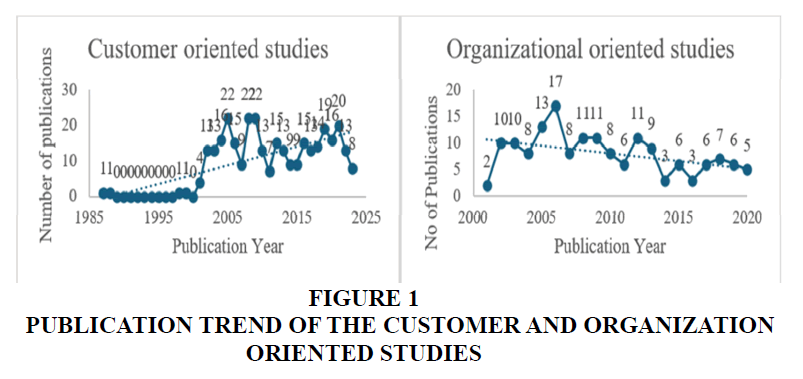
Figure 1 Publication Trend of the Customer and Organization Oriented Studies
Due to limited availability of literature on D2C channel, a pilot search was conducted on Google Scholar and Scopus before conducting the main review. This was done to develop the understanding of the keywords used in the mentioned field of e-retailing of electronic goods. Researchers in different contexts have used different keywords and the pilot study helped in developing a streamlined approach to extract the relevant ones as per the field of study.
Identifying the Studies
Given the interdisciplinary nature of research, a list of keywords was identified from the pilot study that can be used as a string in the Scopus database for further analysis of the work done in the chosen area of research. Scopus database was preferred considering its vast coverage, better representation in social sciences (Delafenestre, 2019) and stringent indexing requirements ensuring quality and comprehensiveness in terms of bibliometric information (Paul & Bhukya, 2021; Singh et al., 2020, Gorraiz., & Schloegl, 2008). Scopus is not only a highly recommended database for bibliometric review studies (Donthu et al., 2021) but it also enables us to obtain citation data for individual reviews. Notably, the Scopus database comprises more than 36,377 publications from about 11,678 sources, of which approximately 34,346 are peer-reviewed publications in the highest-level academic disciplines, such as Social Sciences, Biological Sciences, Sociology, Natural Sciences, and Medical Sciences (Lima and Bonetti, 2020).
Article Selection and Evaluation
To narrow down the amount of study done with the identified keywords in e-retailing of electronic goods in D2C model, journal articles published in English and specifically in business management and accounting discipline were included Considering the pre-specified inclusion and exclusion criteria shown in Table 1.
| Table 1 Inclusion and Exclusion Criteria | ||
| Criteria | Inclusion | Exclusion |
| Language | English | Non- English documents |
| Document type | Articles | Notes, Books, Book Chapters, reports, conference proceedings,editorial |
| Time Period | 2010-2022 | Prior period excluded |
Selection of Final Articles
Table 1 shows the Inclusion and Exclusion Criteria used for final selection of the articles to find studies covering significant factors studied in Direct-to-consumer model of e-retailing of electronic goods that were done from Scopus databases. Articles in English language were considered from the time period of 2010-2022.
Table 2 demonstrates the search string used to further specify the results related to the core area of research.
| Table 2 Data Retrieval from Scopus (2010- 2022) | ||
| Filter Type | Customer Perspective | Organisation Perspective |
| Search string | (((((((((((TS=(e-commerce)) OR TS=(online)) OR TS=(internet)) AND TS=(consumer)) OR TS=(customer)) AND TS=(electronics)) AND TS=(B2B)) OR TS=(B2C )) OR TS=(C2B))) OR TS=(D2C)) OR TS=(C2C)) | (((((((((((TS=(e-commerce)) OR TS=(online)) AND TS=(organization)) OR TS=(firm)) OR TS=(company*)) AND TS=(electronics)) AND TS=(B2B Model)) OR TS=(B2C Model)) OR TS=(C2B Model))) OR TS=(D2C Model)) OR TS=(C2C Model) |
| Articles Retrieved | 1461 | 787 |
| Year | No time frame used | No time frame used |
| Source Type | Journals | Journals |
| Document Type | Articles | Articles |
| Language | English | English |
| Subject Area | Business and Management | Business and Management |
| Number of articles | 339 | 180 |
| Total Number of Articles | 324 (15 removed for relevancy) 172 (6 removed for relevancy) | |
The string was formed based on the keywords identified from the pilot research to study the previous work done in existing business models with regard to online sale of electronic goods. The string below includes different types of business models from both consumer and organisational perspective.
Table 2 covers data retrieved in post pilot phase. Based on the developed protocol the following keywords were selected for main review: electronics, internet, online, consumer, customer, organization, B2B, B2C, C2C and D2C.
It also shows the articles retrieved for both consumer and organisational perspective and gave total of 496 (324 + 172) articles respectively for each segment.
Co-Occurrence Analysis of key words
Phase IA
Co-Occurrence Analysis of the key words was done to find the number of articles in which the identified keywords have appeared together. This analysis enables the interactions between keywords in a scientific field to be identified, described, and represented visually (Fernandus, Fredy 2020). This tool analyses the frequency of co-occurrence of two keywords. Co-Occurrence analysis was done using Vos viewer software by selecting keywords having a minimum frequency of five in the final list of identified articles. As a result, total of 109 keywords in customer-oriented studies and 40 keywords in organizational studies were obtained (Figure 2).
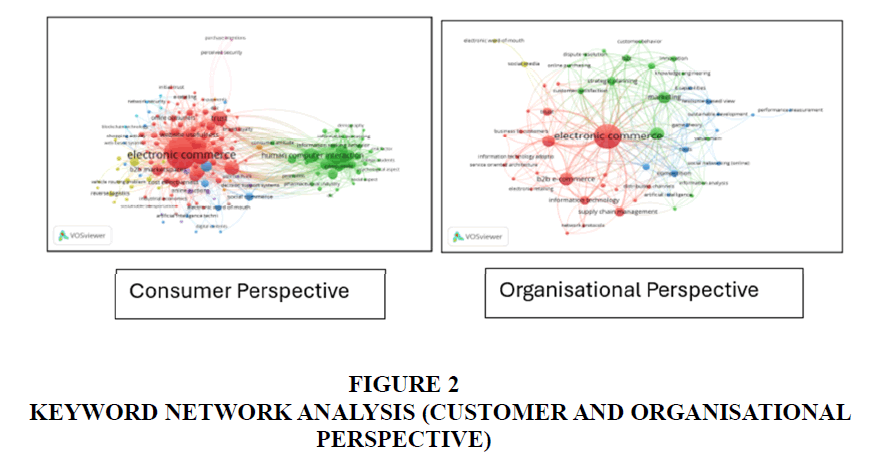
Figure 2 Keyword Network Analysis (Customer and Organisational Perspective)
Figure 2 depicts the keywords co-occurrence analysis conducted from the consumer perspective which yielded two major clusters and five minor clusters. One of the major clusters (red) in consumer perspective showed that electronic commerce was the most repeated keyword in all the referenced articles. Additionally, factors like website usefulness, trust, B2B marketplaces, cost effectiveness, user feedback, brand loyalty, e-retailing, and e-payments showed high repetitiveness. It implies that these were the key focus areas identified by researchers in their studies and significant for customers engaging in online purchase of electronic goods. Furthermore, the second cluster (green) in consumer perspective brought forth the importance of factors like human computer interaction, consumer, information seeking behaviour, information processing, pharmaceutical industry, promotion, psychological aspects, social aspects, college students, demography, and risk factors. It implies that the studies focused on analyzing the factors that have an impact on the perspective of B2C customers towards electronic commerce. Based on the other clusters, electronic word of mouth, social commerce, perceived security, and network security also had an impact on purchase intention of consumers.
On the other hand, the second image from left in Figure 2 shows articles related to organisational perspective which led to the emergence of four clear clusters. The most prominent keyword was electronic commerce as was in the consumer perspective articles. Additionally, factors like B2B e-commerce, information technology, supply chain management, electronic retailing, information technology adoption, service oriental architecture, trust, business to consumers and network protocols were the most repeated points of discussion in the selected articles. The other important aspects from the organisational perspective that were found to have a repeated occurrence included marketing, customer satisfaction, strategic planning, online purchasing, dispute resolution, B2C, and innovation. It indicates the ability of the organizations to plan and implement strategies that resolve customer complaints as one of the key factors in making e-retailing successful. Social networking and social media are also important as it helps the organizations to reach the targeted consumers.
Phase IB
To gain insights into the important concepts and themes that have gained importance during different time periods, another level of co-ocurence analysis was done through density visualisation map of the identified keywords. The density of a node on a map depends both on the number of neighbouring nodes and on the weight of these nodes. The density of the node increases with the number of neighbouring nodes and the weights of neighbouring nodes. Additionally, the smaller the distance between these nodes and the target node, the higher the node density (van Eck & Waltman, 2010). As shown in Figure 3. The color of a node falls between red and blue. Within this colour spectrum, a redder node signifies the greater importance of a keyword (topic). At the same time, keywords that are related to each other in the keyword co-occurrence network, tend to form a cluster describing a specific topic. Constructing a ‘cluster’ based on the frequency of the keywords is an effective way to gain insights into the important concepts and themes that have gained importance during different time periods (Sinclair & Cardew-Hall, 2008).
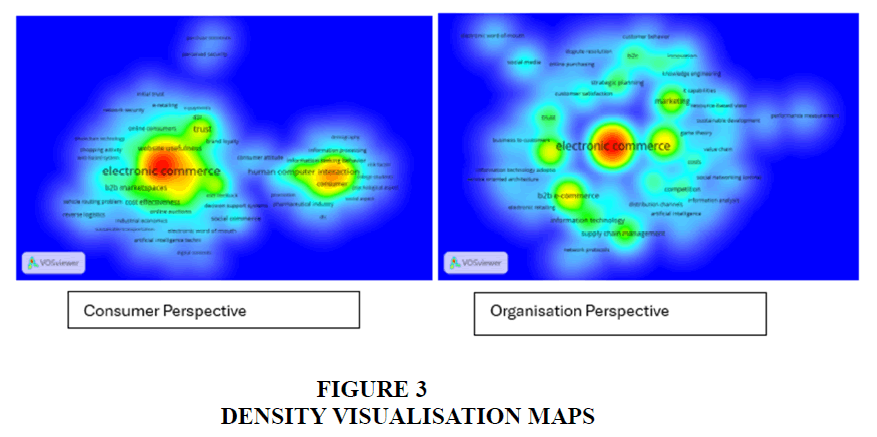
Figure 3 Density Visualisation Maps
As shown in Figure 3, Co-occurrence word analysis (Keyword Network Analysis) reveals that B2B marketplaces, trust, website usefulness, cost effectiveness were the most frequent words used in consumer perspective. Value chain, B2C, resource-based view, customer satisfaction, value chain were the most frequently used words in organisational perspective (Table 3).
| Table 3 High Frequency Keywords | ||||
| Consumer perspective | Organisation perspective | |||
| e-commerce adoption | customer relationship management | electronic commerce | ||
| trust | electronic word of mouth | B2B e-commerce | ||
| marketing strategy | information seeking behaviour | internet | ||
| customer satisfaction | logistics efficiency | sales | ||
| website usefulness | brand loyalty | marketing | ||
| direct-to-consumer | persuasive communication | supply chain management | ||
| direct-to-consumer advertising | product categories | information technology | ||
| purchase intention | reputation management | strategic planning | ||
| cost effectiveness | reverse logistics | trust | ||
| information dissemination | value congruence | b2c | ||
| decision making | web accessibility | competition | ||
| supply chain management | consumer attitude | decision making | ||
| consumer experience | customisation | online systems | ||
| economic and social effects | information quality | costs | ||
| web site characteristics | perception | customer satisfaction | ||
| c2c e commerce | cognitive-based trust | innovation | ||
| User Feedback | dtc advertising | resource-based view | ||
| web site design | artificial intelligence techniques | social media | ||
| gender differences | electronic commerce | Service | ||
Table 3 captures all the identified keywords from Phase 1A & 1B of Co-occurrence word analysis. The above keywords are high frequency keywords which determine that these have already been studied in length in respective consumer and organisational perspective but not much in context of implementation of D2C business model for electronic goods.
Further, in addition to these high frequency keywords, reverse co-occurrence analysis of the earlier identified keywords was done to further identify keywords that are significant to the consumer and organisational perspective, however, have not been studied much in the area of research.
Table 4 shows the reverse co-occurrence analysis of the keywords with least or minimum frequency that are significant to the consumer and organisational perspective. Despite being significant, these keywords have not been studied in detail in the last few years (2017-2022), thus reflecting the need of study to check if these make significant factors in online retailing of electronic goods using D2C business model.
| Table 4 Reverse Co-Occurrence Analysis (Keywords that are not Studied Much) | |
| Consumer perspective | Organisation perspective |
| performance measurement | distribution channels |
| website quality | performance measures |
| value chain | public relations |
| electronic waste | purchase intention |
| closed-loop supply chain | repurchase intention |
| perceived security | reverse logistics |
| e-payments | security of data |
| sustainable development | service operations strategy |
| website accessibility | sustainable development |
| e-trust | artificial intelligence |
| differentiation strategies | communication technologies |
| sustainable transportation | |
| risk disclosure | |
| d2c | |
The keywords listed in Table 3 and Table 4 show the factors studied in high frequency and low frequency in e-retailing of electronic goods through D2C models for both B2B and B2C customers respectively. Keywords in Table 4 is an opportunity area to be explored further while keywords in Table 3 state the important factors in success of D2C model implementation in e-retailing of electronic goods for 2 different segments of the customers.
Content Analysis
As Phase II of the Bibliometric analysis, articles from Scopus were processed to generate themes using Biblioshiny through thematic maps (Figure 4). The relative prominence of each keyword in the map is presented using these maps. Thematic maps, also known as science maps or knowledge maps, serve as powerful visualization tools in bibliometric analysis that reveal the intellectual structure and thematic evolution of research domains over time. These thematic maps have various clustering and visualization techniques which enable the researcher to identify major research themes and the interconnections of these themes along with evolving themes within the chosen area of research (Cobo et al., 2011). These maps, by analyzing the co-occurrence patterns of keywords, terms, or topics that have come as result of the bibliographic data, can exhibit both the centrality and density of research themes. This technique also helps the researchers to identify core topics, emerging trends, and less significant aspect of the research (Callon et al., 1991). These maps are also present in form strategic diagram which classifies themes into four quadrants based on their centrality and density metrics. These are termed as motor themes (well-developed and central), basic themes (across and general), emerging or declining themes (Not so developed and still evolving), and highly specialized themes (well-developed but isolated). This classification provides the researchers with a detailed overview of the existing knowledge structure and evolving areas within their field of study (Cobo et al., 2011).
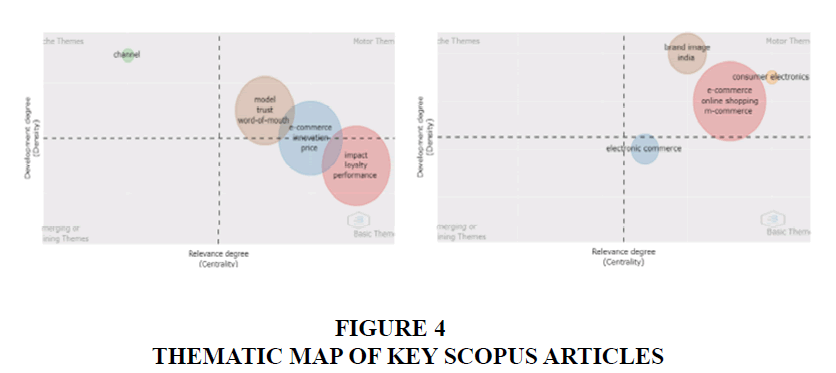
Figure 4 Thematic Map of Key Scopus Articles
As shown in Figure 3, the thematic map here exhibits the structure of existing research done in e-commerce through a strategic diagram approach by organizing the themes into distinct quadrants. The Left panel of the diagram has themes like E-commerce and price that are high in centrality and density both which a thoroughly studies and developed research area. They also show strong interconnection between the related concepts of the research area, which again indicates that the topic has been studied well. The Basic Themes (High Centrality, Low Density) have themes like Impact, loyalty, and acceptance which represent themes that are important but have not been researched thoroughly yet. These topics serve as foundational concepts connecting multiple research streams. Niche Themes (Low Centrality, High Density) in the left panel are Model, trust, word-of-mouth which are considered as highly specialized but isolated research areas. They are Well-developed within their domain but not strongly connected to the broader field. Lastly, Emerging/Declining Themes (Low Centrality, Low Density) cover variables like Channel. Thid factor is weakly developed and potentially representing either nascent research areas or declining interest.
The Right Panel demonstrates Evolved Thematic Structure. It Shows a shift in research focus with electronic commerce maintaining strong centrality. Themes like Consumer electronics, online shopping, e-commerce form a cohesive and well-developed cluster. Brand image appears as specialized themes in this area.
The key words identified through thematic maps were further analyzed using three field plots in Biblioshiny This provided the researcher with the important key words used as shown below Figure 5.
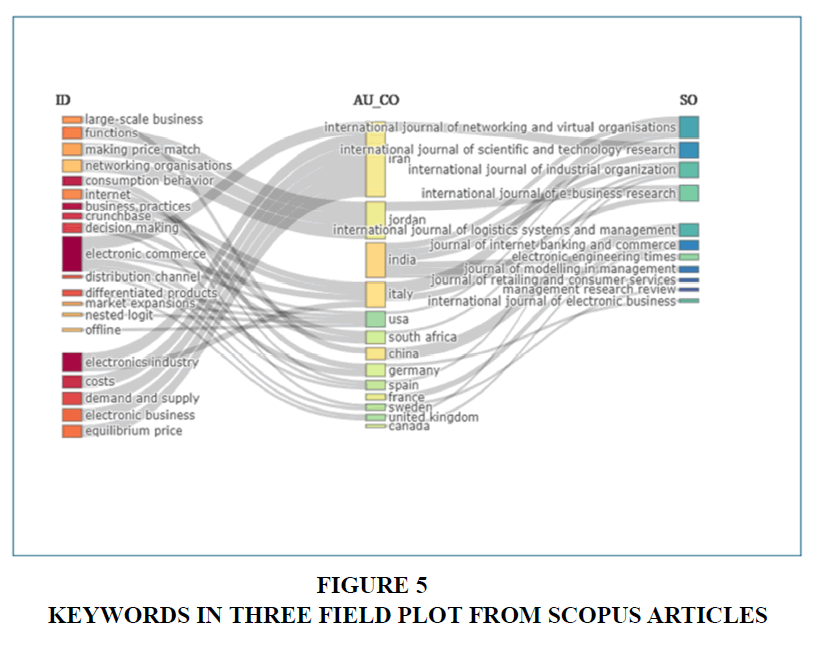
Figure 5 Keywords in Three Field Plot From Scopus Articles
The results in Figure 4 shares key Insights from the Three-Field Plot have thematic Diversity that covers wide range of themes demonstrating research in e-commerce span, business strategy, consumer behavior, technology, and industry-specific applications. The results (As shown in second column) also reflect Global Research Network with strong cross-border collaboration, where Asia (India, Jordan, China), Europe (Italy, UK, Germany, Spain, France) and other regions actively contributing to the research in same/similar field. Research outlets are highly specialized, with different journals focusing on specific aspects (networking, technology, organization, business, logistics, etc.). The thickness of research flows indicates, Large-scale business functions and networking organizations generate substantial international research, electronic commerce themes have broad geographic representation and specialized journals receive focused contributions from specific research themes.
Discussion
The extensive Bibliometric examination of significant factors in e-retailing electronic products through D2C Business model, provided insightful findings for both B2C & B2B customers. In answer to RQs, the study covers the essential variables that influence the e-retailing environment for both the segment analyzing different keywords and critical determinants researched over the past few years.
Phase I of the analysis using keyword Network analysis technique and density visualization map highlights the important factors covered in literature with regards to e-retailing of the electronic goods for both B2C & B2B customers. These keywords were highly repetitive in the cluster which also create a welcoming experience for customers purchasing electronic goods online (Di Fatta et al., 2018; Hernandez et al., 2017; Zhao et al., 2021). Factors such as trust, website utility, cost-effectiveness and user feedback are considered important by B2C customers The findings also revealed important factors like marketing strategy, persuasive communication, reverse logistics, D2C advertising and electronic word-of-mouth influence purchase intention of B2C customers concerning electronic goods purchase through online channels (Weber, 2021). Role of Artificial intelligence as one of the upcoming factors is interesting to make note of as it has great potential to do multiple tasks like generating leads and enhancing customer purchasing experiences by offering customized solutions (Chowdhury et al., 2025).
Further, the findings for B2B customers emphasized variables like supply chain management, information technology adoption, resource-based view, retail marketing, service quality and customer satisfaction for direct purchase of electronic goods from the manufacturers (Leimstoll & Wolfle, 2020; Linzbach et al., 2019; Nisar & Prabhakar, 2017). The study also focused on innovation to improve the e-retailing of electronic goods (Fernie, 2010; Rai et al., 2022). These keywords highlight necessary variables to be considered by companies in the e-retail sector to improve clientele experience and business operations.
As result of step II of the analysis, Reverse co-occurrence demonstrates the factors that are important but have not been covered in detail in existing literature. Factors like performance measurement, website quality, perceived security, sustainable transportation, e-payments, sustainable development and electronic waste have not been studied in detail from perspective of a B2C customer. While elements like artificial intelligence, communication technology, public relations, purchase or repurchase intention, and data security have not been researched much considering the purchase journey of a B2B customer. The current study notes a significant absence in the study of the aforementioned keywords in the recent papers thereby identifying a research gap that needs to be addressed.
The study identified several other crucial pivot factors like personalized consumer experiences, efficient supply chain management, data-driven decision-making, fluid user interfaces, marketing strategies and cutting-edge technology that emphasizes how the D2C model is dynamic and constantly adapts to contemporary customers' shifting preferences and influencing the online purchases of products and services.
As Phase II of the Bibliometric analysis, articles from Scopus database were processed to generate themes using Biblioshiny through thematic maps. The result demonstrated that in the existing study, variables like E-commerce and Price have been studied in detail where in impact, loyalty, and acceptance are somewhat important but need to be researched more elaborately. Interestingly, it suggests that word-of-mouth is another critical factor that is of significant importance but has not been researched well in the existing literature.
Thus, the study suitably addressed the research questions and provided insight into critical variables examined in the previous studies for both B2C & B2B Customers in e-commerce of electronic goods. The study puts weightage on the complex interaction of factors that are important in the e-retailing landscape from both B2B and B2C customer perspectives. The analysis of consumer-oriented research shows essential elements such as website usability, cost-effectiveness, and the function of B2B markets. These elements significantly impact companies looking to build a robust digital footprint and encourage great customer experiences. Value chain optimization, B2C interaction, resource-based thinking, and customer happiness were prioritized on the organisational front for B2B customers. For firms aiming to succeed in the e-retailing space, the concepts of personalized customer experiences, simplified supply chain management, data-driven decision-making, user-friendly interfaces, and cutting-edge marketing methods have essential significance.
Conclusively, the factors already studied in existing literature have established their base as critical factors for successful implementation of D2C in online retailing of electronic goods. The factors that are critical but have not been studied in detail create an opportunity for in depth research and study to prove their importance in successful online D2C channel implementation.
The results of this Bibliometric analysis have essential results for e-retailing researchers and practitioners. The inferences drawn from this study provide practitioners with valuable insights for improving their strategy and business practices. Businesses must prioritize open and user-friendly platforms as well as affordable logistics and delivery methods, making the website more user friendly and practice cost-effectiveness. Additionally, by understanding the importance of value chain optimization, direct customer engagement, and user feedback, businesses can create seamless and rewarding customer experiences that eventually give them a competitive edge in the e-retail industry.
Conclusion
This paper provides a base framework for further study of the D2C business model. It gives the groundwork to analyze the factors that influence the e-retailing of electronic products. The roadmap for future study in the same field is provided in the keywords identified from co-occurrence and reverse co-occurrence patterns. Other factors to consider for detailed study in the same field are website and fulfillment centers of the D2C brands. A good website for Online D2C Business model is one of the most critical factors where customers explore and compare products, learn about the brand and make a conscious decision towards purchase. There is a requirement for extensive research covering the design, functionality, and user experience components of these websites. There is a dearth of research that covers the challenges faced by D2C businesses in the development and optimization of their websites. Another unexplored aspect of D2C model is In-house fulfilment centers where customers orders are processed, packed, and sent for delivery as part of the D2C model (Kostikov et al., 2021). There is limited research available on the performance, effectiveness and efficiency of internal fulfilment centers which are owned and controlled by the manufacturers in the direct-to-consumer model. The future study can cover inventory management, order processing, and quality control of these fulfillment centers.
While this paper reveals crucial areas that need focus for D2C business model adoption in e-retailing of electronic items, the study is limited to a specific time period which does not cover most recent innovations and trends in this field. The analysis might have missed on new concepts which have not been covered by the chosen keywords thus demanding more study in this field to identify new and evolving patterns (Zupic & Cater, 2015). Additionally, the scope of the research does not consider regional or cultural variations adequately that can affect the efficacy of the D2C model adoption in other markets (Ross & Zaidi, 2019). The study majorly focuses on textual data from the existing literature potentially ignoring contextual elements for each type of market and other subjective aspects that might offer deeper insights into the dynamics of the evolving D2C model.
Despite the given limitations, the current Paper provides insights into the factors related to the e-retailing of electronic goods using D2C business model for different customer segments, laying the base for more study in this evolving area.
References
Abdulla, H., Ketzenberg, M., & Abbey, J. D. (2019). Taking stock of consumer returns: A review and classification of the literature. Journal of Operations Management, 65(6), 560-605.
Indexed at, Google Scholar, Cross Ref
Ahmad, H. (2015). The consumer decision-making process as it relates to a consumer who is replacing their laptop.
Akter, M., & Sultana, N. (2020). Digital marketing communication and consumer buying decision process in pandemic standpoint (Covid-19): an empirical study of Bangladeshi customers’ in branded cosmetics perspective. Open Journal of Business and Management, 8(06), 2696.
Indexed at, Google Scholar, Cross Ref
Alba, J., Lynch, J., Weitz, B., Janiszewski, C., Lutz, R., Sawyer, A., & Wood, S. (1997). Interactive home shopping: consumer, retailer, and manufacturer incentives to participate in electronic marketplaces. Journal of marketing, 61(3), 38-53.
Anderson, J. C. (2004). Business market management: Understanding, creating, and delivering value. Pearson Education India.
Indexed at, Google Scholar, Cross Ref
Aria, M., & Cuccurullo, C. (2017). bibliometrix: An R-tool for comprehensive science mapping analysis. Journal of informetrics, 11(4), 959-975.
Indexed at, Google Scholar, Cross Ref
Armstrong, G., & Kotler, P. (2003). Marketing: an introduction. Pearson Educación.
Ashwini, V., & Aithal, P. S. (2023). A Study on Performance Evolution of Indian Eco-Friendly Cosmetic Brand: Mamaearth. SSRN.
Indexed at, Google Scholar, Cross Ref
Bolton, R. N., & Drew, J. H. (1991). A multistage model of customers' assessments of service quality and value. Journal of consumer research, 17(4), 375-384.
Indexed at, Google Scholar, Cross Ref
Brown, J. J., & Reingen, P. H. (1987). Social ties and word-of-mouth referral behavior. Journal of Consumer research, 14(3), 350-362.
Indexed at, Google Scholar, Cross Ref
Callon, M., Courtial, J. P., & Laville, F. (1991). Co-word analysis as a tool for describing the network of interactions between basic and technological research: The case of polymer chemsitry. Scientometrics, 22(1), 155-205.
Indexed at, Google Scholar, Cross Ref
Cavusgil, S. T., Yeniyurt, S., & Townsend, J. D. (2004). The framework of a global company: A conceptualization and preliminary validation. Industrial Marketing Management, 33(8), 711-716.
Indexed at, Google Scholar, Cross Ref
Chen, C. (2006). CiteSpace II: Detecting and visualizing emerging trends and transient patterns in scientific literature. Journal of the American Society for information Science and Technology, 57(3), 359-377.
Indexed at, Google Scholar, Cross Ref
Chiang, W. Y. K., Chhajed, D., & Hess, J. D. (2003). Direct marketing, indirect profits: A strategic analysis of dual-channel supply-chain design. Management science, 49(1), 1-20.
Indexed at, Google Scholar, Cross Ref
CHOWDHURY, A. R., BOMMISETTI, R. K., & KAILA, R. P. AI-DRIVEN RETAIL MARKETING: INNOVATIONS IN SALES GOAL ACHIEVEMENT AND CUSTOMER SATISFACTION.
Christensen, C. M. (2015). The innovator's dilemma: when new technologies cause great firms to fail. Harvard Business Review Press.
Indexed at, Google Scholar, Cross Ref
Christopher, M. (2022). Logistics and supply chain management. Pearson Uk.
Cobo, M. J., López-Herrera, A. G., Herrera-Viedma, E., & Herrera, F. (2011). Science mapping software tools: Review, analysis, and cooperative study among tools. Journal of the American Society for information Science and Technology, 62(7), 1382-1402.
Indexed at, Google Scholar, Cross Ref
Buchanan, D. A., & Bryman, A. (2009). The Organizational Research. The SAGE handbook of organizational research methods, 1.
Daase, C., Volk, M., Staegemann, D., & Turowski, K. (2023). The Future of Commerce: Linking Modern Retailing Characteristics with Cloud Computing Capabilities. In ICEIS (2) (pp. 418-430).
Indexed at, Google Scholar, Cross Ref
Day, G. S. (1994). The capabilities of market-driven organizations. Journal of marketing, 58(4), 37-52.
Indexed at, Google Scholar, Cross Ref
Denyer, D., & Tranfield, D. (2009). Producing a systematic review.
Dholakia, R. R., & Kshetri, N. (2004). Factors impacting the adoption of the Internet among SMEs. Small Business Economics, 23(4), 311-322.
Indexed at, Google Scholar, Cross Ref
Di Fatta, D., Patton, D., & Viglia, G. (2018). The determinants of conversion rates in SME e-commerce websites. Journal of Retailing and Consumer Services, 41, 161-168.
Indexed at, Google Scholar, Cross Ref
Dong, X., & McIntyre, S. H. (2014). The second machine age: Work, progress, and prosperity in a time of brilliant technologies.
Donthu, N., Kumar, S., Mukherjee, D., Pandey, N., & Lim, W. M. (2021). How to conduct a bibliometric analysis: An overview and guidelines. Journal of business research, 133, 285-296.
Indexed at, Google Scholar, Cross Ref
Fernandus, F. (2020). The effect of website design, website security, information quality, and perceived ease of use on customer. International Journal of Advanced Trends in Computer Science and Engineering, 9(2), 1696-1703.
Indexed at, Google Scholar, Cross Ref
Fernie, J., Sparks, L., & McKinnon, A. C. (2010). Retail logistics in the UK: past, present and future. International Journal of Retail & Distribution Management, 38(11/12), 894-914.
Indexed at, Google Scholar, Cross Ref
Fournier, S. (1998). Consumers and their brands: Developing relationship theory in consumer research. Journal of consumer research, 24(4), 343-373.
Indexed at, Google Scholar, Cross Ref
Garfield, E. (2009). From the science of science to Scientometrics visualizing the history of science with HistCite software. Journal of Informetrics, 3(3), 173-179.
Indexed at, Google Scholar, Cross Ref
Gorraiz, J., & Schloegl, C. (2008). A bibliometric analysis of pharmacology and pharmacy journals: Scopus versus Web of Science. Journal of information science, 34(5), 715-725.
Indexed at, Google Scholar, Cross Ref
Grabner-Kräuter, S. (2004). Building consumer trust in online markets. In Business Ethics and the Electronic Economy (pp. 223-236). Berlin, Heidelberg: Springer Berlin Heidelberg.
Indexed at, Google Scholar, Cross Ref
He, J., & Zhang, S. (2022). How digitalized interactive platforms create new value for customers by integrating B2B and B2C models? An empirical study in China. Journal of Business Research, 142, 694-706.
Indexed at, Google Scholar, Cross Ref
Hernandez, S., Alvarez, P., Fabra, J., & Ezpeleta, J. (2017). Analysis of users’ behavior in structured e-commerce websites. IEEE Access, 5, 11941-11958.
Hoffman, D. L., & Novak, T. P. (1996). Marketing in hypermedia computer-mediated environments: Conceptual foundations. Journal of marketing, 60(3), 50-68.
Indexed at, Google Scholar, Cross Ref
Islam, M. W., Imtiaz, M. A., & Hamid, S. B. FACTORS AFFECTING B2C BUYERS BEHAVIOUR OF E-COMMERCE INDUSTRY IN THE CONTEXT OF BANGLADESH.
Indexed at, Google Scholar, Cross Ref
Ivanova, N. V. (2020, October). The future of retail: Innovations and basic trends. In Innovative economic symposium (pp. 157-163). Cham: Springer International Publishing.
Indexed at, Google Scholar, Cross Ref
Johnston, W. J., & Lewin, J. E. (1996). Organizational buying behavior: Toward an integrative framework. Journal of Business research, 35(1), 1-15.
Indexed at, Google Scholar, Cross Ref
Kim, D., & Benbasat, I. (2006). The effects of trust-assuring arguments on consumer trust in Internet stores: Application of Toulmin's model of argumentation. Information Systems Research, 17(3), 286-300.
Indexed at, Google Scholar, Cross Ref
Kim, J., & Forsythe, S. (2008). Adoption of virtual try-on technology for online apparel shopping. Journal of interactive marketing, 22(2), 45-59.
Indexed at, Google Scholar, Cross Ref
Kim, S., & Park, H. (2013). Effects of various characteristics of social commerce (s-commerce) on consumers’ trust and trust performance. International journal of information management, 33(2), 318-332.
Indexed at, Google Scholar, Cross Ref
Kiv, A. E., Soloviev, V. N., & Semerikov, S. O. (2021). Proceedings of the Selected and Revised Papers of 9th International Conference on Monitoring, Modeling & Management of Emergent Economy (M3E2-MLPEED 2021). Odessa, Ukraine, May 26-28, 2021. CEUR Workshop Proceedings.
Indexed at, Google Scholar, Cross Ref
Kostikov, E., Jílkova, P., & Kotatkova Stranska, P. (2021). Optimization of e-commerce distribution center location. Marketing i menedžment innovacij, (2), 166-178.
Indexed at, Google Scholar, Cross Ref
Kozinets, R. V., De Valck, K., Wojnicki, A. C., & Wilner, S. J. (2010). Networked narratives: Understanding word-of-mouth marketing in online communities. Journal of marketing, 74(2), 71-89.
Indexed at, Google Scholar, Cross Ref
Kraemer, K. L., Dedrick, J., & Yamashiro, S. (2000). Refining and extending the business model with information technology: Dell Computer Corporation. The Information Society, 16(1), 5-21.
Indexed at, Google Scholar, Cross Ref
Kumar, V., & Venkatesan, R. (2005). Who are the multichannel shoppers and how do they perform?: Correlates of multichannel shopping behavior. Journal of Interactive marketing, 19(2), 44-62.
Indexed at, Google Scholar, Cross Ref
Latha, A., Gokul, N., & Chipichakkaravarthy, R. (2022, March). A Study on Consumer Preference Over the Retail Format During and Post Covid Pandemic And Adoption of Digital Technologies to Meet Shopper's Expectations. In 2022 international conference on advanced computing technologies and applications (ICACTA) (pp. 1-7). IEEE.
Indexed at, Google Scholar, Cross Ref
Laudon, K. C. (2020). E-commerce 2020-2021: Business, technology and society.
Lee, C. I., Felps, W., & Baruch, Y. (2014). Toward a taxonomy of career studies through bibliometric visualization. Journal of Vocational Behavior, 85(3), 339-351.
Indexed at, Google Scholar, Cross Ref
Lee, G. G., & Lin, H. F. (2005). Customer perceptions of e-service quality in online shopping. International journal of retail & distribution management, 33(2), 161-176.
Indexed at, Google Scholar, Cross Ref
Leimstoll, U., & Wölfle, R. (2020). Direct to Consumer (D2C) E-commerce: Goals and strategies of brand manufacturers. In New trends in business information systems and technology: Digital innovation and digital business transformation (pp. 237-250). Cham: Springer International Publishing.
Indexed at, Google Scholar, Cross Ref
Linnenluecke, M. K., Marrone, M., & Singh, A. K. (2020). Conducting systematic literature reviews and bibliometric analyses. Australian journal of management, 45(2), 175-194.
Indexed at, Google Scholar, Cross Ref
Linzbach, P., Inman, J. J., & Nikolova, H. (2019). E-Commerce in a physical store: which retailing technologies add real value?. NIM Marketing Intelligence Review, 11(1), 42-47.
Indexed at, Google Scholar, Cross Ref
McKee, S., Sands, S., Pallant, J. I., & Cohen, J. (2023). The evolving direct-to-consumer retail model: A review and research agenda. International Journal of Consumer Studies, 47(6), 2816-2842.
Indexed at, Google Scholar, Cross Ref
Morgan, R. M., & Hunt, S. D. (1994). The commitment-trust theory of relationship marketing. Journal of marketing, 58(3), 20-38.
Indexed at, Google Scholar, Cross Ref
Mu, W., & Yi, Y. (2024). The impact of characteristic factors of the direct-to-consumer marketing model on consumer loyalty in the digital intermediary era. Frontiers in Psychology, 15, 1347588.
Indexed at, Google Scholar, Cross Ref
Muñoz-Leiva, F., Viedma-del-Jesús, M. I., Sánchez-Fernández, J., & López-Herrera, A. G. (2012). An application of co-word analysis and bibliometric maps for detecting the most highlighting themes in the consumer behaviour research from a longitudinal perspective. Quality & Quantity, 46(4), 1077-1095.
Indexed at, Google Scholar, Cross Ref
Nisar, T. M., & Prabhakar, G. (2017). What factors determine e-satisfaction and consumer spending in e-commerce retailing?. Journal of retailing and consumer services, 39, 135-144.
Indexed at, Google Scholar, Cross Ref
Parker, G. G., Van Alstyne, M. W., & Choudary, S. P. (2016). Platform revolution: How networked markets are transforming the economy and how to make them work for you. WW Norton & Company.
Paul, J., & Bhukya, R. (2021). Forty-five years of International Journal of Consumer Studies: A bibliometric review and directions for future research. International Journal of Consumer Studies, 45(5), 937-963.
Indexed at, Google Scholar, Cross Ref
Pavlou, P. A. (2003). Consumer acceptance of electronic commerce: Integrating trust and risk with the technology acceptance model. International journal of electronic commerce, 7(3), 101-134.
Indexed at, Google Scholar, Cross Ref
Pine, B. J., & Gilmore, J. H. (1999). The experience economy: Work is theatre & every business a stage. (No Title).
Indexed at, Google Scholar, Cross Ref
Porter, M. E., & Michael; ilustraciones Gibbs. (2001). Strategy and the Internet. Harvard business review, 79(3), 62-79.
Porter, M. E., & Strategy, C. (1980). Techniques for analyzing industries and competitors. Competitive Strategy. New York: Free, 1, 76.
Quelch, J. A., & Klein, L. R. (1996). The Internet and international marketing. MIT Sloan Management Review, 37(3), 60.
Rai, H. B., Touami, S., & Dablanc, L. (2022). Autonomous e-commerce delivery in ordinary and exceptional circumstances. The French case. Research in Transportation Business & Management, 45, 100774.
Indexed at, Google Scholar, Cross Ref
Raynor, M. E., & Ahmed, M. (2013). Three proven rules: discovering how exceptional companies think. Strategy & Leadership, 41(3), 5-10.
Indexed at, Google Scholar, Cross Ref
Ross, P. T., & Bibler Zaidi, N. L. (2019). Limited by our limitations. Perspectives on medical education, 8(4), 261-264.
Indexed at, Google Scholar, Cross Ref
Shankar, V., Urban, G. L., & Sultan, F. (2002). Online trust: a stakeholder perspective, concepts, implications, and future directions. The Journal of strategic information systems, 11(3-4), 325-344.
Indexed at, Google Scholar, Cross Ref
Sharma, A., & Jhamb, D. (2020). Changing consumer behaviours towards online shopping-an impact of Covid 19. Academy of Marketing Studies Journal, 24(3), 1-10.
Sharma, N., & Dutta, N. (2023). Direct-to-Consumer eCommerce (D2C) Business Model: The dilemma of getting it right. In Handbook of Research on Business Model Innovation Through Disruption and Digitalization (pp. 275-296). IGI Global Scientific Publishing.
Sinclair, J., & Cardew-Hall, M. (2008). The folksonomy tag cloud: when is it useful?. Journal of information science, 34(1), 15-29.
Indexed at, Google Scholar, Cross Ref
Singh, S., Dhir, S., Das, V. M., & Sharma, A. (2020). Bibliometric overview of the Technological Forecasting and Social Change journal: Analysis from 1970 to 2018. Technological Forecasting and Social Change, 154, 119963.
Indexed at, Google Scholar, Cross Ref
Srinivasan, S. S., Anderson, R., & Ponnavolu, K. (2002). Customer loyalty in e-commerce: an exploration of its antecedents and consequences. Journal of retailing, 78(1), 41-50.
Indexed at, Google Scholar, Cross Ref
Suguna, M., Shah, B., Raj, S. K., & Suresh, M. (2022). A study on the influential factors of the last mile delivery projects during Covid-19 era. Operations Management Research, 15(1), 399-412.
Indexed at, Google Scholar, Cross Ref
Taherdoost, H. (2022). Understanding cybersecurity frameworks and information security standards—a review and comprehensive overview. Electronics, 11(14), 2181.
Indexed at, Google Scholar, Cross Ref
Tang, J., Yung, K. L., Kaku, I., & Yang, J. (2008). The scheduling of deliveries in a production-distribution system with multiple buyers. Annals of Operations Research, 161(1), 5-23.
Indexed at, Google Scholar, Cross Ref
Teece, D. J. (2010). Business models, business strategy and innovation. Long range planning, 43(2-3), 172-194.
Indexed at, Google Scholar, Cross Ref
Tripathi, S. (2021). Determinants of digital transformation in the post-Covid-19 business world. IJRDO-Journal of Business management, 7(6), 75-81.
Indexed at, Google Scholar, Cross Ref
Van Eck, N. J., & Waltman, L. (2014). Visualizing bibliometric networks. In Measuring scholarly impact: Methods and practice (pp. 285-320). Cham: Springer International Publishing.
Indexed at, Google Scholar, Cross Ref
Van Eck, N., & Waltman, L. (2010). Software survey: VOSviewer, a computer program for bibliometric mapping. scientometrics, 84(2), 523-538.
Indexed at, Google Scholar, Cross Ref
Verhoef, P. C., Kannan, P. K., & Inman, J. J. (2015). From multi-channel retailing to omni-channel retailing: introduction to the special issue on multi-channel retailing. Journal of retailing, 91(2), 174-181.
Indexed at, Google Scholar, Cross Ref
Viu-Roig, M., & Alvarez-Palau, E. J. (2020). The impact of E-Commerce-related last-mile logistics on cities: A systematic literature review. Sustainability, 12(16), 6492.
Indexed at, Google Scholar, Cross Ref
Weber, F. (2021). Digital technologies in wholesaling and retailing. In Encyclopedia of Organizational Knowledge, Administration, and Technology (pp. 1297-1312). IGI Global Scientific Publishing.
Indexed at, Google Scholar, Cross Ref
Webster Jr, F. E., & Wind, Y. (1972). A general model for understanding organizational buying behavior. Journal of marketing, 36(2), 12-19.
Indexed at, Google Scholar, Cross Ref
Wiersema, F. (2013). The B2B agenda: The current state of B2B marketing and a look ahead. Industrial Marketing Management, 4(42), 470-488.
Indexed at, Google Scholar, Cross Ref
Yeo, W., Kim, S., Park, H., & Kang, J. (2015). A bibliometric method for measuring the degree of technological innovation. Technological Forecasting and Social Change, 95, 152-162.
Indexed at, Google Scholar, Cross Ref
Zhao, S., Fang, Y., Zhang, W., & Jiang, H. (2021). Trust, perceived benefit, and purchase intention in C2C e-commerce: An empirical examination in China. In Research Anthology on E-Commerce Adoption, Models, and Applications for Modern Business (pp. 1313-1338). IGI Global.
Zupic, I., & Cater, T. (2015). Bibliometric methods in management and organization. Organizational research methods, 18(3), 429-472.
Indexed at, Google Scholar, Cross Ref
Received: 16-Sep-2025, Manuscript No. AMSJ-25-16379; Editor assigned: 17-Sep-2025, PreQC No. AMSJ-25-16379(PQ); Reviewed: 11-Oct-2025, QC No. AMSJ-25-16379; Revised: 28-Oct-2025, Manuscript No. AMSJ-25-16379(R); Published: 02-Nov-2025