Research Article: 2026 Vol: 30 Issue: 1
Marketing Analytics and Decision-Making: A Review of Data-Driven Approaches in Management Practices
Balram Rao, SRM Institute of Science and Technology (Deemed to be University)
Jayati Chhangani, Marwadi University
Pragnesh Navlakha, Marwadi University
Chacko Jose P, St Aloysius College
Nikita Maheshwari, Mohanlal Sukhadia University
Amitabh Avinash, Central University of Jharkhand DBA
Roshni Paliwal, Jagran Lakecity University
Mohammed Zeeshan Khan, Jagran Lakecity University
Mohammed Usman, Ascent College, Alliance University
Citation Information: Rao, B., Chhangani, J., Navlakha, P., Jose P.C., Maheshwari, N., Avinash, A., Paliwal, R., & Zeeshan Khan, M. (2026) Marketing analytics and decision-making: a review of data-driven approaches in management practices. Academy of Marketing Studies Journal, 30(1), 1-10.
Abstract
Marketing analytics has become a central tool for managerial decision-making, enabling organizations to transform large volumes of data into actionable insights. This article reviews the evolution of analytics in management practice, tracing its progression from descriptive reporting to predictive and prescriptive models that support strategic choices. Drawing on recent advances in customer relationship management, pricing optimization, promotion planning, and supply chain coordination, the paper highlights how analytics creates value across multiple business domains. At the same time, significant challenges persist, including data quality, integration, interpretability of advanced models, and ethical concerns related to privacy and bias. By synthesizing current literature, this review identifies both the opportunities and limitations of data-driven decision-making. It also outlines future directions, emphasizing the role of artificial intelligence, real-time analytics, and human–AI collaboration in shaping next-generation marketing practices. The study contributes to the understanding of how organizations can responsibly and effectively embed analytics into strategic management for sustained competitive advantage.
Keywords
Marketing Analytics, Decision-Making; Data-driven Management, Artificial Intelligence, Business Intelligence, Strategic Marketing.
Introduction
In the era of digital transformation, companies are generating and accessing vast volumes of data—from transactional records and customer interactions to social media behavior and IoT signals. This surge in data has fundamentally changed how markets behave, consumers make choices, and how firms compete. Marketing analytics, broadly defined as the use of data, statistical and computational methods to understand, predict, and influence consumer behavior and market dynamics, has emerged as a central component of strategic decision-making for modern firms (Mahajan, Mahajan & Kapse, 2024).
Traditional marketing decision-making often relied on qualitative inputs—surveys, expert intuition, focus groups—and was limited in temporal or situational scope. With digitalization, however, organizations now have the ability to observe customer behavior in real time, in multiple channels, and at granular levels. This enables not only descriptive analytics (what has happened) but also predictive analytics (what might happen) and prescriptive analytics (what should be done). For instance, in financial services and telecommunications, predictive models for customer churn have shown strong improvements in retention strategies by allowing proactive interventions. (Faritha Banu et al., 2022).
Similarly, decision support systems powered by data mining have enabled practitioners to make more informed decisions about campaign allocation, targeting, and product offerings. An example is the work by Hou, et al. (2023), which develops a marketing decision support system using data mining to help firms operationalize their raw data into decision-useful outputs A.K. Soma (2025).
However, the transformation to data-driven decision-making is not without its challenges. Ethical issues around consumer privacy, algorithmic bias, and the transparency of how data is collected and used are becoming more prominent. Shamsuzzoha & Raappana (2021) examine the growing importance of business process ethics in data-driven marketing, especially as consumers increasingly question how their data is being used. Furthermore, “the dark side” of data-driven marketing—such as over-dependence on metrics, loss of human judgment, and unintended negative feedback loops—has begun to receive attention in the literature (Tadajewski & Brown, 2022).
Given this background, several questions become central: How have data-driven approaches changed empirical marketing decision practices? What gaps and limitations persist in current practice, especially with respect to ethics, interpretability, and organizational adoption? What future research directions can help bridge these gaps?
The purpose of this paper is to provide a comprehensive review of the landscape of marketing analytics as it pertains to managerial decision-making. Specifically, the article aims to:
1. Trace the evolution of analytics from descriptive through predictive to prescriptive and
2. Survey empirical applications across domains and functional areas of marketing (e.g., customer retention, pricing, promotions).
3. Identify ethical, organizational, technical, and interpretative challenges in adopting data-driven decision
4. Suggest future pathways for research and practice that balance analytical power with human judgment, transparency, and ethical viability.
Related Works
The literature on marketing analytics and data-driven decision-making has grown substantially in the past two decades, reflecting developments in statistics, machine learning, and information systems. Scholars have examined how organizations apply analytics across descriptive, predictive, and prescriptive domains, and how these tools shape strategic and operational marketing practices Figure 1 (A.K. Soma, 2025).
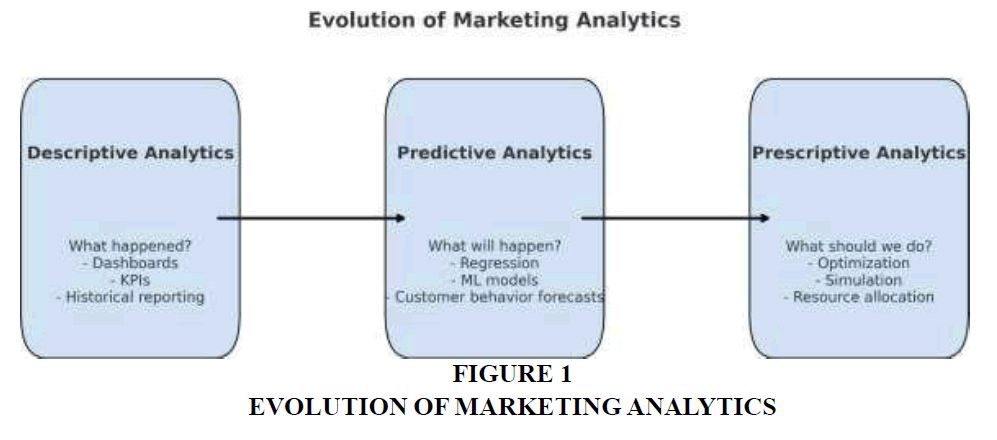
Figure 1 Evolution of Marketing Analytics
Descriptive Analytics and Reporting
Descriptive analytics focuses on summarizing historical data to provide insights into past marketing performance. Dashboards, scorecards, and reporting systems were among the earliest tools supporting managerial decisions. Wedel and Kannan (2016) emphasize that descriptive analytics plays an important role in data-rich environments by enabling firms to track brand equity, advertising effectiveness, and customer loyalty metrics K. Saripudi, (2025).
Predictive Analytics and Customer Behavior Modelling
Predictive analytics builds on historical patterns to forecast customer behaviors and market outcomes. Applications include churn prediction, purchase propensity modeling, and customer lifetime value estimation. Burez and Van den Poel (2009) demonstrated methods to manage class imbalance in churn prediction, improving predictive accuracy. Similarly, Verbeke et al. (2012) proposed rule-induction techniques to make predictive churn models more interpretable to managers. In the domain of customer base analysis, Fader, Hardie, and Lee (2005) introduced models linking recency-frequency-monetary (RFM) variables to customer lifetime value (CLV), enabling firms to target marketing resources more effectively.
Prescriptive Analytics and Optimization Models
Prescriptive analytics provides guidance on what actions should be taken to optimize outcomes. Research in this area has addressed pricing, resource allocation, and promotional planning. Phillips (2005) offered a comprehensive treatment of pricing and revenue optimization, highlighting how firms can adjust prices dynamically to maximize profit. Lilien, Rangaswamy, and De Bruyn (2013) discussed marketing engineering approaches, applying optimization and decision-support models for resource allocation and new product management. Chen and Michel (2008) examined competition in retail markets, showing how pricing and advertising decisions can be optimized under competitive pressure Table 1.
Integration of Artificial Intelligence and Machine Learning
Recent advancements in AI and ML have expanded marketing analytics to more complex and real-time applications. Ferreira, Lee, and Simchi-Levi (2015) demonstrated the use of demand forecasting and price optimization in online retail through machine learning models. Cambria et al. (2017) highlighted natural language processing (NLP) techniques for opinion mining and sentiment analysis, enabling firms to capture consumer perceptions from unstructured text data. Deep learning has also advanced the analysis of image and video content in marketing contexts (Chollet, 2017).
Ethical, Organizational, and Managerial Considerations
While analytics promises more informed decision-making, scholars caution about challenges related to implementation and ethics. Wedel and Kannan (2016) identified organizational barriers such as skill shortages and siloed data systems. Shamsuzzoha and Raappana (2021) argued that ethical considerations are increasingly relevant in data-driven marketing management, especially with growing regulatory oversight on data privacy. Tadajewski and Brown (2022) analyzed the “dark side” of data-driven marketing, highlighting risks such as overreliance on algorithms, erosion of consumer trust, and unintended negative consequences.
Research Gaps
Despite significant progress, gaps remain. Prescriptive analytics adoption in practice is limited compared to descriptive and predictive applications. There is also a lack of frameworks for balancing algorithmic outputs with managerial judgment. Furthermore, ethical governance and explainability in AI-driven marketing analytics are underexplored, requiring greater scholarly attention (Mohammad Parhamfar et al., 2025).
Evolution of Data-Driven Decision-Making
The adoption of analytics in marketing decision-making has evolved progressively over time, following advances in information technology, data science, and managerial needs. Scholars and practitioners generally describe this progression in three main stages: descriptive analytics, predictive analytics, and prescriptive analytics. Each stage builds on the prior one, with increasing sophistication in both methodology and strategic value (Wedel & Kannan, 2016).
Descriptive Phase: Understanding the Past
The descriptive stage emerged as the foundation of analytics in business, focusing primarily on summarizing and visualizing historical data. It provides answers to the question “What happened?”. Early tools included dashboards, online analytical processing (OLAP), and scorecards that tracked customer activity, market share, and campaign outcomes (Laursen & Thorlund, 2016). For example, customer segmentation reports allowed firms to identify demographic or geographic clusters, while campaign performance metrics revealed the effectiveness of past promotions. Although valuable, descriptive analytics was largely retrospective and provided limited insight into future customer behaviors.
Predictive Phase: Anticipating the Future
With the growth of machine learning and advanced statistical techniques, predictive analytics became central to marketing decision-making. This phase addresses the question “What is likely to happen?” by identifying patterns in historical data and forecasting future outcomes. Predictive models have been widely applied in customer churn prediction (Burez & Van den Poel, 2009; Verbeke et al., 2012), purchase propensity scoring (Neslin et al., 2006), and customer lifetime value estimation (Fader, Hardie, & Lee, 2005). These approaches enabled firms to proactively design interventions, such as targeted retention campaigns or cross-selling offers. The predictive phase marked a shift from reactive to proactive marketing management.
Prescriptive Phase: Guiding Decisions
The prescriptive stage represents the most advanced application of analytics, seeking to answer “What should we do?”. It incorporates optimization, simulation, and reinforcement learning to recommend concrete actions that maximize performance outcomes. Phillips (2005) provided one of the foundational frameworks for revenue management and dynamic pricing, where algorithms adjust prices in real time to balance demand and supply. Ferreira, Lee, and Simchi-Levi (2016) applied prescriptive analytics to e-commerce, developing algorithms that simultaneously forecast demand and recommend optimal pricing strategies. Prescriptive models are also increasingly used for marketing mix allocation, media planning, and omnichannel management (Lilien, Rangaswamy, & De Bruyn, 2013).
Towards Cognitive and Real-Time Analytics
Recent developments suggest a potential fourth phase: cognitive or adaptive analytics, which combines prescriptive models with artificial intelligence to support real-time decision- making. Reinforcement learning, for instance, has been applied to dynamic promotional strategies, where algorithms continuously learn from customer responses (Mnih et al., 2015). Similarly, advances in natural language processing allow firms to adapt campaigns in response to social media sentiment within hours rather than weeks. While adoption is still limited, this evolution signals a shift towards fully automated, real-time decision-making environments, requiring careful governance and human oversight (J. Faritha Banu, 2022).
Applications in Management Practices
Marketing analytics is no longer confined to operational reporting; it has become a strategic capability that guides decision-making across multiple management domains. By leveraging descriptive, predictive, and prescriptive methods, firms are able to optimize customer relationships, pricing, promotions, distribution, and long-term strategy.
Customer Relationship Management (CRM)
CRM has been one of the most significant beneficiaries of marketing analytics. Predictive models are widely used to estimate customer lifetime value (CLV) (Fader, Hardie, & Lee, 2005) and identify customers at risk of churn (Verbeke et al., 2012). By analyzing purchase history, browsing behavior, and service interactions, firms can personalize retention campaigns and allocate marketing resources more efficiently. For instance, telecommunications companies employ churn prediction models to proactively offer incentives to high-value customers before they defect (Burez & Van den Poel, 2009).
Pricing Decisions
Pricing analytics combines demand forecasting with optimization techniques to determine the most profitable pricing strategies. Dynamic pricing, widely applied in airlines, hotels, and e-commerce, adjusts prices in real time based on demand, competition, and inventory (Phillips, 2005). Ferreira, Lee, and Simchi-Levi (2016) demonstrated how online retailers could integrate demand prediction with prescriptive optimization to maximize revenue. Reinforcement learning methods have further advanced pricing analytics, enabling adaptive strategies that evolve with customer behavior (Mnih et al., 2015).
Promotional Strategy and Campaign Management
Analytics enhances both the design and evaluation of promotional campaigns. A/B testing and multivariate experiments allow firms to test the effectiveness of messaging, timing, and channel choice. Neslin et al. (2006) showed how predictive models can forecast customer response to promotions, enabling more targeted campaigns. Sentiment analysis using natural language processing further informs promotional strategies by analyzing consumer reactions on social media (Cambria et al., 2017).
Supply Chain and Distribution Decisions
Data-driven analytics extends beyond customer-facing functions into supply chain and distribution management. Predictive demand forecasting helps firms reduce inventory costs and optimize distribution channels. Chen, Dube, and Zhong (2009) analyzed retail competition, showing how firms can jointly optimize pricing and advertising across multiple channels. Integration of supply chain analytics with marketing demand data enables alignment between product availability and promotional strategies, reducing stockouts and improving customer satisfaction.
Strategic Planning and Market Entry
At a strategic level, marketing analytics supports decisions such as new product introduction, market expansion, and brand positioning. Scenario analysis and simulation models allow managers to assess potential outcomes under different assumptions (Lilien, Rangaswamy, & De Bruyn, 2013). Firms increasingly rely on prescriptive analytics to allocate budgets across channels in ways that maximize long-term growth rather than short-term gains. This enables organizations to balance risk and return in uncertain environments while aligning marketing strategy with overall corporate objectives (Dintakurthy, et al., 2025).
Challenges and Limitations of Data-Driven Decision-Making
While marketing analytics has become a critical enabler of managerial decision- making, its effective implementation is not without significant challenges. These challenges span technical, organizational, and ethical dimensions, which collectively influence the extent to which firms can derive value from data-driven approaches.
Data Quality and Integration
High-quality data is the foundation of reliable analytics. However, many organizations face issues such as incomplete records, inconsistent formats, and siloed data systems (Redman, 2013). Marketing data often comes from disparate sources — customer transactions, CRM systems, social media, and external databases — making integration complex and resource- intensive (Chen, Chiang, & Storey, 2012). Poor data quality can lead to biased models, incorrect insights, and flawed strategic decisions.
Privacy and Ethical Concerns
The extensive use of consumer data raises privacy and ethical concerns. Regulations such as the General Data Protection Regulation (GDPR) in Europe and the California Consumer Privacy Act (CCPA) impose strict requirements on data collection, storage, and usage. Violations can result in reputational damage and financial penalties (Martin & Murphy, 2017). Beyond legal compliance, there is an ethical imperative for firms to balance personalization with respect for consumer autonomy and consent. Excessive surveillance or opaque targeting practices may undermine consumer trust.
Managerial and Organizational Barriers
Despite technological advances, many organizations struggle to embed analytics into their decision-making culture. A common barrier is the lack of analytical skills among managers, which creates reliance on technical specialists and slows down adoption (Laursen & Thorlund, 2016). Organizational resistance to change, entrenched decision-making practices, and siloed structures further inhibit the integration of data-driven approaches (Vidgen, Shaw, & Grant, 2017). Firms must invest not only in technology but also in leadership, training, and change management.
Model Complexity and Interpretability
As predictive and prescriptive models become more sophisticated, their complexity often reduces interpretability. Black-box algorithms, such as deep neural networks, can deliver accurate predictions but provide limited transparency into how decisions are made (Guidotti et al., 2018). This lack of interpretability can hinder managerial trust and limit adoption in high- stakes contexts where justification of decisions is essential. The emerging field of explainable artificial intelligence (XAI) seeks to address this challenge by balancing accuracy with transparency.
Overreliance on Data and Algorithmic Bias
Another limitation is the tendency for organizations to over-rely on data, overlooking the importance of managerial judgment and contextual understanding. Data-driven models may perpetuate existing biases present in historical data, leading to discriminatory or suboptimal outcomes (Barocas, et al. 2020). For example, biased customer targeting models may unfairly exclude certain demographic groups, raising both ethical and strategic concerns. Managers must therefore combine analytics with critical thinking and ethical frameworks to avoid unintended consequences.
Future Directions in Data-Driven Marketing Analytics
The evolution of marketing analytics is ongoing, with emerging technologies and shifting market dynamics continuing to reshape how firms make decisions. Future developments are expected to enhance automation, real-time responsiveness, and ethical governance while also deepening the integration of human and machine intelligence.
Artificial Intelligence and Machine Learning Integration
The adoption of advanced AI and machine learning techniques will expand beyond predictive modeling to more autonomous decision-making systems. Deep learning architectures, reinforcement learning, and transfer learning are increasingly applied to consumer behavior forecasting, personalization, and recommendation systems (LeCun, Bengio, & Hinton, 2015). AI-driven platforms will enable marketers to uncover subtle patterns in high-dimensional data, opening opportunities for hyper-personalized strategies that adapt dynamically to consumer contexts.
Real-Time and Streaming Analytics
Future marketing practices will increasingly rely on real-time analytics to respond instantly to consumer actions and market fluctuations. With the growth of IoT devices and 5G networks, firms will have access to continuous data streams from multiple touchpoints (Gopalkrishnan et al., 2021). This will allow for immediate optimization of offers, pricing, and customer experiences. For example, real-time bidding in digital advertising already exemplifies how firms can allocate resources within milliseconds, a trend likely to extend into broader areas of decision-making.
Human–AI Collaboration in Decision-Making
While AI systems are becoming more autonomous, future research emphasizes the importance of combining machine intelligence with human judgment. The concept of augmented decision-making highlights how managers can leverage AI for complex analysis while retaining responsibility for ethical, strategic, and contextual considerations (Davenport & Ronanki, 2018). Hybrid systems that integrate explainable AI (XAI) will likely gain prominence, ensuring transparency and trust in automated recommendations.
Ethical, Responsible, and Fair Analytics
As firms increase reliance on consumer data, future research will emphasize ethical frameworks for data governance. Algorithmic bias, privacy, and fairness are expected to remain at the forefront of academic and managerial debates (Barocas, et al. 2019). The development of regulatory frameworks, such as the European Union’s proposed AI Act, underscores the need for responsible analytics practices. Firms will need to embed fairness and accountability into their analytic pipelines, not as an afterthought but as a core design principle.
Cross-Functional and Ecosystem Analytics
Marketing analytics is increasingly interconnected with operations, finance, and supply chain decision-making. Future systems will emphasize ecosystem-wide analytics, where firms analyze not only internal data but also partner and competitor data in collaborative networks (Wedel & Kannan, 2016). This systemic approach will allow for integrated strategies that optimize outcomes across the entire value chain, moving beyond siloed decision-making.
Democratization of Analytics
Advances in user-friendly platforms and visualization tools will enable broader organizational adoption of analytics. Low-code and no-code platforms are reducing the technical barrier to entry, empowering non-specialist managers to engage in data-driven decision-making (Delen & Ram, 2018). This democratization will accelerate the cultural shift toward analytics-driven organizations, provided it is accompanied by adequate training and governance.
Conclusion
The integration of marketing analytics into managerial decision-making represents one of the most transformative developments in contemporary business practice. From its origins in descriptive reporting to advanced predictive and prescriptive systems, analytics has evolved into a strategic capability that enables firms to anticipate customer needs, optimize resources, and achieve sustainable competitive advantage. Applications across CRM, pricing, promotions, supply chain, and strategic planning demonstrate the breadth of its impact on both operational and strategic levels.
Yet, the path toward fully data-driven organizations is not without challenges. Issues such as data quality, integration, privacy, interpretability, and organizational adoption remain significant barriers to effective implementation. Furthermore, the growing complexity of algorithms and the ethical concerns surrounding their use highlight the need for responsible and transparent practices. Firms that rely excessively on black-box models without adequate governance risk undermining both consumer trust and decision-making effectiveness.
Looking ahead, the future of marketing analytics lies in deeper integration of artificial intelligence, real-time responsiveness, and cross-functional collaboration. Emerging trends such as explainable AI, augmented decision-making, and ecosystem-wide analytics suggest a paradigm in which human judgment and machine intelligence complement one another. Equally important will be the democratization of analytics, where accessible tools and training empower managers across organizational levels to make informed, data-driven decisions.
In summary, marketing analytics is no longer an optional tool but an essential component of modern management practice. Its continued development will depend not only on technological advances but also on the ability of organizations to balance efficiency with ethics, automation with human oversight, and short-term optimization with long-term strategic vision. As firms adapt to increasingly dynamic and data-rich environments, those that embrace analytics responsibly and strategically will be best positioned to thrive in the evolving landscape of global competition.
References
A.K. Soma. (2025). Building Aether Sensor Network using LoRaWAN Network, (2025). International Conference on Emerging Systems and Intelligent Computing (ESIC), Bhubaneswar, India, 807-814.
Indexed at,Google Scholar, Cross Ref
A.K. Soma. (2025). Enhancing Supply Chain Transparency and Integrity: A Permissioned Blockchain Framework," 2025 International Conference on Emerging Systems and Intelligent Computing (ESIC), Bhubaneswar, India, 819-826.
Indexed at, Google Scholar, Cross Ref
Barocas, S., Hardt, M., & Narayanan, A. (2020). Fairness and machine learning: Limitations and opportunities. MIT Press.
Burez, J., & Van den Poel, D. (2009). Handling class imbalance in customer churn prediction. Expert Systems with Applications, 36(3), 4626–4636.
Chen, H., Chiang, R. H. L., & Storey, V. C. (2012). Business intelligence and analytics: From big data to big impact. MIS Quarterly, 36(4), 1165–1188.
Davenport, T. H., & Ronanki, R. (2018). Artificial intelligence for the real world. Harvard Business Review, 96(1), 108–116.
Indexed at, Google Scholar, Cross Ref
Delen, D., & Ram, S. (2018). Research challenges and opportunities in business analytics. Journal of Business Analytics, 1(1), 2–12.
Fader, P. S., Hardie, B. G. S., & Lee, K. L. (2005). RFM and CLV: Using iso-value curves for customer base analysis. Journal of Marketing Research, 42(4), 415–430.
Ferreira, Kris & Lee, Bin & Simchi-levi, David. (2015). Analytics for an Online Retailer: Demand Forecasting and Price Optimization. Manufacturing & Service Operations Management. 18.
Indexed at, Google Scholar, Cross Ref
Guidotti, R., Monreale, A., Ruggieri, S., Turini, F., Giannotti, F., & Pedreschi, D. (2018). A survey of methods for explaining black-box models. ACM Computing Surveys, 51(5), 93.
Hou, R., Ye, X., Zaki, H. B. O., & Omar, N. A. B. (2023). Marketing decision support system based on data mining technology. MDPI, Applied Sciences, 13(7), 4315.
J. Faritha Banu, S. Neelakandan, B.T Geetha, V. Selvalakshmi, A. Umadevi, Eric Ofori Martinson, “Artificial Intelligence Based Customer Churn Prediction Model for Business Markets”, Computational Intelligence and neuroscience, September 2022.
K. Saripudi, (2025). A Study on Artificial Intelligence and Cloud Computing Assistance for Enhancement of Startup Businesses. Journal of Computing and Data Technology, 1(1), 68–76.
Laursen, G. H., & Thorlund, J. (2016). Business analytics for managers: Taking business intelligence beyond reporting. Wiley.
Indexed at, Google Scholar, Cross Ref
LeCun, Y., Bengio, Y., & Hinton, G. (2015). Deep learning. Nature, 521(7553), 436–444.
Lilien, Gary & Rangaswamy, Arvind & De Bruyn, Arnaud. (2013). Principles of Marketing Engineering.
Martin, K. D., & Murphy, P. E. (2017). The role of data privacy in marketing. Journal of the Academy of Marketing Science, 45(2), 135–155.
Mohammad Parhamfar, Aykut Fatih Güven, Anna Pinnarelli, Pasquale Vizza, & A. Soleimani, (2025). Artificial
Intelligence in Carbon Trading: Enhancing Market Efficiency and Risk Management. Journal of Computing and Data Technology, 1(1), 19–39.
Phillips, R. L. (2021). Pricing and revenue optimization. In Pricing and revenue optimization. Stanford university press.
Indexed at, Google Scholar, Cross Ref
Redman, T. C. (2013). Data’s credibility problem. Harvard Business Review, 91(12), 84–88.
Verbeke, Wouter & Martens, David & Mues, Christophe & Baesens, Bart. (2011). Building comprehensible customer churn prediction models with advanced rule induction techniques. Expert Syst. Appl. 38. 2354-2364.
Vidgen, R., Shaw, S., & Grant, D. B. (2017). Management challenges in creating value from business analytics. European Journal of Operational Research, 261(2), 626–639.
Wedel, M. and Kannan, P.K. (2016) Marketing Analytics for Data-Rich Environments. Journal of Marketing, 80,97-121.
Indexed at, Google Scholar, Cross Ref
Y. Dintakurthy, R.K, Innmuri, A, Vanteru, and A. Thotakuri. (2025). Emerging Applications of Artificial Intelligence in Edge Computing: A Comprehensive Review. Journal of Modern Technology, 1(2), 175–185.
Received: 29-Sep-2025, Manuscript No. AMSJ-25-16228; Editor assigned: 30-Sep-2025, PreQC No. AMSJ-25-16228(PQ); Reviewed: 11-Oct-2025, QC No. AMSJ-25-16228; Revised: 29-Oct-2025, Manuscript No. AMSJ-25-16228(R); Published: 07-Nov-2025