Research Article: 2025 Vol: 29 Issue: 6
Outlining the Evolution and Impact of Competency Mapping across Industries: A Bibliometric Study
Partakson Romun Chiru, DM College of Commerce, DM University, Manipur
Prajala Rai, Department of Commerce, SRM University Sikkim
Prashanti Tamang, Department of Commerce, SRM University Sikkim
Chithung Mary Thomas, DM College of Commerce, DM University, Manipur
Mutum Minarani Devi, DM College of Commerce, DM University, Manipur
Naorem Birendra Singh, DM College of Commerce, DM University, Manipur
Tejnarayan Thakur, Research Scholar, DM College of Commerce, DM University, Manipur
Citation Information: Romun Chiru, P., Rai, P., Tamang, P., Mary Thomas, C., Minarani Devi, M., Birendra Singh, N., & Thakur, T. (2025) Outlining the evolution and impact of competency mapping across industries: a bibliometric study. Academy of Marketing Studies Journal, 29(6), 1-17.
Abstract
This study offers a ground breaking bibliometric analysis of competency mapping research from 2000 to 2024, exploring its evolution, global trends, and transformative applications across industries. Recognized as a strategic tool for aligning employee skills with organizational goals, competency mapping has proven vital for enhancing individual and organizational performance. Research output has grown steadily, with a significant surge post-2016, reflecting its rising importance in healthcare, education, IT, and manufacturing. China, the United States, and India lead in contributions, supported by influential journals, institutions, and scholars. The integration of advanced technologies like AI and machine learning has revolutionized competency mapping, enabling precise, adaptable, and personalized skill assessments. However, regional disparities in research productivity call for greater global collaboration. Emerging trends such as digital transformation, soft skills, and global competence are key areas for future exploration. This study provides actionable insights for stakeholders, emphasizing the strategic role of competency mapping in fostering organizational success and individual growth in a rapidly changing professional world.
Keywords
Competency Mapping, Bibliometric Analysis, Global Trends, Global Competence, Academic Publications.
Introduction
Competency mapping aligns employee capabilities with job demands, optimizing individual and organizational performance (Shalini, 2024). This approach enhances employee effectiveness and supports talent management, providing competitive advantages in sectors like commerce, public health, and education (Souza et al., 2024; Nagar et al., 2023). Its evolution has shifted from static job descriptions to agile, skill-centric frameworks that better meet contemporary business needs, facilitating effective human resource utilization (V, 2024). It serves to identify performance gaps, allowing for targeted training and development interventions (Pothula et al., 2024; Mopur, 2024). Competency mapping is essential for strategic management in developing training strategies and ensuring employee proficiency for success (Souza et al., 2024). This methodology enhances performance and influences business strategy by improving customer satisfaction, fostering innovation, and strengthening competitive edge as found by Jandhyala, (2023). Additionally, it identifies individual strengths and weaknesses, promoting personal development and career progression, which is vital for talent retention and reducing turnover. Competency mapping thus, is a comprehensive strategy that integrates various human resource management aspects to improve employee performance and align it with organizational goals across diverse industries (Kiran & Kaur, 2024).
Bibliometric analysis of competency mapping shows diverse trends across education, entrepreneurship, nursing, and organizational management. In education, pedagogical competencies surged in publications from 2014 to 2023, particularly in 2018 (Hayati et al., 2024). Since 2017, more and more people have started to pay attention to how Artificial Intelligence and Competency-Based Education (CBE) intersect. This growing interest shows a recognition of the potential benefits these two areas can bring to each other, particularly in enhancing learning experiences and outcomes.Educators and researchers are starting to see the value AI can bring in tailoring learning experiences to individual students, ultimately leading to better educational results within the CBE model. Entrepreneurial competencies research highlights significant contributions from Malaysia, the U.S., and India, linking these skills to education and innovation (Hanifah et al., 2024; Manickam & Rozan, 2023). In nursing management, there's been rapid research growth on core competencies, especially in the U.S., England, and Australia, stressing the need for educational integration (Su et al., 2022). Competency mapping is crucial for job satisfaction and performance, with a strong link to employee satisfaction (Hastuti et al., 2023). Finally, strategic management through competencies has been identified as vital for competitive advantage, suggesting a relationship between management models and competency frameworks (Rosso & Garcia-Salirrosas, 2023). The discussed analyses provide valuable insights into how competencies are developed and applied, helping to shape future research and practices in meaningful ways.
Thus, the current global analysis aims to explore research trends, key contributions, and impacts within competency mapping, emphasizing its significance in contemporary human resource management. By examining scholarly contributions and critical insights the study reveals, how competency mapping enhances individual performance and organizational effectiveness in competitive environments (Mishra et al., 2021). It will also address emerging paradigms in competency mapping, focusing on technology integration and the value of soft skills and emotional intelligence in modern workplaces (Smith & Jones, 2022).
The comprehensive literature review seeks to illuminate potential future directions in competency mapping research, considering innovative methodologies and interdisciplinary approaches to meet organizational needs. Besides, it will further explore the global impact of competency mapping on organizations. The discussion intends to provide insights and recommendations for effective implementation of tailored competency mapping strategies, contributing to the understanding of its strategic importance in enhancing performance amid ongoing transformation and demand for skilled professionals.
Literature Review
Bibliometric analysis quantitatively assesses trends in scientific literature, revealing patterns in research productivity, collaboration, and discipline. This involves evaluating publication metrics, such as journal articles, to understand scholarly communication's impact (Al Barra et al., 2024; Surekha et al., 2024). This methodology is utilized across various fields, including natural sciences and engineering, to clarify publication and citation data, as well as thematic areas like environmental science and biotechnology (Surekha et al., 2024). In bodybuilding research, bibliometric analysis reveals publication rates and collaborative interactions among nations and institutions (Chen &Morazuki, 2024). Similarly, studies on micro/nanoplasticpollution highlight global research trends and themes, particularly ecological impacts (Yingngam, 2024). This approach is vital in data-driven economics, illuminating current research trajectories and networks of collaboration (Loso et al., 2024). In cultural event research, it identifies key authors and visualizes keyword usage, revealing research gaps (Mohamed et al., 2024). Additionally, bibliometric studies on ESG reporting and gastrodin research provide insights into emerging trends, guiding scholars in identifying critical research areas (Stoica, 2024). However, this methodology has limitations, such as a bias toward highly cited works and visualization difficulties, requiring tools like VOS viewer for effective data representation (Barra et al., 2024; Loso et al., 2024). In summary, bibliometric analysis is a crucial tool for researchers and stakeholders to understand scientific dynamics, develop future research strategies, and enhance interdisciplinary collaboration (Barra et al., 2024; Hussain & Ul-Haq, 2024).
Competency mappingserves as a strategic tool for aligning individual skills with organizational goals, enhancing performance across various sectors. In healthcare, it is essential for programs like RBSK in Kerala, evaluating nursing skills critical for pediatric care. This assessment includes medical knowledge, patient relations, and teamwork abilities, ensuring timely care and improved health outcomes for children (Chandru et al., 2024). In the software industry, it identifies employee skill gaps and informs training initiatives, emphasizing goal orientation and adaptability (Pothula et al., 2024). Likewise, in manufacturing, competency mapping has transitioned from job descriptions to skill-centric frameworks, offering organizations a competitive edge (Shalini, 2024; V, 2024). In education, particularly within life sciences doctoral programs, competency-based curriculum mapping aligns training with industry demands, fostering data-informed program enhancements (Li et al., 2024). In the IT sector, companies like Faurecia utilize competency mapping to identify essential skills and address gaps, thereby improving productivity and retention (Mopur, 2024). The Indonesian sugarcane agroindustry employs competency mapping to enhance human resource productivity and adapt to Industry 4.0 (Mursiti et al., 2024). Consulting firms leverage AI and machine learning-enhanced competency mapping systems for better knowledge management and project collaboration (Mirafzal et al., 2024). Within banking, competency mapping reduces turnover and boosts customer satisfaction by fostering continuous skill development (Kiran & Kaur, 2024). Finally, in public health, competency mapping is crucial for strategic management, ensuring professionals possess the competencies needed for diverse operational settings (Souza et al., 2024). Thus, competency mapping is a multifaceted instrument that advances both organizational and employee development across numerous industries.
Competency mapping on a global scale entails the identification and alignment of individual capabilities with both organizational and societal aims, a process that has become increasingly vital in the contemporary interconnected landscape. The notion of global competence, which has been explored in various academic discussions, underscores the necessity for individuals to effectively communicate, collaborate, and address challenges within a globalized context, a requirement for achieving both personal and professional advancement (Liu, 2024; Guo et al., 2024). In educational settings, global competence is regarded as a fundamental attribute for cultivating international talent, with higher education institutions implementing "internationalization at home" initiatives to develop these competencies in light of diminished cross-border interactions (Wang & Li, 2024). The PISA 2018 analysis further emphasizes the need to integrate global competence into educational frameworks, drawing attention to the significance of attitudes, values, and scientific literacy in nurturing such skills among learners in 52 nations (Kastorff et al., 2024). Within the healthcare domain, competency mapping is exemplified by the Rashtriya Bal SwasthyaKaryakram (RBSK) nurses in Kerala, who exhibit expertise across multiple areas and serve as a benchmark for best practices in global public health (Chandru et al., 2024). Additionally, in the sphere of global health research, there exists a demand for clarity and agreement on pivotal competencies, highlighting the necessity for critical examination of geopolitical and structural determinants, as well as affective competencies such as cultural humility (Saint et al., 2024). In the business environment, competency mapping is applied to synchronize employee capabilities with organizational objectives, as evidenced in investigations involving Hyundai WIA and the banking industry, where it contributes to enhanced performance and customer satisfaction (V, 2024; Shalini, 2024; Kiran et al., 2024). These varied implementations of competency mapping across different sectors underscore its importance in tackling the challenges inherent in globalization, ensuring that both individuals and organizations are adequately prepared to succeed in an ever-changing global context.
Research Design
Research Intention
Compiling the current corpus of literature on "Competency Mapping" is the main objective of this study. The purpose of the study is to methodically compile and examine research that has been done in this field from 2000 until 2024. Its objective is to assess the development and patterns of research on “Competency Mapping”. In order to study how the field has changed over a period of time and highlighting significant themes that have surfaced.
This study intends to map the general research trend and offer a thorough evaluation of whether the idea of Competency Mapping has received enough scholarly attention (Puli & Sagi, 2022; Sharma & Malodia, 2022). Additionally, by offering a country-by-country summary of the research done on this subject, the report provides a global perspective (Bhatt, 2020). The study finds the most often mentioned nations, sources, organizations, and writers in the Competency Mapping industry by performing a thorough citation analysis. In addition to highlighting the major authors of the literature, this study sheds light on the institutional and geographic distribution of research activity.
Research Question
After an extensive background investigation and literature search. The present study aims to answer the following research question.
RQ.1: What is the publication trend for the year in the field of "Competency Mapping" research?
RQ2: Which nations have made the largest contributions to the field of study known as "Competency Mapping"?
RQ3: Which journals have the most citations and are the most active?
RQ4: In the Selected field “Competency Mapping”, which well-known organization has the most citations?
RQ5: Which nations have the most citations in the field of “Competency Mapping”?
Tools used for Analysis
The Scopus database, which sources a broad range of academic articles, is used in this work. Scopus database include structural, functional, and quality aspects of databases. Effective database design is crucial for research and business applications. Most of the research in the area uses database like Scopus and Web of Science. Similarly, the present study also uses Scopus database which is a user-friendly interface. It also increases the efficiency and accessibility of data collecting and processing.
In order to investigate the literature on "Competency Mapping," pertinent keyword is input into the Scopus database. The result of the search process shows 1649 papers. The obtained resultsare then downloaded and stored in CSV format for additional examination. To guarantee the data's accuracy and relevance, the following stage entailed cleaning, filtering, and processing. Using programs like Microsoft Excel, Biblioshiny, and RStudio, the data was curated to meet the study's requirements, including the time period (2000–2024). Hence only 1395 paper is included in the study as the paper having missing fields were excludedAria & Chamberlain, (2009); Batra & Singh, (2023).
The study uses VOS viewer, a popular open-source program made especially for bibliometric analysis, to visualize the data. The Key trends, co-authorship networks, citation patterns, and the geographic distribution of research contributions are visualise using VOS viewer. Its intuitive features made it easier to understand the data and offered meaningful insights into the studies exploring the diverse scope of the “Competency Mapping”. By taking this broad approach, the study aims to provide a well-rounded bibliometric analysis that helps policymakers and the academic community stay informed about the latest research in this important area.
Result and Intrepretation
Descriptive analysis of the study
The following table provides comprehensive details on the published studies on competency mapping, sourced from the Scopus database.
The study began with a keyword search for articles on "competency mapping." The search results were saved in an Excel file and subsequently imported into the Biblioshiny interface via R Studio for filtering. The analysis focused exclusively on research articles published between 2000 and 2024. A total of 1,395 articles were identified during the 24-year study period. As summarized in Table 1, the findings highlight an annual growth rate of 17.02%, reflecting a strong upward trend in publications. The average document age is 6.72 years, indicating a blend of recent and moderately older studies. Each paper received an average of 51.32 citations. Of the 1,395 articles, 205 were authored by a single individual. Additionally, the collaboration index revealed that 27.85% of the articles involved international co-author partnerships.
| Table 1 Descriptive Analysis | |
| Category | Value |
| Timespan | 2000:2024 |
| Sources (Journals, Books, etc.) | 611 |
| Documents | 1641 |
| Annual Growth Rate % | 17.02 |
| Average Citation per Doc | 51.32 |
| References | 84195 |
| Document Contents | |
| Keywords Plus (ID) | 1220 |
| Author’s Keywords (DE) | 3220 |
| Authors | |
| Authors | 3715 |
| Authors of Single-Authored Docs | 205 |
| Authors Collaboration | |
| Single- Authored Docs | 227 |
| Co-Authors per Doc | 2.79 |
| International Co-Authorships % | 27.85 |
| Document Types | |
| Article | 1395 |
The following Graph no 1depicts the trend of publication over past two decades
During the period (2000–2010) witness Slow Growth the number of articles published remained comparatively low and increased gradually over this period, with infrequent fluctuations.Similarly, over a period (2010–2016) witness Steady Increase and a more noticeable upward trend starts around 2010, showcasing consistent growth in the number of articles published.However, During the period (2016–2022) there is a Rapid Growth asthe publication count rose sharply, reached almost a peak around 2022. This suggests augmented research interest or better publishing prospects.
The Most Productive Country
The figure 1 belowhighlights a world map with countries shaded in various shades of blue, highlighting the research publication productivity of various country.The Darker shades of blue represent higher research output (more publications) whereas the lighter shades represent moderate research productivity. Similarly, Gray areas represent countries with little to no documented research publications.
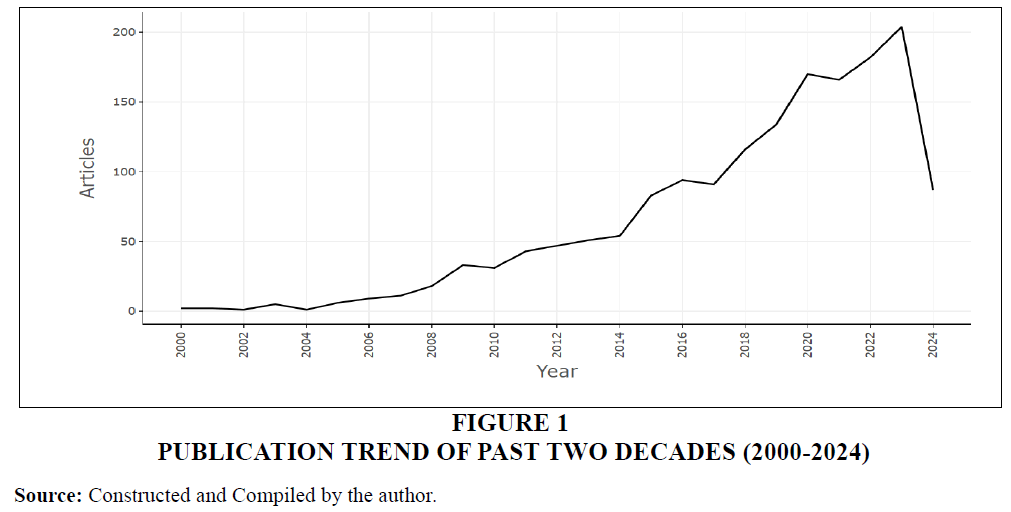
Figure 1 Publication Trend of Past Two Decades (2000-2024)
Source: Constructed and Compiled by the author.
From the above figure, Top Research-Producing Countries: China seems to have the darkest shade, which indicates it is the most productive country with respect of research publications. Followed by United States which is also shaded very dark, indicating high number of research publication. Similarly, India, Germany, and the United Kingdom are also among the more productive nations, but slightly lighter than China and the U.S.
Moderate to High Research Producing Countries: Several European countries, such as Brazil, Australia, and Canada, are coloured in mid to dark blue, representing substantial research output contributions. Followed by Russia and some Middle Eastern nations which also have moderate research output productivity.
Low Research producing Regions: Several African and some South American countries are shaded in light blue or grey, representing lower research productivity. Also, some regions in Central Asia and smaller island nations show minimal research contributions.
Top Journal Having Highest Contribution on the Topic
The table 1 highlights the top ten journals which havepublished the maximum number of research Publication on competency Mapping related topic.
Sustainability (Switzerland) is the Leading Journal which Ranked 1st, with 125 research publications contributing to the domain. This journal seems to be the most chosen platform for scholars working on Competency Mapping related topics.Followed by the corporate social responsibility and environmental management journal which is ranked second with 75 publications. The journal of ethics with 70 publications stands on rank 3rd for providing platform for publication on Competency Mapping related topics.
Co-Occurrence of the Keywords
The figure 2 is a keyword network visualization, which represents the research trends and interconnections among the themes. Based on the prominent keywords, this research paper is primarily focused on Corporate Social Responsibility (CSR) and its interrelated domains.
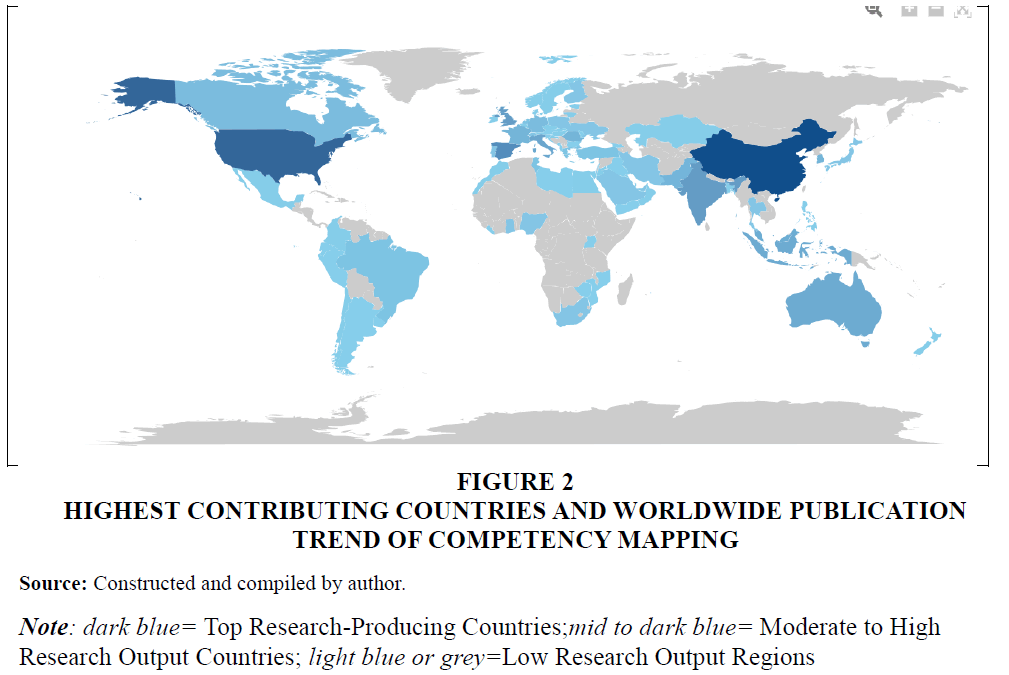
Figure 2 Highest Contributing Countries and Worldwide Publication Trend of Competency Mapping
Source: Constructed and compiled by author.
The results of the visualisation are reported in figure 3. The result show that the most often used word is corporate social responsibility, corporate financial performance, economic and social performance, firm value and performance. The bigger the text size of a keyword, the more likely it appears in the research corpus. The corporate social responsibility is the largest which indicates that it is the most central theme. The various colour highlights the sub theme of the study. As shown in the above diagram there are four clusters: orange, red, blue and green. The Orange Cluster has keywords such as firm value, financial crisis which represents the financial implications of CSR. Secondly the Blue Cluster has keyword such as economic and social effects which Focuses on the broader economic and societal effects of Competency mapping which includes ethics and governance. Similarly, the Green Cluster has keyword such as performance and disclosure which related to the measurement, reporting, and performance metrics. Lastly,the Red Cluster has keyword such as China and regression analysis which indicate regional studies (for instance China) or methodological approaches such as regression analysis in Competency mapping research. The Closely connected nodes indicate heavily studied relationships (such as between CSR and financial performance) where as loosely connected nodes indicate niche themes / emerging themes.
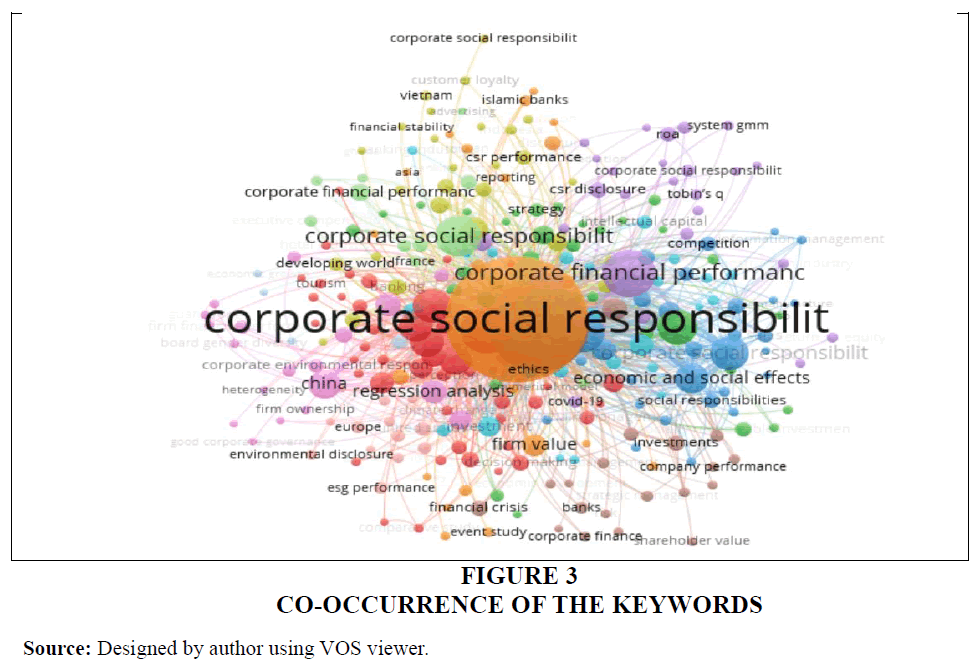
Figure 3 Co-Occurrence of the Keywords
Source: Designed by author using VOS viewer.
Citation Analysis
Table 2 presents the top ten sources that have cited the document most often. It highlights the number of citations received from each source and the link strength, a metric that measures the total degree of connectivity among the document and other referenced works.
| Table 2 Top Ten Journals Having Highest Publication on Competency Mapping | |||
| Rank | Journal Name | Publications | Cumulative Publications |
| 1 | Sustainability (Switzerland) | 125 | 125 |
| 2 | Corporate Social Responsibility and Environmental Management | 75 | 200 |
| 3 | Journal of Business Ethics | 70 | 270 |
| 4 | Social Responsibility Journal | 56 | 326 |
| 5 | Journal of Cleaner Production | 36 | 362 |
| 6 | Business Strategy and the Environment | 33 | 395 |
| 7 | Journal of Business Research | 17 | 412 |
| 8 | Strategic Management Journal | 17 | 429 |
| 9 | Finance Research Letters | 15 | 444 |
| 10 | Corporate Ownership and Control | 14 | 458 |
The table above indicates the most cited journal. The above table highlights that the Journal of Business Ethics has the highest number of citations (i.e.,12,539) and a strong total link strength of 617, which representsthatit is a highly influential source with 72 documents. Followed by, Strategic Management Journal with 8,023 citations and a total link strength of 450, which represents that this journal is also highly significant, the comparatively lower number of documents (17)represents that the articles published are highly impactful. Thirdly, Corporate Social Responsibility and Environment journal has the highest number of documents (i.e., 75) and a significant number of citations (3,576),representing a broad and influential body of work in the area of competency mapping. figure No. 3 is the visual representation of the table 3.
| Table 3 The Most Frequently Cited Sources, Including the Number of Publications, the Total Number of Citations, and the Overall Link Strength | ||||
| Sl. No | Source | Documents | Citations | Total Link Strength |
| 1 | Journal of Business Ethics | 72 | 12539 | 617 |
| 2 | Strategic Management Journal | 17 | 8023 | 450 |
| 3 | Corporate Social Responsibility and Environment... | 75 | 3576 | 389 |
| 4 | Sustainability (Switzerland) | 125 | 3643 | 369 |
| 6 | Journal of Cleaner Production | 36 | 2937 | 215 |
| 7 | Journal of Business Research | 17 | 1698 | 158 |
| 8 | Economic Research-EkonomskaIstrazi... | 14 | 535 | 126 |
| 9 | Business Strategy and the Environment | 33 | 2818 | 113 |
| 10 | Journal of Global Responsibility | 10 | 726 | 86 |
The above figure 4 represents a network visualization of country relationships, likely based on research collaborations, or co-authorship networks. The Different colours indicate clusters of countries with stronger internal connections.
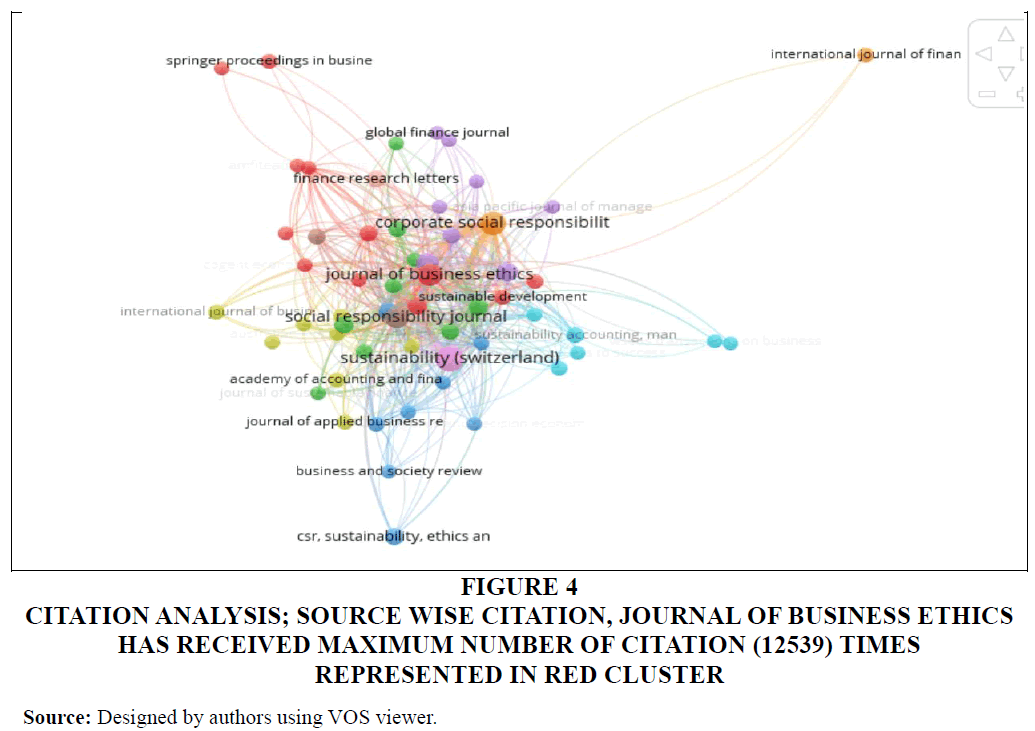
Figure 4 Citation Analysis; Source Wise Citation, Journal of Business Ethics has Received Maximum Number of Citation (12539) Times Represented in Red Cluster
Source: Designed by authors using VOS viewer.
The blue cluster, which consists of Taiwan, China, and the US, indicates a high level of engagement, maybe as a result of robust economic or research partnerships. The green and purple clusters draw attention to various regional or thematic groupings, while the red cluster—which includes Spain, Germany, and Portugal—indicates another group of closely connected nations. With their vast networks, central nodes like the US, China, and Spain are important international centres for economic or scientific exchanges. Conversely, peripheral nations with fewer ties, such as Malta, Lebanon, and Cyprus, indicate more specialized or restricted exchanges. The degree of interaction between nations is shown by the edges; greater ties are indicated by thicker and more numerous connections. This graphic could indicate trade and economic networks, highlighting important trading partners, or it could show international research collaborations, where strongly connected nations lead in academic relationships. It might also symbolize social or diplomatic networks, showing migratory trends, cultural influences, or geopolitical connections. Overall, the figure 5 illustrates how regional considerations influence international relationships while highlighting the essential role that some nations play in global exchanges.
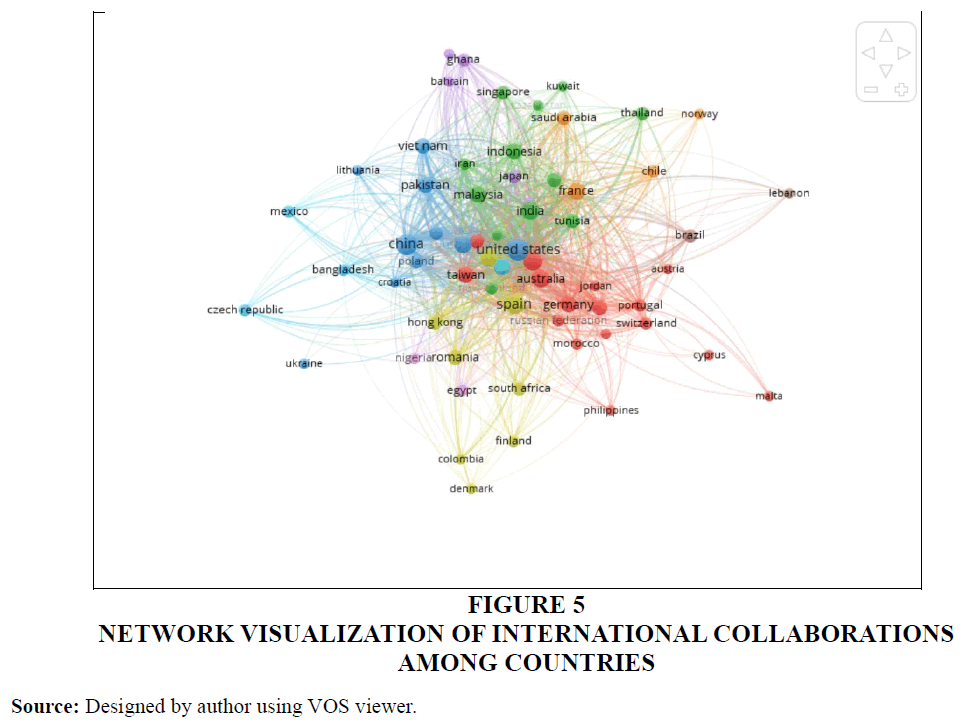
Figure 5 Network Visualization of International Collaborations Among Countries
Source: Designed by author using VOS viewer.
The visualization in Figure 6 depicts a bibliometric analysis of academic journals and research topics related to business ethics, finance, and sustainability. At the center of the network, the "Journal of Business Ethics" stands out as the most influential and frequently cited journal, underscoring its pivotal role in shaping conversations on ethical business practices. Surrounding it are key journals like the "Journal of Financial Economics," "Journal of Finance," and "Journal of Marketing," reflecting strong connections between ethics, finance, and marketing disciplines.
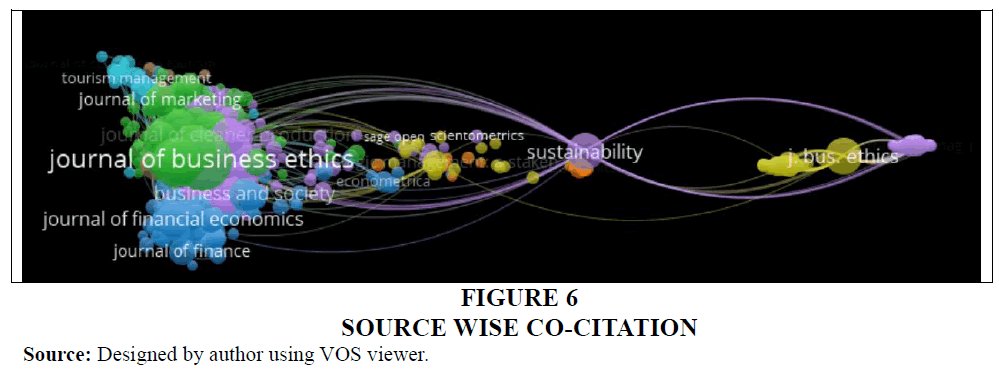
Figure 6 Source Wise Co-Citation
Source: Designed by author using VOS viewer.
Journals such as the "Journal of Cleaner Production" and "Sustainability" further emphasize the growing importance of ethical and sustainable business practices. The interconnected and curved lines in the visualization represent relationships and cross-references among these journals, highlighting how business ethics research intersects with finance, sustainability, and marketing. The prominence of "sustainability" as a central theme indicates an increasing academic focus on the convergence of business ethics and sustainable practices.
Smaller nodes on the right likely signify emerging topics or niche journals contributing to specific aspects of this field. Overall, the visualization underscores the interdisciplinary nature of business ethics research, with sustainability and social responsibility as dominant themes, while maintaining strong ties to the finance and marketing sectors.
This network visualization highlights the relationships among leading researchers in the fields of business ethics, corporate social responsibility (CSR), and sustainability. Each node represents an individual researcher, while the edges (connecting lines) signify citation relationships or collaborations. The size of the nodes reflects the influence or impact of each researcher, with larger nodes indicating higher prominence. Color-coded clusters denote distinct thematic groups or research communities focused on related topicsfocus Green Cluster, yellow cluster, red cluster, blue cluster, and Purple Cluster in details:
The green cluster, prominently featuring researchers such as McWilliams A., Carroll A.B., and Waddock S.A., represents foundational work in CSR and stakeholder theory. These scholars have played a pivotal role in exploring how businesses integrate ethical practices, sustainability, and governance into their operations. Their research often addresses the business case for CSR, the role of stakeholders in decision-making, and the long-term benefits of socially responsible strategies. As central figure 6 in the network, their work forms the backbone of CSR research and is widely cited. The yellow cluster includes influential authors like Serafeim G., Ioannou I., Bauer R., and Fama E.F. This group focuses on environmental, social, and governance (ESG) factors and their influence on financial performance. Their research examines how ESG strategies impact shareholder value, risk management, and profitability. Topics such as sustainable investing, corporate disclosures, and regulatory frameworks are central to their work, making their contributions highly relevant in today’s business environment, where ESG considerations are integral to corporate governance and investment decisions.
Key authors in the red cluster, such as De Villiers C., Wang J., Post C., and Adams R.B., emphasize corporate sustainability and integrated reporting practices. This research community investigates how organizations disclose non-financial information, the effectiveness of sustainability reports in promoting transparency, and their impact on stakeholders and investors. Their work significantly influences global reporting standards and accountability frameworks, including those developed by the Global Reporting Initiative (GRI) and the Sustainability Accounting Standards Board (SASB).
The blue cluster features researchers like Lee S., Bhattacharya C.B., Hair J.F., and Fornell C., who focus on the interplay between CSR initiatives and consumer behavior. Their studies explore how CSR efforts shape brand perception, foster customer loyalty, and influence purchasing decisions. Additionally, they examine the strategic advantages of incorporating CSR into marketing and reputation management, with a particular emphasis on consumer psychology and its connection to ethical business practices.
The purple cluster, represented by scholars such as Siegel D.S. and Jamali D., focuses on the strategic implementation of CSR and its implications for business operations. This group explores how organizations integrate CSR into their core strategies to achieve both social and financial objectives. Key themes include corporate governance, organizational commitment, and gaining competitive advantages through CSR. Their research underscores the strategic importance of ethical and sustainable practices in achieving long-term business success.This visualization underscores the interdisciplinary nature of business ethics research, with interconnected themes spanning CSR, sustainability, finance, marketing, and governance.
Conclusion and Discussion
Over the previous twenty years, competency mapping has surfaced as an essential mechanism for synchronizing individual skill sets with corporate goals. This bibliometric study reveals a steady increase in scholarly output, particularly post-2016, emphasizing its growing importance in modern professional contexts. China, the United States, and India are at the forefront of this field, driven by the commitment of enthusiastic researchers, prominent institutions, and reputable academic publications t's inspiring to see how these individuals and organizations are working tirelessly to push the boundaries of knowledge and innovation Their collective efforts are driving progress and innovation in significant ways. Collaboration and creative thinking are key to driving knowledge and progress in this field. When we join forces and approach challenges from new angles, we open up exciting possibilities and advancements Their teamwork and creativity make a real difference.
Competency mapping is essential across diverse fields like manufacturing, IT, healthcare, and education, supporting individuals in building the skills necessary for success. By delineating the competencies and expertise necessary for particular positions, organizations are able to more effectively assist their workforce, improve training initiatives, and ultimately elevate overall performance. This approach helps teams work more effectively towards their goals, ensuring that everyone is in a position to succeed. This approach allows organizations to identify the specific skills and strengths that employees should prioritize in their development. As employees focus on honing these key areas, it leads to better overall performance for the entire team. By investing in their workforce's growth, companies not only empower their employees but also enhance their capabilities. Consequently, this enhances their ability to engage in competition within the marketplace with greater efficacy This focus not only enhances individual growth but also fosters a more resilient and competitive organization. This approach supports both individual growth and organizational success. The incorporation of advanced technologies, notably artificial intelligence and machine learning, has further augmented competency evaluations, allowing for more individualized and accurate assessments. However, the research concentration within certain geographic areas indicates a pressing need for broader international collaboration to cultivate a thorough understanding of competency mapping.
Future inquiries should concentrate on exploring the impact of digital transformation on competency demands, the escalating importance of soft skills, and the ramifications of global competence in an increasingly interconnected environment. By addressing these emergent trends, the discipline of competency mapping can continue to progress, facilitating both individual career development and organizational achievement within a fluid and competitive arena.
Acknowledgment
We sincerely acknowledge the insightful suggestions and valuable feedback from our colleagues on ResearchGate, which were instrumental in shaping the conceptual framework of this paper. We also extend our gratitude to the authors whose studies on this topic have made significant contributions to the development of our research.
Funding
The authors received no financial support for the research, authorship, and/orpublication of this article.
Institutional Review Board Statement: The Ethical Committee of SRM University Sikkim, India granted approval for this study on 20th Feb. 2025 (Ref. No. SRM/IEC/Feb2025/10).
Declaration of Consent for publication: All the authors agreed to publish the content.
Competing interests: All the authors declared that they have no conflict of interest of theresearch article ‘the evolution and impact of competency mapping across industries: a bibliometric analysis’.
Transparency: The authors state that the manuscript is honest, truthful, and transparent, thatno key aspects of the investigation have been omitted, and that any differences from the studyas planned have been clarified. This study followed all writing ethics.
Data Availability Statement: The corresponding author can provide the supporting data ofthis study upon a reasonable request.
Author Contributions
Partakson Romun Chiru- Conceptualization, Visualization, Data Curation, Investigation, Resources, Formal Analysis, Validation, Writing – Original Draft Preparation.
Prajala Rai- Conceptualization, Visualization, Investigation, Resources, software, Writing- review and Editing.
Prashanti Tamang-Formal Analysis, Methodology, Software, validation, Writing – Review & Editing
Chithung Marry Thomas- Supervision, Funding, Software, Data Curation
Mutum Minarani Devi- Project Administration, Supervision, Validation, Writing review & editing.
Naorem Birendra Singh - Project Administration, Resources, Supervision, Data Curation.
Tejnarayan Thakur,- Analysis, Resources
References
Bhatt, N. (2020). Competency Mapping in Organisations – A Review Study. Journal of Emerging Technologies and Innovative Research.
Chandru, B. A., George, J. P., Rajeesh, D., Fernandez, B. B., Thanooja, N. T., & Jithesh, V. (2024). Competency mapping among Rashtriya Bal SwasthyaKaryakram nurses in Kerala. International Journal of Community Medicine and Public Health, 11(11), 4384–4392.
Indexed at, Google Scholar, Cross Ref
Guo, J., Huijuan, Z., & Hasan, H. (2024). Global competence in higher education: A ten-year systematic literature review. Frontiers in Education, 9.
Hanifah, A. P., Purnomo, M., & Dai, R. M. (2024). Bibliometric analysis of entrepreneurial competencies in the last 10 years (2013-2023). Samudra Ekonomi Dan Bisnis, 15(2), 299–312.
Hayati, N., Robandi, B., &Hatimah, I. (2024). Bibliometric mapping: Development of pedagogical competency research in community education. Al-Ishlah, 16(1), 145–157.
Indexed at, Google Scholar, Cross Ref
Jandhyala, U. (2023). Competence mapping & its pivotal role in business strategy. Journal of Human Resource and Sustainability Studies, 11(4), 815–826.
Kastorff, T., Moser, S., Heine, J.-H., &Kauertz, A. (2024). Global competence behavior: Exploring the relevance of students’ scientific literacy, related attitudes, and values - Evidence from PISA 2018 across 52 countries. Research Square.
Kiran, K., & Kaur, M. (2024). An explorative analysis of competency mapping in the banking sector. In Proceedings (pp. 162–170).
Li, X., Patrnogić, J., & Van Vactor, D. (2024). Competency-based curriculum mapping for doctoral program evaluation. OSF Preprints.
Liu, J. (2024). A review of research on the concept of global competence. Lecture Notes in Education Psychology and Public Media, 70(1), 95–99.
Manickam, M. K., & Rozan, M. Z. A. (2023). Bibliometric analysis of entrepreneurial competencies using Scopus data and VOSviewer. International Journal of Advanced and Applied Sciences, 10(1), 198–207.
Indexed at, Google Scholar, Cross Ref
Mirafzal, M., Fhal, S., Wadhera, P., & Stal-Le Cardinal, J. (2024). Intelligent competency mapping for improving knowledge management in consulting firms. Proceedings of the Design Society.
Mopur, D. P. (2024). A study on competency mapping factor in Faurecia Emissions Control Technologies India Pvt Ltd. International Journal for Multidisciplinary Research, 6(2).
Mursiti, M., Sailah, I., Marimin, M., Romli, M., & Denni, A. (2024). Competency mapping to develop human resources for Indonesia’s sugarcane agroindustry in the Industry 4.0 era. Cogent Business & Management, 11(1).
Indexed at, Google Scholar, Cross Ref
Nagar, M., Nagar, S., & Verma, A. (2023). A study of competency mapping and its significance for faculties. International Journal for Multidisciplinary Research.
Puli, J., & Sagi, S. L. S. (2022). Competency mapping: Building a competent workforce through human resource information systems. Journal of Information and Optimization Sciences.
Indexed at, Google Scholar, Cross Ref
Rosso, F., & Garcia-Salirrosas, E. E. (2023). Strategic trends in management by competencies: A bibliometric review. International Journal of Professional Business Review.
Indexed at, Google Scholar, Cross Ref
Saint, V., Detering, B., Franke, A., Eger, H., Oppenberg, J., Rohleder, S., & Bozorgmehr, K. (2024). Key competencies for global health research: Systematic literature review and mapping. European Journal of Public Health, 34(Supplement_3).
Shalini, P. (2024). A study on competency mapping.
Sharma, S., & Malodia, L. (2022). Competency mapping: Building a competent workforce through competency-based human resource information systems. Journal of Information and Optimization Sciences.
Indexed at, Google Scholar, Cross Ref
Souza, N. A. F. de, Coutinho, D. J. G., & Vieira, F. da S. (2024). Competency mapping: The importance of strategic management in public health. Revista Ibero-Americana de Humanidades, Ciências e Educação.
Wang, L., & Li, K. (2024). Global competency development for graduate students from the perspective of internationalization at home. International Education Forum, 2(7), 76–86.
Received: 25-Jun-2025, Manuscript No. AMSJ-25-16018; Editor assigned: 26-Jun-2025, PreQC No. AMSJ-25-16018(PQ); Reviewed: 10- Aug-2025, QC No. AMSJ-25-16018; Revised: 27-Aug-2025, Manuscript No. AMSJ-25-16018(R); Published: 04-Sep-2025