Research Article: 2026 Vol: 30 Issue: 4
Strategic Significance of Corporate Brands in Business-to-Business (B2B) Marketing: A Comprehensive Literature Review
Mahender Kumar, Ph.D. Scholar, Indian Institute of Foreign Trade, B-21, Qutab Institutional Area, New Delhi
Dr. Arunima Rana, Assistant Professor, Indian Institute of Foreign Trade, B-21, Qutab Institutional Area, New Delhi
Citation Information: Kumar, M. & Rana, A., (2026). Strategic significance of corporate brands in business-to-business (b2b) marketing: a comprehensive literature review. Academy of Marketing Studies Journal, 30(S4), 1-21.
Abstract
Purpose – This study addresses fragmentation in business-to-business (B2B) corporate branding literature by demonstrating that existing firm-centric and dyadic perspectives inadequately explain branding in contemporary, digitally mediated B2B networks. It critically complements prior research by filling this gap and providing an integrated, theory-building synthesis of corporate branding as a dynamic, network-co-created process Design/methodology/approach – This review examines 198 peer-reviewed journal articles published between 2000 and 2025 in the SCOPUS database, employing a dual analytical framework: thematic analysis to discern core constructs and critical conceptual synthesis informed by network theory, and service-dominant logic with a multi-stakeholder interaction approach. Findings – The review identifies and examines seven primary themes, which lack theoretical unity and ignore the co-creation aspect of brand value. In response this study reconceptualises B2B corporate branding as emerging through recursive interactions among multiple actors within digitally mediated ecosystems shaped by AI transformation, ESG imperatives, and geopolitical pressures. An integrative framework explains how brand meaning and value evolve through relational trust, identity alignment, and reputational processes Research limitations/implications – This study’s limitations include its database selection, search parameters, and time frame along with English-language publications. The proposed model provides theoretical clarity and suggests future research on network-level analysis, cross-cultural validation, and longitudinal brand co-creation studies. Originality/value – First, it advances a theory that adopts a dynamic, networked interaction perspective in place of a static, firm-centred view. Second, it provides an integrative theoretical framework that explains brand value formation at the ecosystem level rather than the dyadic level. Third, it offers a future-oriented research agenda that foregrounds network dynamics, digital & AI platforms, and sustainability as central mechanisms in B2B brand co-creation.
Keywords
Corporate branding, Corporate identity, Corporate reputation, Business-to-Business marketing, Industrial marketing, B2B Branding, SLR.
Introduction
Corporate branding has become a strategic asset for companies operating in competitive business-to-business (B2B) markets. Unlike consumer branding, which focuses on emotional connections and consumer loyalty (D.Aaker, 1991; Hatch & Schultz, 2001),B2B branding prioritizes trust, functional attributes, and relational benefits among professional buyers and other stakeholders (Mudambi, 2002; Seyedghorban et al., 2016). A robust corporate brand in business market contexts can significantly influence a company's perceived value, reputation, and market performance (Balmer, 2017; Koporcic & Halinen, 2018).
In the past decade, corporate branding has gained attention in B2B marketing due to its impact on strategic business outcomes. It enables product differentiation and encompasses corporate identity, reputation, and image, which together shape stakeholder perceptions and organizational success (Abratt & Kleyn, 2012; Iglesias & Ind, 2020).Additionally, it helps establish credibility and trust, which are essential for fostering long-term business relationships (Coleman et al., 2015; Vogel et al., 2008) by reducing the risks associated with B2B transactions that often entail substantial investments (Mäläskä et al., 2011; Merz et al., 2009). As the B2B decision-making process is intricate and involves numerous stakeholders (Koporčić et al., 2015), corporate brands reduce uncertainty during the supplier selection process by fostering trust among clients (Leek & Christodoulides, 2011; Pandey & Mookerjee, 2018).
The relational and participatory character of industrial markets has long been highlighted by foundational research traditions. According to the network approach of the Industrial Marketing and Purchasing (IMP) group, markets are dynamic systems of interconnected relationships where value is created by continuous interactions between actors (Håkansson et al., 2013; Johanson & Mattsson, 2016). Long-term buyer-seller transactions are governed by trust and commitment, according to relationship marketing theory (Morgan & Hunt, 1994; Narayandas & Rangan, 2004). Stakeholder theory, on the other hand, expands the unit of analysis beyond dyadic relationships to include the various actors whose beliefs and actions together influence business outcomes (Strand & Freeman, 2015). More recently, goods-dominant thinking has been substantially challenged by service-dominant logic (SDL), which frames value as being co-created through resource integration among numerous players (Merz et al., 2009; Vargo & Lusch, 2016).
However, in spite of these fundamental realizations, the literature on corporate branding is still rationally limited and conceptually fragmented (Mora Cortez & Johnston, 2017; Seyedghorban et al., 2016). The majority of research still views corporate brands as management assets that businesses create, convey, and manage, mainly neglecting the ways in which continuing interactions within intricate B2B networks co-create brand meaning (Iglesias & Ind, 2020; Koporcic & Halinen, 2018). Although IMP offers a strong ontology of networks, corporate branding theory has not yet been systematically integrated with it to explain the emergence and evolution of brand-specific phenomena at the network level, such as identity, image, and reputation. In the same way, SDL explains the value co-creation concept but provides no direction on the precise procedures by which stakeholders debate and jointly create corporate brand value. Though it rarely outlines the mechanics by which their interactions result in brand outcomes, stakeholder theory identifies pertinent actors. As a result, the literature has the components of a networked theory of corporate branding, but it lacks an integrative framework that puts them together into a logical explanatory model.
The interconnected factors that are changing modern B2B marketplaces have made this theoretical gap more significant. Digital platforms and AI-mediated interactions, for example, have drastically changed how B2B actors interact, communicate, and make decisions. Digital platforms now serve as the backbone for the majority of business-to-business (B2B) (Karjaluoto et al., 2015; Lamberton & Stephen, 2016).
Predictiveanalytics, automated interactions, and AI-driven customisation are changing how people establish trust and perceive brands at a speed and scale that was previously unthinkable (Fehl et al., 2025).Additionally, corporate social responsibility has moved from being a secondary ethical concern to a key factor in determining the legitimacy and reputation of a company due to ESG requirements and sustainability demands (V. Kumar & Christodoulopoulou, 2014; Sheth & Sinha, 2015). Today, a company's social and environmental performance is scrutinized, visible, and significant throughout its whole network. The legitimacy and perceived reliability of corporate brands operating across contested institutional boundaries are conditioned by geopolitical fragmentation, which is reflected in trade disputes, supply chain restructuring, and the formation of regional blocs. These factors further amplify these forces by reshaping institutional trust and forcing firms to navigate conflicting normative expectations across diverse markets (Zhang & Gao, 2022).Together, these factors make firm-centric, static branding models outdated. They seek a paradigm that may explain how multi-actor, digitally mediated interactions inside intricate, institutionally complex ecosystems constantly negotiate, sustain, and occasionally destabilize corporate brand value.
Considering the above, this literature review seeks to respond to the following questions:
a) What is the current state of B2B corporate branding literature, and how does it engage or fail to engage with network and co-creation perspectives from IMP, SDL, and stakeholder theory?
b) What core themes characterize this literature, and how can they be reinterpreted through a multi-stakeholder, network-interaction lens to reveal their interconnectedness?
c) How can an integrative framework based on this synthesis describe the dynamic, collaborative process of B2B business brand formation in modern digitally mediated ecosystems influenced by geopolitical, AI, and ESG factors?
This study screened 198 research articles and conducted a thorough examination of scholarly publications on the strategic significance of corporate branding in B2B marketing. These articles, drawn from leading journals, span a period of 25 years. As a result, seven significant themes have emerged: Branding in B2B markets, corporate identity, organisational identity, corporate image, corporate reputation, relationship marketing, and sustainability.
The subsequent sections of this review are organized as follows: First, we describe the methodology applied in this synthesis. Next, we introduce our evaluation framework, which serves as a basis for examining and combining the body of recent research. A citation analysis of the literature is then provided, focusing on the key themes that encapsulate our comprehension of branding initiatives through meticulous data and research methodology analysis. Finally, we address the theoretical contribution using the TCCM framework, stressing the value of corporate branding in business-to-business from network interaction contexts for identifying potential future paths and highlighting specific constraints.
Research Methodology
To understand business-to-business branding issues, this paper presents an extensive literature examination and a defined research strategy. There is a growing trend in marketing and management studies to apply systematic literature reviews (SLRs), which are increasingly featured in high-impact business journals. As an SLR provides a comprehensive and high-quality overview of recent findings, it is the most appropriate method for this study.
Identification
We used established search methods to perform an extensive search of the literature in the SCOPUS electronic database (A. Kumar et al., 2020; Paul & Criado, 2020). SCOPUS ensures journal quality through rigorous editorial and selection processes (Bilro et al., 2023; Leonidas C., 2018). Hence it was selected for its comprehensive coverage of peer-reviewed management and social science literature, providing a robust foundation for this synthesis (A. Kumar et al., 2020). The ABDC journal quality list was employed as a proxy for ensuring inclusion of rigorously peer-reviewed research, consistent with established review practices (Paul & Criado, 2020).
To capture all relevant papers, the authors compiled broad search terms, limiting the search only by a timeline extending to November 2025. The keywords focused on corporate branding and reputation in the B2B context, including terms such as “industrial marketing” and “business-to-business” (Paul & Criado, 2020).The final search query was:
( ( "corporate branding" OR "corporate identity" OR "corporate image" OR "corporate reputation" OR "brand" ) AND ( "b2b" OR "business to business" OR "business marketing" OR "b to b" OR "industrial marketing" ) )
The systematic review encountered various publication formats, including theory-based reviews (Gilal et al., 2019), framework reviews and meta-analyses (Paul & Benito, 2018), and bibliometric analyses. To enhance transparency, reduce bias, and ensure data validity, the authors employed the PRISMA method (Paschou et al., 2020; Shamseer et al., 2015). "The Preferred Reporting Items for Systematic Reviews and Meta-Analyses (PRISMA)" is an evidence-based, multi-step process illustrated in Figure 1.
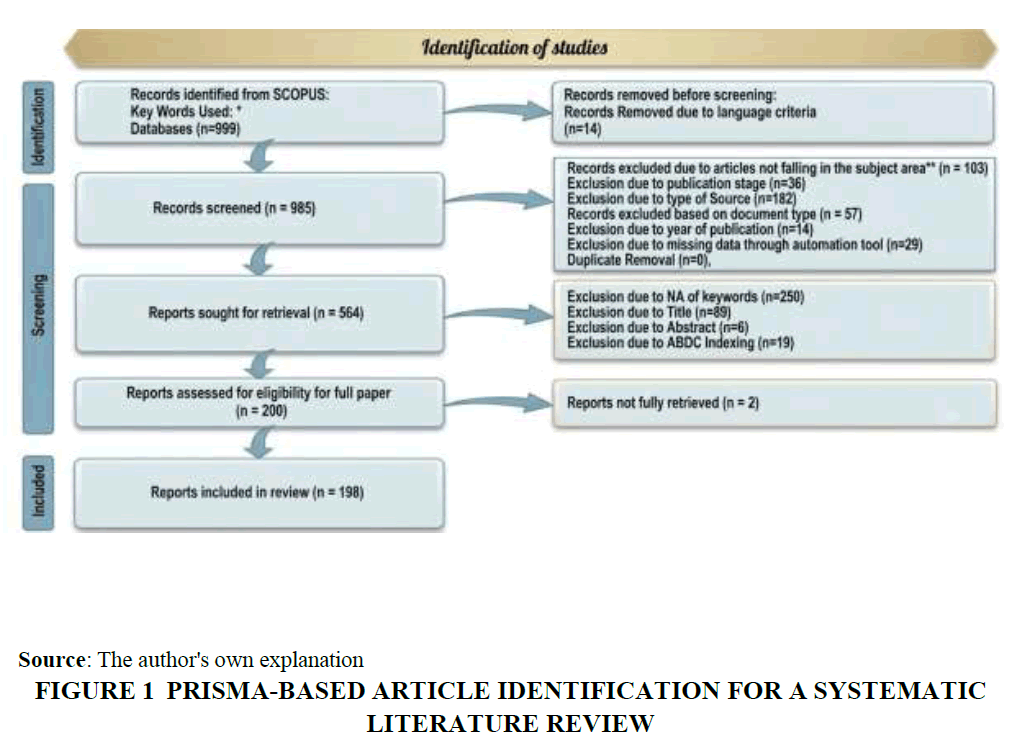
Figure 1 Prisma-Based Article Identification for A Systematic Literature Review
Screening
The B2B domain research questions guided the selection of search keywords. Results were limited to published works in the following fields: Management; Social Sciences; Business, Management and Accounting; Engineering; Humanities; Psychology; Economics, Econometrics and Finance; and Decision Sciences.
Our initial search on SCOPUS identified 999 papers, which were narrowed down to 564 after applying initial filters. The focus was maintained by utilising the ABDC listing criteria and sequentially reviewing titles, abstracts, keywords, and final inclusion criteria. The researchers independently assessed the papers, and 198 were selected for full-text review.
In line with established review protocols (Billore & Anisimova, 2021; Paul & Criado, 2020), this systematic review considered only refereed journal articles, which reflect cutting-edge research and have substantial influence. Therefore, conference papers, books, and reports were excluded. Furthermore, only English-language journal articles were selected for review and analysis.
Following the precedent of previous reviews (Paschou et al., 2020), we incorporated only papers from journals listed in the ABDC ranking. Consequently, 19 articles were eliminated for not meeting this criterion. Furthermore, to ascertain their applicability to the study, the titles and abstracts of the remainder 198 research publications were reviewed.
Inclusion
All pertinent papers were assessed both topically and descriptively, with a focus on the most recent and highly cited works. Using the database of 999 screened publications, we employed a systematic review methodology to identify and categorize key themes. This process helps in understanding the advantages of corporate branding, its impact on stakeholder engagement, and how structural processes can enhance core components of corporate branding to improve overall value, image, and relational outcomes.
Data Analysis and Synthesis
We used a systematic thematic analysis process guided by the principles of Braun &
Clarke, 2006 in order to identify and synthesize the salient themes from the 198 selected articles. In an iterative process, the analysis alternated between the data and new theoretical understandings. First, in order to become familiar, each author examined a subset of 30 highly referenced publications on their own. This led to the creation of early open codes, such as "digital channels," "trust as risk-reducer," and "CSR differentiation" The authors then went through an iterative process of discussion and refining before compiling these codes and grouping them into possible themes. Coherence and validity were checked by comparing candidate themes to the entire dataset. Section 4 presents the seven main topics that emerged from this approach. Crucially, we critically analysed the connections between themes and their significance for comprehending B2B branding as a dynamic, networked activity; the analysis was not only descriptive. The integrative framework in Section 5 was developed with direct input from this analytical synthesis, confirming that it is based on the patterns found in the evaluated literature.
Descriptive Review of the Literature
Prior to the year 2000, the majority of literature on B2B corporate branding originated from management practice rather than academic research. Our final pool of 198 articles shows a significant shift, with over two-thirds (n = 150; 75.75%) published since 2011, indicating the field's growing academic importance.
Quantitative studies dominate this literature review (n = 71; 35.86%), followed by case studies (n = 34; 17.17%). Research in this area has expanded notably since 2007, with conceptual developments forming the basis of 86 studies (n = 84; 42.42%). Among these conceptual studies, the Customer-Based Brand Equity (CBBE) model was the most frequently referenced framework (n = 21; 24.14%), followed by Aaker's model (n = 12; 14.12%). Other prominent theories included Stakeholder Theory and Grounded Theory (n = 11 each; 12.64%), followed by Resource Advantage Theory and Social Exchange Theory (n = 7 each; 8.05%). Tables 1 and 2 summarize the methodological approaches and popular theories, respectively.
| Table 1 Methodologies Adopted in the Reviewed Literature | ||
| Type of Paper | No of Papers | % of Contribution |
| Quantitative Study | 71 | 35.86% |
| Case Study | 34 | 17.17% |
| Qualitative study | 19 | 9.60% |
| Conceptual paper | 19 | 9.60% |
| Empirical study | 18 | 9.09% |
| Mixed Method approach | 19 | 9.60% |
| Longitudinal Case Study |
9 | 4.55% |
| Exploratory Research | 7 | 3.54% |
| Experimental Study | 2 | 1.01% |
| Total number of study | 198 | |
| Table 2 Prominent Theoretical Frameworks Found in the Reviewed Literature. |
||
| Top 10 Theory | No of Papers | Ratio |
| CBBE Model | 21 | 24.14% |
| Stakeholders theory | 11 | 12.64% |
| Grounded Theory | 11 | 12.64% |
| Aaker Model of Brand equity | 12 | 14.12% |
| Resource Advantage theory | 7 | 8.05% |
| Social Exchange theory | 7 | 8.05% |
| Signalling theory | 5 | 5.75% |
| Relationship Marketing theory | 5 | 5.75% |
| Hierarchy-of-effects (HoE) theory |
4 | 4.60% |
| SDL Theory | 4 | 4.60% |
| Total number of theories | 87 | |
Notes: Quantitative and case studies together account for 53.03% of the total reviewed literature.
Notes: Percentage are based on the total number of theory citations across 87 conceptual papers.
Out of 198 published articles, 159 (80.30%) were published in A* and A-ranked journals, while 25 (12.63%) were in category B, and 14 (7.07%) were in category C. The majority of papers were published in Industrial Marketing Management (n = 58; 29.44%) and the Journal of Business & Industrial Marketing (n = 38; 19.29%). Other prominent journals, such as the Journal of Brand Management and the Journal of Marketing, also feature papers on B2B branding. Tables 3 and 4 illustrate these findings.
| Table 3 Distribution of Reviewed Articles by ABDC Journal Ranking |
||
| ABDC Category | No of Papers | % of Papers |
| A Category | 84 | 42.42% |
| A* Category | 75 | 37.88% |
| B Category | 25 | 12.63% |
| C Category | 14 | 7.07% |
| Total | 198 | 100% |
Notes: Out of 198 papers reviewed 80.03% were published in A* and A- ranked journals.
| Table 4 Prominent Journals with ABDC Ranking and Impact Factor (>5 Articles). | ||||
| Name of the Major Journal | No of Papers | Ratio(%) | ABDC Ranking | Impact Factor |
| Industrial Marketing Management | 58 | 29.44% | A* | 10.3 |
| Journal of Business and Industrial Marketing |
38 | 19.29% | A | 4.08 |
| Journal of Business Research | 13 | 6.60% | A | 11.3 |
| Journal of Brand Management | 9 | 4.57% | A | 4.1 |
| Journal of Business-to-Business Marketing |
8 | 4.06% | B | 1.4 |
| European Journal of Marketing | 7 | 3.55% | A* | 4.66 |
| International Journal of Research in Marketing |
6 | 3.05% | A* | 7 |
| Marketing Intelligence and Planning | 5 | 2.54% | A | 4.4 |
| Total | 144 | 73.10% | ||
Notes: The eight journals listed collectively account for 73.10% of the 198 articles reviewed.
Citation Analysis
Citation analysis is the first step in this systematic review, initiated from a search that yielded 198 items. Only journal publications, recognized for their rigorous review processes (Liñán & Fayolle, 2015), were included. To identify the most influential academic publications, we selected the 25 most-cited works from the past two decades. Over 90% of these were published after 2007, coinciding with the rising prominence of social media and digital marketing (Lamberton & Stephen, 2016). A qualitative analysis of these articles yielded seven thematic categories. The majority originated from ABDC A and A* journals, with only two selected publications from categories B and C. Consequently, as illustrated in
Table 5, these highly cited publications serve as significant analytical units that encapsulate key research streams.
The citation analysis reveals that a significant portion of studies emphasizes the importance of corporate brand equity in the B2B domain, with growing attention directed toward sustainability and digital marketing perspectives.
| Table 5 Most Cited Articles and Authors Since 2000 | ||||
| S.No | Title | Authors (Year) | Cited Times | Citation (Yrly Avg) |
| 1 | The effects of corporate social responsibility on brand performance: The mediating effect of industrial brand equity and corporate reputation | (Lai et al., 2010). | 525 | 40 |
| 2 | Corporate reputation and customer behavioural intentions: The roles of trust, identification and commitment |
(Keh & Xie, 2009) | 516 | 37 |
| 3 | Brand equity in the business-to-business market | (Bendixen et al., 2004). |
252 | 13 |
| 4 | Involvement, satisfaction, and brand loyalty in a small business services setting |
(Russell-Bennett et al., 2007). |
244 | 15 |
| 5 | Brand awareness in business markets: When is it related to firm performance? |
(Homburg et al., 2010). |
210 | 16 |
| 6 | Business to business digital content marketing: Marketers’ perceptions of best practice | (Holliman & Rowley, 2014). | 208 | 23 |
| 7 | The Personification Metaphor as a Measurement Approach for Corporate Reputation |
(Davies et al., 2001). |
189 | 9 |
| 8 | How strong is the business-to-business brand in the workforce? An empirically-tested model of 'internal brand equity' in a business-to-business setting |
(Baumgarth & Schmidt, 2010). | 181 | 14 |
| 9 | The organic view of the brand: A brand value co-creation model |
(Iglesias et al., 2013). |
176 | 18 |
| 10 | Living the brand": Brand orientation in the business-to- business sector |
(Baumgarth, 2010). |
164 | 13 |
| 11 | Green marketing and its impact on supply chain management in industrial markets | (Chan et al., 2012). | 161 | 15 |
| 12 | A literature review and future agenda for B2B branding: Challenges of branding in a B2B context | (Leek & Christodoulides, 2011). | 154 | 13 |
| 13 | Branding a B2B service: Does a brand differentiate a logistics service provider |
(Davis et al., 2008). |
152 | 10 |
| 14 | A framework of brand value in B2B markets: The contributing role of functional and emotional components | (Leek & Christodoulides, 2012). |
145 | 13 |
| 15 | Sustainability and branding: An integrated perspective | (Kumar & Christodoulopoulo u, 2014). |
138 | 15 |
| 16 | Being known or being one of many: The need for brand management for business-to-business (B2B) companies | (Beverland, Lindgreen, et al., 2007). |
118 | 7 |
| 17 | The impact of sellers' social influence on the co-creation of innovation with customers and brand awareness in online communities |
(Wang et al., 2016). | 116 | 17 |
| 18 | B2B branding in emerging markets: A sustainability perspective | (Sheth & Sinha, 2015). | 109 | 14 |
| 19 | The brand management system and service firm competitiveness |
(Santos-Vijande et al., 2013). |
101 | 10 |
| 20 | The role of digital channels in industrial marketing communications | (Karjaluoto et al., 2015). | 99 | 12 |
| 21 | Corporate brand identity co-creation in business-to-business contexts | (Iglesias et al., 2020). | 95 | 32 |
| 22 | The relative importance of brands in modified rebuy purchase situations | (Zablah et al., 2010). | 93 | 7 |
| 23 | Market orientation, positioning strategy and brand performance |
(Iyer et al., 2019). | 93 | 23 |
| 24 | Industrial global brand leadership: A capabilities view | (Beverland, Napoli, et al., 2007). |
90 | 6 |
| 25 | An exploratory investigation of the elements of B2B brand image and its relationship to price premium | (Persson, 2010). | 90 | 7 |
Notes: The article titles in this table are reproduced verbatim from published sources to ensure bibliographic accuracy. Any similarity would only reflect correctly cited references material and not plagiarism
Thematic Examination of the Literature
After an in-depth review and examination of the corpus of literature, this section provides a thematic summary of corporate branding in the B2B sector. This summarizes the seven major themes that our methodical thematic analysis revealed in (Section 2.4). Beyond descriptive cataloguing, our approach tackles two important questions: (1) How can conventional B2B branding structures work in dynamic, multi-actor networks? and (2) How are ESG requirements, AI, digital transformation, and geopolitical fragmentation changing these processes? All of the themes are examined as interrelated processes that come together to form B2B corporate branding as an emergent, co-created reality.
Branding in B2B Markets : From Firm Asset to Network Process
Traditional B2B branding literature conceptualizes the brand as a firm-owned asset for differentiation and competitive advantage (Anees-ur-Rehman et al., 2018; de Chernatony, 1999), market positioning (Iyer et al., 2019),customer relationships (Makkonen & Sundqvist-Andberg, 2017), risk management (Kulkarni, 2017), employee engagement (Greyser & Urde, 2019), and value creation (Ozdemir et al., 2020). Nonetheless, our analysis shows a paradigm shift in favor of viewing branding as a relational, collaborative process that emerges from interactions between several stakeholders (Iglesias & Ind, 2020; Mäläskä et al., 2011). Digital platforms, which are essential infrastructures that facilitate ongoing, data-rich interactions between buyers, sellers, and other network actors rather than just new means of communication, are accelerating this change. (Holliman & Rowley, 2014; Karjaluoto et al., 2015).According to recent studies on AI-mediated interactions, algorithmic touchpoints are influencing brand perceptions and trust more and more (Fehl et al., 2025).
Additionally, strong B2B brands can boost shareholder value (Guenther & Guenther, 2019), strengthen relationships with business partners (Ozdemir et al., 2020), and encourage repurchase intentions (Balmer et al., 2020).Empirical research emphasizes that a range of stakeholders collaborate to develop B2B firm brands (Mäläskä et al., 2011), often through collaboration with various affiliates such as vendors and non-profit organizations (Iglesias & Ind, 2020). Furthermore, the rise of digital platforms such as e-procurement systems and LinkedIn ecosystems has shifted corporate branding away from traditional one-way firm communications. In these digitally mediated environments brand meaning is dynamically co-created through real-time multi-actor conversations among buyers suppliers and broader stakeholdernetworks.
This viewpoint so confirms that B2B brand is not a static company output but rather a n emergent attribute of network linkages.
Corporate Identity: Negotiating Coherence in a Fragmented World
The corporate identity (CI) has evolved from visual design to a multidisciplinary construct requiring coherence across all stakeholder touchpoints (Joukanen et al., 2018; Urde et al., 2013). While relevance and coherence are integral to a robust corporate identity, challenges such as digitalization and sustainability imperatives can complicate their implementation .Furthermore, our analysis shows a conflict between CI as a network-negotiated identity that is influenced by the interpretations of various stakeholders and CI as a projection that is controlled by the firm (Koporcic & Halinen, 2018).Geopolitical fragmentation and ESG pressures intensify this negotiation. According to (V. Kumar & Christodoulopoulou, 2014; Sheth & Sinha, 2015), a company's "sustainable" or "reliable" identity must be supported by observable behaviour, and geopolitical changes necessitate identities that are both globally consistent and locally relevant. Continuous alignment between stakeholder interpretations and strategy aim, mediated by institutional pressures, gives rise to CI.
Organizational Identity: The Internal Anchor of External Branding
An organization's essential, distinctive, and enduring components constitute its organizational identity (OI), a critical element of its overall character (Brown & Humphreys, 2006). It helps members find meaning within a company, encouraging effective behaviour. Determining an entity's identity is a complex process that involves establishing its culture, structure, image, history, characteristics, and reputation (Martin et al., 2011). Understanding OI is essential for effective management and organizational success (Gioia et al., 2000).
An important facilitator of external branding is organizational identity (OI), which is the collective sense of "who we are" (Brown & Humphreys, 2006; Gioia et al., 2000). Genuine brand ambassadors in business-to-business (B2B) contacts are employees with high OI (Berger-Remy & Michel, 2015; Guenzi & Georges, 2010). The digital transformation, on the other hand, makes OI more difficult because of remote work, AI-mediated internal communications, and worldwide operations, which call for striking a balance between local responsiveness and consistent identity (He & Harris, 2020; Rindova et al., 2005). Furthermore, external brand processes are internally anchored by OI. Genuine internal identity is a prerequisite for coherent exterior branding. The success of a business is largely dependent on its identity since it shapes multiple stakeholder expectations, directs ethical behaviour, and eventually aids in customer retention.
Corporate Image: The Ephemeral Interface of Real-Time Perception
Corporate image is crucial in B2B marketplaces for fostering customer loyalty and trust. It encompasses the perceptions, ideas, and impressions held by stakeholders and the target audience (Melewar et al., 2020). This serves as the dynamic contact between the company and the network and represents stakeholders' immediate opinions about the company (Melewar et al., 2020). The image in digitally mediated business-to-business (B2B) environments is becoming more transient and multi-sourced, influenced not just by company communications but also by social media, real-time digital content, third-party evaluations, AI-generated suggestions, and media coverage (Holliman & Rowley, 2014). An AI-driven risk assessment or a single unfavourable review might quickly change the network's perception. Since it is the dynamic, real-time perception that results from network interaction episodes and is continuously altered by digital platforms.
In summary, the convergence of CSR programs, content marketing tactics, and digital transformation underscores the necessity of maintaining a strong corporate image to establish and nurture loyalty and trust in B2B marketplaces.
Corporate Reputation: The Network's Collective, Stabilized Judgment
Corporate reputation (CR) is the collective perception of a company held by its stakeholders—including investors, suppliers, clients, and employees—based on its past actions, communicated values, and financial performance. It builds confidence and trust and is influenced by evaluations of the company's long-term economic, social, and environmental impact (Abratt & Kleyn, 2023; Balmer, 2001).
Strategic advantages including price premiums and investor attraction are provided by corporate reputation (CR), which is the collective, comparatively steady assessment of a company's previous performance and future prospects (Abratt & Kleyn, 2023; Balmer, 2001; Graham & Bansal, 2007; Roberts & Dowling, 2002a). Our analysis shows that CR is a network-level characteristic that arises from cumulative interactions and external observations throughout the ecosystem. ESG performance is now crucial to reputation since it lowers risk and builds brand equity (V. Kumar & Christodoulopoulou, 2014; Quintana-García et al., 2021). The network's overall assessment, which has been consistent over time and is increasingly reliant on demonstrable ESG commitment to enhance a corporate reputation.
The marketing literature confirms that the terms ‘corporate identity’ and ‘corporate image’ are often used interchangeably. However, these concepts, while interrelated, are distinct. Corporate Identity (CI) is what the firm strategically projects, while Corporate Image is how that identity is perceived by external stakeholders. Corporate Reputation, in turn, is the overall evaluation that stakeholders form over time as they receive more information about the firm. Communication aimed at shaping identity among internal stakeholders is termed "Organizational Identity (OI)," whereas communication for external stakeholders is "Corporate Identity (CI)" (Kitchen et al., 2013). The relationship between CI, OI, Image, and Corporate Reputation is depicted in Figure 2.
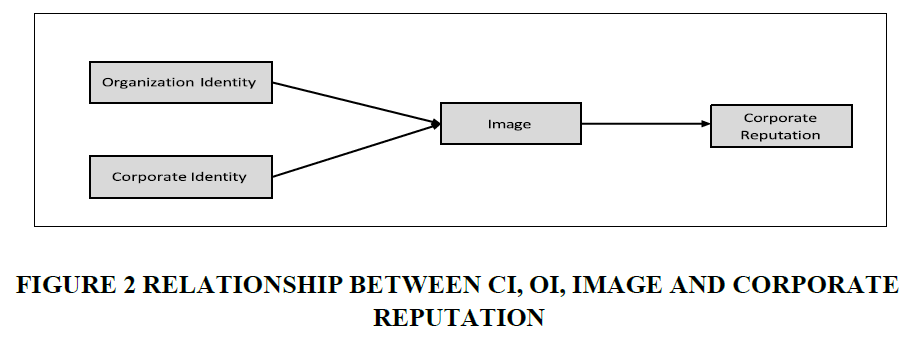
Figure 2 Relationship between CI, OI, Image and Corporate Reputation
This interactive approach to corporate brand building in the B2B setting, which involves active engagement from a variety of stakeholders with consistent network interactions , constructs a more comprehensive picture of the elements of identity, image, and reputation. The fact that brand reputation is shaped by a network of contacts necessitates an examination of the diverse interactions connected to the brand (Koporcic & Halinen, 2018).
Relationship Marketing : The Micro-Foundations of Network Trust
In the B2B sector, relationship marketing theory emphasizes building strong, trusting connections with customers as a cornerstone of long-term success. A customer-centric approach—focusing on trust-building (Rauyruen et al., 2009), dialogue, and cooperation (Koporcic & Halinen, 2018) —fosters loyalty and creates long-term value through customization (A. Kumar & Möller, 2018).
Relationship marketing theory provides the how of B2B branding: strong, trusting relationships are the mechanism through which brand value is co-created (Morgan & Hunt, 1994; Koporcic & Halinen, 2018). Trust—built through consistent, reliable interactions—is the critical component (Narayandas & Rangan, 2004). Digital platforms now serve as the infrastructure for relationship marketing, enabling data-driven insights, peer advice programs, and value-added services that deepen trust (Taiminen & Ranaweera, 2019; Fehl et al., 2025).
Network implication: Interaction episodes (negotiation, adaptation, collaboration) are the generative mechanisms of trust and value co-creation.
Sustainability and CSR: From Ethical Addendum to Core Brand Infrastructure
The interdisciplinary nature of sustainability has led to the use of various related terms, including ESG (Environmental, Social, and Governance), CSR, and sustainable development. Studies often emphasize the environmental dimension, highlighting organizational guidelines and measures to mitigate negative ecological impacts (Sánchez-Gutiérrez et al., 2019). This environmental transformation is driven by a combination of relational, ethical, and competitive incentives.
Additionally, sustainability and corporate social responsibility (CSR) have developed from minor ethical issues to major factors influencing B2B brand value (Bag et al., 2025; Sheth & Sinha, 2015). ESG performance lowers perceived risk and improves relational commitment by signalling dependability, foresight, and value alignment (V. Kumar & Christodoulopoulou, 2014). A unified brand value that fosters trust throughout various stakeholder groups in a geopolitically divided globe is verifiable sustainability. Therefore, sustainability is an institutional requirement that influences identity, reputation, and the development of trust in all branding activities.
These contemporary pressures of climate change, resource scarcity, and geopolitical instability elevate sustainability from a "nice-to-have" to a strategic imperative. A firm's ESG performance is now a key criterion in supplier selection, investment decisions, and partnership evaluations. Moreover, in a geopolitically fragmented world, a demonstrable commitment to ethical and sustainable practices can serve as a unifying brand value (Lai et al., 2010) that transcends regional divides and builds trust across diverse stakeholder groups. It becomes a form of network legitimacy.
An Integrative Framework: Conceptualizing B2B Corporate Branding as a Network-Co-Created Phenomenon
This integrative framework (Figure 3) that conceptualises corporate branding in business-to-business markets as an emergent, interaction-driven process embedded within industrial networks, rather than as a firm-controlled strategic asset. The framework, which is based on the Industrial Marketing and Purchasing (IMP) heritage, employs a network ontology that views markets as dynamic systems of interconnected agents whose interactions constantly shape meaning and value.
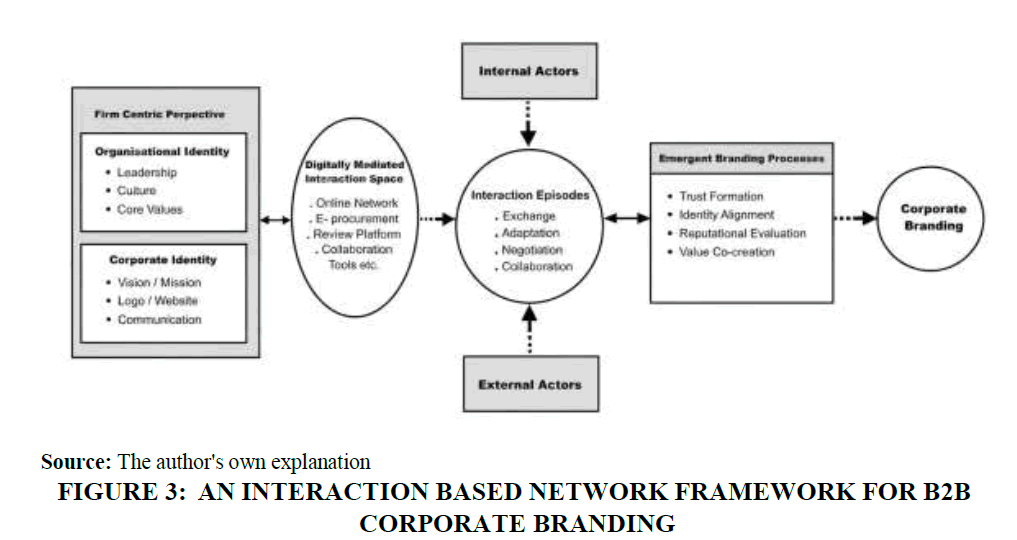
Figure 3 An Interaction Based Network Framework for B2B Corporate Branding
This framework conceptualising B2B corporate branding as an emergent, co-created process unfolding through recursive interaction episodes within digitally mediated B2B ecosystems.
Identity, image, reputation, and relationships—the classic B2B branding components—are frequently articulated in ways that suggest, but do not theorize, a dynamic, multi-actor network environment, according to our theme analysis. We combine these results into an integrated framework to close this gap (Figure 3). While table 6 shows a clear connection between each framework component and our theme evidence, establishing the model's foundation in patterns seen in the 198 examined papers. Using SDL (Vargo & Lusch, 2016) and the IMP network ontology (Håkansson et al., 2013).
| Table 6 Grounding the Proposed Framework in Thematic Evidence | |||
| Framework Component | Related Theme(s) from Section 4 | Representative Supporting Citations | How the Literature Informs this Component |
| Network Conditions: Digital Platforms as Interaction Infrastructure | 4.1 B2B Branding; 4.4 Corporate Image; 4.6 Relationship Marketing |
Karjaluoto et al. (2015); Holliman & Rowley (2014); Lamberton & Stephen (2016); Taiminen & Ranaweera (2019); Fehl et al. (2025) |
Literature establishes digital channels as transformative, moving from communication tools to infrastructure for interaction, transparency, and trust-building. AI-mediated interactions are increasingly shaping brand perceptions. |
| Network Conditions: Institutional Pressures (ESG, Geopolitics) | 4.2 Corporate Identity; 4.5 Corporate Reputation; 4.7 Sustainability/CSR |
Sheth & Sinha (2015); V. Kumar & Christodoulopoulou (2014); Quintana-García et al. (2021); Bag et al. (2025); Zhang & Gao (2022) |
Studies show ESG and sustainability are central to legitimacy, identity validation, and reputational assessment. Geopolitical fragmentation conditions institutional trust and brand positioning across markets. |
| Generative Mechanism: Interaction Episodes | 4.1 B2B Branding; 4.6 Relationship Marketing |
Håkansson et al. (2013); Koporcic & Halinen (2018); Morgan & Hunt (1994); Narayandas & Rangan (2004) |
IMP and relationship marketing literatures identify discrete interactions (exchange, negotiation, adaptation, collaboration) as the fundamental units of value creation and trust formation in B2B networks. |
| Emergent Process: Trust Formation | 4.6 Relationship Marketing | Morgan & Hunt (1994); Guenzi & Georges (2010); Kemp et al. (2020); Rauyruen et al. (2009) | Trust is consistently identified as the critical mediating variable in B2B relationships, built through consistent, reliable interactions over time and essential for long-term commitment. |
| Emergent Process: Identity Alignment | 4.2 Corporate Identity; 4.3 Organizational Identity |
Abratt & Kleyn (2012); Koporcic & Halinen (2018); Balmer & Podnar (2021); Iglesias et al. (2020); Hatch & Schultz (2002) | Literature reveals tension between projected (CI) and internal (OI) identity. This alignment is negotiated and validated through network interactions, requiring coherence between internal culture and external collaborations. |
| Emergent Process: Reputational Evaluation | 4.5 Corporate Reputation | Roberts & Dowling (2002a); Money et al. (2017); Walsh & Beatty (2007); Chun & Davies (2010); Helm (2007) | Reputation is shown as a collective, multi-stakeholder judgment formed over time, aggregating from individual interactions and third-party observations, providing strategic benefits including price premiums and investor attraction. |
| Emergent Process: Value Co-Creation | 4.1 B2B Branding; 4.6 Relationship Marketing |
Merz et al. (2009); Vargo & Lusch (2016); Iglesias & Ind (2020); Hatch & Schultz (2010) | SDL literature frames value as co-created through resource integration and interaction among multiple actors, not delivered by the firm. Brand meaning emerges from collaborative participation. |
| Temporary Stabilizations: Network-Level Outcomes | 4.1 B2B Branding; 4.5 Corporate Reputation; 4.6 Relationship Marketing |
Iyer et al. (2019); Pandey & Mookerjee (2018); Zhang & Gao (2022); Greyser & Urde (2019); Roberts & Dowling (2002a) | Studies link strong brands to outcomes like reduced risk, differentiation, legitimacy, and resilience. These are reinterpreted as network-level stabilizations that remain susceptible to disruption by negative interactions or shifting conditions. |
Note: This table provides a transparent link between the thematic evidence presented in Section 4 and the components of the proposed framework in Section 5 and Figure 3. Each framework component is grounded in specific themes and supported by representative citations from the reviewed literature.
Framework Components and Functioning
Table 6 summarizes the framework's four interrelated layers. Digital platforms as interaction infrastructure (4.1, 4.4, 4.6) and institutional forces like geopolitics and ESG (4.2, 4.5, 4.7) are captured in the outermost layer, which determine the opportunities for interaction (Lipiäinen & Karjaluoto, 2015; Sheth & Sinha, 2015). The primary building blocks of value creation are interaction episodes (4.1, 4.6), which are discrete instances of cooperation, negotiation, and trade (Koporcic & Halinen, 2018).
Four recursive emergent processes based on thematic findings surround these episodes: value co-creation (4.1, 4.6), trust formation (4.6), identity alignment (4.2, 4.3), and reputational evaluation (4.5) (Balmer & Podnar, 2021; Merz et al., 2009; Morgan & Hunt, 1994; Roberts & Dowling, 2002b).These interdependent processes result in short-term network-level brand stabilizations, including decreased risk, legitimacy, resilience, and
distinction (4.1, 4.5). The stability and dynamism of B2B business brands are captured by these stabilizations, which are still vulnerable to disruption from unfavourable interactions or changing circumstances. Accordingly, the paradigm views brand value as an emergent characteristic of recursive interaction events that are continuously negotiated and recurrently stabilized in ecosystems mediated by digital media.
The framework acts as an operational guide for business-to-business companies looking to improve their corporate brands through the strategic network strategy and effective use of digitally enabled platforms for engagement. It underscores the importance of balancing external engagement with internal consistency to achieve overall brand strength. This framework aids practitioners in refining branding strategies and provides academics with a foundation for identifying future research directions in corporate branding.
In addition to the previously mentioned, companies can formally embrace brand co-creation by creating frameworks and providing incentives that actively involve important stakeholders in brand development projects, like strategic partners and lead users etc. In this way, the company's strategy will be clear , enabling the corporate brand to be managed as a dynamic process. If the network is curated, interactions are facilitated, and the values are exhibited, a powerful, resilient, and appreciated B2B brand can emerge and thrive co-creatively.
Strategic Implications for Corporate Marketing in B2B
Modern B2B marketing is increasingly defined by networked interactions and value co-creation, enabled by digital platforms, departing from the conventional product-centric perspective. Corporate branding, guided by Service-Dominant Logic, is now an ongoing proposition co-created and validated by a network of stakeholders rather than a firm-controlled transmission of identity (Iglesias & Ind, 2020; Merz et al., 2009; Vargo & Lusch, 2016). This process takes place in the digital platform environment (T C Melewar, 2022), which consists of professional and social networks, e-procurement platforms, and collaborative tools. It serves as the main framework for multi-actor communication and trust-building (Taiminen & Ranaweera, 2019), and relationship management (Koporcic & Halinen, 2018; Lamberton & Stephen, 2016).
Corporate marketing's function in B2B settings is reframed by our suggested framework. Corporate marketing has evolved from pushing distinct products or presenting a regulated brand image to coordinating relational interaction within digital ecosystems. The quality of multi-actor, digitally mediated interactions, rather than one-way communications, is what creates brand value, as envisaged in Section 5.
Numerous strategic imperatives are associated with this; companies need to transition from broadcasting to network interaction coordination, promoting communication and collaboration among stakeholders (Iglesias & Ind, 2020; Joukanen et al., 2018). Digital platforms could also be viewed as tools for establishing trust rather than just routes for communication (Karjaluoto et al., 2015; Taiminen & Ranaweera, 2019).Lastly, the companies' observable dedication to sustainability and ESG should be a key component of brand credibility, acting as indicators of dependability and value alignment for the network as a whole (V. Kumar & Christodoulopoulou, 2014; Sheth & Sinha, 2015).
The corporate brand, according to this networked perspective, is a dynamic, co-created resource that offers competitive advantage through reduced perceived risk, network legitimacy, and relational resilience rather than being a firm-owned asset (Iyer et al., 2019; Zhang & Gao, 2022). The ability of a company to cultivate constructive, reliable relationships throughout its ecosystem, thereby establishing its brand as a reliable, robust network asset, is therefore critical to its strategic success.
Strategic Synthesis Using the TCCM Framework
To systematically evaluate the state of B2B corporate branding research, this review employs the TCCM (Theories, Context, Characteristics, and Methodology) framework. The systematic analysis reveals significant fragmentation across theoretical foundations, geographical and industrial contexts, conceptual characteristics, and methodological approaches. Notably, the literature lacks a cohesive theoretical lens capable of explaining the networked, interactive nature of brand co-creation in B2B settings, underscoring the need for more integrated, contextual, and multi-actor research designs for strategic advantage (Koporcic & Halinen, 2018; Liu et al., 2018) (Table 7).
| Table 7 TCCM Analysis of B2B Corporate Branding Literature | |||
| Aspect A | Current State in Literature | Gaps & Fragmentation | Implications for Future Research |
| Theories | Dominated by established models (e.g., Aaker’s, CBBE, and Stakeholder Theory). Recent inclusion of Signaling & SDL (Liu et al., 2018; Merz et al., 2009). |
Fragmented use of theories; lack of integration to explain networked brand interactions (Seyedghorban et al., 2016). Limited theoretical innovation to address co-creation. |
Adopt integrative theoretical lenses (e.g., Service-Dominant Logic + Network Theory) to explain how branding functions in multi-actor ecosystems (Iglesias & Ind, 2020; Koporcic & Halinen, 2018). |
| Context | Over 53% of studies are from developed economies. Limited focus on emerging markets (Murphy & Coughlan, 2018). Narrow industry representation. | Geographically skewed; lacks cross-cultural and regional diversity (Fetscherin & Usunier, 2012). Industry insights are siloed, limiting generalizability. |
Expand research to under-represented regions and industries. Conduct cross-context comparisons to understand cultural and institutional moderators (Sheth & Sinha, 2015). |
| Characteristics | Highlights internal/external pressures, corporate-product brand interplay, and themes like identity and CSR (Abratt & Kleyn, 2012; Guenther & Guenther, 2019). Lacks empirical depth on stakeholder dynamics. | Studies are firm- or dyad-centric, ignoring network-level characteristics (e.g., ecosystem position, tie multiplexity) (Koporčić et al., 2015; Mäläskä et al., 2011). Minimal focus on brand co-destruction or digital-era traits. | Explore network attributes (centrality, embeddedness) as branding antecedents. Investigate digital platform effects and sustainability-driven brand transformations (V. Kumar & Christodoulopoulou, 2014; T C Melewar, 2022). |
| Methodology | Predominantly quantitative (surveys) and case studies (Brennan et al., 2014). Lacks longitudinal, multi-actor, and network-analytical approaches. | Methodological individualism prevails; few studies capture interactive, process-based branding across networks (Koporcic & Halinen, 2018). Supplier-centric bias limits holistic understanding. |
Employ mixed methods, network analysis, longitudinal designs, and digital trace data to study branding as a dynamic, multi-actor process (Håkansson et al., 2013; Lamberton & Stephen, 2016). |
A thorough understanding of corporate branding variations in B2B settings remains challenging due to a prevailing supplier-centric perspective and a lack of a network-level approach. To enhance the comprehension of corporate branding’s influence on business performance, future research endeavours should integrate qualitative participant feedback, employ a more systematic categorization of industries, and adopt methodologies that effectively capture the intricate interplay of network interactions inherent in brand co-creation within the B2B domain.
Conclusions, Contributions, and Future Avenues
This study enhances the understanding of business-to-business (B2B) corporate branding by identifying major themes, research gaps, and theoretical frameworks through a systematic review of 198 articles. It not only addresses a significant gap in the literature but also establishes a foundation for future research by presenting an integrated framework that illustrates corporate branding's contribution to B2B market success and stronger business partnerships from digitally network perspective. The analysis provides insights into prior research methodologies, publication outlets, and geographic scope to aid future researchers and practitioners. Using the TCCM framework, this review identifies areas requiring further research, such as theoretical foundations and network interactions approaches, and highlights the importance of cultural sensitivity, stakeholder involvement, and CSR and Digital initiatives for companies to effectively involve multiple stakeholders (Paul & Rosado-Serrano, 2019).
Theoretical and Managerial Contributions
This comprehensive study addresses the fundamental fragmentation in the B2B corporate branding literature and goes beyond simple synthesis to provide important theoretical, methodological, and managerial contributions. It offers three significant advances in theory. In order to demonstrate their connectivity and collective implications for a networked perspective of branding, we first combine seven fragmented themes into an integrated analysis. Second, in digitally mediated environments influenced by AI, ESG, and geopolitical forces, we create and establish an interaction-based network framework (Figure 3) that describes brand value development as an emergent attribute of recursive interaction episodes. Finally, we address previous concerns for methodological rigor in SLRs by offering a visible evidence audit trail (Table 6) that connects each framework component to particular topic findings (Paul & Criado, 2020).
Limitations
The findings of this study should be interpreted with caution due to methodological constraints, such as its reliance on a single database (SCOPUS), English-language publications only, and the inherent constraints of the 2000-2025 timeframe. Future research should empirically test the proposed framework through longitudinal, multi-actor studies; investigate how AI-mediated interactions reshape trust formation; examine cross-cultural variations in network branding; and explore how geopolitical fragmentation conditions corporate identity and reputation. This agenda responds directly to the need for more dynamic, contextualized, and network-oriented theories of B2B corporate branding in the digital age.
Future Research Directions
Future research should look at how corporate branding and digital platform & AI transformation interact in B2B contexts using a network theory lens. In particular, It should examine how digital tools and platforms are altering brand communication strategies across the network system and influencing stakeholder collaboration & addressing the ESG pressures. Empirical research is also needed to quantify the effects of corporate branding on financial performance and customer retention across diverse industries and cultural contexts. Investigating these domains will yield a deeper understanding of how corporate branding enhances competitiveness and sustains long-term business success.
Statements and Declarations
Funding: The authors did not receive support from any organization for this work.
Conflict of Interest: There is no conflict of interest declared by the authors
Ethical Approval: This study is a systematic literature review based on published, publicly available data. Ethical approval was not required.
Consent to Participate: Not applicable, as this study did not involve human participants.
Consent for Publication: The authors consent to the publication of this manuscript in accordance with the journal's guidelines.
References
Abratt, R., & Kleyn, N. (2012). Corporate identity, corporate branding and corporate reputations: Reconciliation and integration. European journal of marketing, 46(7-8), 1048-1063.
Indexed at, Google Scholar, Cross Ref
Abratt, R., & Kleyn, N. (2023). The conscientious corporate brand: Definition, operationalization and application in a B2B context. Journal of Business & Industrial Marketing, 38(10), 2122-2133.
Indexed at, Google Scholar, Cross Ref
Bag, S., Rahman, M. S., Naude, P., & Srivastava, G. (2025). Examining buyers’ attitudes toward climate change policy and their firms’ corporate reputation: the serial mediation effect of suppliers’ engagement and commitment. Journal of Business-to-Business Marketing, 32(3), 265-288.
Indexed at, Google Scholar, Cross Ref
Balmer, J. M. T. (2001). Corporate identity, corporate branding and corporate marketing Seeing through the fog. In European Journal of Marketing (Vol. 35, Number 4). # MCB University Press. http://www.emerald-library.com/ft
Indexed at, Google Scholar, Cross Ref
Balmer, J. M. (2017). The corporate identity, total corporate communications, stakeholders’ attributed identities, identifications and behaviours continuum. European Journal of marketing, 51(9-10), 1472-1502.
Indexed at, Google Scholar, Cross Ref
Balmer, J. M., Lin, Z., Chen, W., & He, X. (2020). The role of corporate brand image for B2B relationships of logistics service providers in China. Journal of Business Research, 117, 850-861.
Indexed at, Google Scholar, Cross Ref
Balmer, J. M., & Podnar, K. (2021). Corporate brand orientation: Identity, internal images, and corporate identification matters. Journal of Business Research, 134, 729-737.
Indexed at, Google Scholar, Cross Ref
Berger-Remy, F., & Michel, G. (2015). How brand gives employees meaning: Towards an extended view of brand equity. Recherche et Applications en Marketing (English Edition), 30(2), 30-54.
Indexed at, Google Scholar, Cross Ref
Billore, S., & Anisimova, T. (2021). Panic buying research: A systematic literature review and future research agenda. International Journal of Consumer Studies, 45(4), 777-804.
Indexed at, Google Scholar, Cross Ref
Bilro, R. G., Loureiro, S. M. C., & Souto, P. (2023). A systematic review of customer behavior in business-to-business markets and agenda for future research. Journal of Business & Industrial Marketing, 38(13), 122-142.
Indexed at, Google Scholar, Cross Ref
Brennan, R., Tzempelikos, N., & Wilson, J. (2014). Improving relevance in B2B research: Analysis and recommendations. Journal of Business & Industrial Marketing, 29(7-8), 601-609.
Indexed at, Google Scholar, Cross Ref
Brown, A. D., & Humphreys, M. (2006). Organizational identity and place: A discursive exploration of hegemony and resistance. Journal of management studies, 43(2), 231-257.
Indexed at, Google Scholar, Cross Ref
Coleman, D. A., De Chernatony, L., & Christodoulides, G. (2015). B2B service brand identity and brand performance: An empirical investigation in the UK’s B2B IT services sector. European Journal of Marketing, 49(7-8), 1139-1162.
Indexed at, Google Scholar, Cross Ref
D.Aaker. (1991). Aaker’s Brand Equity Model. European Institute for Brand Management
Fehl, A. G., Arnold, T., & Good, V. (2025). How B2B seller firms can leverage the power of brands with end users. Journal of Business Research, 186, 114952.
Indexed at, Google Scholar, Cross Ref
Fetscherin, M., & Usunier, J. C. (2012). Corporate branding: an interdisciplinary literature review. European Journal of Marketing, 46(5), 733-753.
Indexed at, Google Scholar, Cross Ref
Gilal, F. G., Zhang, J., Paul, J., & Gilal, N. G. (2019). The role of self-determination theory in marketing science: An integrative review and agenda for research. European Management Journal, 37(1), 29-44.
Indexed at, Google Scholar, Cross Ref
Gioia, D. A., Schultz, M., & Corley, K. G. (2000). Organizational identity, image, and adaptive instability. Academy of management Review, 25(1), 63-81.
Indexed at, Google Scholar, Cross Ref
Graham, M. E., & Bansal, P. (2007). Consumers' willingness to pay for corporate reputation: the context of airline companies. Corporate reputation review, 10(3), 189-200.
Indexed at, Google Scholar, Cross Ref
Greyser, S. A., & Urde, M. (2019). What does your corporate brand stand for?. Harvard Business Review, (January February 2019), 82-89.
Guenther, M., & Guenther, P. (2019). The value of branding for B2B service firms—The shareholders' perspective. Industrial marketing management, 78, 88-101.
Indexed at, Google Scholar, Cross Ref
Guenzi, P., & Georges, L. (2010). Interpersonal trust in commercial relationships: Antecedents and consequences of customer trust in the salesperson. European Journal of Marketing, 44(1-2), 114-138.
Håkansson, H., Tunisini, A., Naude, P., Anderson, H., Anderson, J., Araujo, L., Axelsson, B., Baraldi, E., Blois, K., Bocconcelli, R., Dubois, A., Easton, G., Ford, D., Chalmers, L.-E. G., Guercini, S., Halinen, A., Mälardalen, L. H., Bi, D. H., Henneberg, S., … Henneberg, S. C. (2013). Editor Executive Board Editorial Board Strategic Sourcing Development-Emerging Resource Combination and Knowledge Interaction 12. In The IMP Journal (Vol. 7). http://mediagruppen-karlstad.se/
Hatch, M. J., & Schultz, M. (2001). Are the strategic stars aligned for your corporate brand. Harvard business review, 79(2), 128-134.
He, H., & Harris, L. (2020). The impact of Covid-19 pandemic on corporate social responsibility and marketing philosophy. Journal of business research, 116, 176-182.
Indexed at, Google Scholar, Cross Ref
Holliman, G., & Rowley, J. (2014). Business to business digital content marketing: marketers’ perceptions of best practice. Journal of research in interactive marketing, 8(4), 269-293.
Indexed at, Google Scholar, Cross Ref
Iglesias, O., & Ind, N. (2020). Towards a theory of conscientious corporate brand co-creation: the next key challenge in brand management. Journal of Brand Management, 27(6), 710.
Indexed at, Google Scholar, Cross Ref
Iyer, P., Davari, A., Zolfagharian, M., & Paswan, A. (2019). Market orientation, positioning strategy and brand performance. Industrial Marketing Management, 81, 16-29.
Indexed at, Google Scholar, Cross Ref
Johanson, J., & Mattsson, L. G. (2016). Network positions and strategic action–an analytical framework. In Industrial Networks (Routledge Revivals) (pp. 205-217). Routledge.
Indexed at, Google Scholar, Cross Ref
Joukanen, K., Niinimäki, T., & Sundell, J. (2018). Developing corporate brand identity. In Developing Insights on Branding in the B2B Context: Case Studies from Business Practice (pp. 29–51). Emerald Group Publishing Ltd. https://doi.org/10.1108/978-1-78756-275-220181003
Karjaluoto, H., Mustonen, N., & Ulkuniemi, P. (2015). The role of digital channels in industrial marketing communications. Journal of Business & Industrial Marketing, 30(6), 703-710.
Indexed at, Google Scholar, Cross Ref
Kitchen, P. J., Tourky, M. E., Dean, D., & Shaalan, A. S. (2013). Corporate identity antecedents and components: Toward a theoretical framework. Corporate Reputation Review, 16(4), 263-284.
Indexed at, Google Scholar, Cross Ref
Koporcic, N., & Halinen, A. (2018). Interactive Network Branding. IMP Journal, 12(2), 392–408. https://doi.org/10.1108/imp-05-2017-0026
Kopor?i?, N., Toluši?, Z., & Toluši?, Z. (2015). Introducing the interaction approach for successful business relationships. Ekonomski Vjesnik/Econviews-Review of Contemporary Business, Entrepreneurship and Economic Issues, 28(2), 523-533.
Kulkarni, M. M. (2017). ManaComm?: An International Research Journal of Management and Commerce Importance of perceived brand ranking for B2B customers in making high risk purchasing decision (a case study).
Kumar, A., & Möller, K. (2018). Extending the Boundaries of Corporate Branding: An Exploratory Study of the Influence of Brand Familiarity in Recruitment Practices Through Social Media by B2B Firms: A. Kumar, K. Möller. Corporate Reputation Review, 21(3), 101-114.
Indexed at, Google Scholar, Cross Ref
Kumar, A., Paul, J., & Unnithan, A. B. (2020). ‘Masstige’marketing: A review, synthesis and research agenda. Journal of Business Research, 113, 384-398.
Indexed at, Google Scholar, Cross Ref
Kumar, V., & Christodoulopoulou, A. (2014). Sustainability and branding: An integrated perspective. Industrial marketing management, 43(1), 6-15.
Indexed at, Google Scholar, Cross Ref
Lai, C. S., Chiu, C. J., Yang, C. F., & Pai, D. C. (2010). The effects of corporate social responsibility on brand performance: The mediating effect of industrial brand equity and corporate reputation. Journal of business ethics, 95(3), 457-469.
Indexed at, Google Scholar, Cross Ref
Lamberton, C., & Stephen, A. T. (2016). A thematic exploration of digital, social media, and mobile marketing: Research evolution from 2000 to 2015 and an agenda for future inquiry. Journal of marketing, 80(6), 146-172.
Indexed at, Google Scholar, Cross Ref
Leonidas C. (2018). Advances in Global Marketing. Advances in Global Marketing. https://doi.org/10.1007/978-3-319-61385-7
Indexed at, Google Scholar, Cross Ref
Liñán, F., & Fayolle, A. (2015). A systematic literature review on entrepreneurial intentions: citation, thematic analyses, and research agenda. International entrepreneurship and management journal, 11(4), 907-933.
Indexed at, Google Scholar, Cross Ref
Lipiäinen, H. S. M., & Karjaluoto, H. (2015). Industrial branding in the digital age. Journal of Business & Industrial Marketing, 30(6), 733-741.
Indexed at, Google Scholar, Cross Ref
Liu, Y., Foscht, T., Eisingerich, A. B., & Tsai, H. T. (2018). Strategic management of product and brand extensions: Extending corporate brands in B2B vs. B2C markets. Industrial Marketing Management, 71, 147-159.
Indexed at, Google Scholar, Cross Ref
Makkonen, M., & Sundqvist-Andberg, H. (2017). Customer value creation in B2B relationships: Sawn timber value chain perspective. Journal of Forest Economics, 29(2), 94-106.
Indexed at, Google Scholar, Cross Ref
Mäläskä, M., Saraniemi, S., & Tähtinen, J. (2011). Network actors' participation in B2B SME branding. Industrial Marketing Management, 40(7), 1144-1152.
Indexed at, Google Scholar, Cross Ref
Martin, K. D., Johnson, J. L., & French, J. J. (2011). Institutional pressures and marketing ethics initiatives: the focal role of organizational identity. Journal of the Academy of Marketing Science, 39(4), 574-591.
Indexed at, Google Scholar, Cross Ref
Melewar, T. C., Foroudi, P., & Jin, Z. (2020). Corporate branding, identity, image and reputation: Current and future trends, developments and challenges. Journal of Business Research, 117, 672-674.
Indexed at, Google Scholar, Cross Ref
Merz, M. A., He, Y., & Vargo, S. L. (2009). The evolving brand logic: a service-dominant logic perspective. Journal of the academy of marketing science, 37(3), 328-344.
Indexed at, Google Scholar, Cross Ref
Morro Cortez, R. M., & Johnston, W. J. (2017). The future of B2B marketing theory: A historical and prospective analysis. Industrial Marketing Management, 66, 90-102.
Indexed at, Google Scholar, Cross Ref
Morgan, R. M., & Hunt, S. D. (1994). The commitment-trust theory of relationship marketing. Journal of marketing, 58(3), 20-38.
Indexed at, Google Scholar, Cross Ref
Mudambi, S. (2002). Branding importance in business-to-business markets: Three buyer clusters. Industrial marketing management, 31(6), 525-533.
Indexed at, Google Scholar, Cross Ref
Murphy, L. E., & Coughlan, J. P. (2018). Does it pay to be proactive? Testing proactiveness and the joint effect of internal and external collaboration on key account manager performance. Journal of Personal Selling & Sales Management, 38(2), 205-219.
Indexed at, Google Scholar, Cross Ref
Narayandas, D., & Rangan, V. K. (2004). Building and sustaining buyer–seller relationships in mature industrial markets. Journal of Marketing, 68(3), 63-77.
Indexed at, Google Scholar, Cross Ref
Ozdemir, S., Gupta, S., Foroudi, P., Wright, L. T., & Eng, T. Y. (2020). Corporate branding and value creation for initiating and managing relationships in B2B markets. Qualitative Market Research: An International Journal, 23(4), 627-661.
Indexed at, Google Scholar, Cross Ref
Pandey, S. K., & Mookerjee, A. (2018). Assessing the role of emotions in B2B decision making: an exploratory study. Journal of Indian Business Research, 10(2), 170-192.
Indexed at, Google Scholar, Cross Ref
Paschou, T., Rapaccini, M., Adrodegari, F., & Saccani, N. (2020). Digital servitization in manufacturing: A systematic literature review and research agenda. Industrial Marketing Management, 89, 278-292.
Indexed at, Google Scholar, Cross Ref
Paul, J., & Benito, G. R. (2018). A review of research on outward foreign direct investment from emerging countries, including China: what do we know, how do we know and where should we be heading?. Asia Pacific Business Review, 24(1), 90-115.
Indexed at, Google Scholar, Cross Ref
Paul, J., & Criado, A. R. (2020). The art of writing literature review: What do we know and what do we need to know? International Business Review, 29(4). https://doi.org/10.1016/j.ibusrev.2020.101717
Paul, J., & Rosado-Serrano, A. (2019). Gradual internationalization vs born-global/international new venture models: A review and research agenda. International marketing review, 36(6), 830-858.
Indexed at, Google Scholar, Cross Ref
Quintana-García, C., Benavides-Chicón, C. G., & Marchante-Lara, M. (2021). Does a green supply chain improve corporate reputation? Empirical evidence from European manufacturing sectors. Industrial Marketing Management, 92, 344-353.
Indexed at, Google Scholar, Cross Ref
Rauyruen, P., Miller, K. E., & Groth, M. (2009). B2B services: linking service loyalty and brand equity. Journal of Services Marketing, 23(3), 175-186.
Indexed at, Google Scholar, Cross Ref
Rindova, V. P., Williamson, I. O., Petkova, A. P., & Sever, J. M. (2005). Being good or being known: An empirical examination of the dimensions, antecedents, and consequences of organizational reputation. Academy of management journal, 48(6), 1033-1049.
Indexed at, Google Scholar, Cross Ref
Roberts, P. W., & Dowling, G. R. (2002). Corporate reputation and sustained superior financial performance. Strategic management journal, 23(12), 1077-1093.
Indexed at, Google Scholar, Cross Ref
Roberts, P. W., & Dowling, G. R. (2002b). Corporate reputation and sustained superior financial performance. Strategic Management Journal, 23(12), 1077–1093.
Sánchez-Gutiérrez, J., Cabanelas, P., Lampón, J. F., & González-Alvarado, T. E. (2019). The impact on competitiveness of customer value creation through relationship capabilities and marketing innovation. Journal of business & industrial marketing, 34(3), 618-627.
Indexed at, Google Scholar, Cross Ref
Seyedghorban, Z., Matanda, M. J., & LaPlaca, P. (2016). Advancing theory and knowledge in the business-to-business branding literature. Journal of Business Research, 69(8), 2664-2677.
Indexed at, Google Scholar, Cross Ref
Moher, D., Shamseer, L., Clarke, M., Ghersi, D., Liberati, A., Petticrew, M., ... & Prisma-P Group. (2015). Preferred reporting items for systematic review and meta-analysis protocols (PRISMA-P) 2015 statement. Systematic reviews, 4(1), 1.
Sheth, J. N., & Sinha, M. (2015). B2B branding in emerging markets: A sustainability perspective. Industrial Marketing Management, 51, 79-88.
Indexed at, Google Scholar, Cross Ref
Strand, R., & Freeman, R. E. (2015). Scandinavian cooperative advantage: The theory and practice of stakeholder engagement in Scandinavia. Journal of business ethics, 127(1), 65-85.
Indexed at, Google Scholar, Cross Ref
T C Melewar, C. D. and P. F. (2022). BUILDING CORPORATE IDENTITY, IMAGE AND REPUTATION IN THE DIGITAL ERA. Taylor & Francis
Indexed at, Google Scholar, Cross Ref
Taiminen, K., & Ranaweera, C. (2019). Fostering brand engagement and value-laden trusted B2B relationships through digital content marketing: The role of brand’s helpfulness. European journal of marketing, 53(9), 1759-1781.
Indexed at, Google Scholar, Cross Ref
Vargo, S. L., & Lusch, R. F. (2016). Institutions and axioms: an extension and update of service-dominant logic. Journal of the Academy of marketing Science, 44(1), 5-23.
Indexed at, Google Scholar, Cross Ref
Vogel, V., Evanschitzky, H., & Ramaseshan, B. (2008). Customer equity drivers and future sales. Journal of marketing, 72(6), 98-108.
Zhang, C., & Gao, H. (2022). Managing business-to-business disruptions: Surviving and thriving in the face of challenges. Industrial Marketing Management, 105, 72-78.
Indexed at, Google Scholar, Cross Ref
Received: 10-May-2026, Manuscript No. AMSJ-26-17352; Editor assigned: 11-May-2026, PreQC No. AMSJ-26-17352(PQ); Reviewed: 25-May-2026, QC No. AMSJ-26-17352; Revised: 18-June-2026, Manuscript No. AMSJ-26-17352(R); Accepted: 30-July-2026