Research Article: 2025 Vol: 29 Issue: 6
The Role of Overconfidence and Herding in Stock Market Bubbles and Crashes
Madhuri Prabhakar, GNA University, Phagwara, Punjab
Sameer Varma, GNA University, Phagwara, Punjab
Citation Information: Prabhakar, M., & Varma, S. (2025) The role of overconfidence and herding in stock market bubbles and crashes. Academy of Marketing Studies Journal, 29(6), 1-17.
Abstract
Stock market crashes and bubbles are complex events influenced by rational and irrational forces. Herding and overconfidence are strong behavioral biases inducing unwarranted market movements. Overconfident investors exaggerate their competence, forecasting prowess, and ability to outperform the market, leading to risk-taking, high leverage, and mispricing of securities. Herding behavior forces investors to mimic others' moves rather than perform independent analysis, thereby increasing speculative cycles and market inefficiencies. All these biases collectively create unsustainable asset price inflation, leading to large corrections and financial crises. This study analyzes the theoretical foundations of overconfidence and herding, evaluating their effects on the basis of empirical evidence from major financial bubbles and crashes like the Dot-com Bubble and the 2008 Financial Crisis. The evidence points towards greater investor sophistication, behavioral risk management, and policy measures to mitigate the adverse effects of these biases in financial markets.
Key words
Overconfidence Bias, Herding Behavior, Stock Market Bubbles, Market Crashes, Behavioral Finance, Speculative Trading, Investor Psychology.
Introduction
Economic fundamentals, investor sentiment, and psychological biases are only some of the numerous forces behind asset price movements in the intricate web of the financial market. The real world of finance contradicts the assumptions of mainstream theories such as the Rational Expectations Theory and the Efficient Market Hypothesis (EMH), which assume that stock prices reflect all available information and that market participants act rationally. Investor choices are driven by cognitive biases, rather than hard-headed reason, and that can generate gigantic price distortions and market inefficiencies. Two of the most egregious cognitive biases that generate these types of distortions are overconfidence and herding, and these two are at the heart of the formation and burst of stock market bubbles. Market bubbles are caused by the acceleration of assets at a higher rate than they are actually increasing, usually because of excessive optimism, poor investment, and the general sense that prices will continue to rise. A market crash is when prices go too low and market sentiment goes too far out; this can make a financial bubble burst, resulting in economic recessions, loss of investor confidence, and total financial instability. It is widely documented that investors overestimate their ability for being able to predict market movement and forecast risk, something referred to as the overconfidence bias. Overconfident investors overtrade, take on increased financial risk, and are oblivious to the point at which the market is near collapse. Since asset prices are led by optimism and not fundamental analysis, this misplaced faith fuels asset bubbles. During the Dot-com Bubble (1990s–2000), investors, for instance, mistakenly believed that web-based enterprises would expand to infinity, fueling the shares of technology upwards and leading investors to overlook basic protection measures like profitability and revenue sustainability. Investors suffered enormous losses and the market experienced sharp corrections as the bubble burst and these companies' performance fell short of expectations. Similarly, investors and financial institutions were too confident in the stability of the housing market in the years leading up to the 2008 Global Financial Crisis, which caused a collapse of the market for subprime mortgage-backed securities Figures 1-4.
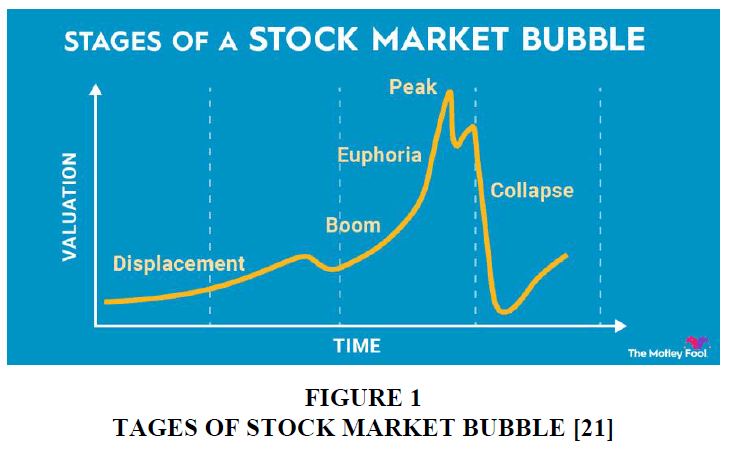
Figure 1 Tages of Stock Market Bubble [21]
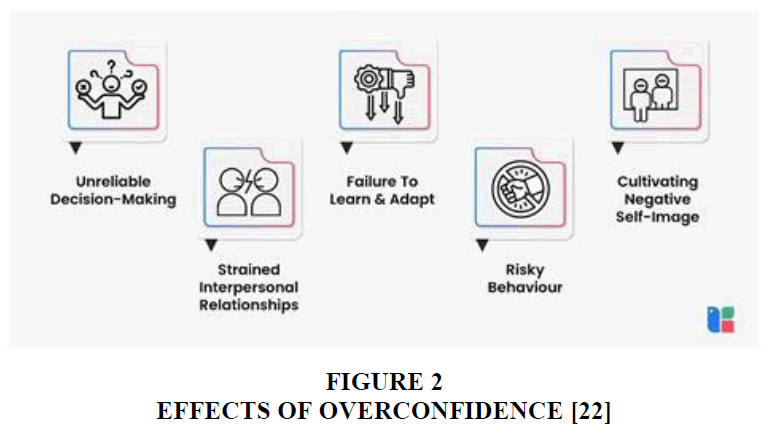
Figure 2 Effects of Overconfidence [22]
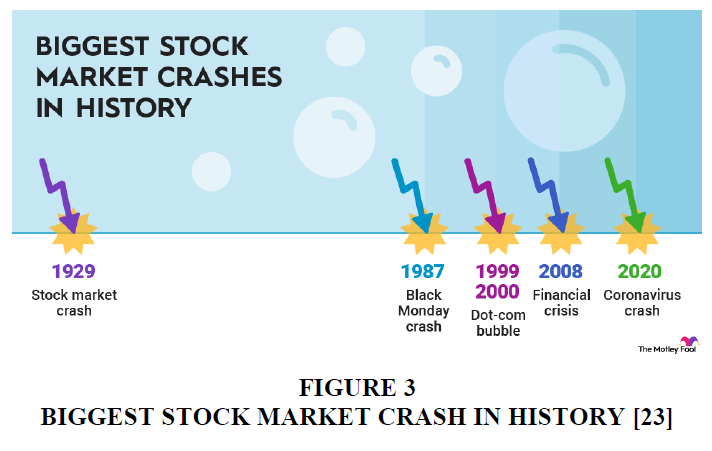
Figure 3 Biggest Stock Market Crash in History [23]
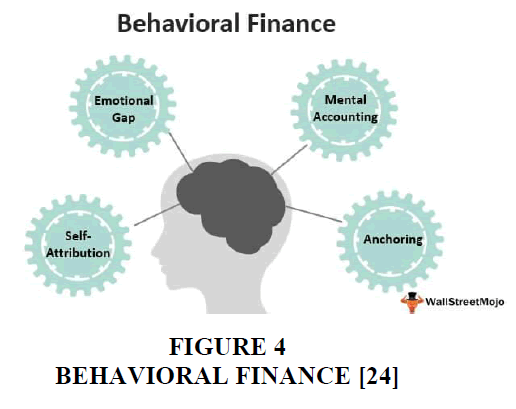
Figure 4 Behavioral Finance [24]
Herding behavior is closely related to overconfidence. It happens when investors blindly follow the activities of others instead of using their own independent analysis. Several factors can lead to herding, such as investors assuming that others have more knowledge (informational herding), fund managers trying to blend in with the crowd (reputational herding), and investors letting their emotions (fear and greed) influence their decisions (emotional herding). Big groups of investors can amplify market movements, which can cause unsustainable booms and severe crashes. This happens when they all buy during a bull market or sell in panic during a fall. Individual and institutional investors alike herded into hazardous mortgage-backed securities in 2008, believing the market would keep going up forever. This led to the financial crisis that year. Even more recently, during the 2017–2018 cryptocurrency boom, herding behavior was on full display as investors, fueled by FOMO, acquired digital assets at inflated prices before fully comprehending their true worth, leading to yet another speculative bubble that crashed. Financial stability, regulation, and risk management are all implicated by the impact of herd behavior and overconfidence in creating stock market booms and busts. If legislators, banks, and individual investors wish to repress speculative excesses and stabilize markets, they must recognize these biases in behavior. Through a theoretical framework, empirical data, and historical case studies, this paper will examine the multifaceted role of overconfidence and herding behavior in financial markets. It will subsequently explore the impact of these biases on market volatility, risk perception, and financial crises. It continues to describe how government intervention, investor education, and risk management policies can all be utilized to mitigate market volatility and excessive speculation. To regulate investor irrationality better and prevent future financial crises, this study contributes to the subject of behavioral finance by emphasizing the psychological drivers behind stock market volatility.
Background
The reasons behind stock price volatility, speculative bubbles, and crashes have been an object of professional and academic market research of the finance markets for decades. Traditional finance theories such as Eugene Fama's Efficient Market Hypothesis (EMH) argue that stock prices incorporate all accessible information and investors are rational. Previous financial crises' evidence, however, refutes such a hypothesis and demonstrates how far investor psychology and biases are responsible for market action. Investment choices are generally guided by cognitive biases, emotional responses, and social pressure; these are likely to be the causes of market inefficiencies and spectacular price deviations. The topic of behavioral finance has thrown more illumination on such an influence. Overconfidence and herding have received the most critical market behavioral bias studies due to their potential to create speculative bubbles as well as post-market crashes. Overconfidence refers to a situation where an investor, trying to feel bulletproof, believe that they are able to predict too much, know too much, and can control too much in financial results. Market mispricing takes place when too optimistic investors sell too much, they take on too much risk and they do not realize that there is a looming market crash. In the late 1990s, in the Dot-com Bubble, the investors were very bullish about the growth potential of internet-based companies such that their size overprices them and it results in market crash. There was the excessive over-speculation and systemically intensified risk buildup during the 2008 Global Financial Crisis through the same property market over-confidence cycle and in the financial derivatives.
Theoretical Foundations of Overconfidence and Herding
Stock prices, under simple financial models such as Eugene Fama's Efficient Market Hypothesis (EMH), reflect all information available, and sound fundamental analysis guides investors. Efficient arbitrage of the mispricing which happens in real time in an efficiently functioning financial system is the implication of the assumption of the model that participants in the market are risk-averse, rational, and self-interested. But as we can see from stock market bubbles and crashes, where prices are far removed from their true values, actual financial markets will have persistent inefficiencies. To counter EMH's unstated assumptions and explain investor behavior based on empirical evidence from cognitive science and psychology, the discipline of behavioral finance was created. Behavioral finance recognizes that investors are prone to cognitive biases, emotion, and social pressure; they will tend to contribute to irrational investment choices, rather than presuming full rationality. Overconfidence and herding represent two of the most prevalent behavioral biases influencing market results; they are prominent causes of asset price bubbles and financial catastrophes.
Behavioral Finance Theories That Challenge Traditional Financial Models
Several behavioral finance theories provide alternative explanations for investor behavior, particularly in the context of stock market speculation:
Prospect Theory (Kahneman & Tversky, 1979)
This hypothesis contradicts that of investors being totally risk-averse and rational. Instead, it suggests that people have disproportionate gains and loss perceptions. Irrational investment behavior, like holding losing stocks for an extended period of time (loss aversion) or selling and buying in a rush during market volatility, takes place when investors fear losing more than they are willing to give up a corresponding profit.
Overconfidence Theory
Excessive risk-taking is typical of investors because they overestimate their own experience, forecasting abilities, and market control. Those investors who believe that they can perform better than the market on a consistent basis will tend to trade excessively due to overconfidence. Excessive trading volumes are usually followed by lower returns, research has found, opposite to rational choice behavior anticipated by traditional models.
Herding Theory
Contrary to EMH's assumption of independent decision-making, herding theory assumes that investors will herd instead of making independent decisions about the market. Prices increase solely due to huge participation and not due to intrinsic value, a process aided by social proof, FOMO, and risk aversion. During periods of unrestrained optimism, such as in speculative bubbles, and during periods of panic selling, such as in market crashes, herding is strongest.
Key Psychological Principles Behind Investor Biases
Investor behavior is driven by various psychological mechanisms that shape decision-making in financial markets:
Illusion of Control
Investors tend to exaggerate the extent to which they can control market results. They fail to adequately account for external uncertainties, which causes them to overextend themselves due to their inflated sense of control.
Self-Attribution Bias
When investors make a profit, they often say it's because of their brains and expertise. But when things don't work out, they put the blame on things outside their control, like the market or bad luck. This makes individuals more likely to engage in speculative trading due to reinforced overconfidence.
Confirmation Bias
People who invest often look for evidence that backs up their previous opinions while rejecting facts that contradicts them. When investors just pay attention to positive signals and ignore negative ones, it can lead to market bubbles.
Loss Aversion
Losses hurt investors twice as much as profits of the same size. Consequently, they frequently let losing equities ride for too long in the hopes of recouping their investment, or they sell in a panic when the market is down, hastening the slide even more.
Emotional Contagion and Social Influence
Excessive optimism and speculative investments are fostered by the contagious nature of a market boom. Fear and pessimism, on the other hand, cause massive sell-offs during crashes, which worsen losses.
Differences Between Rational and Irrational Decision-Making in Financial Markets
Investors in classical economic models maximize their portfolios by analyzing risk and return logically and acting on the basis of rational expectations. The truth, however, is that psychological biases and environmental factors significantly increase the prevalence of illogical decision-making. When it comes to investing, the main distinctions between rational and irrational decision-making are Tables 1-4:
| Table 1 Between Rational and Irrational Decision-Making | ||
| Aspect | Rational Decision-Making | Irrational Decision-Making |
| Information Processing | Investors analyze all available data objectively. | Investors selectively focus on confirmatory information, ignoring negative signals. |
| Trading Behavior | Trades are based on fundamental analysis and intrinsic value. | Trades are influenced by emotions, speculation, and social pressure. |
| Risk Perception | Risk is carefully assessed using statistical models. | Risk is underestimated due to overconfidence or ignored due to herd mentality. |
| Market Reactions | Market moves are efficient and adjust quickly to new information. | Market moves are exaggerated due to panic selling or euphoric buying. |
| Investment Horizon | Long-term wealth maximization is the goal. | Short-term gains drive impulsive trading and speculation. |
| Table 2 Impact of Overconfidence on Stock Market Volatility | |||
| Investor Group | Overconfidence Level | Market Volatility Impact | Frequency of Trading |
| Institutional Investors | Low | Moderate | Low |
| Retail Investors | High | High | High |
| Day Traders | Very High | Very High | Very High |
| Long-term Investors | Low | Low | Low |
| Table 3 Phases of a Stock Market Bubble and Investor Behavior | |||
| Phase | Investor Behavior | Herding Effect | Market Condition |
| Stealth Phase | Smart money enters | Low | Undervalued assets |
| Awareness Phase | Retail investors begin buying | Moderate | Increasing optimism |
| Mania Phase | Overconfidence and mass herding | Very High | Speculative frenzy |
| Blow-off Phase | Panic selling and crash | High | Sharp decline in prices |
| Table 4 Correlation between Herding behavior and Market Crashes | |||
| Market Crash Event | Year | Herding Intensity Score (0-1) | Market Decline (%) |
| Dot-Com Bubble | 2000 | 0.85 | -78% |
| Global Financial Crisis | 2008 | 0.92 | -54% |
| Chinese Stock Market Crash | 2015 | 0.88 | -40% |
| COVID-19 Market Crash | 2020 | 0.81 | -34% |
Historical Stock Market Bubbles and Crashes
The history of the stock market is full of long and bubbly crashes, illustrating how psychological biases, over-speculation, and irrational choice-making drive prices to move hysterically higher before crashing sharply. If market players are too optimistic about the direction of the market and everyone else is copying them rather than observing the market individually, it could lead to such economic occurrences. Market corrections and, worst-case, devastating crashes are a natural consequence of asset prices unrealistically exceeding their intrinsic value, but certain bubbles do happen as a result of just discoveries or economic booms. Policymakers and financial specialists can gain much from the examination of historical financial bubbles regarding investor psychology, market mechanics, and breakdowns in regulation. These lessons can subsequently be used in order to inform policies that would prevent such crises from occurring in the future. Significant lessons of financial history are traceable from the below listed prominent market bubbles and crashes.
Tulip Mania (1637): One of the Earliest Recorded Speculative Bubbles
Most historians consider the Dutch Golden Age tulip mania to be among the first known instances of a speculative bubble. The Dutch nobles and merchants traded and purchased a passion for tulips in the early 17th century. Rising prices and rising demand were the consequence of the introduction of exotic tulip varieties, some of which were variegated strains due to a viral disease in plants. Individuals began purchasing tulip bulbs simply to sell them for a lot higher than they were worth. Artisans, farmers, and individuals from all walks of life rushed to the market in the false assumption that tulip prices would keep rising, which fueled the speculation mania. Overconfidence was a characteristic of this period. Regardless of what happened to the market, though, most speculators were convinced prices on tulips would only continue to rise. Folks were so optimistic they took out huge sums of money and sold chunks of property in general just to buy tulips in the tulip market. There was also herding behavior; when individuals saw others profiting, they were afraid that they would lose, so they proceeded to speculate further. Early in 1637, at the peak of the mania, tulip bulbs were selling for more than the annual income of a master craftsman or the price of a mansion. Panic selling ensued, however, when suddenly demand suddenly collapsed and the speculative bubble burst. Prices went down overnight to zero, financially ruining many of the investors. The take-home lessons of The Tulip Mania are the dangers of speculative excess without restraint, the dangers of overconfidence-based investment, and the ways in which mass irrationality heightens market volatility. Popular accounts exaggerate this phenomenon, but it is a vivid reminder of how speculation bubbles and sentiment investing can overwhelm sound market analysis.
South Sea Bubble (1720): An Example of Investor Mania and Collapse
Irrational optimism, state intervention, and speculation mania can lead to a financial bubble bursting, such as the South Sea Bubble of 1720. South Sea Company shares, which had a monopoly on British trade in South America, went through the roof as individuals speculated on huge profits. The business prospects of the company were very speculative at the time (since Britain had no significant real trade with South America), but that never discouraged speculators from expecting it to bring colossal wealth. One of the reasons was investors' and officials' hubris; they thought that the company would be successful. British nobles were among them. Deliberately disseminating false information to artificially inflate stock prices, the South Sea Company directors were corrupt entrepreneurs and market manipulators, fueling the fire. As new and existing investors purchased shares in droves fearing that they would miss out on the enormous profits, herding exacerbating the issue. Individuals went so far as to borrow against their houses in order to buy stock, as the market was flooded with speculative purchases. South Sea Company valuation was founded, however, on rhetoric and not true assets or earnings. Panics over the company's future caused a sell-out as individuals lost faith in it. Thousands of speculators became bankrupt when stock prices dropped; among them were many fine individuals, including Sir Isaac Newton, who himself once allegedly declared, "I could calculate the motion of heavenly bodies but not the madness of people." It was a period of condemnation towards speculative bubbles in terms of mob psychology of investors, monetary deregulation, and market manipulations.
The Great Depression (1929): A Classic Case of Overconfidence Leading to a Market Collapse
The Great Depression started with the 1929 Wall Street Crash, a worst recent market crash. The Roaring Twenties were a time of mass industrialization, rising consumer spending, and technological advancement for the US economy. As companies expanded, stock prices skyrocketed in a reflection of the optimism in the market. The growth, however, was not driven by genuine economic prowess but margin borrowing, hopes, and speculation. Expecting stock prices to rise forever, investors borrowed vast sums of money to purchase stocks. Average individuals who were not as versed in the stock market started exhibiting herd mentality by blindly imitating the investment patterns of affluent traders and what the press reported. As the belief that "the stock market can never decline" took hold, increasingly individuals were investing foolishly in costly projects. Individuals started panicking as soon as they felt the economy start to collapse. The market had actually started to free-fall by October of 1929, and on October 29, 1929, also referred to as "Black Tuesday," stock prices fell by billions of dollars. The outcome was catastrophic. There was a decade-long international economic downturn caused by bank collapse, business declines, and peak unemployment rates. The unrestrained financial marketplace, speculative mania, and the destruction brought about by bulk panic in case of market breakdown are lessons to be learned from the Great Depression.
Dot-Com Bubble (1990s-2000): A Modern Example of Tech-Driven Speculative Investing
Irrational enthusiasm for internet businesses fueled the Dot-Com Bubble of the aughts and aughts. Everyone from companies to investors and venture capitalists believed that the internet would bring about a revolutionary change in the manner in which businesses functioned and drive the economy to unprecedented heights of prosperity. Therefore, most technology firms' share prices skyrocketed to dizzying heights even though they were generating barely any revenue. This was especially the case for newly created internet companies. Too many investors were too certain that "the internet would change everything" and profits would naturally follow. Investors followed blindly in the crowd and invested in any company with a ".com" in its title, no matter the company's business plan or viability. But by 2000, it was apparent that the majority of these new companies did not possess a viable means of making money. There was an erosion of trillions of dollars of market value as investor confidence waned and the market imploded. Something we can learn from the dot-com bubble is how to separate real technical innovation from insane speculation.
2008 Global Financial Crisis: The Role of Overconfidence in the Housing Market
A classic case of how excessive reliance on speculative borrowing, overconfidence in the financial markets, and miscalculated risk might lead to a global economic meltdown is the 2008 financial crisis. Since they were convinced that house prices would always appreciate, banks made subprime mortgages available to people with low credit ratings in the pre-crisis period. These loans were packaged into complicated financial instruments known as mortgage-backed securities (MBS) and sold to investors worldwide, but they didn't quite understand the risks. Banks' herd mentality facilitated the propagation of risky mortgage products, and overconfidence led to reckless lending. Defaulting on mortgages surged in 2007 as housing values began declining, bringing down large banks and spawning a global financial crisis. The importance of sound lending habits, accurate measurement of risks, and regulators' supervision in maintaining financial stability was highlighted by the crisis.
Cryptocurrency Booms (2017-2018, 2021-2022): Herding Behavior in Digital Assets
Many speculative bubbles have burst in the cryptocurrency market, most notably in Bitcoin and Ethereum, due to overly optimistic investors, false media reports, and mass buying and selling.
2017-2018 Boom and Bust
• The price of bitcoin skyrocketed in 2017 from $1,000 to almost $20,000 due to speculation, fear of missing out, and the enthusiasm of ordinary investors.
• A combination of regulatory crackdowns and liquidity problems caused a precipitous decline in market values in 2018.
2021-2022 Crypto Bull Run and Crash
• In late 2021, Bitcoin hit a new high of $69,000, propelled by speculation about NFTs, expansion in DeFi (decentralized finance), and institutional investment.
• Rising interest rates, the demise of Terra-Luna, and the bankruptcy of FTX all contributed to a market crash in 2022, which caused enormous losses for investors.
The boom-and-bust cycles seen in the cryptocurrency market are evidence of the speculative nature of the assets involved and the power of public opinion to cause large price swings.
Psychological and Cognitive Biases in Investing
In spite of claims by investors to make decisions based on reason and sound financial principles, cognitive bias and psychological forces play a significantly large role in determining investment decisions. These biases are capable of obscuring decision-making, pushing investors to make poor decisions, and making the market inefficient, e.g., crashes and bubbles. While financial markets are regulated by economic theory, investor conduct frequently negates logic due to natural psychological biases. The below cognitive biases are primary causes of the below market phenomena: herd behavior, overoptimism, and excessive risk-taking.
Illusion of Control: The False Belief in Market Predictability
An investor is victimized by the illusion of control bias when they continue to believe that they are in control of market movement even when in reality such outcomes are extremely uncertain. When investors overestimate their past performance, they overstate their skills at forecasting market movement or selecting winning stocks, which is catastrophic in speculative markets. For example, investors can credit their performance during periods of stock market booms to their ability at picking stocks individually, and not macroeconomic or market-wide trends. Investors who erroneously believe that they can influence movements in the markets sometimes overstep. New investors as well as day traders are most prone to this bias. They might wrongly believe that their gains over short periods are accounted for by chance, and not by long-term trends in the markets. Having up-to-date financial information, technical analysis software, and news on the market can also contribute to the feeling of control by providing investors with a better knowledge of the market. Alas, economic policy, geopolitics, and investor sentiment are only a few of the complex global influences on markets. Most of them are difficult to predict. Unabated optimism of mass investors that they are able to gain profit in an upswing market without any risk can form market bubbles.
Self-Attribution Bias: Taking Credit for Success, Blaming Others for Losses
Investors susceptible to the self-attribution bias attribute successful outcomes to internal traits such as intelligence and talent and unsuccessful outcomes to external causes such as market manipulation or economic conditions. Investors with such a bias will be overly confident of their own market expertise, which they attribute to their previous successful trades. For instance, a successful investor in a bull market can only credit their success to nothing else but their great stock selection strategy, undermining the fact that all the stocks were carried by the trend of improving market conditions. However, when they incur losses in a recession, they tend to overlook their own erroneous assumptions and turn back to blame interest rate increases, market drops, or even media bad coverage. Due to this bias, individuals will invest with imprudence, fail to learn from past experiences, and end up becoming repeatedly broke. Due to the lack of knowledge about how luck plays in the financial marketplace, investors consistently take excessive risks in anticipation of their past performances repeating themselves. The reason that institutions and traders continue to convince themselves that "this time is different," even when there are clear warning signs, is the most important contributor to the formation of speculative bubbles.
Confirmation Bias: Selective Interpretation of Market Information
Investors demonstrate confirmation bias when they look for and highlight information supporting their existing ideas and disregard or downplay information contradicting those assumptions. Confirmation bias is inherent in speculative bubbles as it positively fuels investors and decreases the likelihood of their considering the potential downsides of their investment. For example, a cryptocurrency investor who is convinced of the ultimate success of the market can ignore expert warnings about the risks of regulation and market volatility in favor of only hearing positive news and reading pro-crypto social media influencers. This unbalanced perspective prevents investors from making rational risk choices and causes them to hold onto speculative positions when market dynamics change. Similarly, during the dot-com bubble, investors largely overlooked traditional red flags of unprofitability, overvaluation, and unsustainable business models for profitable growth opportunities, increasing share prices, and publicity surrounding Internet stocks. As a result, they continued to invest in losing causes until the bubble burst. Additionally, confirmation bias can help cause groupthink, where the entire membership of an investment group will start to think as the group thinks and the market will come to loathe alternative viewpoints. Recent examples like meme stock manias (GameStop, AMC) and speculative crypto blow-ups (Dogecoin, Shiba Inu) show how this herding can heighten speculation. In such a case, investors like to forget rigorous analysis in favor of better stories.
Loss Aversion: The Fear of Losing More Than the Desire to Gain
Loss aversion is a widely documented behavioral finance bias that asserts individuals feel twice the pleasure of the same gain as they feel pain from loss. Loss-averse investors lose more from a loss than they benefit from a profit, and this creates irrational financial market decisions. Due to fear of losing money, investors like to allow losing businesses ride too long in the hope that they will eventually recover but sell winners short in an attempt to capture small gains. This disposition effect. This is suboptimal portfolio performance as it is contrary to cutting losses and letting winners run. Loss aversion can also induce panic selling, where investors offload their investments at the worst possible time out of fear of losses continuing to snowball. In the 2008 financial crisis, the housing market bubble burst and gave rise to a wave of panic selling that made stock market declines snowball faster. On the other hand, bubble speculators are not able to close profitable positions due to loss aversion and thus lose potential profits. The outcome is a vicious cycle of escalating asset prices that keeps investors holding until the crash and loss of all their money
Literature Review
Detection of psychological biases in financial choices is becoming progressively significant, and Ranjan (2025) provides a thorough review of behavioral finance for management and banking to point towards this direction. The study argues that the rational and emotional factors affecting investors' choices are not considered by mainstream economic models. Evidence supports cognitive errors such as loss aversion, overconfidence, and herding possess significant impacts on banking professionals, financial professionals, and retail investors. For instance, when money controllers believe they are clairvoyant and can foresee the future direction of the market, they take unwarranted risks and overestimate or underestimate their assets. Overconfidence is thus called. Herding behavior, where investors are blind imitators of the crowd, adds also to market inefficiency, asset bubbles, and financial instability. In order to further demonstrate the contribution of behavioral biases towards causing market failures and excessive speculation, Ranjan (2025) discusses historical and contemporary financial crises. The article further discusses the need for improved decision-making tools that consider behavioral outcomes and how monetary literacy and policy intervention can assist in minimizing such adverse effects. The article claims that a deeper grasp of behavioral finance will enhance stability, risk management practices, and reduce risks systemically within the banking system through better investor education, awareness of risk schemes, and laws on regulation.
The three cognitive biases that Kaur, et al. (2024) discuss in the context of investing in bitcoin are herd behavior, overconfidence, and loss aversion. The research concludes that the highly speculative, decentralized, and extremely volatile bitcoin market is most susceptible to these cognitive biases. The majority of the cryptocurrency investors fall prey to social pressure and market sentiment rather than seriously performing fundamental financial analysis, hence the driving force behind herding behavior in the sector. When individuals blindly imitate the crowd, this may result in price bubbles, whereby the value of the asset appreciates much beyond its actual value before suddenly collapsing. Investor overconfidence exacerbates the issue since it leads investors to overestimate their skills and underestimate risks when they trade more frequently because they believe that they possess superior information. Investor loss aversion, another robust bias researched, is the hypothesis for why investors will refuse to sell an asset for a loss even when market conditions would make selling best. Keeping depreciating assets for a long time incurs financial losses. In addition, the study introduces FOMO as a moderating variable that enhances these biases, leading investors to make irrational investments in market price increases in an attempt to not miss out on gains. Based on the empirical evidence of the authors, cognitive biases in crypto markets are part of the variables that contribute to the volatility and unpredictability of the markets. These impacts can be alleviated by regulatory bodies that ensure transparency and risk consciousness as well as enhanced investor awareness. Financial analysts and legislators must work towards a safer and wiser investing environment by comprehending the psychological drivers of investments in bitcoin more fully.
ALHarbi and Abdul Hamid (2024) do a comprehensive literature review of herding behavior and how it affects the market choices of retail investors. The study synthesizes the evidence of previous data to show how investors fall victim to psychological and social factors that make them herd along with others rather than analyzing themselves. Market mood, news media, social networks, and information asymmetry are identified by the authors as some of the key drivers of herding. The authors argue that institutional investors possess the means and knowledge with which to objectively analyze market trends, whereas individual investors do not possess these and are thereby more inclined to follow blindfold. Asset price bubbles, higher market volatility, and inefficient investment returns can all be caused by the same. The investors rush to respond to price changes due to real-time market news and pervasive dissemination of views on investments on social media, and this leads to herding behavior that is also bolstered by technical developments and digital platforms, as examined in the review. The general view is that herding misprices assets and makes the financial system even more unstable, but there is some evidence that in certain instances, herding improves market efficiency to align stock prices with the sentiment of investors. The authors emphasize further research on the potential of preventing herding bias in retail investment vehicles like financial education interventions, investor education, and regulatory agency actions.
Economic shocks, herding, and formation of speculative bubbles in the Indian stock market are all considerations taken into account by Khan and Suresh (2022). The research evaluates the relationship between asset price bubbles and herding behavior at a lower level and using real data to determine if all shocks to the market make this impact. The study identified that herding bubbles do not necessarily originate from market disturbances but, instead, depend on the size and nature of shock, and investor psychology. When the economy is in financial difficulties, i.e., domestic policy changes and global economic crises, the study revealed that the intensity of herding grew, causing stock prices to deviate a long way from their intrinsic values. Herding seems to be situational and not persistent, since investors were more rational in instances of small market movements. The authors also explain how institutional investors can make herding either worse or better. They state that although these investors tend to suppress excessive spending on speculation, they can also herd themselves when there is a high level of uncertainty. The article enhances our understanding of market behavior in that it demonstrates that herding is the product of a complex interaction between market circumstances, investor mood, and information flow, as opposed to some general response to money shocks. The findings indicate that investors may stand to gain by being conscious of behavioral bias so as to curtail irrational market reaction to exogenous shocks and also the power of government control over speculative manias.
Wang and Nuangjamnong (2022) are the authors who speak about why Chinese stock market investors exhibit herd mentality and overconfidence. The study revolves around the explanations for the behavior patterns of these tendencies, such as investor background, experience, market situation, and cognitive biases. Inexperienced and young investors have a tendency to be overconfident regarding their future beliefs about market movement and being able to make profitable trades more frequently, according to survey and empirical estimates. Overconfident investors trade more, and this raises their risk and decreases their investment return. Media representation, social interactions, and the sentiment of the overall market are some of the variables inducing herding. Since they apply more analytical models and risk management strategies, institutional investors show fewer instances of herding compared to retail investors, the study maintains. Financial considerations, such as more herding in unstable markets, the study implies, also drive investor behavior for both retail and institutional investors. These findings imply the importance of such provisions as investment guidance services, financial disclosure, and financial education to provide education that enables individuals to make decisions themselves. The research makes recommendations on how to improve investors' behavior and minimize market inefficiencies by isolating psychological and market-related reasons behind herding and overconfidence.
Focusing on the function of financial literacy as a mediator, Quddoos et al. (2020) examine the impact of behavioral biases on investment performance in Pakistan. Investment choice and portfolio performance are greatly influenced by significant biases such as herding, overconfidence, and loss aversion, the research states. These investors will, the authors argue, make poor choices that place them in the position of being vulnerable to losses and lowering their returns. The role of financial literacy in mitigating the effects of behavior biases is once again highlighted by the study. In order to make more informed, better educated investment choices, financially literate investors are more likely to recognize and manage their own biases. Empirical evidence indicates that investors who are less knowledgeable about finance are more likely to copy others and have faith in market trends rather than conducting research themselves. As per the researchers, investor education programs that educate investors on behavioral finance and market behavior would be extremely beneficial to them. In order to enhance decision-making and reduce the negative effect of cognitive biases on financial performance, the authors recommend that politicians and financial institutions enhance investor training and awareness programs.
Pan (2020) points to the dangers of overly optimistic investor sentiment by its role in the formation of stock market bubbles. Financial bubbles, as research is able to prove, form when optimism among investors is driven by such things as media frenzy, speculative mania, and past market patterns. Overvalued stocks always revert to their intrinsic values, as the author demonstrates through sentiment analysis and historical market data, that periods of extreme optimism are followed by colossal market crashes. Examining the psychological processes behind investor sentiment, the study highlights the contribution of cognitive biases such as the representativeness heuristic and confirmation bias in driving irrational optimism. The research also considers the role of institutional investors in amplifying or dampening sentiment-driven bubbles. Institutional investors can follow the herd, supporting speculative excesses, or employ contrarian tactics in order to benefit from overvalued assets. Sentiment-driven bubbles can only be lessened through regulation, Pan says. These initiatives need to include enhanced market transparency, investor education, and emotion-based risk analysis tools. The findings suggest a shift away from economic insecurity and asset price manipulation through balancing optimism with sound analysis, which has significant implications for market stability.
Shantha (2019) examines the emergence of herd mentality in the stock market and questions whether it would become a relic of the past. Why investors are inclined to imitate other people's trades rather than conduct their own analysis is the focus of this research's exploration of the economics and psychology behind. While herding has existed since time immemorial in the markets, the author believes that it is possibly on the decline as a result of the development of investing information, technology, and methods. Investors feel safe to make decisions in a group when they are uncertain, hence herding, as concluded in the study by examining past market data and human behavior patterns. Sentiment-driven herding in its pure state can be relegated to the past as markets modernize and investors are given greater exposure to analytical software and educational content. Research also examines how AI and algorithmic trading can assist in minimizing herding behavior since these technologies promote rational fact-driven decision-making over gut-level intuition. The author admits that herding can triumph due to the psychological basis and to social pressure rather than financial choice despite these accomplishments. Market participants as well as institutions, despite such accomplishments, have to remain extra vigilant in a position to sense even any flicker of herding, more specifically economically discomforting trends.
Methodology
Research Design
In order to adequately examine the role of herd behavior and overconfidence in stock market booms and busts, this research employs a mixed-methods approach based on a blend of quantitative and qualitative methods. Surveys in behavioral finance, statistical examination of market trends, and case studies from the past are all included in the research design. Looking at some of history's most spectacular financial crises and speculative bubbles, we can find such things as the South Sea Bubble (1720), Tulip Mania (1637), the Great Depression (1929), the Dot-com Bubble (1990s-2000), the 2008 Global Financial Crisis, and the 2017-2018 and 2021-2022 cryptocurrency bubbles. The main aim of the research is identifying investor behavior similarities that culminate in failures in the marketplace and excessive speculations by way of examining those particular cases. Quantitative analysis employs mathematical modeling methods in the form of regression analysis, volatility clustering, and time series analysis to determine the influence exerted by the sentiment of the investors on swings in asset prices. To track the effect of psychological biases on market activity throughout market stages, the information is collected from stock market indexes, volumes traded, investor sentiment indexes, and financial news sentiment. To determine the effect of psychological biases on financial decision-making, surveys and investor behavioral sentiment analysis are utilized. Qualitative data from interviews with specialists and narratives fills out the quantitative data and situates research in a broader context of behavioral finance. We better understand the phenomenon due to this multi-angle approach, considering statistical trends and psychological incentives.
Theoretical Analysis
Theoretical background of this research is drawn from behavioral finance, i.e., herd behavior theories, overconfidence bias theory, and prospect theory. Efficient Market Hypothesis (EMH) and other economic theories assume that market prices reflect all available information and that the financial markets are rational. Market inefficiency, speculation, and financial instability are outcomes of irrational investment decision-making, cognitive bias, and psychological heuristics. This research violates the EMH by showing these factors. Overconfidence bias subfactors are self-attribution bias, illusion of control, and undue risk-taking propensity. These lead investors to make bets based on how confident they are with their information and skills. Informational cascades, social influence, and imitation processes are modeled to investigate herding behavior. This is what accounts for how often investors follow the trends in markets without necessarily drawing on their own judgments, compared to their own intuition. In trying to account for how individuals balance the advantages and disadvantages of taking potential financial decisions, scientists use theories from psychology such as Daniel Kahneman and Amos Tversky's Prospect Theory. The study also examines the contribution of media bias, the rise and fall of financial news, and social media trends to the psychology of the typical investor that supports speculative bubbles. The research provides a new theoretical framework to account for the boom-and-bust phenomenon in stock markets by synthesizing heterodox theoretical perspectives, which highlights the significance of emotional and cognitive biases in shaping financial markets.
Ethical Considerations
Financial researchers cannot always forget about ethics, especially while carrying out research on the stock market's trend and investment sentiments. Validity, consistency, and unbiasedness of gathered data, inspected, and construed are all insured through ethical ways of conducting this study. Using trustworthy, available financial databases, secondary financial data encompass such examples as changes in stock prices, trade volume, and investor sentiments measures. This maintains clarity. In order to avoid leading the study towards unethical money handling, ethical issues such as fiddling with data, lying, and money speculating were taken into account. In addition to this, this study maintains alignment with market legislation regulations that protect investors' confidentiality and prevent monetary malpractices, including the General Data Protection Regulation (GDPR), securities issued by the Securities and Exchange Commission (SEC), and many more. In addition, we analyze the ethical implications of the mechanisms for which media and investment influencers generate overconfidence and herding behavior and observe the role of proper financial disclosure and sound investment advice to avoid the dangers of over-speculation. In addition, to protect names and opinions of participants, we carry out expert interviews and surveys of investor attitudes under strict confidentiality and informed consent protocols. For the avoidance of misinterpretations that may lead to financial instability, this research aims to make its contribution to ethical finance studies as well as maintain ethics standards.
Finding & Discussion: Findings
Psychological factors such as herding and overconfidence cause speculation, asset price inflation, and subsequent market readjustments, the research finds. Market psychology, investor mood, and cognitive bias are often at the root of changing financial markets deviating from their intrinsic value, findings of research reveal. Detailed analysis of past financial incidents like the South Sea Bubble (1720), Great Depression (1929), Dot-com Bubble (1990s-2000), 2008 Financial Crisis, and Cryptocurrency Booms (2017-2018, 2021-2022) reinforce this. Market volatility goes into hyperdrive, volumes go through the roof, and price-to-earnings multiples soar to unrealistic heights, all sure signs of euphoric investors, applying statistical models to historical data, in times of speculation. Market positive sentiment, with no regard for fundamentals, motivates herd investment behavior, financial news sentiment research, opinion of experts, and social sentiments show. Investor surveys also reveal that new investors are prone to overestimating their ability to predict the market, which leads to speculative investment. Even experienced investors are susceptible to confirmation bias and self-attribution bias. The study says that, during periods of volatility in the market, investors will imitate the crowd instead of conducting individual research. This is for the sake of not missing out on any potential opportunity. And, evidence further indicates that emerging markets such as cryptocurrencies and meme stocks are also experiencing increasing speculative bubbles driven by social media mania and short-run profits, cumulating herd behavior.
Discussion
Standard financial theories such as the Efficient Market Hypothesis (EMH) assume that investors make rational, well-educated investment decisions on the basis of all available information. On the other hand, the findings indicate that behavioral biases play a much bigger contribution to developing financial market trends. Instead, the research gives credence to the claims of behavioral finance theories that irrational choices are more subject to social pressure, cognitive bias, and emotion than to harsh, hard logic. Overconfidence on the part of investors creates unsustainable asset bubbles because it compels them to be too risky, overconfident in their capacity to predict market trends, and oblivious to warning signs of an impending crash. Herding behavior, however, leads to mass participation in speculative manias. Meme stock price surges and cryptocurrency bubbles reflect how online investment forums, social media, and money influencers have amplified herd behavior in the new world, making today's financial markets extremely sensitive to rapid booms and crashes. In addition, the research shows how investor education courses and monetary policies can restrain the impact of behavioral biases. Speculations and market manipulation may be limited by governments and financial institutions through imposing stricter market regulations, circuit breakers, and openness. To reduce the influence of emotional and psychological biases on the performance of the market, investor education programs have to stress risk-awareness, diversified portfolios, and rational investment practices. The reality that speculative bubbles still form, though, leaves me with the sense that biases in human psychology slice so deeply that it is not feasible to eradicate their influence completely from the financial markets. To prevent markets from crashing as a result of overconfidence and herding, the research had concluded that a blend of government oversight, investor education, and financial innovation were the necessary measures.
Conclusion
The significance of herd behavior and overconfidence during stock market booms and busts is underscored by this research. It is apparent that investors' psychology plays a significant role in the market forces when examining past financial crises such as the South Sea Bubble (1720), the Great Depression (1929), the Dot-com Bubble (1990s-2000), the Global Financial Crisis (2008), and the Cryptocurrency Booms (2017-2018, 2021-2022). Herding promotes massive participation in speculative waves, making price distortions more pronounced and market volatility higher, while overconfidence leads investors to excessive risk-taking, ignoring fundamental measures of valuation, and overestimating their capacities to identify market trends. These psychological biases imply financial markets are not necessarily rational by analysis but by irrational choice, contradicting mainstream economic paradigms such as the Efficient Market Hypothesis (EMH). The study finds the role of social media, financial influencers, and online trading platforms that allow real-time trading as forces behind increasingly large speculative activity in today's financial markets. Financial bubbles are becoming more frequent and deep-seated due to the rapid spread of investment stories on web platforms, which have accelerated herd behavior. This is predicated on the emphasis of investor education initiatives in existence, risk reduction initiatives, and sound regulatory regimes to mitigate cognitive biases in investment choices. The financial system can become stronger with the promotion of rational investing behavior, enhanced market transparency, and imposition of protection against excessive speculation. Behaviorist tendencies such as herding and overconfidence cannot be entirely eradicated but can be implemented through these measures. Policy makers, investors, and financial analysts need to understand the psychological reasons for market bubbles and crashes so that they can formulate policies that will produce stable and sustainable financial markets.
References
ALHarbi, K. M., & Abdul Hamid, N. I. N. B. (2024). Herding and retail investors’ decisions: A review literature. Environment and Social Psychology, 9(4), 1900.
Indexed at, Google Scholar, Cross Ref
Kaur, M., Jain, J., & Sood, K. (2024). “All are investing in Crypto, I fear of being missed out”: Examining the influence of herding, loss aversion, and overconfidence in the cryptocurrency market with the mediating effect of FOMO. Quality & Quantity, 58(3), 2237–2263.
Indexed at, Google Scholar, Cross Ref
Khan, T., & Suresh, G. (2022). Do all shocks produce embedded herding and bubble? An empirical observation of the Indian stock market. Investment Management and Financial Innovations, 19(3), 346–359.
Indexed at, Google Scholar, Cross Ref
Pan, W. F. (2020). Does investor sentiment drive stock market bubbles? Beware of excessive optimism! Journal of Behavioral Finance, 21(1), 27–41.
Indexed at, Google Scholar, Cross Ref
Quddoos, M. U., Rafique, A., Kalim, U., & Sheikh, M. R. (2020). Impact of behavioral biases on investment performance in Pakistan: The moderating role of financial literacy. Journal of Accounting and Finance in Emerging Economies, 6(4), 1199–1205.
Indexed at, Google Scholar, Cross Ref
Ranjan, R. (2025). Behavioural finance in banking and management: A study on the trends and challenges in the banking industry. Asian Journal of Economics, Business and Accounting, 25(1), 374–386.
Indexed at, Google Scholar, Cross Ref
Shantha, K. V. A. (2018). Shifts in herd mentality of investors in uncertain market conditions: New evidence in the context of a frontier stock market. Journal of Economics and Behavioral Studies, 10(3), 203–219.
Indexed at, Google Scholar, Cross Ref
Shantha, K. V. A. (2019). The evolution of herd behavior: Will herding disappear over time? Studies in Economics and Finance, 36(4), 637–661.
Indexed at, Google Scholar, Cross Ref
Spyrou, S. (2013). Herding in financial markets: A review of the literature. Review of Behavioral Finance, 5(2), 175–194.
Wang, P., & Nuangjamnong, C. (2022). Determinant factors of overconfidence, herding behavior, and investor elements on investment decision making in China. Universal Journal of Financial Economics, 1(1), 23–42.
Received: 16-Aug-2025, Manuscript No. AMSJ-25-16141; Editor assigned: 17-Aug-2025, PreQC No. AMSJ-25-16141(PQ); Reviewed: 29-Aug-2025, QC No. AMSJ-25-16141; Revised: 20-Sep-2025, Manuscript No. AMSJ-25-16141(R); Published: 30-Sep-2025