Research Article: 2026 Vol: 30 Issue: 2
Women Professionals as Catalysts of Corporate Social Responsibility for Sustainable Real Estate Development in India
Rashmeet Kaur Bhupinder Singh Saluja, Manav Rachna International Institute of Research and Studies
Priyanka Srivastava, Manav Rachna International Institute of Research and Studies
Citation Information: Saluja., R.K.B.S & Srivastava., P. (2026) Women professionals as catalysts of corporate social responsibility for sustainable real estate development in india. Academy of Marketing Studies Journal,
30(2), 1-12.
Abstract
The Indian real estate is a prime engine of economic growth and urbanization, significantly shaping infrastructure development and the transformation of urban landscapes. Despite being a significant contributor to the GDP of the nation, the sector is known for exerting social and environmental impact. The sector can therefore adopt CSR as a strategic mechanism to balance economic growth with social equity and environmental protection. In this regard, women professionals are becoming more involved in the designing, planning, and execution of CSR projects, thereby influencing sustainable development. Drawing on the essence of stakeholder theory and triple bottom line theory, and adopting case study methodology, the study aims to evaluate women's role in integrating CSR initiatives with environmental and social dimensions, and creating long-term value creation in the Indian real estate sector. The findings demonstrate that women leaders often take a long-term, stakeholder-oriented strategy, coordinating CSR initiatives with sustainable development goals. The study identifies challenges such as a heavily male-dominated workforce, a huge difference in pay scales, and leadership roles. Practically for policymakers and developers, the study highlights that women professionals within CSR frameworks can significantly impact the sustainable performance of the Indian real estate sector, thereby attaining inclusive and sustained growth.
Keywords
Real Estate, Sustainable Development, CSR, Women, India.
Introduction
The Indian Real Estate- An Introduction
The Indian real estate sector is a pillar of the country's economic development and urban transformation that is expected to reach US$ 1 trillion by 2030 (Sarma & Yeung, 2021). Recent forecasts indicate that the market is estimated to grow at a CAGR of 19.5 per cent during 2017- 2028 (Shriram Consulting and Research Centre, 2025). This iincreasing share of real estate in the GDP would be supported by increasing industrial activity, improving income level and urbanisation.
The growing demand for residential, commercial, and related infrastructure due to rapid urbanisation and migration of around 10 million people to cities every year may cause half of the population to live in urban areas by 2050 (United Nations Department of Economic and Social Affairs, 2019). The increased demand can be attributed to reasons such as the increase in household incomes. high urban migration levels, and shifts in the household structure. In the upcoming decades, the urban population in India is expected to rise, enhancing the urban settings and economic liveliness. Legislative reforms such as the Goods and Services Tax (GST), the Pradhan Mantri Awas Yojana (PMAY), and the Real Estate (Regulation and Development) Act (RERA) have increased market resilience, greater investor confidence, and transparency. The industry also attracts global and domestic investment, which is an indicator of India’s long-term growth trajectory.
Real estate and home ownership have consistently contributed over 7 percent of overall GVA in the past decade (India Brand Equity Foundation, 2023), which shows the performance of the sector. The real estate market will expand tremendously up to USD 5-10 trillion and contribute up to 14-20 percent of the GDP in the country by 2047 (Colliers and Confederation of Indian Industry, 2025).In spite of this growth, the problem of sustainability, such as depletion of resources, deterioration of the environment and social injustice, has been the consequence of rapid pace development. These problems highlight the necessity of ethical, inclusive, and ecologically conscious behaviours throughout the industry, providing a crucial context for conversations about sustainable urbanisation and corporate social responsibility (CSR).
Sustainable Urbanization and CSR in the Indian real estate
The Indian real estate industry has exhibited a transformational growth from traditional growth-oriented models to more sustainable development policies. The United Nations Sustainable Development Goals (SDGs) and ESG frameworks are in line with sustainability in real estate, consisting of social responsibility, environmental stewardship and economic resilience. SDGs offer a rational and holistic model that necessitates the cooperation of people, organisations, and governments to resolve (Griggs et al.,2013). Nevertheless, the implementation of the sustainability criteria, which is an essential standard for both the construction of sustainable buildings and effective real estate investment, is a major challenge to the active real estate companies (Ionascu et al., 2020). Though the sector has the possibility of contributing towards the attainment of all the SDGs due to the character of its core operations, the buildings contribute almost 40 percent of the country’s total energy consumption, leading to high energy consumption, and demand for electricity used in heating, cooling, lighting, and appliances. This energy use directly contributes to carbon emissions, contributing about 24% annual CO₂ emissions (Bureau of Energy Efficiency, cited in India CSR, 2022), reflecting its heavy climate footprint. Since the sector is a source of high energy consumption, emissions, pollution, and resource strain, a move towards green buildings, water efficiency and sustainable construction practices is an indicator of an increasing industry determination to balance development and environmental responsibility, which is in tandem with overall sustainability. CSR can serve as an acceleration by enabling real estate firms to play an active role in environmental protection as well as social welfare (Carroll & Shabana,2010); Chang et al., (2024); Das & Anchalia, (2023). To address broader societal issues and improve stakeholder relations (Wang, 2021) and brand reputation (Fatma et al.,2023), many developers participate in CSR efforts that support social infrastructure, including schools, digital literacy programs, and community centres. In addition to social programs, CSR can promote environmental sustainability through neighbourhood-based projects like afforestation campaigns, urban greening, and livelihood programs associated with environmental restoration. This shows how CSR in real estate can combine ecological advantages with social empowerment. For instance, cooperative initiatives between NGOs and businesses have increased urban green cover, decreased carbon footprints, and trained community members in horticulture.
CSR - driven sustainability frameworks-Stakeholder theory and Elkington triple bottom line
According to Stakeholder Theory, an organization’s obligations to a wide range of stakeholders, such as workers, consumers, communities, regulators, and the environment, go beyond its shareholders (Freeman, 2010) (Figure 1). According to this viewpoint, CSR is a strategic method by which businesses manage and balance conflicting stakeholder interests while guaranteeing long-term organizational legitimacy and value development. Elkington's Triple Bottom Line theory, which supports this strategy, conceptualizes sustainability by pursuing economic viability (profit), social equality (people), and environmental protection (planet) (Elkington,1999) (Figure 2). By offering quantifiable characteristics that allow organizational performance to be assessed beyond financial results, the TBL framework operationalizes CSR.
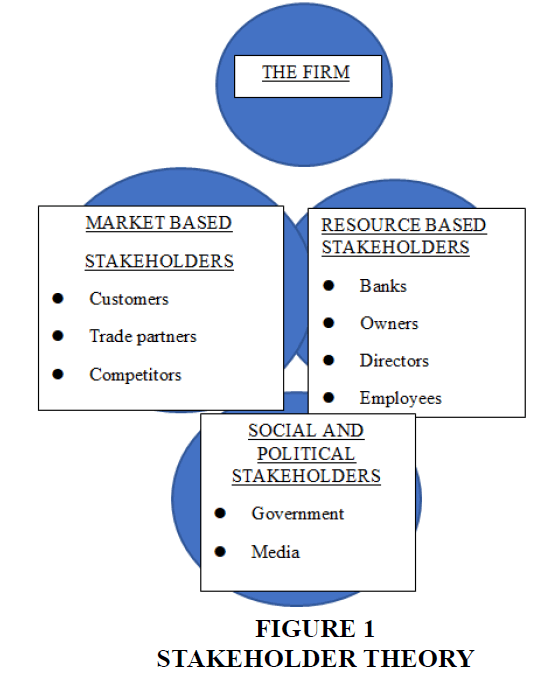
Figure 1 Stakeholder Theory
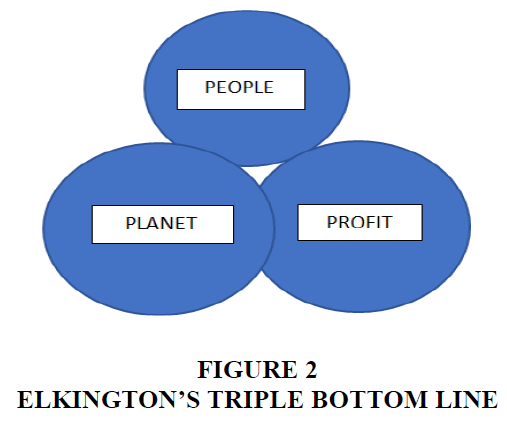
Figure 2 Elkington’s Triple Bottom Line
Elkington's Triple Bottom Line (TBL) framework and Stakeholder Theory offer a thorough framework for comprehending sustainable development and CSR. When combined, the TBL framework outlines the economic, social, and environmental results that can be used to satisfy stakeholder expectations, while stakeholder theory highlights the various stakeholder groups impacted by business operations. Because of this united viewpoint, CSR can serve as a strategic instrument that strikes a balance between social welfare, environmental stewardship, and profit production. This makes it especially pertinent for industries like real estate, where development operations have substantial multi-stakeholder consequences.
Role of women and CSR for sustainable real estate development
To minimise the adverse impact of fast real estate development, the triple bottom line and female leadership are critical. Women are adopting CSR to propagate sustainable real estate development through social infrastructure, environmental resilience, and community empowerment (Rao & Tilt, 2021). Women are gaining financial independence, increasing the quality of life, and converting rural and urban slums into more sustainable communities through focused programs. CSR in the Indian real estate sector is a political instrument for facilitating a balance between economic growth, social equity, and environmental conservation (Porter & Kramer, 2006). Additionally, women leaders play a pivotal role in integrating sustainable and responsible practices into organisations. Women executives often adopt a long-term, stakeholder-oriented approach, which coordinates CSR activities that have sustainable development goals (Karam & Jamali, 2022). Through CSR, female leaders deal with the negative environmental impact of the sector by championing eco-friendly practices such as the implementation of green buildings, energy efficiency, water conservation, and waste management. These programs promote urban growth and aid in the preservation of natural resources.
From the standpoint of social sustainability, CSR programs led by female executives prioritise community development, workforce welfare, affordable housing, and gender-inclusive planning. These programs promote trust between developers and stakeholders, improve safety and inclusivity in urban areas, and improve living circumstances for local population and construction workers. Women leaders also contribute to sustainable profitability and lower regulatory and reputational risks by encouraging ethical land acquisition, fair labour standards, and long-term value development. As a result, CSR helps develop a resilient and sustainable economy with the help of women leaders.
However, in the Indian real estate industry, women are notably underrepresented. Only about 7 million of the 71 million workers in the sector are women, making up the industry's female labour force participation percentage of about 25.1% (Business Standard, 2025). This indicates a significant gender disparity and is far lower than the percentage of women in India's entire population. Women only account for about 11–12% of all workers in the larger real estate and construction industry, which reflects a pervasive gender imbalance (Business Standard, 2025). Women are more prevalent in design, law, marketing, interiors, and ESG roles, but they are still underrepresented in field of engineering and site management.
This article investigates how women impact CSR practices in real estate companies using Elkington's triple bottom line paradigm and stakeholder theory, resulting in sustainable development.
According to the literature, the majority of research focuses on CSR practices and sustainability results individually, paying little consideration to women's leadership or gender perspectives as factors influencing sustainable real estate development. The majority of research on women in Indian real estate concentrates on obstacles to employment or leadership, but little is known about their strategic impact on the development and execution of CSR. Furthermore, there are few empirical studies that connect women's involvement in decision-making to results related to economic, social, and environmental sustainability, especially in the family-owned real estate companies that predominate in the industry. Additionally, there are not many integrated frameworks in the literature that incorporate women, CSR, stakeholder theory and the triple bottom line strategy unique to Indian real estate. Furthermore, little qualitative and longitudinal research has been done to document the ways in which women-led CSR activities change over time and support sustainable urban development. These gaps point to the necessity for interdisciplinary, context-specific research that looks at women's leadership as a key factor in the sustainability and efficacy of CSR in Indian real estate. To fill this gap, attention must be paid to the position of women and CSR in shaping a sustainable business. Therefore, this study uses the case study method, listing a few examples of women-led real estate businesses that use CSR as a tool for attaining sustainable development.
The relevant literature on the role of women and CSR in creating a sustainable real estate business is reviewed in Section 2. The research methodology, which uses the case study approach, is covered in Section 3. The case study is covered in detail in Section 4, and the other sections provide the discussion, ideas, and limitations of the study.
Literature Review
Singh (2025) emphasises the growing number of women on the board and underlines their effect on the culture of the organisation, strategic decisions, and sustainability orientation. In order to describe gender diversity as a source of organisational change, women leaders are also becoming part of the inclusive workplace practices, ethical governance, and value creation over long term. The subject of the study is largely conceptual and based on corporate real estate leadership as opposed to industry-based sustainability results. It identifies the new spheres of influence as sustainability and responsible business practices. Moreover, the paper itself does not mention the specific ways through which women leaders use CSR as a strategic instrument to facilitate sustainable development, particularly in the situation of Indian real estate.
Velasco-Balmaseda et al. (2024) make their contribution to the bigger picture of sustainable development by exploring the possibility of using CSR to promote gender equality. Their analysis systematically traces and examines gender equality across the world despite a growing number of self-regulatory schemes, norms and efforts within the framework of CSR practices, which lacks a lot of dispersion of consistency in definitions, missions and performance measures among these standards. The authors note that there are generally inadequate gender mainstreaming and intersectional factors, which are often driven by commercial rationale as opposed to combined sustainability goals. This attracts attention to a huge gap in both theoretical and practical ideas of CSR, and gender equality is not merged into a legally binding norm that helps to attain sustainable development goals.
Chang et al (2024) indicate that there is a positive correlation between board gender diversity and CSR. The authors have thoroughly examined 1,590 non-financial companies listed in the Taiwan Stock Exchange and Taipei Exchange during 2007- 2020 and established the results that higher gender diversity on the board is strongly linked with better CSR performance. The authors rely upon Upper Echelons Theory, Agency Theory and Resource Dependence Theory. The study contends that female directors not only provide different views and experiences, but also discuss the qualities of empathy and interest in the well-being of the stakeholders. According to the results of their empirical studies, companies that have a better percentage of women on boards use more resources on CSR activities, better management of the stakeholders and have better CSR performances on various measures. This research is a contribution to the literature that enhances CSR performance, which highlights the need to have inclusive governance systems, and responsible and sustainable corporate practices.
Wang et al. (2021) provide important empirical evidence in the area of emerging economies that relates gender diversity in corporate boards to CSR reporting and performance by using fixed-effects regression models and two-stage least squares regression models. The study of non-financial Chinese listed companies from 2010-2019 finds that the number of female directors on the board is positively and significantly related to the degree of CSR reporting, meaning that gender diverse boards are more engaged in rigorous and transparent CSR disclosure. However, the authors observe that concerned directors who are supposed to improve CSR by promoting better oversight do not indicate a significant role of CSR reporting in Chinese companies. These findings contribute to the literature by identifying the importance of gender diversity in governance systems, indicating that female board representation could have an impact on CSR engagement.
Harjoto et al. (2015); Ionașcu et al., (2020) discuss the connection between CSR and the level of board diversity. The authors argue that different boards succeed in providing the needs of the businesses, conflicts of different stakeholder groups since they possess broader scope of views, values, and experiences.The study provides that total CSR performance is positively linked to independence of the directors, gender, and ethnic diversity. In particular, firms having a higher number of women on the board have greater CSR, which denotes that the presence of female directors is vital to promote ethical behaviour and socially responsible decision-making. Another aspect that the authors illustrate is that boards are more efficient in maintaining a watch over management, which reduces the aspect of opportunistic behaviour and encourages long-term CSR investments.
Liao, Luo & Tang (2015); Nations, (2019) have considerable empirical evidence regarding the governance systems that drive corporate environmental transparency by looking into the effect of gender board independence and diversity on environmental disclosure. The authors argue that gender diverse and independent boards are more sensitive to social and environmental expectations, which lead to better and comprehensive environmental disclosures, founded on the theory of legitimacy and stakeholder. The findings also show that independent directors enhance the effectiveness of monitoring and reduce the opportunism of managers.
Hafsi &Turgut (2013) assess the relationship between boardroom diversity and CSR, emphasising the role of diversity as a strategic governance instrument contributing towards businesses' social performance. The authors argue that boards of varying types provide more knowledge, experience, and values, which will augment the ability of businesses to respond to social and environmental issues using resource dependence theory and stakeholder theory. Companies having a more diversified board perform socially and participate in CSR activities. More importantly, the authors demonstrate that diversity enhances CSR by strengthening the board beyond symbolic representation.
Research Methodology
This study employs qualitative case study research to understand the role of women professionals in leveraging CSR practices to promote sustainable development. The study employs the case study method to analyse how women are adopting CSR practices to attain the goal of sustainable real estate business. The research was carried out by performing a case study analysis of women professionals in real estate firms, including Aditya Birla Group, Godrej Properties Ltd., DLF Ltd., Vaishnavi Group, and Mahindra Lifespaces.
The purposive sampling technique was employed to select case studies of women professionals involved in CSR practices in different roles, such as CSR head, Chairperson, HR officer, sustainability manager, chief executive officer, and independent director. The case studies were chosen based on the criteria of women's involvement in CSR practices in real estate firms, alignment of CSR activities with the triple bottom line framework, and impact on sustainable development. The study is based on the case study method proposed by Reddy & Agrawal (2012); Ruparel et al., (2023) in "Designing Case Studies from Secondary Sources: A Conceptual Framework," and cited by Srivastava & Agrawal, 2017 in paper titled “innovative strategies for the development of rural India through village, cottage and Agri enterprises” where the authors highlight the significance of case study design, developing writing style, generating ideas, and adding to the literature in order to establish a solid subject foundation. Type I, Type II, and Field Cases were the three categories into which case studies were divided. Direct interviews with respondents are used to write a Type I case study, which focuses on the primary source of data. Field Cases are case studies designed utilising field research methodologies. Secondary data is used to produce a Type II Case Study. Because a conceptual framework for the study was developed utilising secondary data sources, such as annual reports, CSR reports, and websites, this study is classified as a Type II case study. The reports were assessed and analysed through the lens of Elkington’s triple bottom line and stakeholder theory. To better understand the subjects, a Type II Case Study was conducted using secondary data sources. The following five case studies were selected for this study after investigating many real estate companies in India with strong CSR initiatives and female employees.
Case Studies of Real Estate Businesses in India where Women Professionals use CSR for Creating Sustainable Business
The case studies of women professionals who have strategically leveraged CSR initiatives to create sustainable real estate businesses are discussed below.
Aditya Birla Group-Rajashree Birla
Rajashree Birla, a famous Indian philanthropist and the Chairperson of the Aditya Birla Centre of Community Initiatives and Rural Development, has been the key figure in helping to incorporate CSR into one of the largest multinational corporations in the country. She has institutionalized CSR into a value-based and strategic activity that is more sustainable oriented rather than being philanthropy. Her policy is highly based on inclusive development by creation of livelihoods, healthcare, education, empowerment of women and environmental sustainability, particularly in rural and semi-urban regions. The leadership of Rajashree Birla is a representation of how female executives can shape corporate governance, ethical behaviour and stakeholder-focused development and integrate social responsibility and short-term financial sustainability. She is also an exemplary case of women-led CSR and sustainable business practices in India due to the significant volume of contributions her work has made to social equity, human capital development, and community resilience.
Godrej Properties Ltd.-Megha Goel
Megha Goel who is the chief human resources officer of Godrej Properties Ltd. has played a significant role in popularizing CSR by gender inclusive programs, which help in promoting sustainability in the real estate sector. Godrej Properties launched the Collective of Real Estate Women (CREW) initiative, which is a CSR- related platform that allows breaking the structural gender barriers in the traditionally male-dominated industry of real estate and construction, under her leadership. The program enhances the social sustainability and long-term talent development through its focus on networking, mentoring, competence development, and inclusive workplace practices. Goel has made gender equality a strategic organizational resilience and sustainable growth driver as opposed to a separate diversity initiative by incorporating CREW into the bigger ESG and CSR company framework. This plan demonstrates how female leaders can leverage CSR to enhance inclusive governance, elevate the stakeholder involvement, and attain sustainable development objectives in Indian real estate.
DLF Ltd. -Pia Singh and Gayatri Paul
The CSR governance and implementation of the CSR at DLF Ltd., one of the largest developers of real estate in India, is handled by women leaders at the company. They play vital roles in developing community impact projects in the long term via the company charitable unit, the DLF Foundation. Mrs Pia Singh, who is a non-executive director and the chairperson of the DLF CSR Committee, is in charge of the programs of the Foundation strategically, ensuring they are in line with social sustainability goals in community welfare, education, healthcare and environmental fields. CSR is framed under her leadership as a long-term activity that fosters inclusive ecosystems and long-term changes in the quality of life of stakeholders in the local communities. Meanwhile, Mrs Gayatri Paul, the CEO of DLF Foundation, transforms the CSR strategy into meaningful programs that can be measured in quantifiable terms. Paul has introduced a CSR vision that goes beyond ttraditional charity activities to encompass the major transformation of the community during crisis and constant inclusion efforts. Through their strategic approach and operational management, they facilitate sustainable development and empower stakeholders by providing education, health, and environmental programs.
Vaishnavi Group- Sushma Govindaraju
Sushma Govindaraju, Head of CSR and Corporate Communication at Vaishnavi Group, is a successful example of an overall CSR leadership strategy that has social responsibility, corporate goals and stakeholder engagement. The CSR programs are focused on healthcare, education, community welfare, and inclusion of vulnerable populations, particularly women and people with disability. The company has partnered with non-governmental organisations, including Prerana and The Divine Light Trust for the Blind, offering educational services to poor girls, and conducts massive community and social health projects, including COVID-19 relief efforts, vaccinations, and support for frontline workers. She makes sure that social activities are not purely charitable but are integrated with CSR and corporate communications. This enhances transparency, trust and long-term social impact. The case illustrates how female executives in Indian real estate sector utilize CSR as a tool for inclusive development as well as improve the sustainability and reputation of their businesses.
Mahindra Lifespaces- Divya Pariyani
Divya Pariyani works as a top manager in marketing and CSR at one of the largest real estate companies in India.Community-based projects and sustainable urban development are the prime focus areas of the company. She is also involved in pushing the firm to integrate CSR in its business plan and brand story as a part of her job, and through this, she is able to create a strong social and environmental impact within the communities. She has implemented an extensive CSR policy that focuses on health, education, developing skills, and environmental sustainability, which comply with the Indian corporate regulations on CSR policy as well as more broadly sustainable development goals. Projects that can be seen as examples of CSR impact are environmental projects such as planting trees on large-scale projects, and water conservation facilities that benefit the surrounding rural population, and vocational training of women in village near Mahindra World City, which allows its participants to either gain employment or start their own business. The objectives of these programs include increasing the level of economic empowerment, lifelong quality, and promoting sustainable lifestyles with regards to real estate projects of the company. Her CSR activities at Mahindra Lifespaces demonstrates that brand identity, sustainable development of a community, and corporate responsibility in the real estate sector can be successfully integrated to enhance social and financial value.
Discussion and Suggestions
Sustainable development is an approach to development that balances economic growth, social fairness, and environmental conservation in order to meet current demands without sacrificing the ability of future generations to meet their own. By incorporating social justice, environmental preservation, and economic growth into corporate operations, CSR is essential to sustainable development.
The findings of the study indicate that women professionals play a crucial role in shaping CSR practices that advance sustainable development. From the perspective of stakeholder theory, it has been observed that women professionals are influencing employees, investors, firms, developers, regulators, customers, government bodies, and financial institutions. This approach is useful as it enables an organisation to go beyond the limited scope of shareholders to include all the parties that can be affected by the CSR practices. Stakeholder orientation will help the organisation identify important stakeholder groups impacted by business operations and involve them in the decision-making process. This will ultimately lead to improved reputation, risk management and improved economic performance. The case studies demonstrate the impact women professionals are creating on diverse stakeholder groups by aligning CSR initiatives with the expectations of the stakeholders for attaining sustainable and responsible business outcomes. Table 1 discusses the CSR dimensions on which the women professionals are continuously working and creating a positive impact on the stakeholders.
| Table 1 Women Professionals as Catalyst in CSR and their Impact on Stakeholders | ||
| CSR DIMENSION | WORK DONE BY WOMEN PROFESSIONALS | STAKEHOLDERS IMPACTED |
| Economic (Profit) | Transparency, accounting and reporting | Investors, regulators, government, and financial institutions |
| Social (People) | Education to underprivileged, skill development, medical assistance, infrastructure development, community welfare programs, and employment programs | Society, Government, and employees |
| Environment (Planet) | Green building programs, green belts, sustainability compliance, open spaces, energy-efficient technologies | Society, Government |
From the perspective of Elkington’s triple bottom line, the study shows that women-led CSR activities in real estate contribute to the economic, social, and environmental aspects of sustainability. Socially, community development, worker welfare, health and safety, and inclusive workplace practices are more important to women professionals. These results support the people aspect of sustainability by confirming earlier research that found women leaders prioritise social justice and human-centred outcomes. In order to handle the planet aspect of the triple bottom line, the real estate women professionals are actively supporting resource efficiency, green building techniques, and regulatory compliance. Economically, they contribute to the profit component by supporting sustainable financial performance and risk mitigation through their involvement in ethical governance, transparency, and long-term planning. The case studies demonstrate that women professionals are aiming to achieve the three dimensions to attain sustained and inclusive development. Figure 2 discusses the framework of women professionals in real estate adopting CSR practices to attain sustainable development.
The study emphasizes how important it is for female executives to include CSR in fundamental business plans rather than viewing it as solely a legal requirement. The conversation demonstrates that social responsibility and long-term sustainability are more closely aligned in women-led businesses, confirming previous research that associates female leadership with improved stakeholder awareness and ethical orientation.
The study's conclusions emphasize how important it is for female executives in real estate companies to include CSR in fundamental business plans rather than viewing it as solely a legal requirement.
One of the most important findings is that socio-emotional wealth (SEW) considerations are closely linked to CSR in companies run by women professionals. Women professionals typically see CSR as a way to protect the brand reputation, trust and transparency, in contrast to businesses where CSR is frequently motivated by external legitimacy and regulatory compliance’s is increasingly being integrated by women-led businesses with commercial goals like risk reduction, worker stability, and brand credibility. Instead of engaging in transient charitable endeavors, these companies implement ongoing and organized CSR initiatives, frequently in partnership with non-governmental organisations and regional establishments. This strategy increases stakeholder trust and helps businesses remain resilient in unpredictable and competitive markets. The conversation also shows that in real estate businesses, women leaders have a governance-focused role in CSR decision-making. Despite gender disparity in real estate, women involved in strategic boards and CSR committees guarantee increased accountability, transparency, and oversight of social initiatives. The sector must address gender disparity to create more inclusive growth and equitable workforce participation. This aligns with the empirical data that shows gender diversity in leadership has a favorable impact on social performance and the quality of CSR disclosure.
Limitations of the study
Even though the current study offers useful information about the role of women in real estate and their engagement with CSR, there are a number of limitations that should be taken into account when interpreting the results. The study focuses on a small number of companies with women professionals, mostly from a particular industry or geographical area. Because of this, the results could not apply to all women-led businesses, especially small, unofficial, or unregistered real estate firms. The study primarily uses secondary data sources, including published case studies, company websites, sustainability reports, and annual reports. Although these sources offer reliable and organized information, they could favorably portray CSR initiatives, which could result in reporting bias.
Conclusion
In line with the findings of the study, women run businesses are critical in promoting ethical, responsible, and sustainable business practices, especially, when it comes to integrating CSR. Female leaders in the company do not view CSR as a compliance obligation, rather incorporate it in the long-term objectives and core values of the company. The strong alignment between social responsibility, and sustainable growth is shown in this value-driven strategy. The findings indicate that women leadership largely influence the nature and course of leadership. CSR activities focused on community development, education, healthcare, women empowerment, and environmental sustainability improve stakeholders trust, brand image, and business sustainability’s manifests itself as a strategy tool to retain business identity and ensure manageable business, in which socio-emotional wealth and image are crucial. The research also highlights the role played by women executives in enhancing CSR governance and transparency through ensuring organized decision making, accountability and efficiency. Stakeholder involvement is strengthened by their inclusive and participatory leadership style, which also raises the standard and consistency of CSR implementation in real estate firms. In general, the research confirms that in developing countries such as India, women operated businesses are agents of inclusive and sustainable development. These businesses provide a good example of sustainable entrepreneurship through a combination of financial interests and social and environmental imperatives. By emphasizing the need to have gender-inclusive leadership and highlighting the need to strengthen institutional recognition, future studies can enhance the ability of women to establish ethical and sustainable business.
References
Carroll, A. B., & Shabana, K. M. (2010). The business case for corporate social responsibility: A review of concepts, research and practice. International journal of management reviews, 12(1), 85-105.
Indexed at, Google Scholar, Cross Ref
Chang, Y., Wu, K. T., Lin, S. H., & Lin, C. J. (2024). Board gender diversity and corporate social responsibility. International Journal of Corporate Social Responsibility, 9(1), 7.
Indexed at, Google Scholar, Cross Ref
Das, P., & Anchalia, P. (2023). Real estate sector in india. Research and Policy Insights on Financial Markets and Economy. https://www. iima. ac. in/sites/default/files/2023-03/MCFME_Real% 20Estate. pdf.
Elkington, J., & Rowlands, I. H. (1999). Cannibals with forks: The triple bottom line of 21st century business. Alternatives Journal, 25(4), 42.
Freeman, R. E. (2010). Strategic management: A stakeholder approach. Cambridge university press.
Griggs, D., Stafford-Smith, M., Gaffney, O., Rockström, J., Öhman, M. C., Shyamsundar, P., ... & Noble, I. (2013). Sustainable development goals for people and planet. Nature, 495(7441), 305-307.
Indexed at, Google Scholar, Cross Ref
Hafsi, T., & Turgut, G. (2013). Boardroom diversity and its effect on social performance: Conceptualization and empirical evidence. Journal of business ethics, 112(3), 463-479.
Indexed at, Google Scholar, Cross Ref
Harjoto, M., Laksmana, I., & Lee, R. (2015). Board diversity and corporate social responsibility. Journal of business ethics, 132(4), 641-660.
Indexed at, Google Scholar, Cross Ref
Ionașcu, E., Mironiuc, M., Anghel, I., & Huian, M. C. (2020). The involvement of real estate companies in sustainable development—An analysis from the SDGs reporting perspective. Sustainability, 12(3), 798.
Indexed at, Google Scholar, Cross Ref
Liao, L., Luo, L., & Tang, Q. (2015). Gender diversity, board independence, environmental committee and greenhouse gas disclosure. The British accounting review, 47(4), 409-424.
Indexed at, Google Scholar, Cross Ref
Nations, U. (2019). Department of economic and social affairs, population division. World population prospects, 2019.
Porter, M. E., & Kramer, M. R. (2006). The link between competitive advantage and corporate social responsibility. Harvard business review, 84(12), 78-92.
Rao, K., & Tilt, C. (2016). Board diversity and CSR reporting: an Australian study. Meditari Accountancy Research, 24(2), 182-210.
Indexed at, Google Scholar, Cross Ref
Reddy, K. S., & Agrawal, R. (2012). Designing case studies from secondary sources–A conceptual framework.
Ruparel, N., Bhardwaj, S., Seth, H., & Choubisa, R. (2023). Systematic literature review of professional social media platforms: Development of a behavior adoption career development framework. Journal of Business Research, 156, 113482.
Indexed at, Google Scholar, Cross Ref
Singh, S. The Role of Women in Driving Corporate Social Responsibility: Perspectives from the Corporate Landscape. The Interdisciplinary Nexus: Law, Humanities, and Management, 346.
Srivastava, P., & Agrawal, B. (2017). Innovative strategies for the development of rural India through village cottage and agribusiness enterprises. Global Business and Economics Review, 19(3), 276-298.
Indexed at, Google Scholar, Cross Ref
Velasco‐Balmaseda, E., de Celis, I. L. R., & Izaguirre, N. E. (2024). Corporate social responsibility as a framework for gender equality: Mapping of gender equality standards for sustainable development. Corporate social responsibility and environmental management, 31(3), 1905-1920.
Indexed at, Google Scholar, Cross Ref
Wang, C., Deng, X., Álvarez-Otero, S., Sial, M. S., Comite, U., Cherian, J., & Oláh, J. (2021). Impact of women and independent directors on corporate social responsibility and financial performance: empirical evidence from an emerging economy. Sustainability, 13(11), 6053.
Indexed at, Google Scholar, Cross Ref
Received: 20-Jan-2026, Manuscript No. AMSJ-26-16876; Editor assigned: 21-Jan-2026, PreQC No. AMSJ-26-16876(PQ); Reviewed: 28- Jan-2026, QC No. AMSJ-26-16876; Revised: 04-Feb-2026, Manuscript No. AMSJ-26-16876(R); Published: 11-Feb-2026